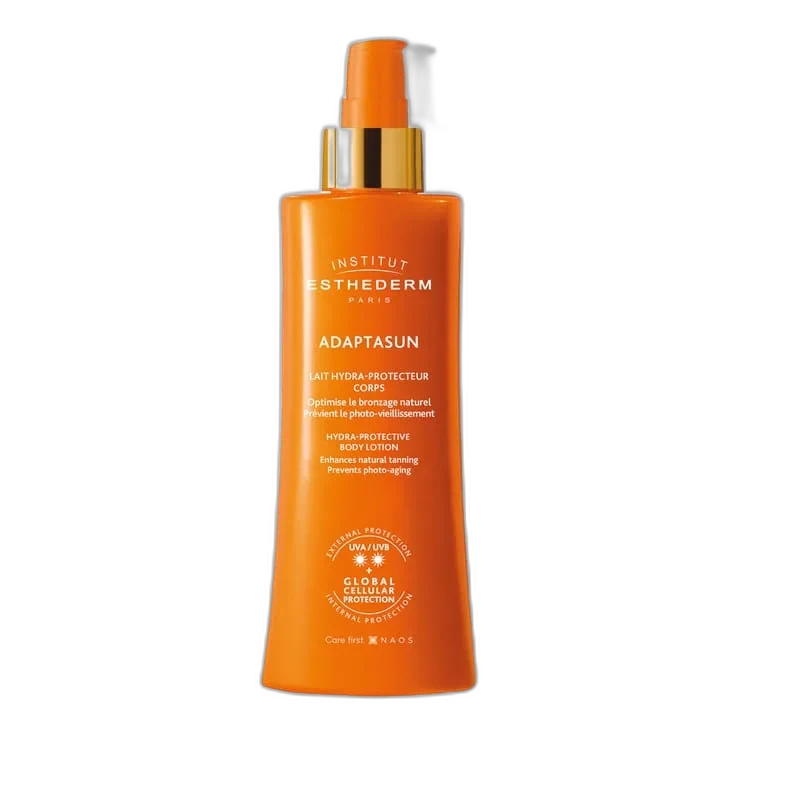
Adaptasun Sensitive Skin Body Lotion Moderate Sun
Luxury Sun-Philosophy Pick
 Verified reviewer
Pros & cons.
- +Genuinely well-formulated sensitive-skin lotion with centella, bisabolol, panthenol
- +Rich antioxidant load from grape seed extract and tocopheryl acetate
- +Elegant lightweight texture with no white cast or stickiness
- +Contains real UV filters including avobenzone for UVA coverage
- +Tolerated well by reactive skin in most reviews
- +Pleasant French-pharmacy aesthetic and scent
- +Backed by over four decades of European market presence
- −No labeled SPF number, making protection impossible to quantify
- −Very expensive for moderate, unspecified UV protection
- −Not appropriate for high-UV exposure or beach days
- −Contains octinoxate, which is banned in reef-protected regions
- −Philosophy contradicts mainstream dermatological guidance outside France
The full review.
Most French pharmacy sunscreens display a bold SPF number like 30, 50, or 50+. Modern sun protection centers on this single metric. However, Institut Esthederm Adaptasun products lack an SPF number on any part of the packaging. There is no SPF on the front, back, or fine print. Instead, the brand uses vague terms like ‘moderate sun,’ ‘strong sun,’ or ‘intense sun.’ This follows a philosophy from founder and pharmacist Jean-Noël Thorel. He believes SPF values create false security and discourage protective behaviors like using shade, clothing, or better timing. Esthederm prefers you use their lotion while staying under an umbrella rather than using an SPF 50 and baking in direct sun because you trusted the number.
Whether this logic is convincing or infuriating depends on your view of French contrarian pharmacy. One argument is defensible: SPF creep encourages behavior that undermines protection, and the real-world difference between SPF 30 and SPF 50 is smaller than on paper. The counter-argument is also serious: quantifying protection helps consumers make informed decisions, and removing the number just makes protection harder to evaluate. Most board-certified dermatologists outside France support the counter-argument. This review does not resolve that debate. It only tells you what is in the bottle.
The bottle contains a thoughtful sensitive-skin formulation. The UV filters are octinoxate, avobenzone, and octisalate. These are standard chemical filters with established track records, and avobenzone covers UVA. Concentrations are not published, but the protection level is clearly lower than a labeled SPF 50 product. Esthederm built this body lotion around those filters to act more like an after-sun treatment than a conventional sunscreen. It uses grape seed polyphenols for oxidative stress, centella extract for inflammation, bisabolol for calming, panthenol and allantoin for soothing and barrier support, and tocopheryl acetate for antioxidant load. Fragrance is present—this is a French luxury product, so expect a scent—but the rest of the formula works for sensitive skin.
The luxury pricing makes sense during use. The lotion applies like a high-end body cream rather than a conventional sunscreen; it has no white cast, no tackiness, and no plasticky feel. Skin feels soft and cushioned, not coated. It leaves no greasy residue, does not transfer onto clothes, and the scent is understated enough for public wear. For people with reactive skin who cannot tolerate the fragrance and heavy silicones in most body sunscreens, this is a wearable option. However, you pay forty-nine dollars for 150ml of a product with a protection level that is unclear by design.
The honest summary: if you live in moderate UV exposure, have a sun-safety routine using shade and clothing, prefer light activity over direct beach exposure, and want a sensitive-skin-friendly lotion with antioxidants and real UV filters, this product has a niche. If you need a beach sunscreen for a Florida vacation, a high-UV day on the water, or protection for melasma, hyperpigmentation, or a history of skin cancer, this is not the product for you. Most dermatologists would recommend against it for those uses. The formulation is better than skeptics claim. The philosophy is worse than fans claim. The price is hard to justify at any protection level when labeled SPF 50 body sunscreens for sensitive skin exist at a quarter of the cost.
Ingredient analysis.
Full INCI list · pH 6.5
Aqua, Dibutyl Adipate, Ethylhexyl Methoxycinnamate, Glycerin, Butyl Methoxydibenzoylmethane, Ethylhexyl Salicylate, Cyclopentasiloxane, Cetearyl Alcohol, Glyceryl Stearate, PEG-100 Stearate, Dimethicone, Tocopheryl Acetate, Centella Asiatica Extract, Vitis Vinifera Seed Extract, Panthenol, Bisabolol, Allantoin, Xanthan Gum, Disodium EDTA, Phenoxyethanol, Fragrance
Skin match.
The science.
The Science
The formulation uses two evidence tiers. The UV filter selection — octinoxate, avobenzone, and octisalate — is standard and well-documented, with decades of research on efficacy and safety. Avobenzone is the key inclusion here because it provides UVA coverage, which causes photoaging and DNA damage independent of UVB-driven sunburn. The antioxidant and soothing ingredients have their own literature: grape seed polyphenols show free radical scavenging and modest anti-inflammatory effects at topical cosmetic concentrations, centella asiatica actives have established evidence for wound healing and inflammation reduction, and bisabolol has published research on skin calming. The brand's claim — that SPF-free, moderate-protection formulations 'educate' skin toward better long-term outcomes — lacks support from mainstream dermatological literature, which associates high-SPF broad-spectrum use with lower rates of melanoma, squamous cell carcinoma, and photoaging. American, Australian, and most European dermatology societies agree that labeled SPF products in the 30-50 range are the recommended standard for significant sun exposure. This product's formulation is legitimate; its positioning as an alternative to labeled SPF sunscreens is the contested part.
Dermatologist Perspective
Dermatologists generally view unlabeled SPF products with skepticism, regardless of the brand's philosophy. Board-certified dermatologists typically recommend broad-spectrum sunscreens with clearly labeled SPF values — usually 30 or higher, and 50+ for high-UV environments — because quantified protection allows informed patient decisions and aligns with clinical evidence on skin cancer prevention. However, some practitioners do not dismiss the Esthederm Adaptasun formulation; they note the antioxidant load and sensitive-skin ingredient support are meaningful, and that the product works for low-exposure urban use when combined with shade, clothing, and timing strategies. For patients with melasma, a personal or family history of skin cancer, or any condition requiring maximal photoprotection, this product is generally not the recommended choice.
Where it fits in your routine.
Apply a thick layer to clean, dry skin 15-20 minutes before sun exposure. Use about one shot glass to cover your full body. Reapply every two hours during active sun exposure, immediately after swimming or heavy sweating, and whenever towels or clothing rub the product off. Use with shade, protective clothing, and sun-smart timing — this product is not for extended high-UV exposure. This product is not for children or anyone requiring maximal UV protection.
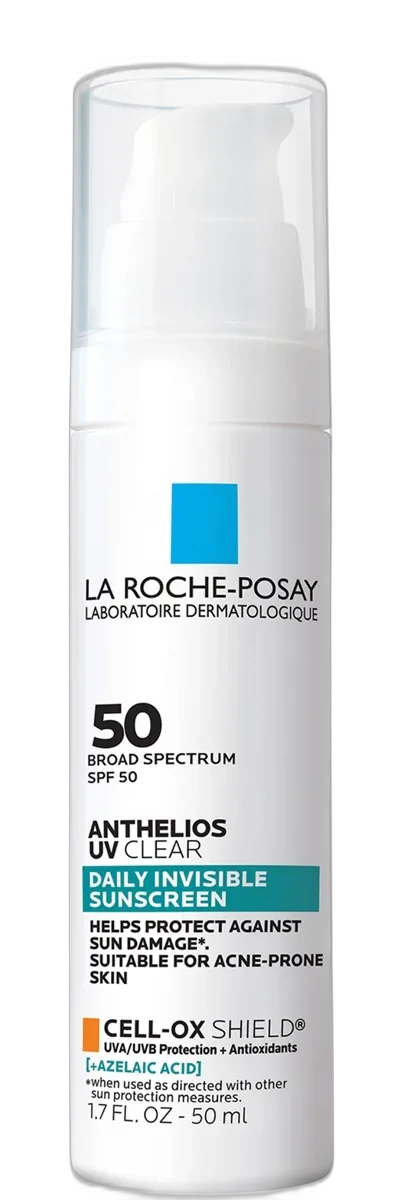
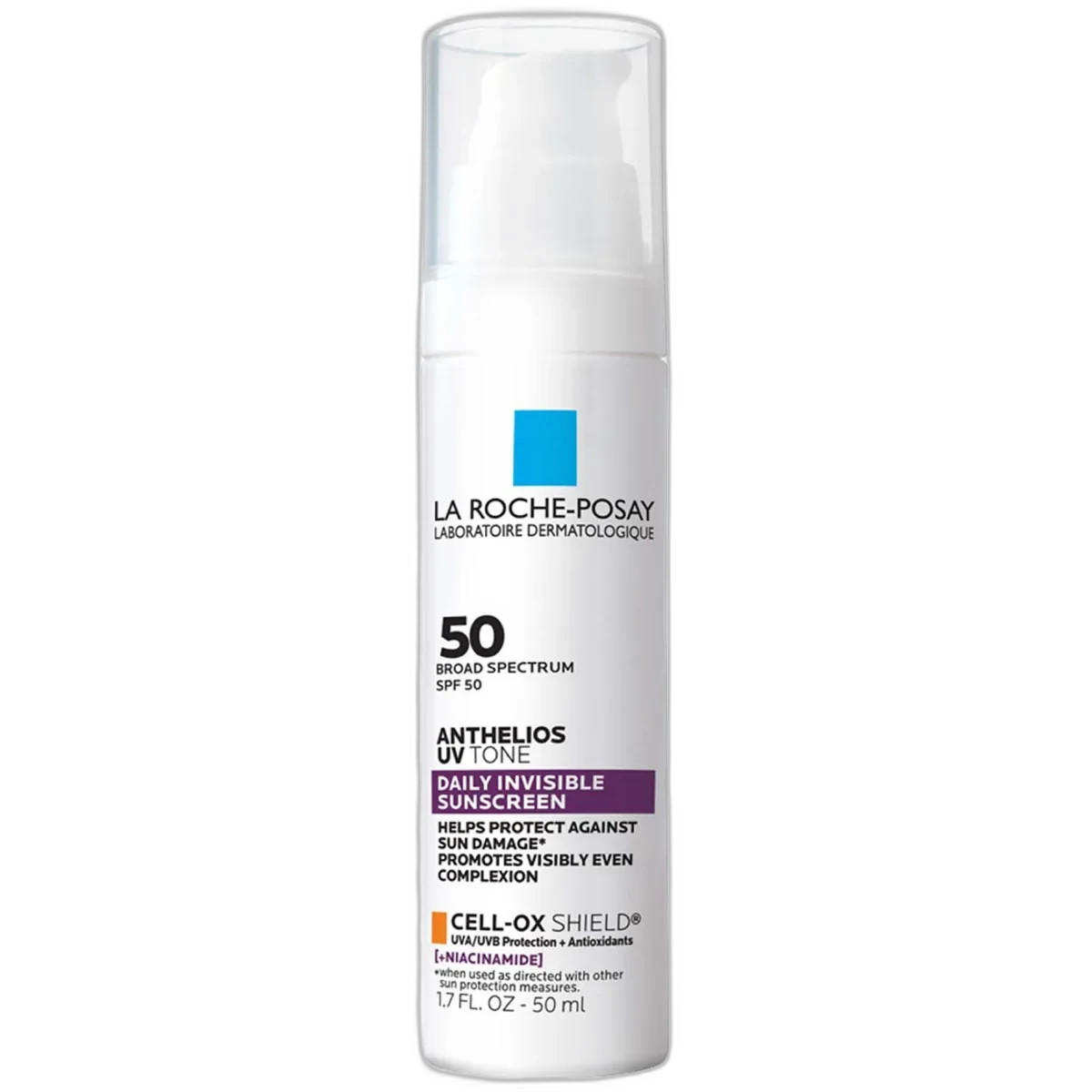
At forty-nine dollars for 150ml, this body sunscreen has luxury pricing but lacks a quantified protection level on the label. For comparison, La Roche-Posay Anthelios, Bioderma Photoderm, and Avène Cleanance SPF 50+ — French pharmacy brands with established sensitive-skin reputations and labeled SPF values — cost fifteen to twenty-five dollars for similar sizes. The Esthederm lotion has an elegant texture and a thoughtful antioxidant formulation, but the bottle does not justify a two-to-three-fold premium over those alternatives for most users. The value only works if you want the Esthederm philosophy and will pay for the brand experience.
This product suits people who want the Esthederm philosophy, have a solid shade and clothing routine, and face moderate daily UV exposure in urban or low-UV environments. It also works for sensitive-skin users who cannot tolerate conventional sunscreen textures and understand the protection tradeoff.
Choose an SPF 50 labeled product if you go to the beach, face high-UV, have melasma, hyperpigmentation, or a history of skin cancer. It is also the better choice for strong sun environments or if you want to know your exact protection level.
Product details.
Lightweight creamy lotion that spreads smoothly and absorbs within a minute
Sophisticated sunscreen-adjacent floral — present but not beachy
150ml tube with flip-top cap — travel-friendly
Applies like a high-end body lotion, not like a conventional sunscreen — no white cast, no tacky finish, no heavy feel. The lack of a printed SPF number is the first thing most new users notice and question.
Use this as a daily-light-exposure lotion for several weeks, or for 4-6 days of body-only use with proper reapplication on one beach trip.
12 months
spring summer
The backstory.
Institut Esthederm was founded in Paris in 1978 by Jean-Noël Thorel, a pharmacist whose research philosophy rejected the SPF-number arms race that defined modern sun care. The Adaptasun line is the clearest expression of that philosophy — three protection levels (strong, moderate, intense) without numerical SPF values, positioned as 'sun-responsible' products that work with the skin's tanning response rather than suppressing it entirely.
About Institut Esthederm
Legacy Brand (20+ years)Jean-Noël Thorel founded Institut Esthederm in Paris in 1978. The brand uses 'cellular water' technology and a non-SPF sun philosophy called 'sun-responsible tanning.' For over four decades, the house has sold in European dermatology and high-end skincare channels, though its sun-protection philosophy is more controversial outside France than within it.
Common myths.
Sunscreens without an SPF number are not real sunscreens.
This product uses functional concentrations of octinoxate, avobenzone, and octisalate. It is a real sunscreen, but lacks a labeled SPF value because the brand objects to the metric. The protection level is likely lower than high-SPF products, so use it accordingly.
FAQ.
Why doesn't Esthederm Adaptasun have an SPF number?
The brand rejects SPF numbers because they encourage over-reliance and discourage shade-seeking and protective clothing. The product contains legitimate UV filters, but the protection level lacks a standard SPF label. Most regulatory dermatologists outside France recommend a labeled SPF product for serious sun exposure.
Is this sunscreen enough for a day at the beach?
Most dermatologists say no. The protection level is moderate. For extended or high-UV exposure, a broad-spectrum SPF 50 product is the standard recommendation. If you use this, reapply frequently, seek shade, and wear protective clothing to compensate.
Is Adaptasun Moderate Sun safe for sensitive skin?
The formulation is sensitive-skin-friendly; centella, bisabolol, panthenol, and allantoin soothe the skin. It contains fragrance and chemical UV filters, so patch test first if you have reactive skin.
Can I use this on my face?
This body lotion has a texture too thick for most facial routines. Esthederm makes a separate Adaptasun face product for those wanting the same philosophy in a face-appropriate formula.
How does this compare to a standard SPF 30 body sunscreen?
The UV filter load and protection level are likely lower than a labeled SPF 30, though the exact numbers are not published. The antioxidant content and sensitive-skin support exceed most drugstore SPF 30 body sunscreens. This product uses a different philosophy and is not a straight substitute.
Is this reef-safe?
No — the formula contains octinoxate. This ingredient is banned in reef-sensitive areas like Hawaii because it impacts coral environments. Use a mineral-filter alternative when swimming in protected marine areas.
What the community says.
"Elegant lightweight texture"
"Doesn't trigger sensitive skin flare-ups"
"Pleasant to wear on the body"
"Nice scent"
"Lacks an SPF number on the label"
"Very expensive for what it is"
"Confusing protection level messaging"
"Not ideal for high-UV exposure"
People also looked at.