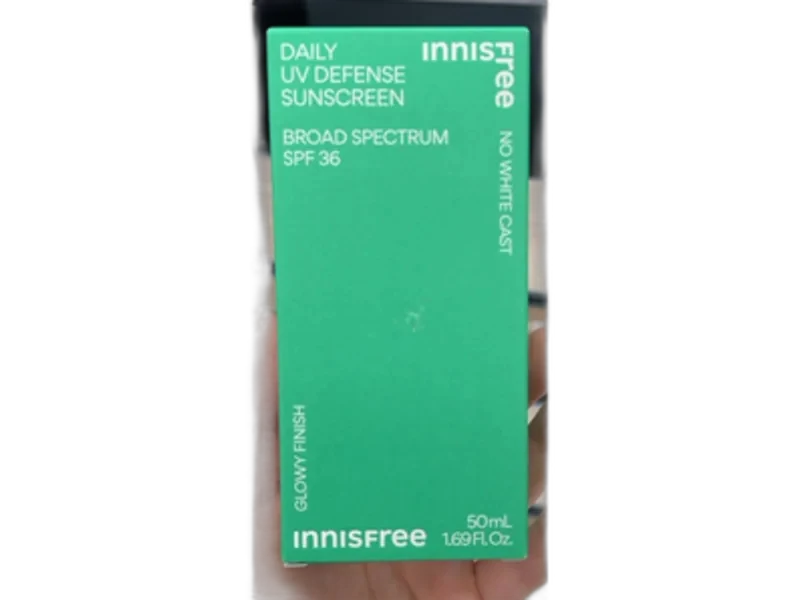
Daily UV Defense Sunscreen SPF 36
K-Beauty SPF Bargain
 Verified reviewer
Pros & cons.
- +Zero white cast on all skin tones — truly invisible finish
- +Broad-spectrum UVA/UVB protection with stabilized avobenzone system
- +Exceptional value at $16 for a well-formulated face sunscreen
- +Layers seamlessly under makeup without pilling or balling
- +Skin-soothing cica and green tea extracts provide additional benefits
- +Lightweight moisturizer-like texture encourages daily compliance
- +Free of oxybenzone and octinoxate
- −Contains added fragrance that's unnecessary in a sunscreen
- −SPF 36 is adequate for daily use but lower than some competitors
- −Chemical filters may not suit those who prefer mineral-only sunscreen
- −Slightly dewy finish can appear shiny on very oily skin by midday
The full review.
The sunscreen compliance problem is real. Dermatologists have been begging us to wear SPF daily for decades, and most of us still don’t — because most sunscreens are, frankly, unpleasant to wear. They’re too thick, too white, too greasy, or too expensive to justify slathering on every morning. Innisfree’s Daily UV Defense SPF 36 exists to systematically eliminate every one of those excuses, and at sixteen dollars, it succeeds.
The formula’s UV protection comes from a three-filter chemical system: homosalate and octisalate handle UVB rays, while avobenzone provides the critical UVA coverage that prevents photoaging and hyperpigmentation. The clever addition here is ethylhexyl methoxycrylene — not a UV filter itself, but a photostabilizer that prevents avobenzone from degrading in sunlight. Avobenzone is one of the best UVA filters available in the US market, but it’s notoriously unstable; without a stabilizer, it loses efficacy within hours. This formula addresses that weakness directly, which is a level of formulation sophistication you don’t usually see at this price point.
Texture
Texture is where this product converts skeptics. It applies like a lightweight moisturizer — fluid, non-greasy, and completely invisible within seconds. There is genuinely no white cast, which matters enormously for darker skin tones that have been poorly served by the sunscreen market for decades. Under makeup, it creates a smooth, slightly dewy base that actually improves foundation application. No pilling, no balling up, no weird interactions with other products. It just disappears into the skin and lets you forget you’re wearing sunscreen at all.
Formula
The botanical supporting cast reflects Innisfree’s roots in Korean skincare philosophy. Centella asiatica extract — the ‘cica’ that has become a K-beauty staple — provides anti-inflammatory benefits that help counteract any irritation from the chemical UV filters. Green tea delivers antioxidant polyphenols that work alongside the sunscreen as a second line of UV defense, scavenging the free radicals that slip past the filters. Sunflower seed oil and its unsaponifiable fraction contribute both emolliency and phytosterols that support barrier function. Portulaca oleracea (purslane) extract adds another layer of antioxidant and anti-inflammatory support. This isn’t a formula that just protects — it actively cares for the skin underneath.
Price
The price deserves its own paragraph. Sixteen dollars for 1.69 ounces of a well-formulated, broad-spectrum, cosmetically elegant sunscreen from a reputable brand is remarkable. For context, comparable products from prestige brands often run thirty to fifty dollars for similar sizes. At this price point, there’s genuinely no financial excuse to skip sunscreen — which may be the most important thing about this product. You could buy three of these for the cost of one tube of some competitors.
About Innisfree
Innisfree was founded in 2000 by Amorepacific, South Korea’s largest beauty conglomerate with roots dating to 1945. That corporate backing means serious R&D resources and quality control infrastructure that smaller indie brands simply cannot match. The brand’s philosophy centers on Jeju Island-sourced natural ingredients, and while this particular formula is more cosmetic chemistry than island botanicals, the centella, green tea, and citrus unshiu peel extracts nod to that heritage authentically.
Caveats
There are legitimate caveats. The formula contains fragrance, which, while faint and fast-dissipating, is unnecessary in a sunscreen and excludes some fragrance-sensitive users. SPF 36 is perfectly adequate for daily use — blocking 97.2% of UVB rays compared to SPF 50’s 98% — but if you live in a high-UV area or spend significant time outdoors, you might prefer a higher number for the wider margin of error with imperfect application. Innisfree now offers an SPF 50+ version for exactly this purpose, so the brand has you covered either way.
Finish
The finish trends slightly dewy, which is a feature for dry and normal skin but may read as shiny on very oily complexions by midday. Setting with a light dusting of powder easily addresses this. Combination skin types generally find the finish ideal — natural-looking and healthy without tipping into greasy territory.
Packaging
The tube packaging is practical and hygienic — no dipping fingers into a jar, no exposure to air. The flip-cap dispenses product cleanly and travels well. It’s an unglam but smart design choice that prioritizes daily usability over shelf appeal.
In a sunscreen market full of compromises — protection vs. comfort, efficacy vs. affordability, invisible finish vs. broad-spectrum coverage — the Innisfree Daily UV Defense SPF 36 offers a genuinely balanced answer. It won’t win awards for maximum SPF, but it will earn something more valuable: consistent daily use. And consistent use of a good sunscreen beats occasional use of a perfect one every time.
Ingredient analysis.
Full INCI list
Active Ingredients: Homosalate 7.00%, Octisalate 4.30%, Avobenzone 2.50%. Inactive Ingredients: Water/Aqua/Eau, Butylene Glycol, Cyclopentasiloxane, Butyloctyl Salicylate, Ethylhexyl Methoxycrylene, Arachidyl Alcohol, Behenyl Alcohol, Glyceryl Stearate, PEG-100 Stearate, 1,2-Hexanediol, Polymethylsilsesquioxane, Cetyl Alcohol, Arachidyl Glucoside, Phenoxyethanol, Propanediol, Polyacrylate Crosspolymer-6, Octyldodecanol, Fragrance/Parfum, Xanthan Gum, Centella Asiatica Extract, Portulaca Oleracea Extract, Echium Plantagineum Seed Oil, T-Butyl Alcohol, Camellia Sinensis Leaf Extract, Ethylhexylglycerin, Helianthus Annuus (Sunflower) Seed Oil Unsaponifiables, Cardiospermum Halicacabum Flower/Leaf/Vine Extract, Tocopherol, Helianthus Annuus (Sunflower) Seed Oil, Glycerin, Hamamelis Virginiana (Witch Hazel) Leaf Extract, Citrus Unshiu Peel Extract, Opuntia Coccinellifera Fruit Extract, Orchid Extract, Camellia Japonica Leaf Extract, Citric Acid, Sodium Benzoate, Potassium Sorbate
Skin match.
The science.
The Science
This formula uses a three-filter UV system for broad-spectrum protection. Homosalate (7%) absorbs UVB with a peak at 306 nm, and octisalate (4.3%) extends UVB coverage with a peak at 307 nm. Avobenzone (2.5%) provides UVA protection, absorbing from 310-400 nm with a peak at 357 nm.
Avobenzone is photolabile, which has been a challenge since its approval. Research in Photochemistry and Photobiology (2006) shows avobenzone degrades by about 36% after one hour of UV exposure alone. This formula uses ethylhexyl methoxycrylene to solve this; this photostabilizer absorbs triplet-state energy from photoexcited avobenzone to stop its breakdown. Studies show methoxycrylene keeps avobenzone efficacy above 90% after extended UV exposure.
Botanical extracts add photoprotective benefits beyond the UV filters. Centella asiatica extract has asiaticoside and madecassoside, which show anti-inflammatory and wound-healing properties in clinical studies. A study in the International Journal of Molecular Sciences (2017) confirmed centella inhibits UV-induced inflammation by suppressing COX-2 and NF-κB pathways. Green tea's EGCG reduces UV-induced erythema and DNA damage in human skin studies, acting as a biological sunscreen supplement.
The mix of photoprotective chemistry and anti-inflammatory botanicals uses a 'multimodal photoprotection' approach — it filters UV radiation and mitigates the inflammatory cascade UV exposure triggers in the skin.
Dermatologist Perspective
Board-certified dermatologists recommend daily broad-spectrum sunscreen as the most impactful anti-aging intervention. Dermatologists generally favor SPF 36 for everyday use — the American Academy of Dermatology recommends SPF 30 or higher, so this formula meets clinical guidelines. Dermatologists value the stabilized avobenzone system because UVA protection prevents photoaging and melanoma risk. The centella asiatica addition matches the dermatological trend of using anti-inflammatory botanicals as complementary photoprotective agents. The main dermatological concern is the added fragrance, which dermatologists generally discourage in daily facial products.
Where it fits in your routine.
Apply a generous amount to your face and neck after moisturizer and before makeup. Use at least a nickel-sized amount (approximately 1/4 teaspoon) on the face to reach the labeled SPF. Wait 1-2 minutes for absorption before applying makeup. Reapply every two hours during extended outdoor exposure, or after swimming or heavy sweating.
At $16 for 1.69 oz ($9.47/oz), this offers excellent value in the face sunscreen market. Comparable broad-spectrum chemical sunscreens from brands like Supergoop! ($22-36), La Roche-Posay ($34), or EltaMD ($39) cost more for similar or less product. The formula quality — stabilized avobenzone, botanical antioxidants, and a cosmetically elegant finish — is impressive even at twice the price. This product removes the cost barrier for anyone skipping daily sunscreen.
This is an affordable, cosmetically elegant daily sunscreen that leaves no white cast and works under makeup. It suits combination, normal, and dry skin types seeking broad-spectrum protection and skincare benefits.
People with fragrance sensitivity, those who prefer mineral-only sunscreens, or anyone needing maximum SPF for high-UV environments and outdoor activities where reapplication is impractical.
Product details.
This lightweight, fluid lotion spreads easily and absorbs quickly. It is not thick or pasty; the moisturizer-like consistency melts into skin.
The light, clean fragrance is barely noticeable and fades within a minute of application.
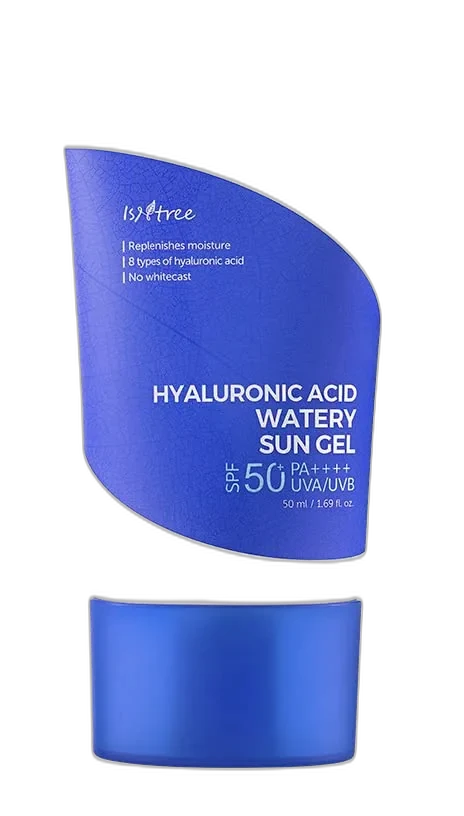
The Innisfree design is clean and minimalist. The squeezable tube has a flip-cap, making it practical for daily use and travel.
Applies smoothly without white cast or pilling. Skin looks slightly dewy and feels hydrated, not greasy. Most skin types experience no stinging or sensitivity on first use. It sits comfortably under makeup from day one.
2-3 months with daily face application
12 months
All Year
The backstory.
Innisfree built its reputation on Jeju Island-sourced ingredients and accessible K-beauty innovation. This sunscreen represents the brand's answer to a persistent consumer complaint: that effective daily sunscreens either left a white cast, felt heavy, or cost too much. Launched for the US market through Sephora, it quickly became one of the retailer's top sunscreen sellers by solving all three problems at once.
About Innisfree
Established Brand (5–20 years)Amorepacific, South Korea's largest beauty conglomerate (est. 1945), founded Innisfree in 2000. The brand uses nature-derived ingredients from Jeju Island and is one of the most recognized K-beauty brands globally. Amorepacific's R&D infrastructure and decades of cosmetic science back the brand.
Common myths.
SPF 36 is significantly less protective than SPF 50
SPF 36 blocks about 97.2% of UVB rays, and SPF 50 blocks about 98%. This difference is minimal for daily use. Applying enough product and reapplying every two hours matters more; these habits affect protection more than the SPF number.
Chemical sunscreens are unsafe or harmful to skin
The FDA approves the chemical filters in this formula (avobenzone, homosalate, octisalate), which have extensive safety data. Chemical filters are not inherently less safe than mineral alternatives, though some people experience sensitivity to them. This formula avoids oxybenzone and octinoxate, the two most commonly flagged chemical filters.
FAQ.
Is Innisfree Daily UV Defense SPF 36 enough protection for daily use?
SPF 36 broad-spectrum protection works for daily activities like commuting, office work, or errands. It blocks 97.2% of UVB rays and uses avobenzone for UVA coverage. For long outdoor activities like hiking or beach days, layer with a higher SPF or reapply more often.
Does Innisfree sunscreen leave a white cast?
No. This is a chemical (not mineral) sunscreen, so it absorbs UV rays instead of physically blocking them. The formula is designed to be invisible on all skin tones—a feature thousands of reviews consistently praise.
Can I use Innisfree sunscreen under makeup?
Yes — this is a standout quality. The lightweight, quick-absorbing formula sits smoothly under foundation, concealer, and powder without pilling or balling up. Wait 1-2 minutes for absorption before applying makeup.
Is Innisfree Daily UV Defense free of oxybenzone and octinoxate?
Yes. This formula uses avobenzone, homosalate, and octisalate as UV filters. It lacks oxybenzone and octinoxate, the chemical filters most often flagged for environmental and skin concerns.
Is Innisfree sunscreen good for sensitive skin?
The formula uses centella asiatica and green tea to calm reactive skin. It contains fragrance and chemical UV filters, which can irritate sensitive skin. People with very reactive skin should patch test first or use the brand's mineral sunscreen option.
What the community says.
"Zero white cast even on deeper skin tones"
"Lightweight formula that doesn't feel like sunscreen"
"Excellent under makeup with no pilling"
"Affordable compared to most face sunscreens"
"Subtle dewy finish without greasiness"
"SPF 36 may not be sufficient for extended outdoor exposure"
"Contains fragrance which some users find unnecessary"
"Chemical filters may not suit those who prefer mineral sunscreen"
"Can feel slightly shiny on very oily skin types"
People also looked at.