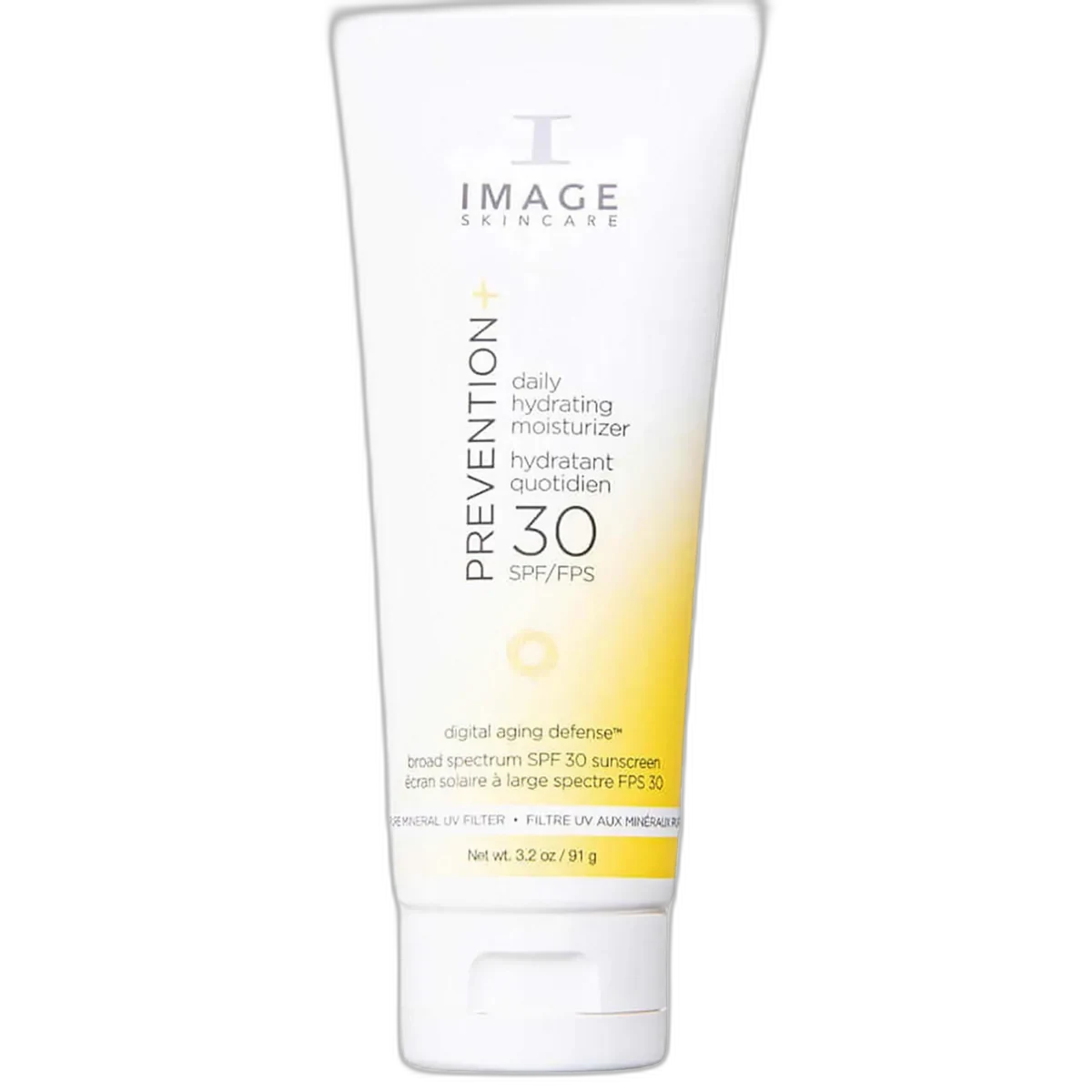
PREVENTION+ Daily Hydrating Moisturizer SPF 30
Professional Mineral SPF
 Verified reviewer
Pros & cons.
- +21% zinc oxide provides robust broad-spectrum mineral protection in a moisturizer format
- +Sophisticated antioxidant complex including ergothioneine, vitamin C, and green tea
- +Genuine hydration from glycerin, sodium hyaluronate, and shea butter eliminates extra moisturizer step
- +Generous 3.2 oz size offers good per-ounce value for the professional tier
- +Reef-safe mineral-only UV filter system
- +Allantoin and bisabolol provide soothing support for sensitized skin
- +Paraben-free and cruelty-free formulation
- −Thick, heavy texture requires significant blending and patience on application
- −Noticeable white cast, especially problematic on medium to deep skin tones
- −Citrus essential oils add sensitization risk to a daily-use facial product
- −Reformulated texture is polarizing — many longtime users prefer the original
- −Strong citrus scent may bother fragrance-sensitive users
The full review.
In 2020, Image Skincare changed its formula, pleasing scientists but upsetting many customers. They reformulated the Prevention+ Daily Hydrating Moisturizer SPF 30, increasing the zinc oxide percentage for better protection and adding Digital Aging Defense technology — an antioxidant blend targeting blue light and environmental pollution. On paper, it is an upgrade. In the jar, it is a different product.
The original Prevention+ succeeded because mineral sunscreens rarely are easy to use. It applied smoothly, felt lightweight, and fit into morning routines easily. The reformulated version has 21% zinc oxide — a high amount that provides strong real-world protection — but this concentration changes the texture. The new formula is thicker, denser, and needs more blending. Some users accept this for better protection; others dislike losing the original’s ease of use.
Ignoring the reformulation debate, what does this product do? It delivers a lot. The 21% zinc oxide provides some of the strongest mineral SPF 30 coverage in a moisturizer. Most SPF 30 products use lower zinc oxide concentrations with chemical filters or other minerals. This formula uses zinc oxide alone, so the label reflects a single, well-understood, well-tolerated UV filter with anti-inflammatory properties.
The supporting ingredients show Image Skincare’s professional background. Ergothioneine, a mushroom-derived amino acid antioxidant, is at the end of the INCI list but shows the brand’s focus on environmental protection. Research shows ergothioneine accumulates in cells with high oxidative stress, providing antioxidant activity where damage occurs. Tetrahexyldecyl ascorbate — a stable, oil-soluble vitamin C derivative — adds antioxidant defense without the instability of pure L-ascorbic acid in sun-exposed products. Green tea extract, bisabolol, and allantoin provide an anti-inflammatory and antioxidant base that exceeds most SPF moisturizers.
The hydration is real. Glycerin is the primary humectant, supported by sodium hyaluronate for moisture binding and shea butter for emollience. Sunflower seed oil provides fatty acids that support the skin barrier. For dry and normal skin types, this combination provides all-day hydration and replaces a separate moisturizer — a morning routine efficiency that justifies the two-in-one claim.
Texture is the main issue. With 21% zinc oxide in a cream base, this product requires patience. It goes on white and blends slowly. The dimethicone and cyclopentasiloxane provide some slip, but you are still working a high-concentration mineral formula into your skin. On fair skin tones, thorough blending manages the white cast. On medium to deep skin tones, the cast limits usability. This is a physical limitation of zinc oxide at this concentration, not a brand flaw. Competitors address this through encapsulation technology and improved particle size distribution.
The citrus essential oils are problematic. Orange peel oil, mandarin peel oil, and limonene provide a fresh citrus scent that some enjoy and others find overwhelming. Image Skincare positions this for daily facial use, including post-procedure skin, yet includes documented photoactive sensitizers. This is contradictory: you apply broad-spectrum sun protection while introducing compounds known to cause phototoxic reactions under UV exposure. The concentrations may be clinically insignificant for most, but this inconsistency affects the product’s professional credibility.
Value is high. At approximately $52 for 3.2 ounces, the per-ounce cost competes with other professional-grade mineral SPF moisturizers and beats many prestige brands with smaller sizes. One daily application makes the tube last three to four months. The large size also helps users apply enough product, which is critical since most people under-apply sunscreen by at least half.
Image Skincare has led professional skincare for over two decades. The Prevention line uses a daily protection philosophy developed under Dr. Marc Ronert’s surgical expertise. The reformulation is a scientific improvement: more zinc oxide, more antioxidant support, and broader environmental defense. Whether these gains outweigh the textural change is a personal choice. For those prioritizing maximum mineral protection and antioxidant support who can use a thicker formula, this is a strong professional-grade choice. For those needing cosmetic elegance, the market offers better textures.
Formula
Texture
With 21% zinc oxide in a cream base, this product requires patience. It goes on white and blends slowly. The dimethicone and cyclopentasiloxane provide some slip, but you are still working a high-concentration mineral formula into your skin. On fair skin tones, thorough blending manages the white cast. On medium to deep skin tones, the cast limits usability. This is a physical limitation of zinc oxide at this concentration, not a brand flaw. Competitors address this through encapsulation technology and improved particle size distribution.
Scent
The citrus essential oils are problematic. Orange peel oil, mandarin peel oil, and limonene provide a fresh citrus scent that some enjoy and others find overwhelming. Image Skincare positions this for daily facial use, including post-procedure skin, yet includes documented photoactive sensitizers. This is contradictory: you apply broad-spectrum sun protection while introducing compounds known to cause phototoxic reactions under UV exposure. The concentrations may be clinically insignificant for most, but this inconsistency affects the product’s professional credibility.
Best for
For those prioritizing maximum mineral protection and antioxidant support who can use a thicker formula, this is a strong professional-grade choice.
Not ideal for
For those needing cosmetic elegance from their daily SPF, the market offers better textures.
Ingredient analysis.
Full INCI list
Active: Zinc Oxide 21%. Inactive: Aqua/Water/Eau, Caprylic/Capric Triglyceride, Cyclopentasiloxane, Glycerin, Butyloctyl Salicylate, Dimethicone, Glyceryl Stearate, PEG-100 Stearate, Butyrospermum Parkii Nut Extract, Styrene/Acrylates Copolymer, Lecithin, Isostearic Acid, Polyglyceryl-3 Polyricinoleate, Polyhydroxystearic Acid, Cyclohexasiloxane, Helianthus Annuus Seed Oil, Polysilicone-31, Sorbitan Stearate, Cetyl Alcohol, Phenoxyethanol, Hea/Sodium Acryloyldimethyltaurate/Steareth-20 Methacrylate Copolymer, Citrus Aurantium Dulcis Peel Oil, Hydrolyzed Jojoba Esters, Limonene, Caprylyl Glycol, Allantoin, C13-14 Isoparaffin, Laminaria Digitata Extract, Artemisia Vulgaris Extract, Ethylhexylglycerin, Hexylene Glycol, Citrus Nobilis Peel Oil, Xanthan Gum, Bisabolol, Polysorbate 80, Tocopheryl Acetate, Camellia Sinensis Leaf Extract, Decyl Glucoside, Erythritol, Sodium Hyaluronate, Biosaccharide Gum-1, Vanilla Planifolia Fruit Extract, Glucose, Hydrolyzed Pea Protein, Pyruvic Acid, Sodium Chloride, Barosma Betulina Leaf Oil, Tetrahexyldecyl Ascorbate, Potassium Sorbate, Sodium Benzoate, Homarine Hcl, Sodium Succinate, Arabidopsis Thaliana Extract, Micrococcus Lysate, Plankton Extract, Ergothioneine
Skin match.
The science.
The Science
This formula uses 21% zinc oxide, one of only two FDA-approved mineral UV filters alongside titanium dioxide. Zinc oxide provides broad-spectrum protection by absorbing, reflecting, and scattering UVA and UVB radiation. This 21% concentration is at the high end for cosmetic sunscreens and offers a margin of real-world protection even if application falls below 2mg/cm2.
Digital Aging Defense technology uses ergothioneine, an amino acid antioxidant with emerging research on skin protection. A study in Free Radical Biology and Medicine (Cheah and Halliwell, 2012) shows ergothioneine accumulates in cells and tissues facing high oxidative stress, acting as a targeted cytoprotective agent. While topical ergothioneine research in skincare is limited, its unique cellular uptake via the OCTN1 transporter suggests more site-specific protection than general antioxidants like vitamin E.
Tetrahexyldecyl ascorbate, the vitamin C derivative here, is more stable than L-ascorbic acid in cosmetic formulations. A study in the Journal of Cosmetic Dermatology (Al-Niaimi and Chiang, 2017) reviewed vitamin C derivatives and confirmed tetrahexyldecyl ascorbate penetrates skin well and converts to active ascorbic acid intracellularly. This provides antioxidant benefits without the pH sensitivity and rapid oxidation that limit pure L-ascorbic acid in sun-exposed formulations.
Combining mineral UV filtration with layered antioxidant defense (ergothioneine + vitamin C + green tea EGCG) creates a photoprotection strategy that addresses direct UV damage and the secondary free radical cascade UV exposure triggers in skin tissue.
Dermatologist Perspective
Dermatologists often recommend mineral sunscreens with zinc oxide for sensitive, post-procedure, or reactive skin; the 21% concentration in this product meets clinical recommendations. Board-certified dermatologists note the two-in-one moisturizer-SPF format can improve patient compliance with daily sun protection, which is critical to preventing photoaging and skin cancer. The antioxidant additions (ergothioneine, vitamin C) match the dermatological view that photoprotection requires both UV filtration and free radical neutralization. However, most dermatologists would prefer this formula without the citrus essential oils, as they add sensitization risk—especially when the product is marketed for post-procedure use with a compromised skin barrier.
Where it fits in your routine.
Apply a generous amount (at least a nickel-sized dollop) to clean skin as the final step in your morning routine. Work the product into skin in sections, allowing each area to be thoroughly blended before moving on — the thick texture benefits from a methodical approach rather than trying to spread it all at once. For dry skin, apply a hydrating serum underneath first and allow it to absorb before applying this product. Can be used as a standalone moisturizer for normal and combination skin types. Reapply every two hours during prolonged sun exposure.
At $52 for 3.2 oz, this offers competitive value for professional skincare. The per-ounce cost is lower than many prestige mineral SPF products, and the large size lasts 3-4 months with daily use. The ingredient list — ergothioneine, stable vitamin C, sodium hyaluronate, and multiple antioxidant botanicals — justifies the premium over basic drugstore mineral SPFs. Image Skincare's 20+ year professional track record and medical direction add credibility. Value drops when compared to newer mineral SPF moisturizers that offer similar protection and better cosmetic elegance at comparable or lower prices.
This is for anyone seeking a hydrating mineral SPF moisturizer with strong protection and antioxidant support. It works for dry to normal skin types wanting a one-step moisturizer-SPF combination, and for professional skincare clients needing a clinical-grade daily protector. The 21% formulation suits those who prioritize high zinc oxide concentrations for maximum mineral coverage.
Medium to deep skin tones may see a white cast at this zinc oxide concentration. Avoid this formula if you are sensitive to citrus essential oils or fragrance. The thick texture does not suit those who prefer lightweight, invisible-finish sunscreens. Better options exist for those seeking a fragrance-free mineral SPF.
Product details.
Orange and mandarin peel oils create a noticeable citrus scent — not fragrance-free.
3. 2 oz tube uses Image Skincare's Prevention line branding. This size provides ample volume for a professional-grade SPF moisturizer. Finish satindewy
The cream feels thick on first application and needs more blending than most moisturizers. Let it settle for 2-3 minutes; the initial heaviness becomes a comfortable, hydrated finish. It leaves a white cast, especially on darker skin tones. The citrus scent is immediate but fades within minutes.
3-4 months with once-daily face and neck application
12 months
All Year
The backstory.
Image Skincare's Prevention line has been a cornerstone of the brand's professional skincare offering, designed for estheticians to recommend as the daily protection step in post-treatment regimens. The formula was significantly reformulated in 2020 to increase the zinc oxide percentage for stronger protection and add Digital Aging Defense technology targeting blue light and pollution. The reformulation improved the protective profile but created a polarizing texture change that divided longtime users.
About Image Skincare
Established Brand (5–20 years)Image Skincare was founded in 2003 by aesthetician Janna Ronert and board-certified plastic surgeon Dr. Marc Ronert. The brand is the #1 professional skincare brand in the global spa and salon category, with formulations developed under medical direction and sold primarily through licensed skincare professionals.
Common myths.
Mineral sunscreens with high zinc oxide always leave a white cast.
The 21% zinc oxide in this product leaves a white cast. This is a common trade-off at high concentrations, but newer zinc oxide dispersion technologies work better now. Skin tone, application amount, and blending technique determine the white cast level. The dimethicone in this formula helps with slip and blending, though results vary.
A combined moisturizer-SPF does not provide enough sun protection.
With 21% zinc oxide, this product provides broad-spectrum mineral protection. Application amount matters—most people use less SPF moisturizer than standalone sunscreens. Use a full nickel-sized amount on the face to ensure coverage, whether it is labeled a moisturizer or a sunscreen.
FAQ.
Can I use this as my only moisturizer?
This product hydrates normal to combination skin enough to act as both moisturizer and sunscreen in one step. The formula uses glycerin, shea butter, sunflower oil, and sodium hyaluronate for multi-source hydration. Dry skin types can layer a hydrating serum underneath for extra moisture.
Is this sunscreen reef safe?
Yes — this formula uses zinc oxide as its only UV filter, making it reef-safe. It lacks oxybenzone or octinoxate, the chemical filters most linked to coral reef damage.
Why was the formula changed?
Image Skincare reformulated the Prevention+ line in 2020. They increased the zinc oxide percentage for stronger SPF coverage and added Digital Aging Defense technology to target blue light and environmental pollution. The updated formula offers better protection but has a thicker texture than the original version.
Is this safe for post-procedure skin?
Zinc oxide mineral sunscreens are the standard for post-procedure skin because zinc oxide stays on the surface instead of penetrating compromised skin. This formula contains citrus essential oils that irritate freshly treated skin. Ask your esthetician or dermatologist about timing and if the essential oil content works for your specific procedure recovery.
What the community says.
"Combines moisturizer and SPF in one convenient step"
"Hydrating formula works well for dry and normal skin"
"High zinc oxide percentage provides reliable mineral protection"
"Professional-grade formula with antioxidant support"
"Reformulated version is thicker and harder to blend than the original"
"Can leave a noticeable white cast, especially on deeper skin tones"
"Contains citrus essential oils that add fragrance and sensitization risk"
"Strong citrus scent bothers some users"
People also looked at.