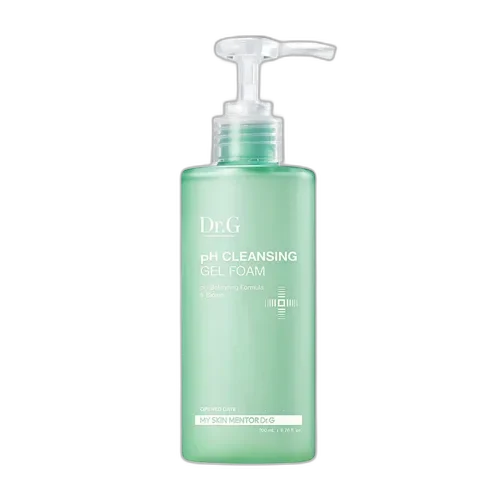
pH Cleansing Gel Foam
Barrier-Friendly Daily
 Verified reviewer
Pros & cons.
- +Weakly acidic pH aligns with healthy skin and protects the acid mantle
- +Mild amino-acid surfactants clean without stripping
- +High glycerin content leaves skin feeling hydrated after rinsing
- +Fragrance-free, alcohol-free, sulfate-free formula
- +Postbiotic ferments support microbiome during cleansing
- +Unsaponifiable plant oils add lipid support rare in gel cleansers
- +Suitable for twice-daily use on most skin types
- −Not enough on its own for waterproof makeup or heavy SPF
- −Foam is softer than sulfate cleansers, which some users miss
- −Contains plant oils that may not suit strict fungal-acne protocols
- −Packaging tube lacks a pump for bathroom convenience
The full review.
The ordinary gel cleanser is the most-ignored step in any routine, which is strange when you think about it — it’s the only product you apply twice a day and immediately wash off, and the only product capable of undoing the work of every serum, moisturizer, and treatment layered on top of it. A stripping cleanser is how otherwise perfectly good routines quietly collapse. Dr.G’s pH Cleansing Gel Foam exists because someone inside the brand clearly understood this, and built a cleanser around the premise that the best thing it can do is not get in the way. The surfactant system is the star architectural decision. The primary cleansing agents are disodium cocoyl glutamate and disodium cocoamphodiacetate, two amino-acid-derived surfactants that fall into the ‘gentle’ category on every irritation scale, plus coco-betaine as a secondary foamer. There are no sulfates, no soap-based surfactants, no harsh alkaline builders. The formula is weakly acidic — around pH 5.5 — which matches the skin’s natural acid mantle. This is the entire point of the product, and it’s the reason it earns its name. The second ingredient in the formula is glycerin, at what appears to be a high concentration for a rinse-off product. This is the humectant load that prevents the squeaky, stripped feel most foaming cleansers leave behind. Skin typically feels clean and comfortable immediately after rinsing, not dry and tight. It’s a small detail that matters enormously for anyone with dry or dehydrated skin. Where Dr.G goes beyond the standard gentle-cleanser playbook is in the postbiotic inclusion. Bifida ferment lysate, Lactobacillus, Leuconostoc/radish root ferment filtrate, and Streptococcus thermophilus ferment all appear in the formula, which is unusual in a rinse-off product since most brands reserve these relatively expensive ingredients for leave-on serums and moisturizers. The functional argument is reasonable: fermented postbiotics leave behind small residues that interact with the stratum corneum, and the metabolites themselves have documented microbiome-friendly effects. It’s not as impactful as a postbiotic serum would be, but it’s not theater either. The formula also includes small amounts of unsaponifiable oils — olive, soybean, wheat germ — which add barrier-supporting lipid fractions to a gel cleanser that might otherwise feel too waterlike. This is a subtle touch that rounds out the ‘gentle’ story without turning the product into a cream cleanser. Performance-wise, this is a classic second-cleanse. It handles water-based sunscreens, light makeup, and daily sebum and debris well. It will not cut through waterproof mascara or heavy foundation on its own — you’ll need an oil cleanser or balm first if you wear those. It’s not the foamiest cleanser on the shelf, which sometimes catches people off guard if they’re used to sulfate-heavy products, but the soft creamy lather is the correct output for this class of surfactant. For anyone with sensitive skin, rosacea, eczema-prone tendencies, or a history of reactivity, this is the kind of cleanser your routine probably needs more than another serum.
Ingredient analysis.
Full INCI list · pH 5.5
Water, Glycerine, Disodium Cocoamphodiacetate, Disodium Cocoyl Glutamate, Sodium Chloride, Hydroxypropyl Starch Phosphate, Citric Acid, Acrylates/C10-30 Alkyl Acrylate Crosspolymer, Caprylyl Glycol, Coco-Betaine, 1,2-Hexanediol, Sodium Methyl Oleoyl Taurate, Glyceryl Caprylate, Coco-Glucoside, Disodium EDTA, Butylene Glycol, Leuconostoc/Radish Root Ferment Filtrate, Lactobacillus, Fructooligosaccharides, Polyglyceryl-10 Oleate, Bifida Ferment Lysate, Streptococcus Thermophilus Ferment, Hydrogenated Lecithin, Olea Europaea (Olive) Oil Unsaponifiables, Glycine Soja (Soybean) Oil Unsaponifiables, Triticum Vulgare (Wheat) Germ Oil Unsaponifiables, Pollen Extract
Skin match.
The science.
The Science
The cleansing science relies on a known fact: skin's natural pH is mildly acidic at 4.5-6. Cleansers with a much higher pH (soap-based formulas often hit pH 9-10) disrupt the acid mantle, lower commensal microbial activity, and temporarily compromise barrier function. Dermatology literature shows low-pH cleanser use reduces transepidermal water loss and speeds barrier recovery compared to alkaline cleansers. The amino-acid surfactants in this product — disodium cocoyl glutamate and related glutamates — come from coconut fatty acids and glutamic acid. They show lower irritation scores than traditional sulfate surfactants in standardized patch and wash tests. They clean effectively by reducing surface tension between water and skin lipids, but at a less aggressive threshold. The postbiotic ingredients — Bifida ferment lysate, Lactobacillus, and similar ferments — represent a newer area of skincare science. Small studies suggest topical probiotic lysates support stratum corneum function, reduce inflammatory markers, and interact positively with commensal skin microbes. The evidence base is emerging, and the effect size in a rinse-off product is smaller than in a leave-on formula, but the inclusion is mechanistically plausible rather than marketing theater. Glycerin's role as a humectant is one of the most established in cosmetic science: it draws water into the stratum corneum and buffers the mild dehydration that even gentle surfactants can cause.
Dermatologist Perspective
Dermatologists routinely recommend weakly acidic, sulfate-free cleansers for patients with sensitive skin, rosacea, eczema, and compromised barrier function. Clinicians note that cleanser selection is often the most impactful change in a barrier-recovery protocol, as it is the only step in direct, sustained contact with skin lipids and microbiome. Dermatologists steer patients away from soap-based and high-pH cleansers, which disrupt the acid mantle and cause persistent dryness and reactivity. Fragrance-free and alcohol-free formulas like this one follow standard dermatology guidance for reactive populations. The inclusion of postbiotic ingredients reflects growing clinical interest in microbiome-friendly skincare; while the evidence base is still developing, dermatologists generally view these ingredients as a low-risk addition to an otherwise well-formulated cleanser.
Where it fits in your routine.
Wet your face with lukewarm water. Put a small amount (roughly a dime-sized) into wet hands. Lather between palms until the gel becomes a soft, creamy foam. Massage the face in gentle circular motions for 30-60 seconds, focusing on areas like the T-zone where sebum builds up. Rinse well with lukewarm water. Use this in the evening as the second step after an oil cleanser to remove makeup and sunscreen. Avoid hot water; it strips the skin regardless of how gentle the cleanser is.
At about $18 for 200ml, this daily cleanser is well-priced compared to Korean dermatology brands and Western barrier-focused equivalents. One 200ml tube lasts roughly three months using it twice daily, making the monthly cost around $6. This is strong value for a cleanser with postbiotics, amino-acid surfactants, meaningful glycerin, and pH balance. Korean retailers occasionally sell larger sizes at slightly better per-unit pricing for bulk buyers.
This cleanser works for sensitive skin, dryness, or a compromised barrier. It does not disrupt the routine built on top of it. It is a strong choice for rosacea-prone users, those finishing acne medication, or anyone switching from stripping drugstore cleansers.
This cleanser works best in a double-cleanse routine. Users needing a single-step cleanser for waterproof makeup and heavy sunscreen may find it insufficient. Strict fungal-acne protocols may also avoid the plant oil components, even in trace amounts.
Product details.
Clear viscous gel foams into a light, creamy lather when massaged with water
Neutral, essentially odorless
Standard squeeze tube
The first use feels gentler than most foaming cleansers. The lather is softer and skin feels comfortable, not tight, after rinsing. Users switching from stripping soap-based cleansers often say during the first week, "my skin stopped feeling punished."
About 3 months with twice-daily use
12 months
All Year
The backstory.
Dr.G built this cleanser around the then-emerging Korean dermatology conversation about pH-balanced cleansing and microbiome preservation. It's part of a broader brand pattern of reformulating basic skincare categories around barrier-first principles, and has been a consistent seller in the brand's catalog.
About Dr.G
Established Brand (5–20 years)Dr.G has been a dermatologist-developed Korean brand since 2003. It focuses on low-irritant, pH-balanced formulations for sensitive and reactive skin. Korean dermatology channels widely distribute the brand.
Common myths.
Low-pH cleansers don't clean as effectively as regular cleansers.
Surfactants determine cleansing effectiveness, not pH. This formula removes daily grime, sunscreen residue, and light makeup while keeping the skin's acid mantle intact.
Probiotic ingredients in a rinse-off product are pointless.
Some postbiotic lysates leave small residues that interact with the stratum corneum. Microbial fermentation byproducts have documented barrier-supporting effects. This contribution is smaller than in a leave-on product, but not zero.
FAQ.
What is the pH of Dr.G pH Cleansing Gel Foam?
The formula has a weak acidity, usually around pH 5.5, matching healthy skin's natural pH. This prevents the barrier disruption caused by soap-based or high-pH cleansers.
Is this cleanser good for sensitive skin?
Yes — it is fragrance-free, alcohol-free, and sulfate-free. It uses mild amino-acid surfactants for reactive skin. Bifida and Lactobacillus ferments support compromised or irritated skin.
Can it remove makeup and sunscreen?
It removes light makeup and water-based sunscreen but fails to fully clear waterproof mascara, heavy foundation, or water-resistant physical sunscreens. Use an oil cleanser or balm first for a proper double cleanse if you wear those.
Does it foam?
It creates a light, soft, creamy lather, unlike the dense, fluffy foam of sulfate cleansers. This milder foam is a feature, not a bug: heavy foam usually indicates stripping surfactants.
Is it suitable for fungal acne?
The formula contains plant oils and fatty components that feed malassezia in sensitive cases, so it is not strictly fungal-acne safe. If you manage fungal acne, patch test before use.
How often should I use it?
Most skin types can use this twice daily. Very dry or reactive skin may prefer rinsing with water in the morning and using this cleanser only at night.
Does it dry out the skin?
No — glycerin is the second ingredient. Skin feels hydrated and comfortable immediately after rinsing, not tight or squeaky.
What the community says.
"Non-stripping feel"
"Good for sensitive skin"
"Doesn't leave residue"
"Fragrance-free"
"Not the foamiest option"
"Doesn't cut heavy sunscreen on its own"
"Requires a first cleanse for waterproof makeup"
People also looked at.