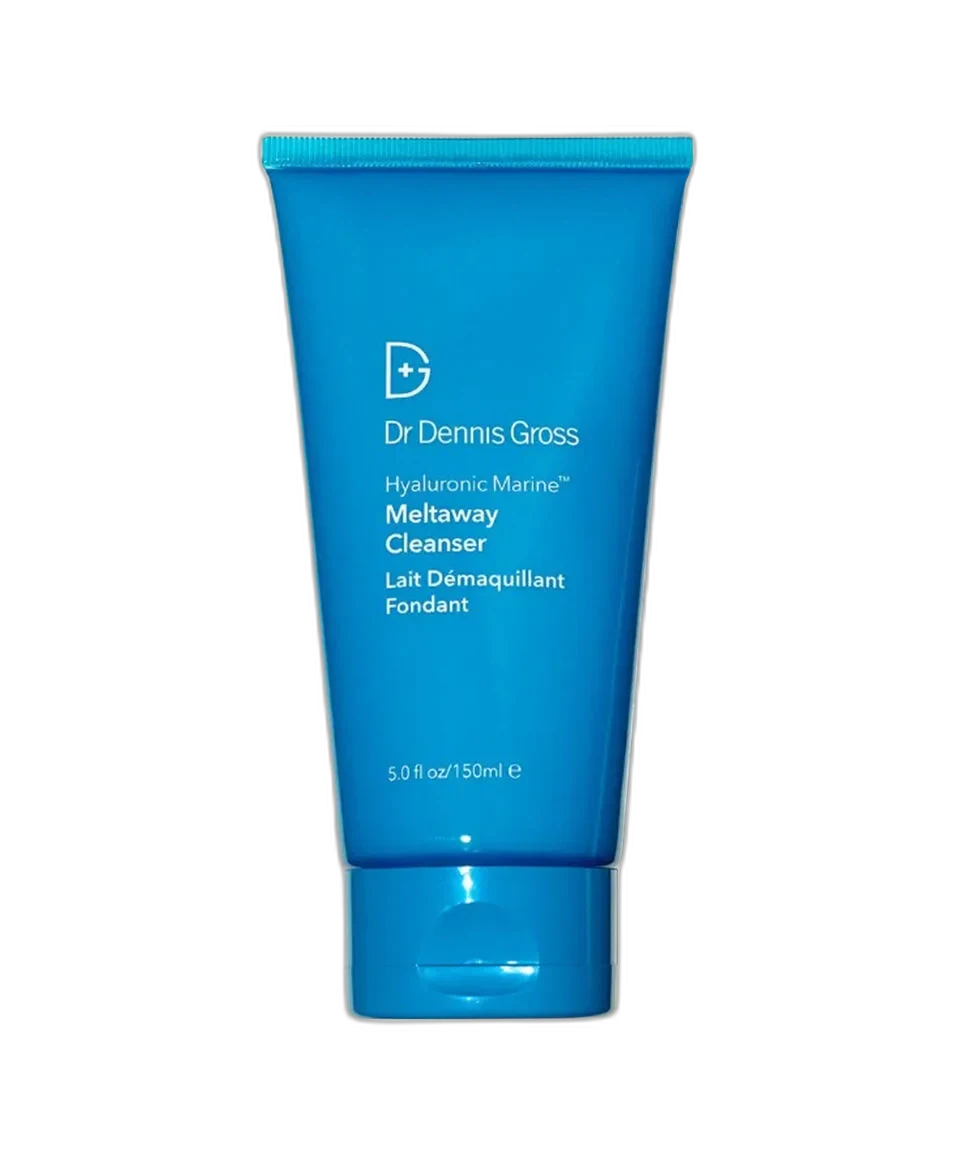
Hyaluronic Marine Meltaway Cleanser
Winter Skin Savior
 Verified reviewer
Pros & cons.
- +Leaves skin notably softer and less tight than typical cleansers
- +Hydrating humectant base including real niacinamide and panthenol
- +Squalane-driven texture dissolves SPF and daily makeup effectively
- +Fragrance-free and gentle enough for post-peel or sensitized skin
- +Rinses cleanly with no greasy residue despite the cream base
- +Pairs cleanly with the brand's acid pads without compounding irritation
- −Pricey compared to pharmacy cream cleansers with similar function
- −Not fungal-acne safe due to cetearyl alcohol and fatty esters
- −Won't fully remove heavy waterproof mascara in a single step
- −Pump can over-dispense, wasting product
- −Single size only — no larger value format
The full review.
Cream cleansers are like quiet party guests—easy to overlook, but memorable once you use one. The Hyaluronic Marine Meltaway Cleanser is the quietest product in the Dr. Gross lineup, often overshadowed by acid pads and gadgets, yet it is likely what most Dr. Gross customers actually need. Here is why.
The Alpha Beta peel pads work well but are easy to overuse. Every month, many Dr. Gross customers end up with a barrier that feels sensitive, stripped, tight, or prone to flaking after cold morning runs. Standard advice says ‘switch to a gentler cleanser,’ but ‘gentle cleanser’ often means poor cleansing. The Hyaluronic Marine Meltaway Cleanser solves this. It is the first step for people using actives who need a cleanser that does not undo the work of their hydrators.
Texture
The texture matches the name. It starts as a thick white cream and turns into a warm milk upon contact with water—emulsifying, softening, and sliding over the skin without the drag of a heavy balm. It does not foam traditionally; instead, it forms a light creamy veil and rinses off without residue. It removes sunscreen and light makeup thoroughly. It does not remove heavy waterproof mascara, so you will need a dedicated first-cleanse oil or balm if you wear it. Using this as a second cleanse or on non-makeup days is the intended use case.
Works for
The ingredients drive the performance. Glycerin is near the top of the INCI, followed by the fatty alcohol and emulsifier system, then a significant amount of squalane. This squalane dissolves product rather than just wiping it. Other ingredients include sodium hyaluronate, algae extract, niacinamide, panthenol, allantoin, and aloe. While these are not at treatment concentrations, they collectively make the skin feel calmer and less tight than after using a surfactant-heavy gel. It follows the same philosophy as the Hydration Booster serum: multiple humectants and barrier support instead of one headline ingredient.
Not ideal for
The limitations are clear. The cetearyl alcohol and fatty acid esters mean this is not fungal-acne-safe. If you have Malassezia folliculitis, look elsewhere. At around forty-two dollars for five ounces, it costs as much as a treatment product, and a bottle lasts only a few months if you cleanse twice daily. CeraVe or Eucerin offer solid cream cleansers for half the price; if your skin is not reactive and you do not use aggressive actives, those cheaper options work. This product justifies its premium for users in the intersection of ‘using acid-heavy routines’ and ‘needing a cleanser that does not fight the routine.’ It is hard to match for that user.
Common Praise
Small details matter. The pump dispenser provides a consistent amount, though two half-pumps are usually enough. The scent is neutral, with only a faint marine note from the algae, avoiding the ‘grandma’s lotion’ smell common in this category. The fragrance-free, alcohol-free, silicone-free profile layers well with any routine, and the neutral pH will not destabilize subsequent steps. If you use the brand’s vitamin C or retinol products in the morning, this is the best first step.
Best for
The bottom line: normal, resilient skin does not need this. It is very useful for sensitized barriers, winter climates, post-peel days, or users already using Dr. Gross actives who want a matching cleanser. It is a thoughtful product, even if it is not cheap.
Ingredient analysis.
Full INCI list · pH 6
Water/Aqua/Eau, Glycerin, Cetearyl Alcohol, C12-15 Alkyl Benzoate, Glyceryl Stearate SE, Propanediol, Squalane, PEG-100 Stearate, Polysorbate 20, Caprylic/Capric Triglyceride, Cetearyl Glucoside, Sodium Hyaluronate, Algae Extract, Niacinamide, Panthenol, Allantoin, Sodium PCA, Aloe Barbadensis Leaf Juice, Tocopheryl Acetate, Phenoxyethanol, Ethylhexylglycerin, Disodium EDTA, Citric Acid
Skin match.
The science.
The Science
This formulation uses a hydrating cream cleanser strategy, adding a humectant-and-barrier-support stack to basic cleansing. These cream cleansers use non-ionic surfactants and emulsifiers instead of harsh sulfates. This reduces the post-wash transepidermal water loss common with sodium laureth sulfate-based foaming cleansers. Research shows squalane works as a cosmetic emollient because it acts as a solvent for sebum and topical products and matches the skin's sebum composition. This makes it a well-tolerated oil in leave-on and short-contact formulations. A key question for cleansers is whether low-residence-time ingredients like sodium hyaluronate, niacinamide, and panthenol deposit meaningfully during brief contact. Formulation chemistry shows that in emulsified cream systems with glycerin and fatty alcohols, partial deposition occurs. You do not get a treatment dose, but comparative trials of humectant-enriched versus standard cleansers show measurable post-cleanse hydration improvements. Panthenol's soothing action is well-documented even at low concentrations and short contact because the skin absorbs it and converts it to pantothenic acid at the surface. The algae extract is the least substantiated ingredient; brown algae polysaccharides act as water-binding agents, but at rinse-off concentrations, they likely affect texture and marketing more than efficacy. The science shows this is a well-designed cleanser for sensitized or dehydrated skin where surfactant strength and post-wash tightness are the enemy, not a treatment step.
Dermatologist Perspective
Dermatologists often recommend non-foaming, cream-based cleansers for patients with dry, sensitive, eczema-prone, or post-procedure skin because they disrupt the stratum corneum and increase transepidermal water loss less. Board-certified dermatologists note that cleanser choice is an underrated variable in routines using chemical exfoliants or retinoids—an aggressive cleanser can undo the barrier support the rest of the routine builds. This formula's mix of gentle surfactants with niacinamide, panthenol, and humectants aligns with typical prescriptions for those patients. Dermatologists emphasize, however, that effective cream cleansers exist at drugstore price points with similar mechanisms, so the premium is largely brand-driven.
Where it fits in your routine.
Apply one to two half-pumps to damp or dry skin. Massage for 30-60 seconds, focusing on areas where sunscreen or makeup lingers. The cream emulsifies into a milky lotion during massage. Rinse with lukewarm water until fully removed; skin should not feel squeaky. Use toner, serum, and moisturizer as usual afterward. On heavy makeup days, use an oil or balm first cleanse, then use this as the second cleanse. Use in the morning and evening; use once daily if any routine step dries your skin.
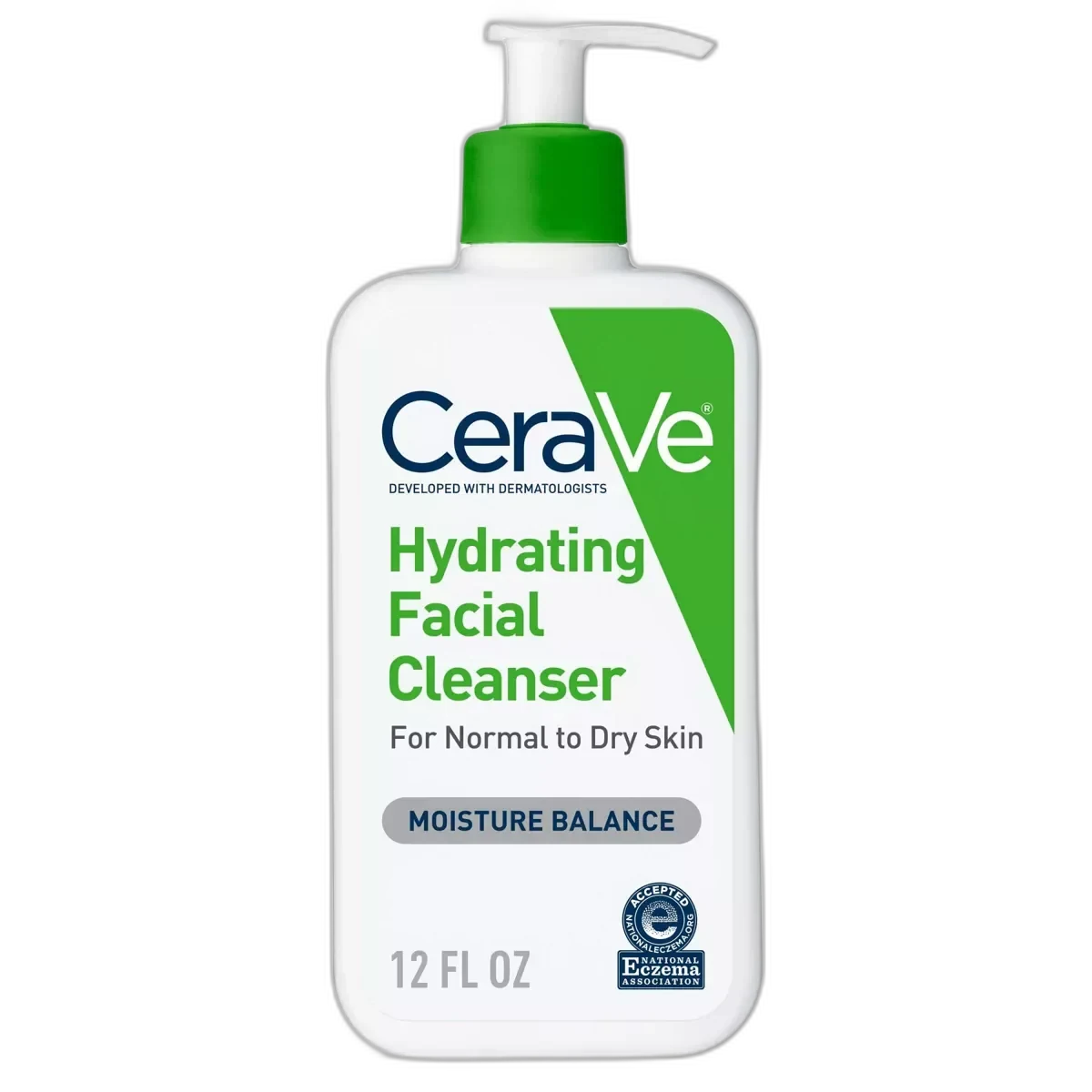
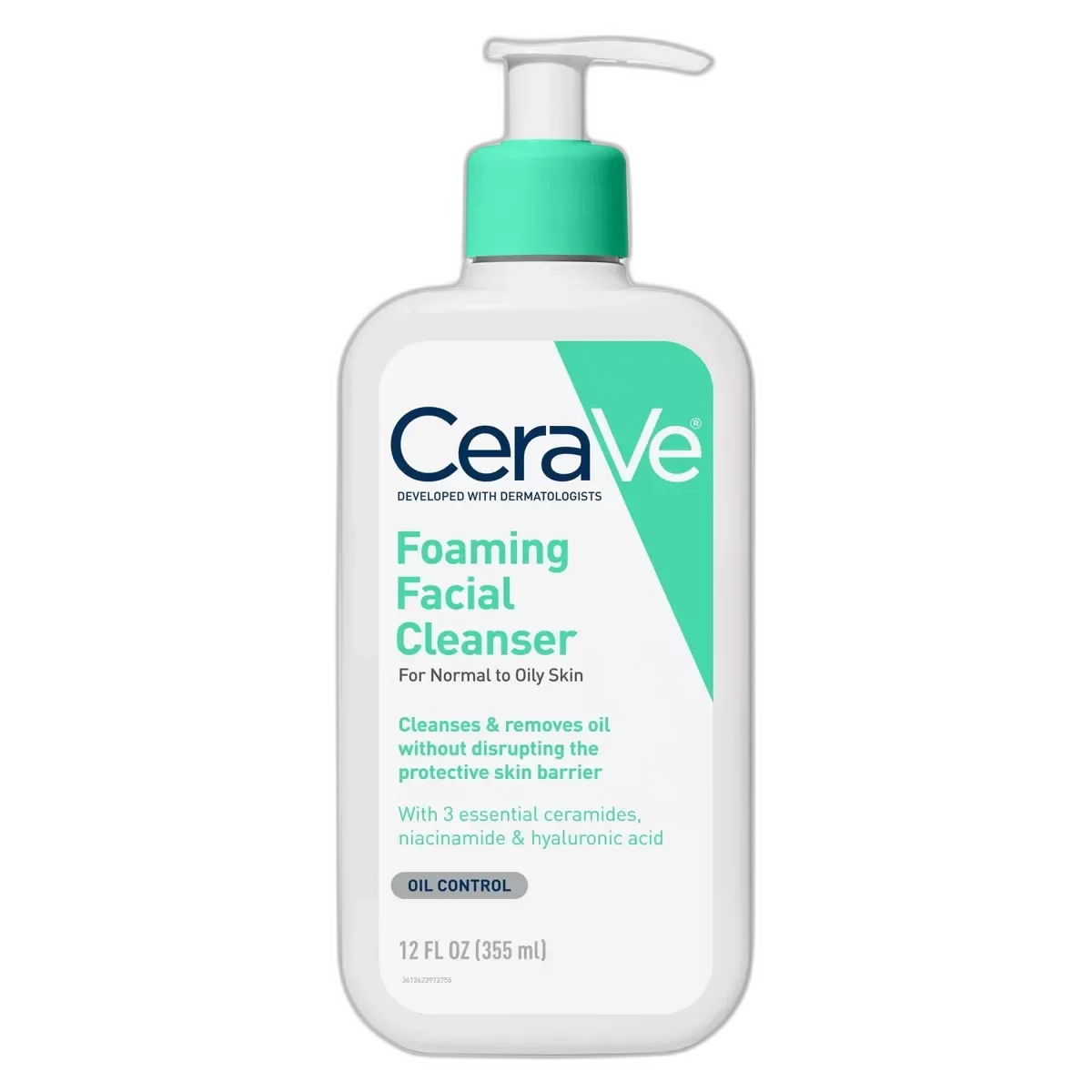
At about $42 for 150 ml, this cleanser costs roughly two to three times more than comparable cream cleansers at pharmacy or drugstore tiers. CeraVe, Eucerin, and La Roche-Posay offer cream cleansers with the same non-ionic surfactant base and similar humectant inclusions for $15-20. This product adds a fine-tuned hero ingredient stack, a non-greasy meltaway texture, and ecosystem fit with the rest of the Dr. Gross line. The premium is reasonable if you use the brand's actives and want cleanser cohesion. Cheaper alternatives do most of the same job if you shop for a cleanser in isolation. Only one size is sold, so there is no value-format discount for committed users.
Dry, sensitive, or sensitized skin types that feel tight after most cleansers; Dr. Gross acid pads or strong active users who need a cleanser that won't worsen barrier disruption; anyone wanting a hydrating non-foaming cleanser that reliably removes daily SPF and makeup.
Fungal-acne sufferers, oily and acne-prone skin types who want a foaming or gel cleanser, heavy makeup wearers who cleanse once, and budget-conscious shoppers — most of these benefits cost pharmacy prices.
Product details.
Thick white cream that melts into a milky oil on contact with water
Fragrance-free, very faint marine note
Opaque pump bottle
The first wash feels more hydrating than a typical foaming face cleanser — skin feels less tight. No tingling or purging occurs.
About 3-4 months with once or twice-daily use
12 months
All Year
The backstory.
Introduced as a morning cleanser companion to the Alpha Beta Universal Daily Peel, designed for users whose skin had been sensitized by regular acid exfoliation and needed a gentler first step that wouldn't strip the barrier further.
About Dr. Dennis Gross Skincare
Established Brand (5–20 years)Dr. Dennis Gross Skincare launched in 2000, founded by board-certified New York dermatologist Dr. Dennis Gross. The brand's Alpha Beta peel pads define their category, and clinical experience in practice informs all formulations.
Common myths.
Hyaluronic acid in a cleanser is pointless because it rinses off
The cetearyl alcohol and glycerin cream base leaves a meaningful fraction of the HA on the skin before rinsing. This is not a treatment product, but it improves post-cleanse hydration more than plain surfactant cleansers.
Cream cleansers don't really clean
The non-ionic surfactants and squalane remove daily sunscreen, makeup, and oil. You still need a dedicated first cleanse for heavy waterproof mascara.
FAQ.
Is this cleanser good for sensitive skin?
Yes — it is fragrance-free, alcohol-free, and uses panthenol, allantoin, and aloe with a humectant base. This makes it one of the gentler options in the Dr. Gross range.
Will it remove makeup and SPF?
Squalane and non-ionic surfactants remove daily sunscreen and regular makeup thoroughly. Use a dedicated oil-based first cleanse for heavy waterproof mascara or long-wear foundation.
Is it safe for fungal acne?
No — cetearyl alcohol and fatty acid esters may feed Malassezia. If you manage fungal acne, use the brand's pH-balanced Alpha Beta cleanser instead.
Can I use it twice a day?
This formula is mild enough for morning and evening use. Many people use water or a micellar rinse in the morning and save this for evening, but both approaches work.
Is this a good post-peel cleanser?
Yes. The niacinamide, panthenol and humectant load make it an ideal follow-up to the Alpha Beta Peel Pads or in-office procedures, when the barrier is more easily stripped by harsher cleansers.
Does it contain fragrance or essential oils?
No — it is fragrance-free. The algae extract provides a faint marine scent, not added perfume or essential oils.
Community
What the community says.
"Leaves skin soft not squeaky"
"Removes sunscreen without stinging eyes"
"Pleasant creamy texture"
"Good for winter skin"
"Pricey for a cleanser"
"Doesn't fully remove heavy mascara"
"Pump can dispense too much"
People also looked at.