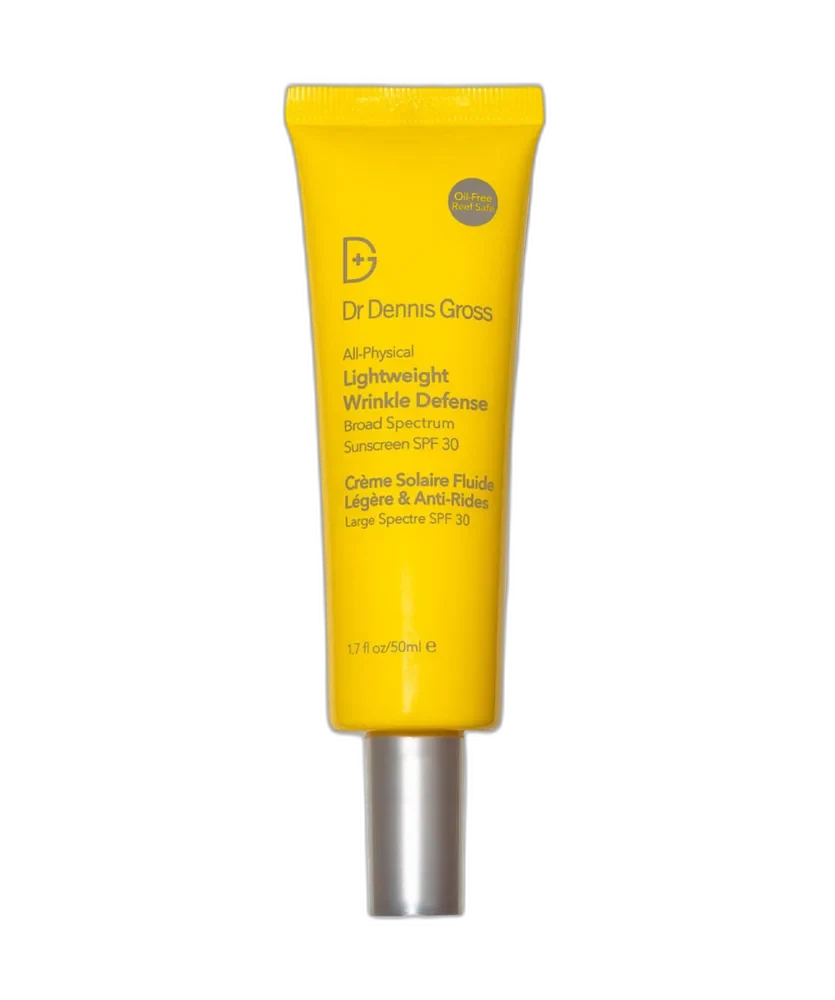
All-Physical Lightweight Wrinkle Defense SPF 30
Derm-Grade Mineral SPF
 Verified reviewer
Pros & cons.
- +19% zinc oxide for serious broad-spectrum protection
- +Lightweight lotion texture with minimal white cast on most tones
- +Iron oxides add visible-light protection relevant for melasma
- +Niacinamide, ectoin, and CoQ10 add meaningful antioxidant support
- +Fragrance-free and comfortable for sensitive and reactive skin
- +Vegan, cruelty-free, and reef-safer than chemical SPFs
- +Layers well under makeup
- −Expensive at $46 for 50ml
- −Slight tint may not match very deep skin tones perfectly
- −Requires a thorough shake and even application
- −Not waterproof enough for heavy swimming or sports without reapplication
The full review.
For most of the history of mineral sunscreens, there was an unspoken tax: the higher the zinc oxide percentage, the whiter your face looked. Consumers were asked to choose between real UV protection and looking like they had smeared drywall on their faces, and for years the compromise products all landed somewhere unsatisfying in the middle. What changed — and the reason Dr. Dennis Gross’s All-Physical Lightweight Wrinkle Defense SPF 30 exists in something close to its current form — is that the dispersion technology behind zinc oxide got meaningfully better. Modern mineral sunscreens can load 19% zinc oxide, as this one does, and still spread as a lightweight lotion that settles into an almost invisible finish. This sunscreen is one of the better examples of that shift.
The formulation choice to lean on iron oxides alongside the zinc is what moves it from merely “less white” to genuinely wearable on a range of skin tones. Iron oxides neutralize the cool white residue that untinted zinc oxide inevitably casts, and they also add a small but meaningful layer of visible-light protection, which has become relevant as dermatology research increasingly documents the role of high-energy visible light in melasma and post-inflammatory hyperpigmentation. For anyone dealing with pigmentation concerns — especially patients being treated for melasma — a sunscreen that offers both UV and visible-light protection in a format elegant enough to wear daily is unusual, and this is one of them.
What makes the formula feel more like a treatment than a shield is the supporting cast. Niacinamide is present at what looks like a functional level, and its role here is straightforward: it strengthens the barrier, modulates pigmentation, and pairs well with the zinc oxide in both anti-inflammatory and photoprotective senses. Ectoin is the more interesting inclusion. It’s an extremolyte — a small organic molecule produced by halophilic bacteria — that’s been studied for its ability to protect cellular structures from environmental stressors, including UV. Coenzyme Q10, fat-soluble and mitochondrial-friendly, adds an antioxidant buffer against any free radicals that get through the sunscreen layer. Bisabolol, the chamomile-derived anti-inflammatory, keeps the high zinc content from feeling heavy on reactive skin. Panthenol, hyaluronic acid, and vitamin E round out the comfort and hydration layer.
On application, the sunscreen behaves nothing like traditional 19% zinc formulas. It pumps out as a light cream with a soft, slightly silky texture, spreads easily over a moisturizer, and settles into a satin finish within a few minutes. On most skin tones the slight warm tint from the iron oxides disappears almost completely, though very deep complexions may still notice a faint cast that’s worth testing before committing to a full-size bottle. The finish doesn’t pill under foundation or tinted moisturizer, which matters for the people who apply sunscreen over a full skincare routine. There’s a slight warming sensation as it sets — something some users notice and others don’t — and no stinging around the eyes, which is worth mentioning because several mineral sunscreens at this price point still fail that test.
Daily use is where the formula earns its “wrinkle defense” name. The sun protection is the foundation, but the antioxidant and barrier-support layer adds a cumulative benefit over months of consistent use that you can genuinely see over a year. Skin looks less reactive, pigmentation patterns hold steadier, and the texture benefit from the niacinamide shows up quietly in the background. This isn’t a product that promises dramatic change in two weeks, but it also isn’t supposed to — a well-formulated SPF doing this kind of work every day for a year is how photoaging gets slowed down in practice.
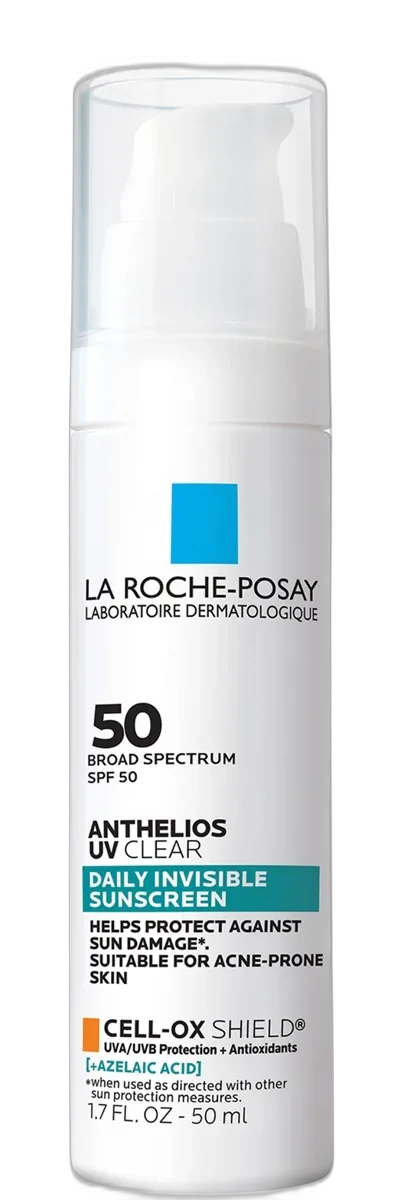
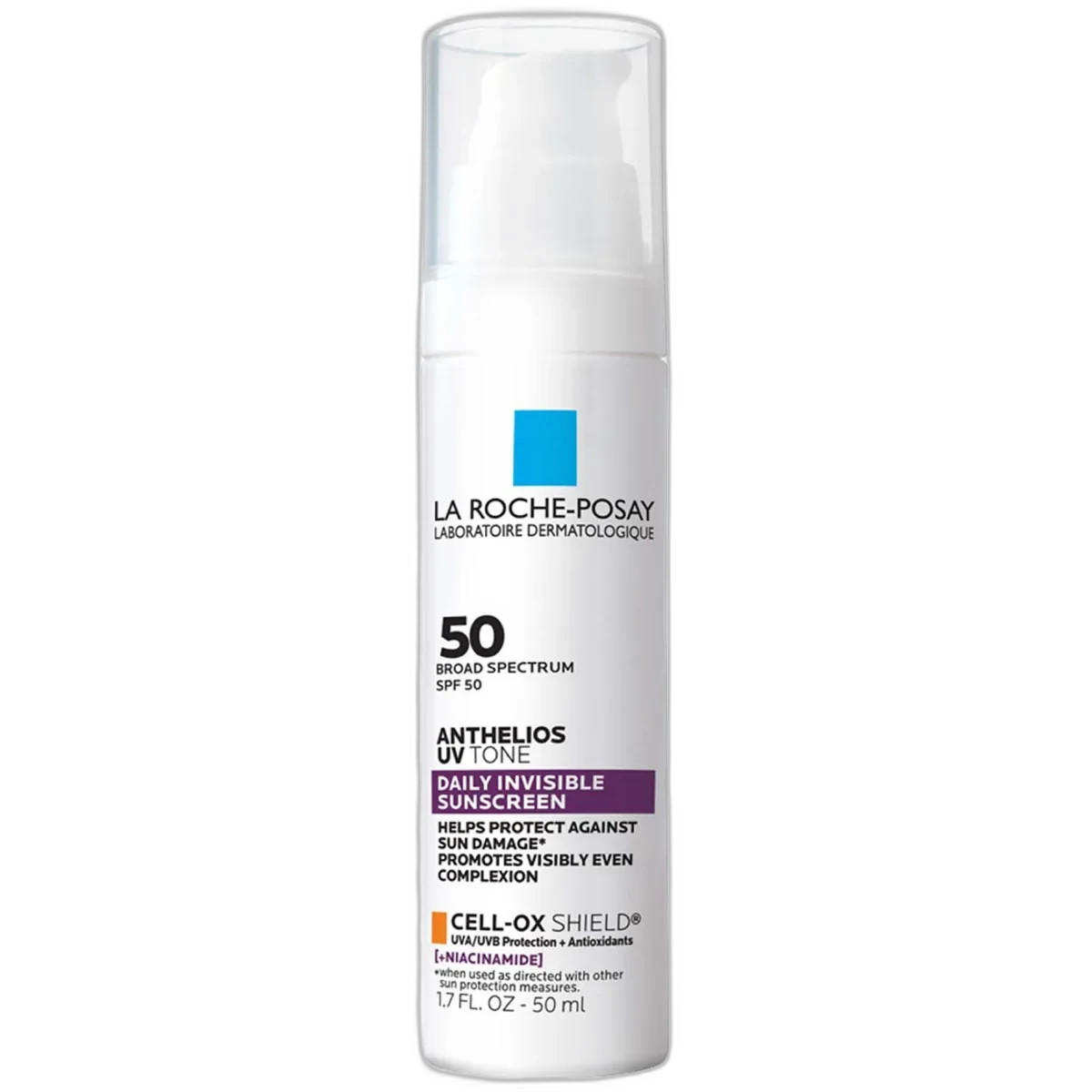
The price is where the conversation gets honest. At $46 for 1.7 ounces, this lands in prestige territory — not quite luxury, but above most drugstore mineral SPFs by a margin that’s hard to ignore. CeraVe, La Roche-Posay, and EltaMD all offer mineral or mineral-forward sunscreens that cost meaningfully less and also deliver serious protection. What you’re paying extra for here is the specific elegance of the finish, the supporting antioxidant cocktail, and the dermatology-brand pedigree. Whether that’s worth the premium depends on whether you’ll actually wear a sunscreen every single day — because the best SPF is always the one you reach for without flinching, and if this is the texture that makes you stop skipping sunscreen on the “I’m only going to be inside today” days, the math changes.
For sensitive skin, post-procedure skin, or anyone whose daily routine pushes toward the treatment-oriented end of the spectrum, this is one of the better all-mineral SPFs currently available. For price-conscious routines, it’s worth knowing that cheaper options can cover the basics of UV protection — the question is whether the treatment dimensions here justify the upgrade.
Formula
Ingredient analysis.
Full INCI list
Active: Zinc Oxide 19%. Inactive: Water, C12-15 Alkyl Benzoate, Isododecane, Caprylic/Capric Triglyceride, Polyglyceryl-3 Polyricinoleate, Niacinamide, Butyloctyl Salicylate, Polyhydroxystearic Acid, Glycerin, Cetyl PEG/PPG-10/1 Dimethicone, Tocopheryl Acetate, Bisabolol, Allantoin, Ectoin, Coenzyme Q10 (Ubiquinone), Sodium Hyaluronate, Panthenol, Tocopherol, Disodium EDTA, Phenoxyethanol, Ethylhexylglycerin, Iron Oxides
Skin match.
The science.
The Science
Zinc oxide's role as a broad-spectrum UV filter is among the best-documented in photoprotection research. It physically absorbs and scatters UVA and UVB radiation, and unlike some chemical filters, it maintains its protective capacity without photodegradation over typical wear times. The inclusion of iron oxides in this sunscreen adds a meaningful layer of visible-light protection; published research in journals such as Photodermatology, Photoimmunology & Photomedicine has shown that tinted sunscreens containing iron oxides provide significantly better protection against visible-light-induced pigmentation than untinted sunscreens with the same SPF rating — a distinction that matters enormously for patients with melasma or post-inflammatory hyperpigmentation. The supporting antioxidant cocktail in this formula addresses a different aspect of photoaging: even well-applied sunscreens allow some free-radical generation from residual UV and visible light, and topical antioxidants like coenzyme Q10, tocopherol, and niacinamide help neutralize that oxidative stress. Niacinamide's evidence base in dermatology is particularly strong, with multiple studies showing measurable improvements in barrier function, sebum regulation, and post-inflammatory hyperpigmentation at concentrations of 2-5% over 8-12 weeks. Ectoin is the newer addition to the formula; research on this extremolyte has shown it can stabilize cell membranes and proteins under environmental stress, though the clinical evidence in cosmetic use is still developing.
Dermatologist Perspective
Dermatologists frequently recommend all-mineral sunscreens for patients with sensitive skin, rosacea, or conditions where chemical filters may cause irritation. Board-certified dermatologists note that tinted mineral formulations with iron oxides are particularly valuable for patients with melasma or hyperpigmentation, since they provide protection against visible light that untinted sunscreens miss. This type of sunscreen is commonly suggested as a daily step in anti-aging and pigmentation-focused routines, particularly alongside retinoids and vitamin C, where its comfort and barrier support help offset the irritation potential of those actives.
Where it fits in your routine.
Shake the tube well before use. Once your moisturizer absorbs, dispense about a quarter-teaspoon into your palm and apply evenly to your face and neck as the last step of your morning routine. Reapply every two hours during direct sun exposure, and more often after swimming or sweating. One morning application works for indoor days with minimal UV exposure. Apply to your ears, hairline, and backs of the hands if you use photoprotection as a long-term anti-aging strategy.
At $46 for 1.7 ounces, this sunscreen sits firmly in prestige mineral territory. Comparable all-mineral SPFs from derm-oriented brands — EltaMD UV Pure, La Roche-Posay Anthelios Mineral — cost $30 to $40 and deliver core UV protection with less of the treatment cocktail. What Dr. Dennis Gross adds is the ectoin, CoQ10, and niacinamide layer, which nudges the formula toward being a combined SPF and daily antioxidant step. A tube lasts roughly two to three months with full daily face application, bringing daily cost to around $0.50 to $0.75. The price is fair given the pedigree and formula sophistication, but this is a considered purchase rather than a grab-and-go bottle.
Sensitive, reactive, or post-procedure skin; people with melasma or hyperpigmentation needing visible-light protection; routines using retinoids or vitamin C that want a sunscreen with comfort-supporting antioxidants; and those who pay a premium for an elegant mineral finish.
Budget-conscious buyers can use EltaMD, La Roche-Posay, or CeraVe mineral sunscreens at lower prices. People with very deep skin tones also face tint mismatch issues unless they test the shade first.
Product details.
Lightweight lotion with a soft, slightly silky feel
Fragrance-free with a faint natural mineral aroma
Opaque tube with flip cap, 1.7oz
Iron oxide pigments and modern zinc dispersion ensure smooth application with minimal white cast. The formula creates a slight warming sensation as it sets. Most users feel no stinging, even around the eyes.
2-3 months with daily twice-a-day face application
12 months
All Year
The backstory.
Dr. Dennis Gross launched this SPF in 2021 as the brand's answer to growing demand for all-mineral sunscreens that didn't sacrifice elegance or active support. The brand used its dermatology credentials to position it as a daily wrinkle-defense step rather than just a protective layer.
About Dr. Dennis Gross Skincare
Established Brand (5–20 years)Dr. Dennis Gross Skincare launched in 2000. Board-certified dermatologist Dr. Dennis Gross founded the brand and popularized the at-home daily peel format. The brand has real dermatology credentials and appears in mainstream and clinical beauty press reviews.
Common myths.
Mineral sunscreens all leave a white cast
This formula uses a fine zinc oxide dispersion and iron oxides to neutralize residue. On most skin tones, it leaves a satin finish within minutes, but very deep skin tones may show a slight tint.
SPF 30 isn't enough for anti-aging
SPF 30 blocks about 97% of UVB rays with correct application. Consistency and reapplication determine anti-aging benefits more than chasing higher SPF numbers.
FAQ.
Does this leave a white cast?
For most skin tones, no — the iron oxide pigments and fine zinc dispersion settle into a near-invisible satin finish within minutes. Very deep skin tones may see a slight tint, so testing at Sephora is worth it.
Is it reef-safe?
Yes. It uses only zinc oxide as the UV filter. It contains no oxybenzone or octinoxate and is reef-safer than chemical sunscreens.
Can I use this over retinol?
Yes. The niacinamide, bisabolol, and panthenol in this formula make this mineral SPF comfortable for skin that reacts to retinol.
Is it pregnancy safe?
Zinc oxide is widely considered pregnancy safe. This formula lacks retinoids, hydroquinone, or high-dose salicylic acid. Consult your doctor if uncertain.
Can I wear makeup over it?
Yes. It sets to a satin finish that works with most foundations and tinted moisturizers.
How often should I reapply?
Apply every two hours during direct sun exposure, or after swimming and heavy sweating. Most users only need one morning application for indoor days.
Community
What the community says.
"Lightweight for 19% zinc"
"No white cast with tinted coverage"
"Layers well under makeup"
"Comfortable on sensitive skin"
"Expensive for the size"
"Slight tint may not match all skin tones"
"Requires thorough shaking before use"
Featured in.
People also looked at.