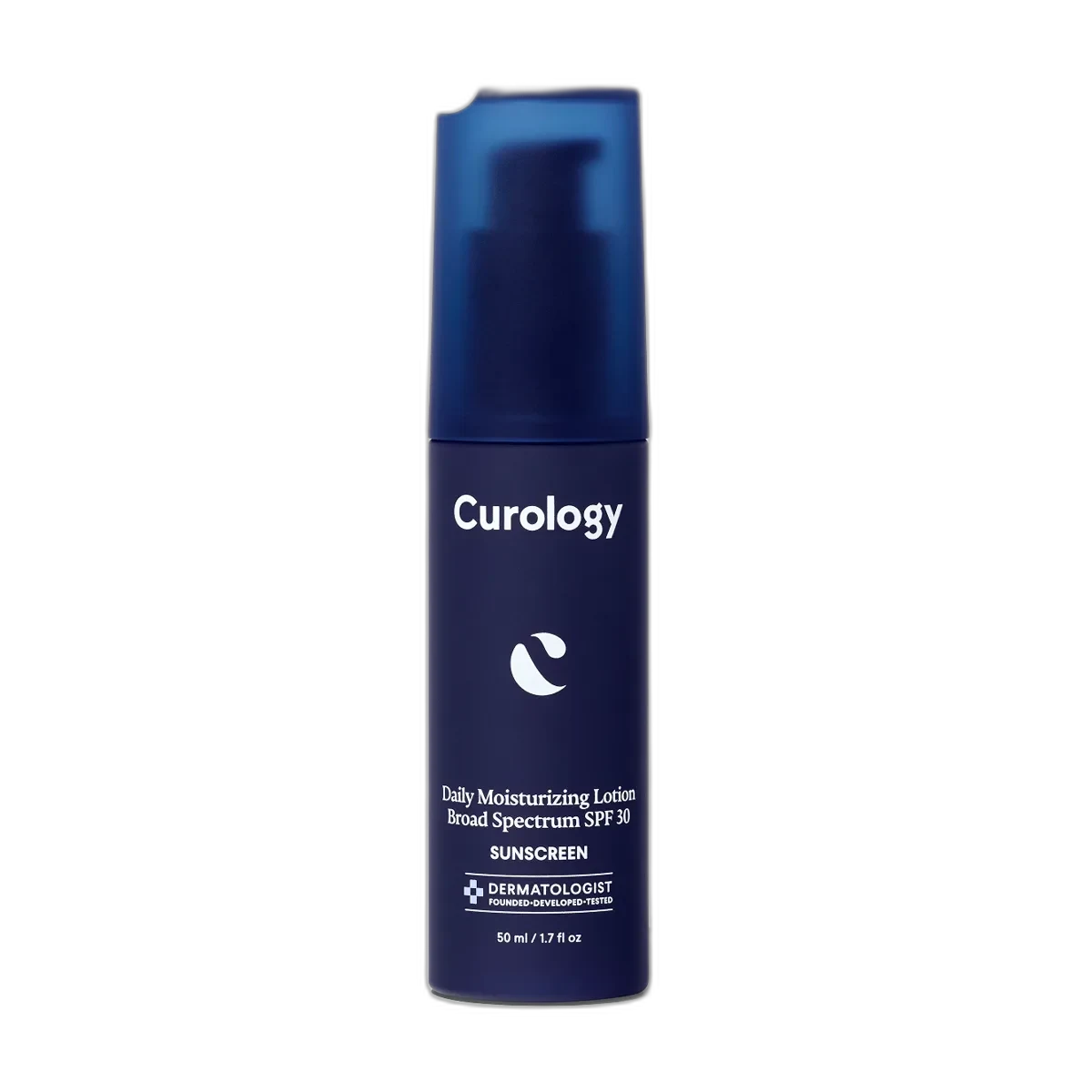
Sunscreen SPF 30
Acne-Safe Mineral Shield
 Verified reviewer
Pros & cons.
- +100% mineral formula with silane-coated zinc oxide for reduced white cast
- +Ethyl ferulate provides dual antioxidant and UV-absorbing synergy with zinc oxide
- +Specifically designed for acne-prone and prescription-treatment-active skin
- +Lightweight non-greasy texture that is exceptionally elegant for a mineral sunscreen
- +Fragrance-free and non-comedogenic with sophisticated supporting ingredients
- +Works immediately on application — no 15-minute activation wait needed
- −Small 2 oz tube lasts only 3-4 weeks with daily recommended application amounts
- −Some white cast still visible on deeper skin tones despite coating technology
- −SPF 30 may feel inadequate for users who prefer higher protection levels
- −Can feel slightly drying without a moisturizer underneath for dry skin types
- −Only available in one size with no larger option for cost savings
- −Limited review data compared to established sunscreen brands
The full review.
The mineral sunscreen has an image problem. For years, zinc oxide formulas meant thick, white, pasty creams that made you look like you were either heading to a cricket match or auditioning for a ghost. Chemical sunscreens won the daily-wear market by default — not because they were better, but because they were bearable. Curology’s Everyday Sunscreen SPF 30 is an attempt to close that gap, and it is built on a data advantage that most sunscreen brands cannot match: direct feedback from over four million acne patients who needed sun protection that would not sabotage their prescription treatments.
The formula starts with zinc oxide at 9.4% — the sole active ingredient. This is a deliberately moderate concentration. Higher percentages would increase protection marginally but at the cost of heavier texture and more white cast. Curology opted for the sweet spot where broad-spectrum protection meets daily wearability, coating the zinc oxide particles with triethoxycaprylylsilane to improve their integration with the skin and reduce the chalky white film that plagues conventional mineral formulas.
The result is genuinely impressive for a drugstore-priced mineral sunscreen. The cream dispenses as a lightweight lotion, spreads with unexpected ease thanks to a dimethicone base, and settles into a satin finish within a minute or two. On lighter skin tones, it becomes virtually invisible. On medium tones, there is a subtle luminosity that some users actually appreciate as a natural highlight. On deeper skin tones, some white cast persists — reduced compared to most mineral sunscreens, but not eliminated. This remains the fundamental challenge of zinc oxide, and no amount of coating technology has fully solved it.
Where Curology shows its dermatological hand is in the supporting ingredient roster. Ethyl ferulate — a ferulic acid ester — provides both antioxidant protection and UV-absorbing activity that synergistically boosts the zinc oxide’s performance. This is a sophisticated inclusion that you would expect in a premium formulation, not a seventeen-dollar tube at Target. Phospholipids support barrier integrity. Gluconolactone, a polyhydroxy acid, delivers gentle humectant and antioxidant benefits without the photosensitivity risk of AHAs. Bisabolol provides anti-inflammatory soothing. Squalane and argan oil round out the emollient system.
This ingredient complexity matters because it transforms the product from a simple mineral filter into a multi-functional photoprotective treatment. The zinc oxide deflects UV radiation. The ethyl ferulate absorbs additional UV energy. The antioxidants neutralize the free radicals that penetrate past the mineral barrier. The squalane has been shown to counteract UVA-induced collagen degradation. Each layer addresses a different aspect of sun damage, creating a more comprehensive defense than the SPF number alone would suggest.
For the core audience this product was designed to serve — people on prescription retinoids, azelaic acid, and other actives that increase photosensitivity and skin reactivity — this is close to ideal. Mineral sunscreens are generally preferred over chemical ones for treatment-active skin because zinc oxide works through physical deflection rather than chemical absorption, reducing the likelihood of irritation or interaction with prescription actives. The mineral filter also starts working immediately upon application, eliminating the fifteen-minute wait that some chemical sunscreens require.
The formula is fragrance-free, essential oil-free, and non-comedogenic — a trifecta that is surprisingly hard to find in the mineral sunscreen space, where many brands add botanical extracts and essential oils for marketing appeal at the expense of sensitization risk. Curology stripped all of that away and built a product that prioritizes clinical function over sensorial appeal.
The practical limitations are straightforward. The 2.02-ounce tube sounds generous until you start applying sunscreen at the recommended quantity — about a nickel-sized amount for the face alone. At that rate, a tube lasts three to four weeks of daily use, making the annual cost roughly $230-310. That is reasonable for a mineral SPF but adds up. The single-size offering means no bulk-buying efficiency for loyal users.
SPF 30 may feel conservative in an era when SPF 50+ products dominate store shelves, but the dermatological consensus supports SPF 30 as the minimum for adequate daily protection. The more critical variable is application quantity and reapplication frequency — SPF 30 applied generously and reapplied on schedule outperforms SPF 50 applied sparingly. And for skin already sensitized by prescription treatments, the lighter formula that comes with lower zinc oxide concentration may actually improve compliance compared to a heavier SPF 50 that people avoid using.
Curology built this sunscreen from a position most brands do not have: a database of millions of acne patients who told them, in real time, what they needed from a daily SPF. The result is a mineral formula that solves for wearability without sacrificing sophistication — a product that treats sun protection not as a cosmetic afterthought but as a clinical necessity that needs to be elegant enough to actually get used.
Ingredient analysis.
Full INCI list
Active Ingredient: Zinc Oxide 9.4%. Inactive Ingredients: Water, Dimethicone, Propylene Glycol, C12-15 Alkyl Benzoate, Sorbitan Oleate Decylglucoside Crosspolymer, Cetearyl Alcohol, Argania Spinosa Kernel Oil, Ammonium Acryloyldimethyltaurate/VP Copolymer, Tocopheryl Acetate, Glycerin, Squalane, Butyrospermum Parkii (Shea Butter) Extract, Polyester-5, Caprylyl/Capryl Glucoside, Coco-Glucoside, C14-22 Alcohols, Hydroxyethyl Acrylate/Sodium Acryloyldimethyl Taurate Copolymer, Triethoxycaprylylsilane, Ethyl Ferulate, C12-20 Alkyl Glucoside, Bisabolol, Sodium Chloride, Phospholipids, Gluconolactone, Benzyl Alcohol, Sodium Benzoate, Chlorphenesin, Sorbic Acid, Urea, Phenoxyethanol, Ethylhexylglycerin
Skin match.
The science.
The Science
The Curology Everyday Sunscreen uses 9.4% zinc oxide for photoprotection. This broad-spectrum mineral filter deflects UV photons across UVA I (340-400nm), UVA II (320-340nm), and UVB (290-320nm) wavelengths. Unlike chemical filters that absorb UV energy and degrade over time, zinc oxide is photostable; it maintains efficacy during sun exposure for consistent protection.
Ethyl ferulate is the formula's most scientifically interesting supporting ingredient. This ferulic acid ester absorbs UV radiation in the 290-330nm range, adding UVB/UVA II absorption to enhance the zinc oxide's protective capacity. Ferulic acid also scavenges reactive oxygen species generated by UV exposure, addressing the oxidative damage pathway that mineral filters alone cannot fully prevent.
Squalane does more than act as an emollient. A 2025 study in Molecules shows that low concentrations of squalane counteract UVA-induced inhibition of collagen biosynthesis in human dermal fibroblasts and show anti-inflammatory activity, providing a direct photoprotective benefit independent of UV filtration. A 2022 study in Colloids and Surfaces B found that squalane-based emulsions increase skin retention and dermal availability of active compounds, which improves the zinc oxide's distribution and contact with the skin surface.
The triethoxycaprylylsilane coating on the zinc oxide particles addresses the mineral sunscreen white cast problem. This silane surface treatment reduces the particles' surface energy, which improves their dispersibility in the formula and their interaction with skin oils. This results in more even distribution, less clumping (the cause of visible white patches), and better adhesion to the skin surface—improving cosmetic elegance and UV protection uniformity.
References
- Squalane counteracts UVA-induced inhibition of collagen biosynthesis — Molecules (2025)
- Squalane-based emulsions enhance dermal availability of active compounds — Colloids and Surfaces B: Biointerfaces (2022)
Dermatologist Perspective
Board-certified dermatologists would see this as a well-designed mineral sunscreen for patients using prescription acne and anti-aging treatments. The single-mineral approach using zinc oxide suits sensitive and treatment-active skin because it avoids the irritation and interaction risks of chemical UV absorbers. Dermatologists would value ethyl ferulate as a UV-boosting antioxidant and bisabolol as an anti-inflammatory—ingredients that show formulation sophistication beyond a simple zinc oxide cream. The SPF 30 level meets the dermatological recommendation for minimum daily protection. The non-comedogenic, fragrance-free profile suits acne patients, matching Curology's patient base. Dermatologists would note that while 9.4% zinc oxide provides adequate broad-spectrum protection per FDA testing requirements, patients with high UV exposure needs (outdoor workers, athletes) may need a higher SPF product.
Where it fits in your routine.
Apply a generous amount as your last morning skincare step, after moisturizer and before makeup. Use a nickel-sized amount for the full face and a dime-sized amount for the neck. You do not need to wait — mineral sunscreens work immediately. Reapply every 2 hours during extended outdoor sun exposure, after swimming, or after heavy sweating. This formula is not water-resistant — reapply after water contact.
At $17.99 for 2.02 oz, the Curology Everyday Sunscreen has a competitive price for mineral SPF. Similar dermatologist-developed mineral sunscreens from EltaMD, La Roche-Posay, and Supergoop usually cost $25-40+ for the same volume. The formulation uses ethyl ferulate, phospholipids, gluconolactone, and squalane, which exceeds most products at this price. But the small tube lasts only 3-4 weeks with daily use, making the annual cost roughly $230-310. HSA/FSA eligibility as an FDA-registered OTC drug helps insured consumers offset this cost.
This sunscreen works for anyone using prescription retinoids or active treatments who needs a gentle mineral SPF that won't interfere with their regimen. It also suits acne-prone skin, sensitive skin, and people who stopped using mineral sunscreens because of white cast and thick texture.
People with deeper skin tones sensitive to white cast should test this first. This is not water-resistant for outdoor sports or beach days. Users wanting SPF 50+ for maximum protection or a combined moisturizer-sunscreen should look elsewhere.
Product details.
Fragrance-free and contains no essential oils. It has a faint, neutral smell that disappears quickly—no sunscreen smell.
Navy blue squeeze tube with minimalist white Curology branding. This uses a standard squeeze tube format, not an airless pump. The 2.02 oz size is TSA-friendly for travel.
The first application feels like a lightweight, silky cream that blends easier than most mineral sunscreens. A slight white cast fades within 1-2 minutes as the formula settles. It becomes virtually invisible on lighter skin tones, while deeper tones may see a slight luminosity. It has no stinging, no heavy feel, and no fragrance. It works immediately—no 15-minute wait is needed for mineral formulas. ***
3-4 weeks with once-daily facial application at recommended SPF amounts ***
12 months ***
All Year ***
The backstory.
Born from Curology's observation that their prescription acne patients were either skipping sunscreen entirely or using chemical sunscreens that aggravated their treated skin, the Everyday Sunscreen was developed as a mineral formula that would not compromise the dermatological treatments patients were paying for. Originally subscription-only in 2021, the retail launch in late 2022 at Target and subsequent expansion to CVS made it accessible to anyone seeking a derm-developed mineral SPF.
About Curology
Established Brand (5–20 years)Dr. David Lortscher, a board-certified dermatologist, founded Curology in 2014. It is the largest teledermatology provider and has treated over 4 million patients. Their in-house dermatology team developed the brand's sunscreen using direct feedback from millions of acne-prone patients on prescription treatments.
Common myths.
Mineral sunscreens leave a white cast and feel thick on the skin.
This formula uses silane-coated zinc oxide to reduce white cast and improve texture. Mineral sunscreens had cosmetic limits in the past, but modern coating technologies improve wearability. This product blends to near-invisible on light to medium skin tones, but deeper tones may still see some cast.
SPF 30 is not enough protection — you need at least SPF 50.
SPF 30 blocks about 97% of UVB rays, while SPF 50 blocks about 98%. This 1% difference is real but modest. Dermatologists recommend SPF 30 as the daily minimum. Application amount and reapplication frequency matter more. SPF 30 applied generously works better than SPF 50 applied sparingly.
FAQ.
Does the Curology Sunscreen SPF 30 leave a white cast?
The formula uses silane-coated zinc oxide to minimize white cast. It blends to near-invisible on light to medium skin tones within 1-2 minutes. Deeper skin tones show a slight luminous cast. It performs better than most mineral sunscreens, though it cannot fully eliminate the inherent white tint of zinc oxide.
Can you use Curology Sunscreen with tretinoin?
This sunscreen targets patients using prescription retinoids. Apply tretinoin at night, then use this mineral SPF as your final morning skincare step. Mineral sunscreens work immediately upon application and irritate sensitized skin less than chemical formulas.
Is the Curology Sunscreen safe for acne-prone skin?
Yes — Curology's dermatology team designed this specifically for their acne patient base. The formula is non-comedogenic, fragrance-free, and uses mineral UV filters instead of chemical UV filters to reduce breakout risk. The zinc oxide active ingredient has mild anti-inflammatory properties that benefit acne-prone skin.
Is the Curology Sunscreen chemical or mineral?
It is 100% mineral. The only active ingredient is Zinc Oxide 9.4%, which provides physical UV protection by deflecting UV rays rather than absorbing them chemically. Some Curology marketing describes it as a 'mineral-powered hybrid,' but the FDA Drug Facts label confirms it is purely mineral. Curology does sell a separate Daily Moisturizing Lotion SPF 30 that uses chemical filters.
How often should you reapply the Curology Sunscreen?
Reapply every 2 hours during extended sun exposure, after swimming, or after heavy sweating. A single morning application works for daily indoor use with brief outdoor exposure (commuting, errands). The 2 oz tube lasts about 3-4 weeks with daily facial application at the recommended amount.
Community
What the community says.
"Lightweight non-greasy texture that absorbs quickly for a mineral sunscreen"
"Minimal white cast — impressive for a zinc oxide-only formula"
"Does not break out acne-prone skin or clog pores"
"Fragrance-free and gentle enough for sensitized treatment-active skin"
"Works well under makeup without pilling or flashback"
"Affordable price point for a dermatologist-developed mineral SPF"
"Small 2 oz tube runs out quickly with recommended daily application amounts"
"Some white cast still visible on deeper skin tones despite coating technology"
"SPF 30 may feel insufficient for users who prefer SPF 50+ protection"
"Can feel slightly drying compared to chemical sunscreen alternatives"
"Only available in one size with no larger option for regular users"
Featured in.
People also looked at.