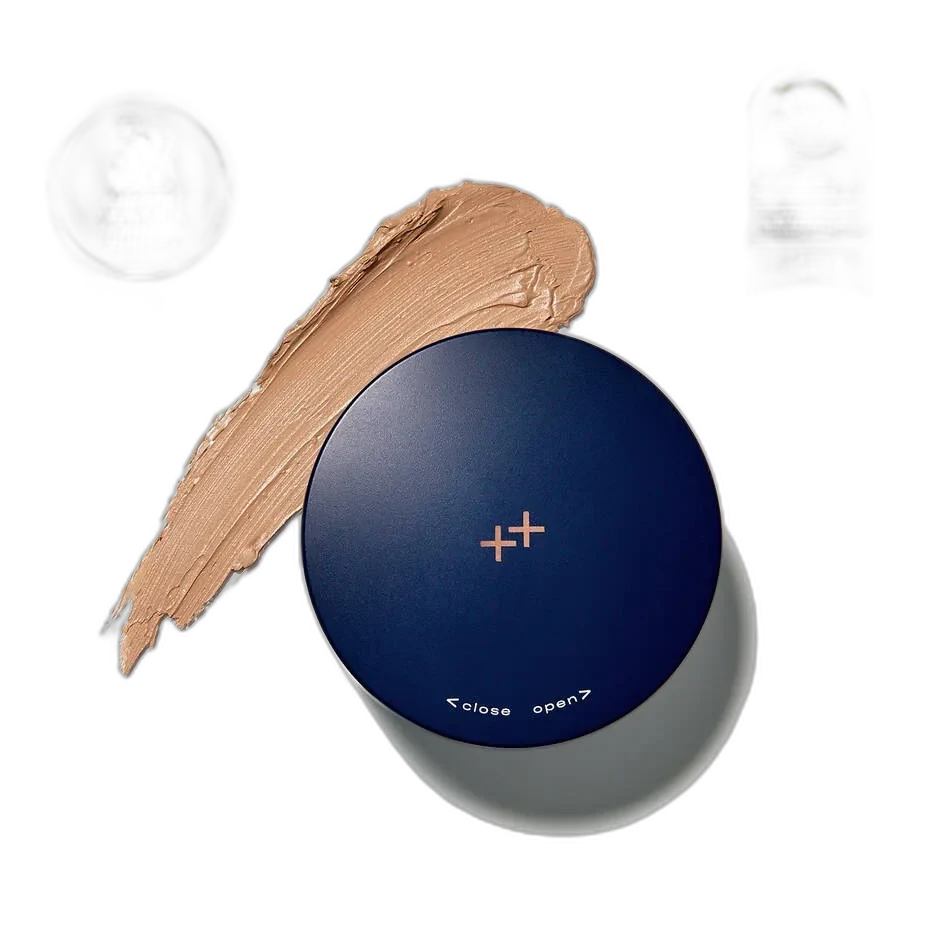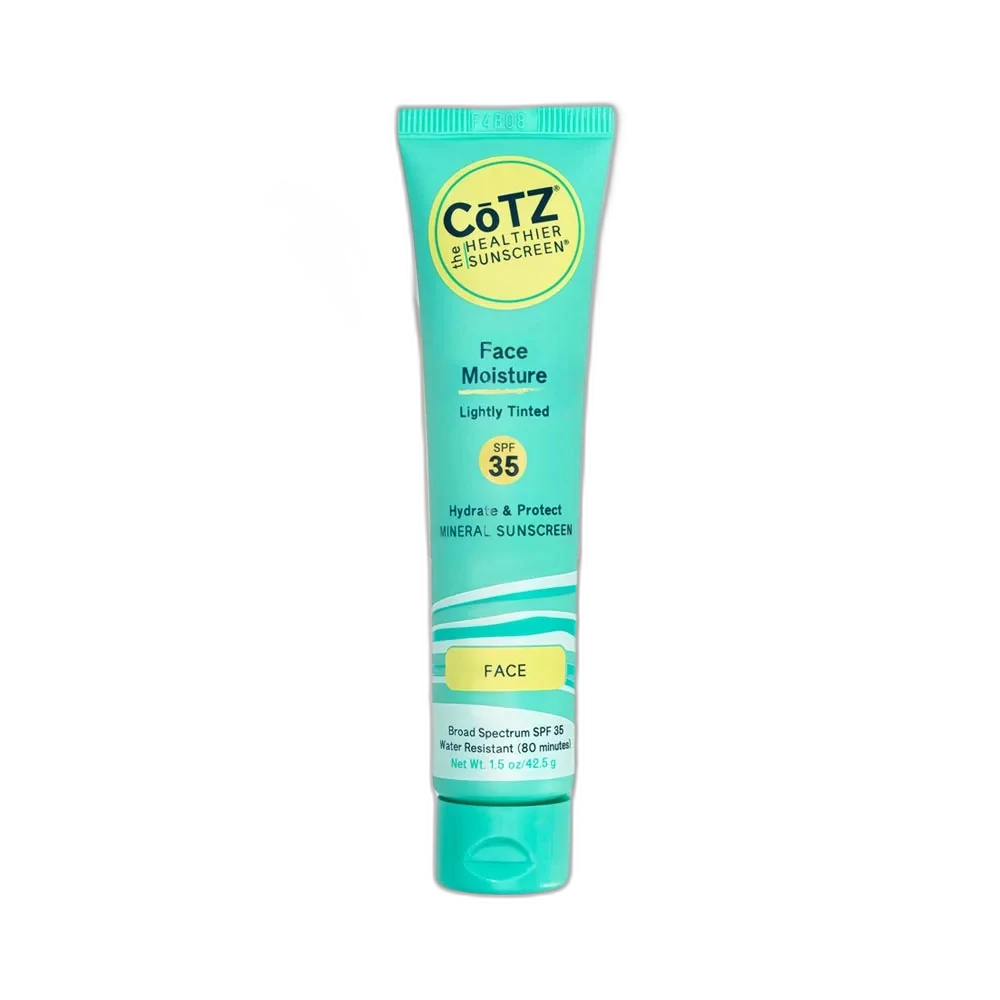
Face Moisture SPF 35 Lightly Tinted
Melasma Protocol Pick
 Verified reviewer
Pros & cons.
- +Adds iron oxides for visible-light protection critical for melasma
- +Clinically preferred over untinted version for pigmentation-prone users
- +Same 9.1% zinc / 2.9% titanium dioxide filter load as untinted formula
- +Clean inactive deck with no fragrance or essential oils
- +Tint neutralizes white cast on light to medium skin tones
- +Provides light coverage that can reduce need for foundation
- +Pregnancy safe and appropriate for reactive skin
- −Universal tint is too light for deep skin tones
- −Texture is behind the newest generation of tinted mineral sunscreens
- −Not water-resistant enough for swimming or heavy sweating
- −Limited shade offering — only one universal tint available
The full review.
About Cotz Face Moisture SPF 35 Lightly Tinted
For twenty years, dermatologists recommended mineral sunscreens for melasma patients. Chemical UV filters often trigger reactions in pigmentation-prone skin, and the gold standard for melasma is daily sun protection using a sunscreen patients can tolerate. Then, in the last decade, research showed that visible light—specifically blue-light wavelengths around 400–500 nanometers—triggers melasma independently of UV exposure. Patients could wear a broad-spectrum SPF 50, avoid sunburn, and still see melasma progress. The research suggested visible light passes through zinc-oxide sunscreen because zinc oxide does not absorb in the visible range.
Iron oxides provide the solution. The same pigments cosmetic chemists used for decades to tint sunscreens also absorb the visible light wavelengths that worsen melasma. A tinted mineral sunscreen—the type dermatologists recommend to hide the white cast of zinc—provides clinically meaningful protection that untinted versions lack. The recommendation shifted. Tinted mineral sunscreens are now first-line daily sunscreens in most melasma treatment protocols because the iron oxide tint provides functional protection, not just cosmetic elegance.
Cotz Face Moisture SPF 35 Lightly Tinted uses this science. The active filter profile matches the untinted version: 9.1% zinc oxide and 2.9% titanium dioxide, the same dermatologist-office-friendly mineral combination used for nearly two decades. The inactive ingredient deck is also restrained: fragrance-free, essential-oil-free, no plant extracts, and no chemical filters, so reactive or post-procedure skin has nothing to worry about. It adds iron oxides—yellow, red, and black varieties—which combine into a universal tint for light and medium skin tones. This addition makes the tinted version a clinically preferred choice for users with melasma, post-inflammatory hyperpigmentation, or a history of photoaggravated pigmentation.
The cosmetic experience is better than the untinted version. The white cast that settles on light skin tones from untinted Cotz is substantially reduced. On light and medium skin tones, the tint blends to a natural, mostly-invisible finish within thirty to sixty seconds. The finish is between satin and matte—not shiny or chalky—and works well under foundation or a tinted moisturizer. The tint provides enough light coverage that some users can skip foundation on low-makeup days.
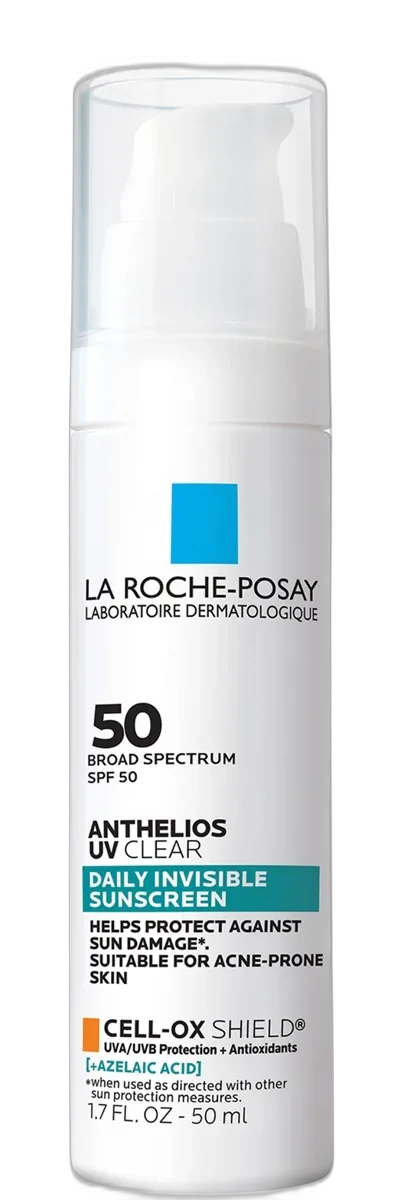
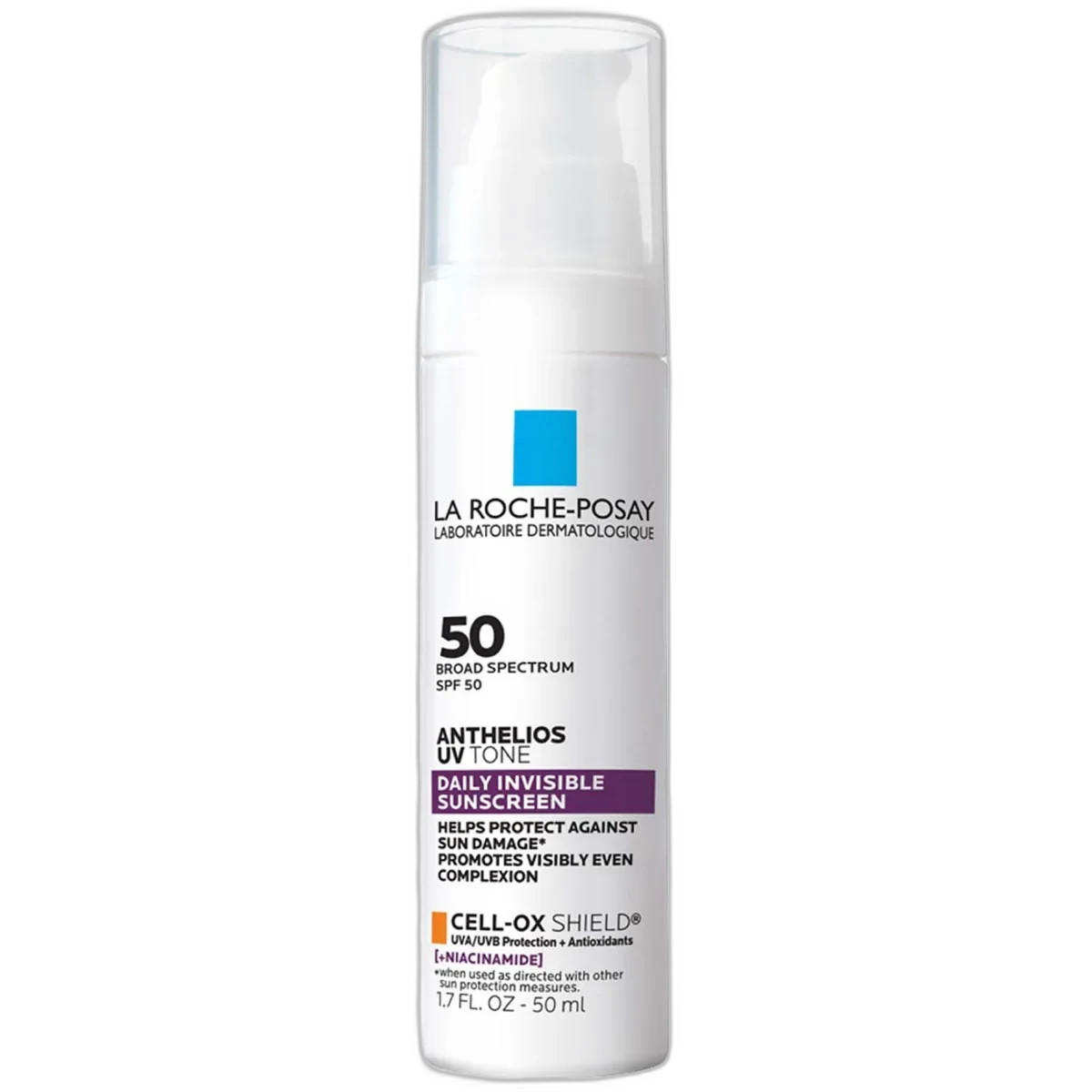
The limitations match every universal-tint sunscreen. On deep skin tones, the tint is too light and looks ashy or pink-gray. Users with deep skin tones should find a more heavily pigmented tinted formula or a specifically shaded mineral sunscreen. The protection principles of iron oxides apply to any brand, but aesthetic fit matters for daily use. The texture also lags behind newer ultra-refined tinted formulas from brands like EltaMD UV Clear, ISDIN Eryfotona Ageless, or Colorescience. The dimethicone base works, but newer silicone technology creates lighter, smoother, more invisible tinted options. Cotz’s advantage is the clean inactive deck, not the texture.
Application dose is as important for the tinted version as the untinted. A quarter-teaspoon for the face delivers the labeled SPF 35 and enough iron oxide for visible-light protection. Underapplication reduces both effects. Crucially, underapplying a tinted sunscreen looks better cosmetically (less cast, lighter finish) while providing worse protection. This is the trap: the instinct to use less to avoid a heavy feel undermines the clinical value. If you want melasma protection, use the full quarter-teaspoon and accept the slight increase in visibility.
Reapply every two hours during sun exposure. Consistency matters more than perfection. For daily office and commute use, one morning application with touch-ups is adequate. Plan to reapply for extended outdoor time. For beach and pool use, Cotz makes a separate water-resistant formula.
This tinted version is the clear pick in the Cotz lineup for melasma, post-procedure, or rosacea patients wanting to improve tone. It is also a reasonable general-purpose mineral sunscreen for users without pigmentation concerns who prefer a tinted finish.
Formula
Ingredient analysis.
Full INCI list
Active Ingredients: Zinc Oxide 9.1%, Titanium Dioxide 2.9%. Inactive Ingredients: Water, C12-15 Alkyl Benzoate, Cyclopentasiloxane, Butyloctyl Salicylate, Styrene/Acrylates Copolymer, PEG-10 Dimethicone, Sorbitan Sesquioleate, Dimethicone, Caprylyl Methicone, Sodium Chloride, Iron Oxides (CI 77491, CI 77492, CI 77499), Disteardimonium Hectorite, Hydrogen Dimethicone, Triethoxycaprylylsilane, Phenoxyethanol, Tocopheryl Acetate, Propylene Carbonate, Disodium EDTA
Skin match.
The science.
The Science
Visible light's role in pigmentation is a major recent development in melasma research. Published studies show that visible light, especially high-energy blue-light wavelengths in the 400–500 nanometer range, induces pigmentation in melanocompetent skin via mechanisms independent of UV-driven melanogenesis. This has clinical implications: a sunscreen that blocks UVA and UVB perfectly still allows visible-light-driven pigmentation to progress if it ignores visible light. Iron oxides, common cosmetic colorants, absorb in the visible range. Clinical research shows adding iron oxides to mineral sunscreen formulations reduces visible-light-induced pigmentation. Several published studies compared tinted and untinted mineral sunscreens in melasma patients and showed better outcomes with the tinted version. Cotz's tinted formula uses the same 9.1% zinc oxide and 2.9% titanium dioxide UV filter system as the untinted version, providing broad-spectrum protection across the UV and visible-light ranges. The literature does not resolve the exact iron oxide concentration needed for meaningful visible-light protection; research generally compares tinted versus untinted rather than optimizing tint density. Thus, different tinted products may provide different levels of visible-light protection. The clinical consensus remains clear: tinted mineral sunscreen is the preferred choice for melasma patients.
Dermatologist Perspective
Dermatologists treating melasma, post-inflammatory hyperpigmentation, and photo-aggravated conditions routinely recommend tinted mineral sunscreens as first-line daily sun protection because iron oxides provide visible-light protection. Clinical treatment protocols often pair a tinted mineral sunscreen with topical brightening actives like tranexamic acid, azelaic acid, and niacinamide, which reinforces the need for comprehensive UV plus visible-light protection during treatment. Board-certified dermatologists note that no topical brightening regimen reaches its potential without consistent tinted sunscreen use. Patients who switch from untinted to tinted mineral sunscreen during melasma treatment often see faster visible progress. Cotz's tinted formulation is well-regarded here for its clean filter profile and reliable tolerability on sensitized skin.
Where it fits in your routine.
Apply this as your last morning step after moisturizer. Use a quarter-teaspoon on the face to get the labeled SPF 35 and iron oxide deposition. Blend for 30–60 seconds until the tint looks uniform. Wait 2–3 minutes before applying foundation or makeup to prevent pilling. Reapply every two hours during sun exposure. For melasma treatment, use a brightening serum and apply every morning regardless of weather or season.
The tinted version costs twenty-seven dollars for 1.5 ounces, a small premium over the untinted Cotz formula. This price accounts for the added iron oxide and clinically meaningful visible-light protection. EltaMD, ISDIN, and Colorescience offer comparable tinted mineral sunscreens with iron oxides at similar or higher prices. For users targeting pigmentation, this is a cost-effective tinted mineral option with a clean ingredient deck, though newer-generation competitors have more refined textures for those willing to pay more.
People with melasma, post-inflammatory hyperpigmentation, or pigmentation concerns needing visible-light protection. Rosacea patients addressing tone. Post-procedure patients. Users who found the untinted Cotz too chalky and want the same clean filter system with a tinted finish.
People with deep skin tones who want to avoid a universal-tint cast should use a shaded tinted mineral sunscreen. Users want the newest-generation ultra-light texture. Swimmers and heavy-sweat athletes need water-resistant formulas.
Product details.
Medium-weight mineral lotion with a light universal tint
Fragrance-free
Squeeze tube — simple functional format that limits light and air exposure
The first application blends to a natural finish on light to medium skin tones in 30–60 seconds. The universal tint neutralizes most of the zinc cast seen in the untinted version.
Approximately 6–8 weeks of daily face use at proper dose
12 months
All Year
The backstory.
The tinted version of Cotz Face Moisture was introduced to address the white cast complaint that the original formula generated, but dermatology has since caught up with a better reason to recommend it — the iron oxide content provides visible light protection that pure zinc-and-titanium sunscreens don't. This makes the tinted version the preferred choice in melasma treatment protocols regardless of the cosmetic benefits.
About Cotz
Established Brand (5–20 years)Cotz has made 100% mineral sunscreens since 2005, focusing on formulations for rosacea, post-procedure, and reactive-skin patients. Dermatologists widely use the tinted version of Face Moisture to neutralize the white cast for patients who cannot tolerate the untinted formula.
Common myths.
Tinted sunscreens are purely cosmetic.
Tinted sunscreens use iron oxides to provide visible-light protection. Chemical and mineral UV filters do not offer this. This protection matters for melasma, post-inflammatory hyperpigmentation, and photo-aggravated conditions where visible light is a documented trigger.
A universal tint works for all skin tones.
Universal tints blend into light to medium skin tones. Deeper skin tones need more pigment or specific shades to avoid an ashy cast.
FAQ.
What's the difference between tinted and untinted Cotz Face Moisture?
Both use 9.1% zinc oxide and 2.9% titanium dioxide UV filters. The tinted version adds iron oxides to protect against visible light and neutralize the untinted formula's white cast. The tinted version offers more protection for pigmentation-prone users.
Will this tint work for deep skin tones?
The universal tint works for light to medium skin tones. Deeper skin tones show an ashy or too-light finish. Users with deeper tones need a more heavily pigmented tinted mineral sunscreen or a shaded alternative.
Can I wear makeup over Cotz Lightly Tinted?
Yes. The tint gives light coverage, so some users skip foundation. If you layer foundation on top, wait 2–3 minutes for the sunscreen to set to prevent pilling.
Is this tinted sunscreen safe during pregnancy?
Yes. Zinc oxide, titanium dioxide, and iron oxides are safe during pregnancy and breastfeeding. The formula contains no chemical UV filters or retinoids.
How is Cotz Lightly Tinted different from a tinted moisturizer with SPF?
This is a sunscreen first and a tinted product second. Tinted moisturizers with SPF often use lower filter concentrations and offer less reliable protection. Cotz uses a full 12% total mineral filter load and delivers true SPF 35; the tint is a bonus.
What the community says.
"Tint neutralizes cast better than untinted version"
"Blends into a natural finish"
"Well-tolerated on reactive skin"
"Tint is too light for deep skin tones"
"Still a slightly older-generation texture"
"Limited shade coverage"
Featured in.
People also looked at.