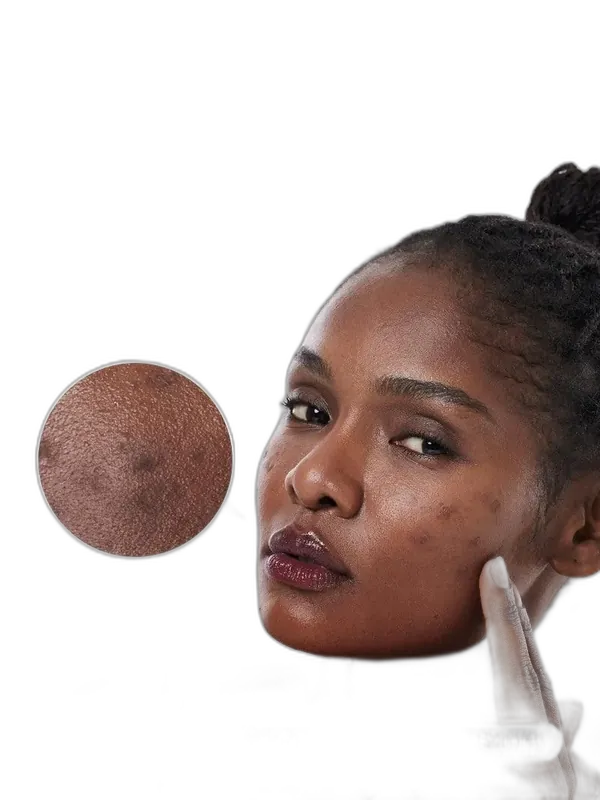
The Alpha-Arbutin 2 Discoloration Care Serum
Multi-Pathway Brightening Powerhouse
 Verified reviewer
Pros & cons.
- +Six distinct brightening actives targeting every stage of the melanin production cascade
- +Clinical testing shows 22.31% dark spot reduction in just four weeks
- +Four forms of hyaluronic acid provide hydration alongside treatment for comfortable daily wear
- +Madecassoside and panthenol add soothing support to balance the active load
- +Excellent value at $25 for 50ml — comparable multi-active serums cost $40-80
- +Fragrance-free formula with no essential oils
- +Lightweight texture layers well under moisturizer and sunscreen
- −Contains denatured alcohol — a debatable inclusion in a brightening treatment serum
- −Multiple potent actives may overwhelm sensitive, rosacea-prone, or barrier-compromised skin
- −Slight tackiness during absorption requires a moment before layering next step
- −Frosted glass bottle makes it impossible to see how much product remains
- −Limited long-term data — product launched October 2024
The full review.
Hyperpigmentation is stubborn because melanin production is a cascade, not a single event. An enzyme activates, melanin is synthesized, it is packaged into melanosomes, and those melanosomes transfer to keratinocytes. The pigmented cells then migrate to the skin surface. Most brightening products interrupt only one or two steps. The COSRX Alpha-Arbutin 2 Discoloration Care Serum is more ambitious: it stations an active at almost every stage of the cascade to work simultaneously.
Alpha-arbutin at 2% handles the first move by inhibiting tyrosinase, the enzyme that catalyzes melanin synthesis. Tranexamic acid at an estimated 3% suppresses melanin production through the plasmin pathway. This mechanism is distinct from tyrosinase inhibition and is relevant for melasma, where plasmin-mediated signaling plays a documented role. Niacinamide at approximately 5% blocks melanosome transfer from melanocytes to keratinocytes; it does not stop melanin production but prevents it from reaching the visible skin surface. Acetyl glucosamine promotes exfoliation of pigmented cells to accelerate their removal. Glutathione provides antioxidant tyrosinase inhibition through another mechanism. Ferulic acid adds antioxidant support to protect against UV-induced free radicals that trigger melanogenesis.
On paper, this is one of the most comprehensive anti-pigmentation formulas available, especially at $25. The question is whether stacking these actives creates synergy or chaos.
Early evidence suggests synergy. COSRX’s clinical testing reported a 20.47% melanin reduction and 22.31% dark spot reduction after four weeks. These results are clinically meaningful, though they come from the brand’s own tests rather than independent peer-reviewed studies. User reviews match this timeline: visible fading of post-inflammatory hyperpigmentation and dark spots occurs within one to two months, with continued improvement through three months of consistent use.
Texture
The texture is a lightweight serum with a slight beige-yellow tint that absorbs without grease. The niacinamide and hyaluronic acid concentrations likely cause a brief window of tackiness during absorption, which resolves within a minute. The formula includes four forms of hyaluronic acid and madecassoside. These provide the hydration and soothing support a treatment serum needs for daily use and create an optimal environment for the brightening actives. Dehydrated, inflamed skin responds less to brightening treatments, so addressing hydration and calm alongside pigmentation is a smart strategy.
Common Complaints
Complications center on the formula’s intensity. This serum contains six distinct actives at meaningful concentrations, plus alcohol (denatured) at position 14 in the INCI list. This combination is tolerable and effective for resilient, non-reactive skin. For sensitive skin, rosacea-prone skin, or compromised barriers, the cumulative load of alpha-arbutin, niacinamide, tranexamic acid, acetyl glucosamine, citric acid, and alcohol may be too much. Some users report flushing—likely from the niacinamide—and a minority report breakouts, suggesting the multi-active approach overwhelmed their skin’s tolerance.
Conflicts With
The inclusion of alcohol is the formula’s most debatable choice. At its INCI position, the concentration is likely low—perhaps 1-3%—and likely acts as a penetration enhancer for the actives or a texture modifier. However, for users with skin sensitized by sun damage, melasma, or post-inflammatory hyperpigmentation, any amount of drying alcohol is a point of contention.
Supporting Ingredients
The supporting cast is effective. Licorice root extract (glabridin) adds another brightening pathway. Panthenol provides barrier support. Allantoin calms. Madecassoside—the most anti-inflammatory of the centella triterpenoids—contributes soothing to help the skin tolerate the active load. Tocopherol (vitamin E) provides antioxidant protection. These ingredients are integral to the strategy of maintaining high active concentrations while ensuring tolerability.
Value
At $25 for 50ml, the value is strong. Premium brands selling comparable multi-active brightening serums that stack tranexamic acid with alpha-arbutin and niacinamide typically cost $40-80 for similar volumes. COSRX’s pricing makes this multi-pathway approach available to consumers who might otherwise only afford single-active budget options.
Who Should Buy
This serum shows COSRX at its most sophisticated, reflecting an understanding of melanin biology rather than trends. It is not for everyone and is not the first step for someone new to brightening actives. But for anyone with resilient skin and stubborn discoloration who has tried single-active approaches without results, this multi-pathway philosophy offers a compelling, low-risk escalation strategy.
Ingredient analysis.
Full INCI list
Aqua/Water, Propanediol, Glycerin, Niacinamide, Tranexamic Acid, Acetyl Glucosamine, Alpha-Arbutin, 1,2-Hexanediol, Dimethicone, Dimethyl Isosorbide, Diethoxyethyl Succinate, Butylene Glycol, Citric Acid, Alcohol, Sodium Polyacryloyldimethyl Taurate, Hydrogenated Lecithin, Xanthan Gum, Sodium Metabisulfite, Disodium EDTA, Ethylhexylglycerin, Dextrin, Theobroma Cacao (Cocoa) Extract, Sodium Citrate, Madecassoside, Sodium Methyl Stearoyl Taurate, Sodium Hyaluronate, Tocopherol, Hydrolyzed Hyaluronic Acid, Sodium Hyaluronate Crosspolymer, Hyaluronic Acid, Ferulic Acid, Glycyrrhiza Glabra (Licorice) Root Extract, Panthenol, Arginine, Methyl Trimethicone, Allantoin, Glutathione, Sodium Acetylated Hyaluronate
Skin match.
The science.
The Science
This serum uses a multi-pathway approach, reflecting the dermatological consensus that effective hyperpigmentation treatment must target multiple stages of melanogenesis. A 1995 study in the Journal of Biological Chemistry showed that alpha-arbutin is a competitive and reversible inhibitor of tyrosinase. It occupies the enzyme's active site without permanent inactivation, suppressing melanin without the cytotoxic risks of irreversible inhibitors like hydroquinone.
Tranexamic acid treats pigmentation by targeting melasma. A randomized controlled trial in the Journal of the American Academy of Dermatology (2020) found that topical tranexamic acid at 3% significantly reduced melasma severity over 12 weeks compared to placebo. It inhibits the plasminogen/plasmin pathway, which reduces the UV-induced production of arachidonic acid and prostaglandins that stimulate melanocyte activity—a pathway separate from tyrosinase inhibition.
Hakozaki et al. published a landmark study in the British Journal of Dermatology (2002) showing that 5% niacinamide reduces hyperpigmented spots by 35-68% over 8 weeks by preventing melanosomes from reaching keratinocytes. Combined with alpha-arbutin's tyrosinase inhibition and tranexamic acid's plasmin pathway suppression, the formula uses three independent anti-pigmentation mechanisms at once.
Research in Experimental Dermatology (2007) studied acetyl glucosamine (N-acetyl glucosamine) with niacinamide. The combination reduced facial hyperpigmentation more than either ingredient alone, suggesting a synergistic interaction between melanin transfer inhibition and accelerated desquamation of pigmented cells.
The four forms of hyaluronic acid do more than hydrate: hydrated skin shows improved barrier function and better penetration of topical actives. Research in Skin Research and Technology (2004) showed that pre-hydrating the stratum corneum significantly increased the percutaneous absorption of water-soluble compounds. This suggests the HA complex may enhance delivery of the brightening actives in this formula.
References
- Topical tranexamic acid for treatment of melasma: a randomized controlled trial — Journal of the American Academy of Dermatology (2020)
- The effect of niacinamide on reducing skin pigmentation and suppression of melanosome transfer — British Journal of Dermatology (2002)
- Niacinamide and N-acetyl glucosamine combination for treatment of hyperpigmentation — Experimental Dermatology (2007)
Dermatologist Perspective
Dermatologists favor multi-pathway approaches to hyperpigmentation because single-agent strategies often yield incomplete or temporary results. Board-certified dermatologists would see this serum's combination of tyrosinase inhibition (alpha-arbutin, glutathione), plasmin pathway suppression (tranexamic acid), melanosome transfer blocking (niacinamide), and accelerated desquamation (acetyl glucosamine) as a logical strategy. It mirrors the combination therapy used in clinical dermatology for melasma management. The concentrations are clinically relevant—2% alpha-arbutin and estimated 3% tranexamic acid match ranges studied in clinical trials. Dermatologists would, however, flag the alcohol content as unnecessary and recommend that patients with sensitive skin or active rosacea start with once-daily application to test tolerance before increasing use.
Where it fits in your routine.
After cleansing and toning, dispense 2-3 drops onto fingertips or directly onto the face. Pat gently into the skin, focusing on areas of discoloration, dark spots, or uneven tone. Allow 30-60 seconds to absorb before applying moisturizer. Use both morning and evening for best results. Sunscreen SPF 30 or higher is essential in the morning, as brightening actives increase photosensitivity. For sensitive skin, start with once-daily evening application for the first 1-2 weeks before increasing to twice daily.
At $25 for 50ml, this serum costs less than comparable multi-active brightening serums from premium and clinical brands, which usually price similar formulations at $40-80. The 50ml volume lasts 2-3 months, making the daily cost roughly 25-40 cents — a high value for a serum with six brightening actives and four forms of hyaluronic acid. This pricing fits the COSRX mission to make effective skincare accessible, and few brands match this ingredient quality at this price point.
This works for normal-to-resilient skin with stubborn hyperpigmentation, dark spots, post-inflammatory marks from acne, melasma, or general dullness when single-active brightening products fail. It is a strong option for those who want more brightening without using prescription treatments.
Sensitive, rosacea-prone, or barrier-compromised skin types should use this with caution. The multiple potent actives and alcohol content can cause irritation or flushing. Users of strong exfoliants or high-concentration vitamin C should monitor their total active load when adding this serum.
Product details.
This lightweight serum has a slightly viscous consistency and a delicate beige-yellow tint. It is not oily. It takes a moment to absorb and has slight initial tackiness before drying to a comfortable finish.
Unscented — no noticeable fragrance or herbal scent.
Frosted glass dropper bottle with glass pipette dispenser. Minimalist COSRX clinical design. The frosted glass looks elegant but makes it impossible to see remaining product level.
This lightweight serum absorbs with slight tackiness for 30-60 seconds before drying down. You won't see immediate changes; brightening actives work over weeks. Niacinamide may cause mild flushing in some sensitive skin users, but this usually subsides with use. Apply once daily (PM) for the first week, then move to twice daily.
2-3 months with twice-daily use of 2-3 drops
12 months
All Year
The backstory.
Launched in October 2024 as a US exclusive at Ulta Beauty, this serum filled a gap in COSRX's lineup — the brand had hydration (Snail Mucin) and exfoliation (AHA/BHA line) covered, but lacked a dedicated hyperpigmentation treatment. COSRX developed the formula around the concept of targeting all stages of discoloration simultaneously rather than relying on a single mechanism. Clinical testing showed a 20.47% melanin reduction and 22.31% dark spot reduction after 4 weeks, positioning it as an evidence-backed entry into the competitive brightening serum market.
About COSRX
Established Brand (5–20 years)COSRX launched in 2013 and is now a globally recognized K-beauty brand. COSRX uses minimal-ingredient, functional formulations and builds a following through transparent labeling and effective products, though independent clinical studies on its specific formulations are limited.
Common myths.
Alpha-arbutin is just a weaker version of hydroquinone.
Alpha-arbutin inhibits tyrosinase differently than hydroquinone. It competes with the enzyme's substrate instead of permanently inactivating it. This allows alpha-arbutin to suppress melanin without the ochronosis risk, rebound hyperpigmentation, or cytotoxicity concerns linked to long-term hydroquinone use.
Do not combine niacinamide with other brightening actives.
Niacinamide is a highly compatible skincare active that works with alpha-arbutin and tranexamic acid. Each targets a different pigmentation stage: niacinamide blocks melanin transfer while the others suppress production. These ingredients create complementary effects instead of interference.
FAQ.
How does the COSRX Alpha-Arbutin serum work on dark spots?
This serum targets dark spots using six pathways at once: alpha-arbutin and glutathione inhibit tyrosinase (the enzyme that produces melanin), tranexamic acid suppresses melanin synthesis via the plasmin pathway, niacinamide blocks melanin transfer to the skin surface, acetyl glucosamine accelerates exfoliation of pigmented cells, and ferulic acid provides antioxidant support. This multi-pathway approach addresses discoloration from production to visible expression.
How long does it take to see results from the COSRX Alpha-Arbutin serum?
Clinical testing shows a 20.47% melanin reduction and 22.31% dark spot reduction after 4 weeks of use. Most users see dark spots and post-inflammatory hyperpigmentation fade at 4 weeks, with more improvement through 8-12 weeks of consistent twice-daily application.
Can you use the COSRX Alpha-Arbutin serum with vitamin C?
Yes, but sensitive skin users should use them at different times — vitamin C in the morning and the alpha-arbutin serum in the evening — to avoid irritation from layering multiple brightening actives. The alpha-arbutin serum contains ferulic acid, which provides antioxidant synergy with the brightening actives.
Is the COSRX Alpha-Arbutin serum safe during pregnancy?
Pregnancy safety data for topical alpha-arbutin and tranexamic acid is limited. Niacinamide is generally considered safe during pregnancy. Consult your healthcare provider before using this serum if you are pregnant or breastfeeding.
Does the COSRX Alpha-Arbutin serum contain alcohol?
Yes — the formula contains alcohol (denatured) at a low concentration, based on its INCI list position. This amount likely won't dry out most skin types, but people with very sensitive or dry skin should note its presence.
Can sensitive skin use the COSRX Alpha-Arbutin serum?
The formula contains several potent actives (alpha-arbutin, niacinamide at ~5%, tranexamic acid, acetyl glucosamine) and a small amount of alcohol, which can overwhelm very sensitive or reactive skin. Apply once daily in the evening for the first 1-2 weeks. Watch for flushing or irritation before increasing to twice-daily use.
Community
What the community says.
"Visible fading of dark spots and PIH within 4 weeks"
"Lightweight non-greasy texture layers well under moisturizer"
"Affordable for the concentration and variety of brightening actives"
"Fragrance-free with no noticeable scent"
"Soothing despite being a treatment serum thanks to madecassoside and panthenol"
"Can feel slightly tacky before fully absorbing"
"Some users report breakouts from multiple actives overwhelming skin"
"Not very hydrating on its own — requires moisturizer on top"
"Frosted glass bottle makes it hard to see remaining product level"
"Some sensitive skin users report flushing or irritation from the niacinamide concentration"
Featured in.
People also looked at.