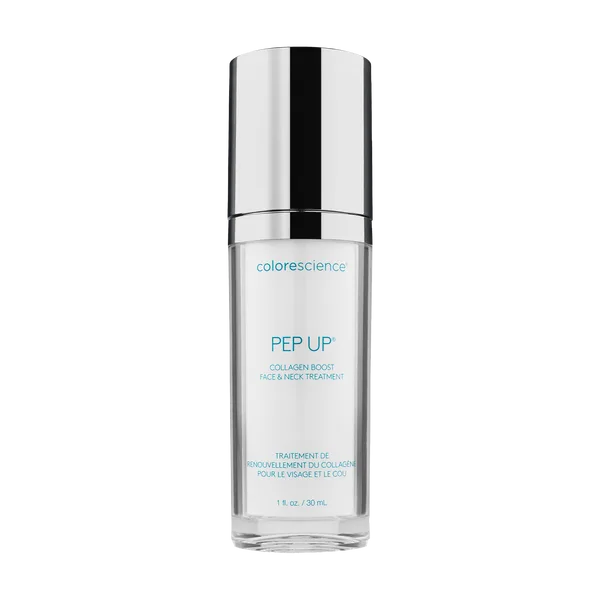
Pep Up Collagen Renewal Face & Neck Treatment
10-Peptide Powerhouse
 Verified reviewer
Pros & cons.
- +10 distinct peptides targeting collagen synthesis through multiple mechanisms simultaneously
- +Copper tripeptide-1 is one of the most clinically validated anti-aging peptides available
- +Lightweight silky texture that absorbs cleanly and layers well under other products
- +Hydrating enough to replace moisturizer for many skin types
- +Airless pump packaging protects peptide integrity from oxidation
- +Designed for both face and neck — addresses often-neglected neck aging
- +Silicone-free formula with gentle preservative system
- −Extremely expensive at $179 per ounce — among the priciest peptide serums available
- −Slight unusual scent from ferment and peptide ingredients bothers some users
- −Can cause breakouts in acne-prone skin due to soybean oil and polyisobutene
- −Results require 8-12 weeks of consistent use to evaluate — a costly patience test
- −Contains hydrolyzed wheat protein — concern for some gluten-sensitive individuals
- −Evidence that 10 peptides outperform a simpler 3-4 peptide formula is limited
The full review.
About Colorescience
The peptide roster summarizes decades of anti-aging research. Palmitoyl tripeptide-1 and palmitoyl tetrapeptide-7 form the Matrixyl 3000 complex. This peptide combination is heavily clinically studied; it stimulates collagen types I and IV synthesis and reduces inflammatory markers that accelerate matrix degradation. Palmitoyl tripeptide-5 is a collagen fragment that signals fibroblasts to produce more structural protein, making skin behave as if it were younger. Copper tripeptide-1 (GHK-Cu) is a highly validated peptide in dermatology. It promotes collagen synthesis, increases glycosaminoglycan production, stimulates blood vessel growth, and shows wound-healing properties in multiple controlled studies.
Dipeptide diaminobutyroyl benzylamide diacetate — marketed as Syn-Ake — is a synthetic peptide that mimics the temple viper’s neurotoxin on acetylcholine receptors. It temporarily relaxes the micro-contractions that create expression lines. Tripeptide-10 citrulline regulates collagen fiber diameter to improve the quality of new collagen. Acetyl tetrapeptide-9 stimulates lumican synthesis, a proteoglycan that organizes collagen fibrils. SH-oligopeptide-1 is a growth factor-like peptide that supports cellular proliferation.
Reality
This formula uses at least six distinct mechanisms of action: collagen stimulation, matrix protection, expression line relaxation, collagen quality improvement, glycosaminoglycan production, and cellular proliferation. The theoretical case for a multi-peptide approach is sound. Aging involves multiple simultaneous processes, so addressing them all should yield better results than targeting one pathway. Whether these peptides interact synergistically in a cosmetic formulation, at these concentrations, on real human skin over real timeframes, lacks strong evidence.
Texture
The texture is surprising. Despite the dense active ingredients, the serum is lightweight and silky rather than heavy or clinical. It absorbs cleanly without stickiness or residue. It layers well under other products, which helps for a treatment used twice daily for months. The airless pump packaging protects the peptides from oxidation to maintain activity throughout the bottle’s life.
Scent
The scent is notable. The ferment and peptide ingredients produce a faint, unusual smell that some users find off-putting. It is not added fragrance and dissipates within a minute of application, but it is noticeable to scent-sensitive users.
Common Praise
The hydration is substantial enough that many users skip moisturizer, especially in warmer months. Glycerin, hyaluronic acid, and snow mushroom extract form a hydration triad that keeps skin comfortable all day.
Common Complaints
Some users report breakouts, especially those with acne-prone or oily skin. The formula contains soybean oil and polyisobutene, which can be comedogenic for sensitive skin. This product targets aging skin—typically normal to dry—and may not suit those managing acne.
Ingredient analysis.
Full INCI list
Water/Aqua/Eau, Isoamyl Laurate, Glycerin, Polyacrylate-13, Polyisobutene, Sodium Hyaluronate, Pseudoalteromonas Ferment Extract, Tripeptide-1, Hexapeptide-2, Palmitoyl Tetrapeptide-7, Palmitoyl Tripeptide-1, Palmitoyl Tripeptide-5, Copper Tripeptide-1, Tripeptide-10 Citrulline, Acetyl Tetrapeptide-9, SH-Oligopeptide-1, Dipeptide Diaminobutyroyl Benzylamide Diacetate, Hydrolyzed Wheat Protein, Hydrolyzed Soy Protein, Physalis Angulata Extract, Betaine, Tremella Fuciformis Sporocarp Extract, Tocopherol, Beta-Glucan, Avena Sativa (Oat) Kernel Extract, Glycine Soja (Soybean) Oil, Hydrogenated Lecithin, Dimethylmethoxy Chromanol, Mannitol, Polysorbate 20, Ethylhexylglycerin, Caprylhydroxamic Acid, Caprylyl Glycol, Carbomer, Sodium Lactate, Lecithin, Xanthan Gum, Triethanolamine, Butylene Glycol, Disodium EDTA, Sodium Oleate, Sorbitan Isostearate, Caprylic/Capric Triglyceride, Potassium Sorbate, Phenoxyethanol
Skin match.
The science.
The Science
The flagship peptides in this formula have different levels of clinical evidence. Copper tripeptide-1 (GHK-Cu) has over 60 years of research. A 2018 review in the International Journal of Molecular Sciences shows GHK-Cu stimulates collagen synthesis, increases glycosaminoglycan production, and promotes angiogenesis. Clinical studies show topical GHK-Cu improves skin elasticity, firmness, and wrinkle reduction.
The Matrixyl components (palmitoyl tripeptide-1 and palmitoyl tetrapeptide-7) appeared in a 2005 clinical trial in the International Journal of Cosmetic Science. That study shows the combination reduced wrinkle depth by up to 45% over 2 months in 35 female volunteers — matching retinol performance in some metrics without the irritation.
Palmitoyl tripeptide-5 stimulates TGF-beta, a growth factor that drives collagen production. In vitro studies show it increases collagen synthesis by up to 119% in human fibroblast cultures. Dipeptide diaminobutyroyl benzylamide diacetate (Syn-Ake) reduces wrinkle depth by up to 52% in 28 days in a small clinical study by reducing acetylcholine-driven muscle micro-contractions.
A 10-peptide formula faces a theoretical challenge: peptide-peptide interaction. Multiple peptides in one vehicle may compete for cellular receptors or interfere with each other's mechanisms. Current research has not specifically studied combinations of this complexity. The formulation assumes additive or synergistic effects; this is reasonable given the distinct mechanisms of action, but controlled clinical settings have not confirmed this at cosmetic concentrations.
References
- GHK Peptide as a Natural Modulator of Multiple Cellular Pathways in Skin Regeneration — International Journal of Molecular Sciences (2018)
- Effect of a cosmetic 'anti-ageing' product improvement in the maturity of the facial skin surface — International Journal of Cosmetic Science (2005)
Dermatologist Perspective
Dermatologists view peptides as a valuable anti-aging ingredient class with a favorable safety profile, making them suitable for patients who cannot tolerate retinoids. Board-certified dermatologists note copper tripeptide-1 has the strongest evidence base among the peptides in this formula, with documented collagen-stimulating and wound-healing properties. Dermatologists typically recommend peptide serums as part of a comprehensive anti-aging routine that also includes sunscreen and, for those who can tolerate it, a retinoid. The multi-peptide approach is theoretically sound because different peptides address different aspects of skin aging, though dermatologists caution that clinical evidence for specific multi-peptide combinations at cosmetic concentrations is still developing. For patients focused on neck and décolletage aging, dermatologists note this is one of the few products specifically formulated for this concern.
Where it fits in your routine.
Apply 2-3 pumps to clean skin every morning and evening. Press and smooth it across the face, neck, and décolletage. Wait 30-60 seconds for absorption before applying sunscreen (AM) or moisturizer (PM). Normal to combination skin can use it alone as a moisturizer. For sensitive skin, apply once daily and increase to twice daily over two weeks.
At $179 for 1 ounce, this peptide serum is among the most expensive on the market. SkinMedica (TNS Advanced+, ~$280/1oz) costs more, but The Ordinary (Buffet, ~$17/1oz) is much cheaper. The higher price pays for a unique 10-peptide formula, copper tripeptide-1, marine extremozyme technology, and the quality assurance of a clinical brand sold in dermatology offices. The core question is whether 10 peptides justify 10x the price of a 4-peptide formula. Using it twice daily lasts 6-8 weeks per bottle, making the annual cost $1,200-1,500.
Anti-aging consumers seeking the most comprehensive peptide formula and clinical-grade skincare. Users who cannot tolerate retinoids but need serious, gentle anti-aging treatment. People targeting neck and décolletage aging.
Budget-conscious consumers can find effective peptide serums for much less, even with fewer peptides. People with oily or acne-prone skin may react to the soybean oil or thick formula. Those with a wheat allergy should note the hydrolyzed wheat protein. If you want dramatic results in weeks instead of months, the slow-build peptide timeline may frustrate you.
Product details.
Lightweight serum-cream hybrid has a silky, slightly viscous texture. It absorbs well and feels neither heavy nor sticky.
The peptide and ferment ingredients create a slight natural scent. This is not fragrance-added, but some users notice it. The scent dissipates quickly after application.
Airless pump bottle in Colorescience's signature white clinical design. The airless pump protects the peptides from oxidation and contamination.
The serum feels silky and hydrating on first application, leaving a dewy finish. The slight scent is unexpected but fades fast. Hyaluronic acid makes skin feel plumper and smoother immediately. Most users experience no irritation or stinging, though acne-prone skin may breakout in the first two weeks.
6-8 weeks with twice-daily face and neck application.
12 months
All Year
The backstory.
Colorescience developed Pep Up to extend their clinical skincare range beyond sun protection into active anti-aging treatment. The 10-peptide approach reflects the brand's philosophy that multi-target formulations are more effective than single-active products — each peptide addresses a different aspect of the collagen decline that drives visible aging. The face-and-neck positioning acknowledges that neck aging is often neglected in skincare routines.
About Colorescience
Established Brand (5–20 years)Colorescience launched in 2000. Clinical testing, patented formulations, and distribution through dermatology offices build its credibility. This peptide serum has 10 distinct peptides — one of the highest peptide counts in a single product.
Common myths.
Peptides can't penetrate skin deeply enough to stimulate collagen production.
Peptide penetration depends on molecular weight and lipophilicity. The palmitoyl peptides in this formula (palmitoyl tripeptide-1, palmitoyl tripeptide-5) are lipidated. This fatty acid chain improves skin penetration. Clinical studies on these specific peptides show measurable increases in collagen synthesis.
Retinol works for anti-aging; peptides are just a gentler, weaker alternative.
Peptides and retinoids use different mechanisms. Retinoids speed up cell turnover and increase collagen gene expression. Peptides signal fibroblasts directly and inhibit collagenase (the enzyme that breaks down collagen). They complement rather than compete with each other. Peptides cause less irritation, so they work for sensitive skin that cannot tolerate retinoids.
FAQ.
How many peptides are in Colorescience Pep Up?
Pep Up contains 10 distinct peptides that target different skin aging aspects: signal peptides stimulate collagen and elastin production, copper tripeptide-1 handles matrix remodeling, a neurotransmitter-inhibiting peptide (Syn-Ake) targets expression lines, and growth factor-like peptides support cellular renewal. This is one of the highest peptide counts in a single skincare product.
Can I use Pep Up instead of moisturizer?
Many users use this hydrating formula as a standalone moisturizer, especially in warmer months or for normal to combination skin. The hyaluronic acid, glycerin, and snow mushroom extract provide hydration. In drier conditions or for very dry skin, you may want a moisturizer on top.
Is the Colorescience Pep Up worth $179?
The 10-peptide formula is unique in its complexity and scope. Multi-peptide serums from clinical brands usually cost $80-150, so this price is high for the category. Results show for many users after 8-12 weeks of consistent use, a large commitment at this price point.
Can I use Pep Up with retinol?
Yes. Peptides and retinoids are complementary, not conflicting. You can use Pep Up in the morning and retinol at night, or alternate them at night if your skin is sensitive. The peptides can actually help support skin that's being stressed by retinoid use by promoting collagen synthesis and barrier repair.
Does Pep Up work on the neck and décolletage?
Yes — the formula works on both face and neck. The peptides and hydrating ingredients target neck skin, which is thinner and more prone to sagging and crepiness. Apply it down to the décolletage for full anti-aging coverage.
What the community says.
"Layers well under other products without pilling"
"Noticeable improvement in skin firmness and texture over time"
"Hydrating enough to replace moisturizer for some skin types"
"High-quality peptide complex with 10 distinct peptides"
"Good for both face and neck"
"Extremely expensive at $179 per ounce"
"Has a slight unusual scent that some find off-putting"
"Can cause breakouts for some acne-prone users"
"Results take 8-12 weeks to become noticeable"
"Contains wheat protein — not suitable for gluten-sensitive individuals who avoid topical wheat"
People also looked at.