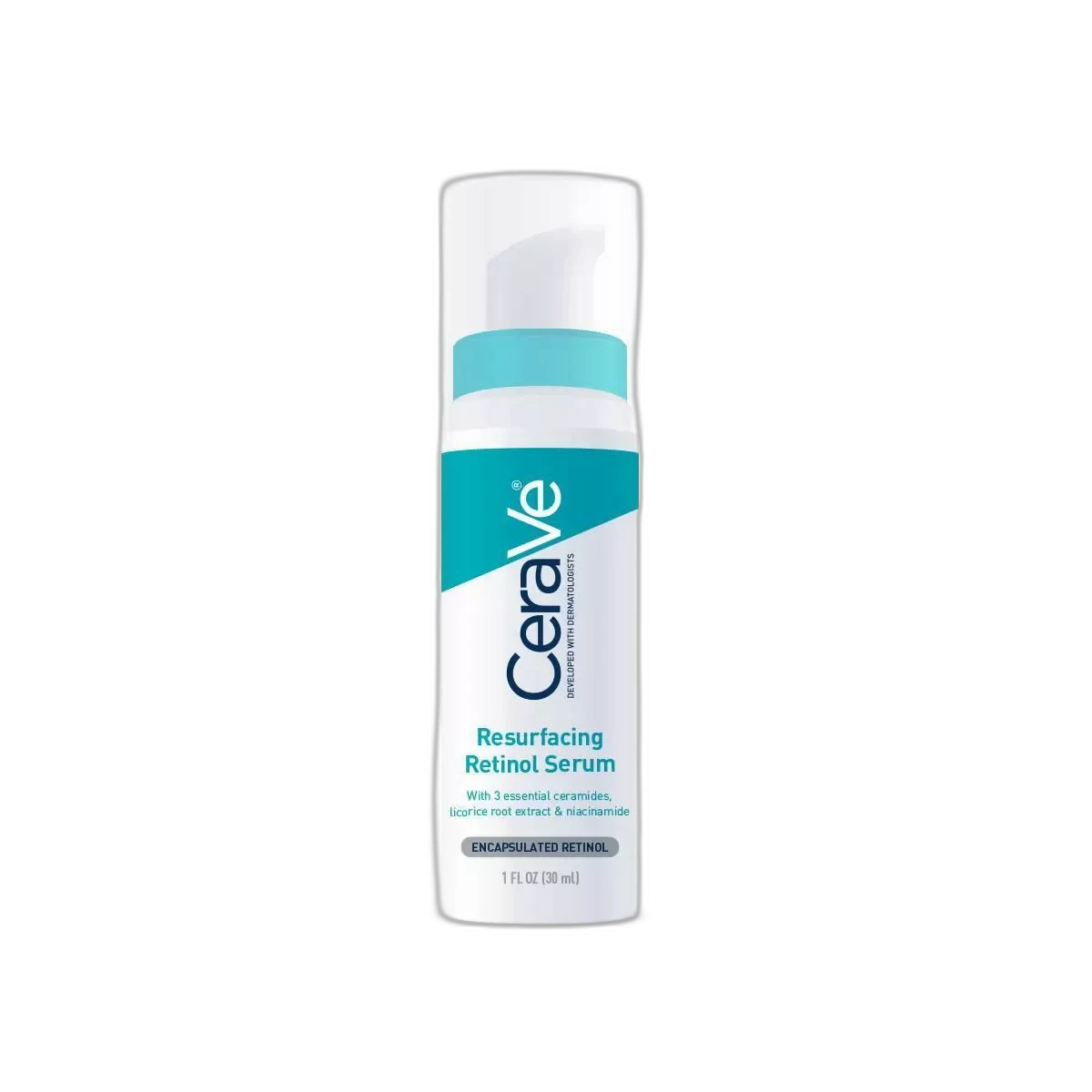
Resurfacing Retinol Serum
Beginner-Friendly Pick
 Verified reviewer
Pros & cons.
- +Encapsulated retinol provides gradual release that minimizes the retinization period
- +Niacinamide at significant concentration buffers irritation while independently brightening dark marks
- +Licorice root extract adds a third anti-hyperpigmentation mechanism via tyrosinase inhibition
- +Three ceramides continuously repair the barrier damage that retinol causes
- +Lightweight, fast-absorbing texture layers easily under moisturizer
- +Affordable entry point for retinol at under twenty-two dollars
- −Retinol concentration is too low for experienced users seeking aggressive resurfacing
- −Results appear slowly — four to twelve weeks before visible improvement
- −Contains alcohol and isopropyl myristate which may concern sensitive or acne-prone users
- −One-ounce bottle lasts only six to eight weeks with nightly use
- −Not suitable during pregnancy or breastfeeding due to retinol content
The full review.
Retinol is the most evidence-backed OTC ingredient for skin resurfacing, dark mark reduction, and anti-aging. This is not a marketing claim; decades of peer-reviewed research, hundreds of clinical trials, and near-universal dermatologist endorsement support it. The evidence is so clear that the only question is not whether retinol works, but why so many users stop.
The answer is the retinization period—a two-to-six-week stretch where retinol accelerates cell turnover faster than skin can adapt. During this phase, skin peels, reddens, dries, and sometimes looks worse than before treatment. It is like a construction site: the renovation is happening, but the dust and scaffolding are messy. Most retinol users—compliance data suggests a majority—quit during this phase and lose the cumulative benefits that require months of consistent use.
CeraVe’s Resurfacing Retinol Serum addresses this compliance issue. The retinol is encapsulated, meaning a delivery vehicle releases it gradually over hours instead of all at once. This controlled release reduces the peak irritation that causes severe retinization symptoms while maintaining the sustained retinol presence needed for cell turnover. It is the difference between a controlled drip and a fire hose.
Encapsulation is only one part of the strategy. Niacinamide, listed fifth in the ingredients at a significant concentration, provides anti-inflammatory support to counteract retinol-induced irritation. Research shows niacinamide inhibits pro-inflammatory cytokine production and strengthens the skin barrier, mitigating the peeling and redness retinol provokes. It also independently brightens hyperpigmentation by inhibiting melanosome transfer, making it synergistic with retinol for targeting post-acne marks.
Dipotassium glycyrrhizate—from licorice root—adds a third mechanism against dark marks. It inhibits tyrosinase, the enzyme that catalyzes melanin production. This provides a third pathway for fading hyperpigmentation alongside retinol’s cell turnover and niacinamide’s melanosome blocking. Three ingredients, three mechanisms, one target. This strategy maximizes the odds of visible improvement for this serum’s specific concerns.
The ceramide complex—NP, AP, and EOP—is CeraVe’s signature, but here it has a critical function. Retinol disrupts the skin barrier as a side effect of accelerating cell turnover. A damaged barrier increases transepidermal water loss, causing dryness and peeling that leads to user dropout. The ceramides repair that barrier damage in real time, creating a self-correcting system where retinol resurfaces while ceramides fix the collateral damage.
The serum is lightweight and fast-absorbing with no heaviness, stickiness, or visible residue. Two to three pumps cover the full face and neck. The initial weeks are much quieter than stronger retinol products; some users report mild dryness or a few flakes, but the dramatic peeling, redness, and burning of aggressive retinol are largely absent. This gentleness is the product’s greatest strength and, for some, its limitation.
The limitation is potency. While CeraVe does not disclose the exact concentration, the INCI position and focus on gentle resurfacing suggest a 0.1-0.3% range. For retinol beginners and those targeting post-acne marks, this concentration produces visible results when used consistently over months. For experienced users adapted to higher concentrations, this serum may feel underwhelming. It is a starter retinol that excels at that specific job.
Results emerge gradually. Dark marks begin to fade after four to six weeks of nightly use. Skin texture feels smoother after eight to twelve weeks. Pores appear less prominent over that same timeline. The slow pace may frustrate users seeking dramatic immediate changes, but gradual improvement is more sustainable and avoids the barrier damage common with aggressive products.
The formula contains a small amount of alcohol as a solvent for the retinol encapsulation system and isopropyl myristate for texture and penetration. Both are notable: alcohol can irritate very sensitive skin, and isopropyl myristate has moderate comedogenic potential. For most users, these concentrations are too low to cause issues, though they may concern ingredient-conscious consumers.
At $21.99 for one ounce, the price competes with drugstore retinol serums and is much lower than prestige products that cost $50-100 for similar or smaller volumes. One bottle lasts six to eight weeks with nightly use, making the annual investment approximately $140-190—a reasonable cost for a cornerstone treatment.
Sunscreen is non-negotiable during retinol use. Accelerated cell turnover makes skin more photosensitive; UV exposure without protection can worsen the hyperpigmentation you are treating. Daily SPF 30+ is essential, rain or shine.
CeraVe Resurfacing Retinol Serum does not aim to be the most powerful retinol available. It aims to be the retinol you actually finish, repurchase, and use consistently to build cumulative benefits. For post-acne marks, texture concerns, and retinol-curious users, that is the right goal.
Formula
### PM routineIngredient analysis.
Full INCI list
Aqua/Water/Eau, Propanediol, Dimethicone, Cetearyl Ethylhexanoate, Niacinamide, Ammonium Polyacryloyldimethyl Taurate, Dipotassium Glycyrrhizate, Hydrogenated Lecithin, Potassium Phosphate, Ceramide NP, Ceramide AP, Ceramide EOP, Carbomer, Cetearyl Alcohol, Behentrimonium Methosulfate, Dimethiconol, Lecithin, Sodium Citrate, Retinol, Sodium Hyaluronate, Sodium Lauroyl Lactylate, Cholesterol, Phenoxyethanol, Alcohol, Isopropyl Myristate, Caprylyl Glycol, Citric Acid, Trisodium Ethylenediamine Disuccinate, Pentylene Glycol, Phytosphingosine, Xanthan Gum, Polysorbate 20, Ethylhexylglycerin
Skin match.
The science.
The Science
The CeraVe Resurfacing Retinol Serum uses multiple pathways to resurface skin and reduce hyperpigmentation. A two-step enzymatic process converts encapsulated retinol to retinoic acid (retinol to retinaldehyde to retinoic acid) inside the skin. This acid binds to retinoid receptors (RARs) and activates gene transcription to increase cell turnover, collagen synthesis, and normalize melanocyte function. The encapsulation technology provides sustained release, which lowers peak retinoid acid concentrations at the cellular level to reduce irritation while maintaining efficacy.
A 2002 study by Hakozaki et al. in the British Journal of Dermatology supports niacinamide. The study shows 5% topical niacinamide significantly reduces hyperpigmentation by inhibiting melanosome transfer from melanocytes to keratinocytes. This mechanism complements retinol's acceleration of pigmented cell turnover: retinol removes existing pigmented cells faster while niacinamide prevents new ones from receiving excess melanin.
Dipotassium glycyrrhizate (licorice root derivative) inhibits tyrosinase activity via its active compound glabridin. This provides a third anti-pigmentation pathway that targets melanin production at its enzymatic source. A study in the Journal of Agricultural and Food Chemistry confirmed glabridin inhibits tyrosinase activity without cytotoxicity to melanocytes.
The ceramide complex has a key pharmacokinetic role in retinol formulations. Research shows retinol-induced barrier disruption increases transepidermal water loss and inflammatory mediator release. By continuously replenishing stratum corneum lipids, the ceramides maintain barrier integrity during retinol treatment. This reduces the dehydration and inflammation that drive the retinization period and improves long-term treatment adherence.
References
- The effect of niacinamide on reducing cutaneous pigmentation and suppression of melanosome transfer — British Journal of Dermatology (2002)
Dermatologist Perspective
Dermatologists often recommend the CeraVe Resurfacing Retinol Serum as an entry-level retinol product for patients new to retinoid therapy, especially those targeting post-acne hyperpigmentation and uneven skin texture. Board-certified dermatologists note the ceramide-buffered vehicle significantly improves tolerability over retinol products in basic serum bases. This reduces the barrier disruption and irritation that cause most patients to stop retinol treatment. For patients who previously failed retinol due to intolerance, dermatologists often recommend this serum as a re-introduction option. Dermatologists also value the niacinamide and licorice root combination for providing adjunctive brightening through non-retinoid mechanisms.
Where it fits in your routine.
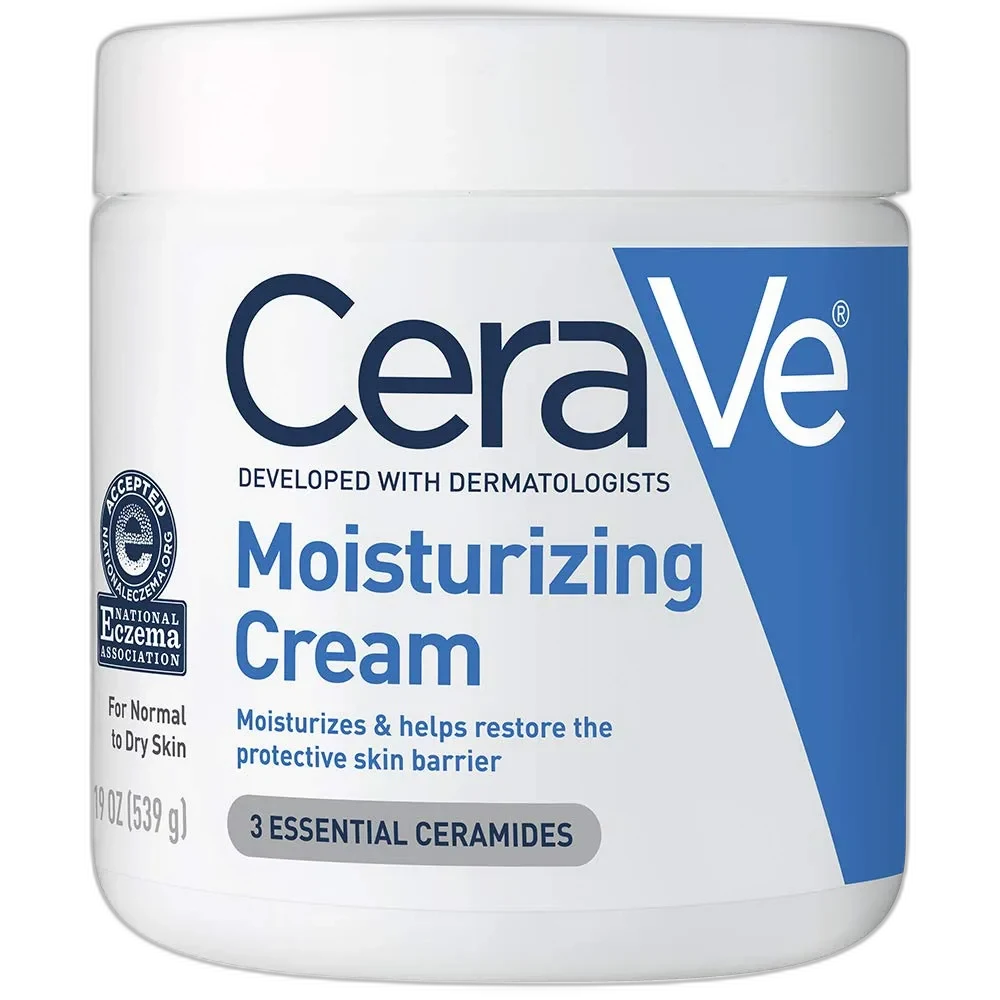
Use only in the PM on clean, dry skin. Dispense two to three pumps and spread evenly over the face and neck, but avoid the lips and eye area. Use every other night for the first two to four weeks so skin acclimates, then use nightly as tolerated. Follow with CeraVe Moisturizing Cream or another ceramide-based moisturizer. Apply SPF 30+ sunscreen in the morning; this is essential when using retinol. If skin peels or feels dry, use it less often or apply moisturizer before the retinol to buffer.
At $21.99 for one ounce, this serum costs less than prestige retinol serums, which often range from $50 to $100 for similar or smaller sizes. The formulation — encapsulated retinol with ceramides, niacinamide, and licorice root — costs much more from a prestige brand. One bottle lasts six-to-eight weeks, making the annual cost about $140-190, a modest price for a cornerstone treatment product. For retinol beginners, the tolerability-focused formulation reduces the risk of paying for a product you abandon before it delivers results.
Retinol beginners seeking a gentle, well-buffered start to retinoid therapy. It works for those targeting post-acne dark marks, uneven skin texture, enlarged pores, or early signs of aging without the harsh adjustment period. It also suits anyone who stopped using stronger retinol products because of irritation.
Experienced retinol users adapted to higher concentrations need more aggressive resurfacing. Pregnant or breastfeeding women must avoid all retinol products. People with very sensitive skin, active rosacea, or severely compromised barriers should consult a dermatologist before using any retinol product.
Product details.
Fragrance-free with no discernible scent. ***
Small frosted white bottle with a pump dispenser. Clean CeraVe branding in blue and green. The pump provides precise dosing — two to three pumps covers the full face. ***
First applications are gentle for a retinol product — no immediate burning, stinging, or redness. Some users see mild dryness or flaking after the first week as the retinol starts cell turnover (the retinization period). This adjusts within two to four weeks for most users. The ceramides and niacinamide in the formula reduce the severity of this adjustment compared to retinol products without barrier support. ***
6-8 weeks with nightly use ***
12 months ***
All Year ***
The backstory.
CeraVe entered the retinol market in 2019, later than many competitors, because they wanted to solve the retinol compliance problem first. The brand's dermatologist developers knew that retinol is the most evidence-backed OTC anti-aging and resurfacing ingredient available, but also that most users quit within weeks due to irritation. By applying their ceramide barrier-repair philosophy to the retinol vehicle, they created a serum specifically designed for the people who had tried retinol before and given up.
About CeraVe
Legacy Brand (20+ years)Dermatologists helped develop CeraVe in 2005. It is the number-one dermatologist-recommended skincare brand in the U.S. The Resurfacing Retinol Serum uses the brand's ceramide-first philosophy for retinol delivery to minimize the irritation that causes many retinol users to quit before seeing results.
Common myths.
You need a high concentration of retinol for it to work.
Research shows low retinol concentrations improve skin texture, pigmentation, and collagen synthesis over time. Success requires consistent, sustained use. A lower-concentration retinol used every night for six months works better than a high-concentration retinol you stop using after two weeks of irritation.
Retinol and niacinamide cannot be used together.
This myth relies on one in-vitro study using niacin (not niacinamide) and retinoic acid (not retinol) under extreme conditions. CeraVe combines them in this product because they work together — niacinamide reduces retinol-induced inflammation and independently aids skin brightening and barrier repair.
FAQ.
What concentration of retinol is in CeraVe Resurfacing Retinol Serum?
CeraVe does not disclose the exact retinol percentage. Because it sits near the end of the INCI list and targets gentle resurfacing, the concentration is likely 0.1-0.3% — suitable for retinol beginners and sensitive skin types. The encapsulation technology extends the retinol's activity, providing efficacy beyond the concentration alone.
Can I use CeraVe Retinol Serum every night?
Use every other night for the first two to four weeks so your skin acclimates. If you have minimal dryness or flaking, increase to nightly use. The ceramides and niacinamide in the formula buffer the adjustment period, but patience during retinization is necessary for long-term tolerability.
Does CeraVe Retinol Serum work for acne scars?
It treats post-inflammatory hyperpigmentation (the dark marks acne leaves behind) using retinol-accelerated cell turnover, niacinamide-inhibited melanin transfer, and licorice root tyrosinase suppression. Retinol improves the appearance of textural (atrophic or ice-pick) acne scars over time, but microneedling or laser resurfacing usually provides more significant improvement.
Can I use CeraVe Retinol Serum with vitamin C?
Yes, but use them at different times. Apply vitamin C serum in the morning (it provides antioxidant protection with sunscreen) and the retinol serum at night. Using them together causes irritation and reduces the efficacy of both ingredients because they require different pH environments.
Is CeraVe Retinol Serum safe during pregnancy?
No — retinol and all retinoid derivatives are not recommended during pregnancy or breastfeeding because they cause teratogenic effects. Stop use if you become pregnant or plan pregnancy. Ask your OB-GYN or dermatologist for pregnancy-safe alternatives for skin resurfacing.
Do I need sunscreen when using CeraVe Retinol Serum?
Yes — this is non-negotiable. Retinol increases photosensitivity by accelerating cell turnover and thinning the stratum corneum. Daily SPF 30+ sunscreen is essential when using any retinol product, even on cloudy days. Without sunscreen, retinol can actually worsen hyperpigmentation — the opposite of what you are trying to achieve.
How long does it take to see results from CeraVe Retinol Serum?
Post-acne dark marks fade visibly after 4-6 weeks of consistent nightly use. Skin texture and pores improve after 8-12 weeks. Full resurfacing takes 3-6 months. The encapsulated retinol and gentle formulation produce gradual rather than dramatic results, but these results stay sustainable with continued use.
What the community says.
"Minimal irritation compared to other retinol products"
"Noticeable improvement in post-acne marks over weeks"
"Lightweight texture absorbs quickly under moisturizer"
"Affordable entry point for retinol beginners"
"Niacinamide and ceramides make the retinol more tolerable"
"Retinol concentration feels too low for experienced users"
"Results take longer to appear than stronger retinol products"
"Contains alcohol and isopropyl myristate"
"Small 1 oz bottle runs out quickly"
"Some users report minimal visible improvement even after months"