Diabetics Dry Skin Relief Moisturizing Cream
Diabetic Skin Essential
 Verified reviewer
Pros & cons.
- +Urea softens thickened hyperkeratotic skin while drawing moisture in — dual action unique to this formula
- +Three essential ceramides repair the barrier dysfunction that diabetes specifically causes
- +Bilberry extract provides antioxidant and microcirculation support for vascular-compromised skin
- +Fragrance-free and paraben-free — conservative ingredient choices for medically vulnerable skin
- +90% of tested users reported immediately smoother skin
- +Addresses the root causes of diabetic dry skin, not just surface symptoms
- −Only available in a single 8 oz size — no bulk option for daily full-body use
- −Higher price per ounce than regular CeraVe Moisturizing Cream
- −Urea can sting on broken or cracked skin during initial applications
- −Limited retail availability compared to CeraVe's mainstream products
- −Diabetics' branding may deter non-diabetic consumers who would benefit from the formula
- −Tub packaging is less hygienic than a pump
The full review.
Some dry skin resists regular moisturizers. Nerve damage can reduce sweating, while vascular changes starve skin of nutrients, causing the outer layer to thicken into an armored texture. Cracking on heels and shins can signal neuropathy or peripheral vascular disease. This diabetic dry skin affects many of the 37 million Americans living with diabetes.
CeraVe’s Diabetics’ Dry Skin Relief Moisturizing Cream targets this population. The formula addresses structural and functional changes that require more than a thicker layer of ordinary cream.
Urea is the critical addition. This naturally occurring compound is a humectant that draws moisture into the skin and a keratolytic that softens and thins the thickened outer skin layer. Urea addresses hyperkeratosis—the abnormal thickening of the stratum corneum—which standard moisturizers cannot. Petrolatum traps moisture and glycerin attracts it, but neither softens the rough texture caused by diabetic neuropathy and vascular changes. Peer-reviewed dermatology journals validate urea for diabetic skin conditions.
The ceramide foundation—NP, AP, EOP—addresses barrier dysfunction. Diabetes damages small blood vessels, impairing the skin’s ability to maintain its barrier. Ceramide supplementation provides the building blocks the skin cannot produce alone, restoring the intercellular lipid matrix to prevent moisture loss and microbial invasion. Impaired barrier function in diabetic skin is well-documented; cracked skin creates entry points for infection, and diabetic wounds heal slowly.
Bilberry extract completes the diabetes-specific approach. Bilberry contains anthocyanins with antioxidant and anti-inflammatory properties, which support microcirculation—the small-vessel blood flow that diabetes compromises. While the concentration in a cosmetic product is modest compared to an oral supplement, it reflects a formula designed for peripheral vascular health.
CeraVe’s products are reliable. The texture is thick but spreadable; urea makes it smoother than the regular Moisturizing Cream. Applying it to cracked heels, rough shins, or thickened elbows produces immediate tactile improvement. The skin feels smoother after one application, matching the brand’s claim that 90% of tested users reported immediately smoother skin. After one to two weeks of consistent twice-daily use, urea’s keratolytic action thins rough patches and helps cracks heal, bringing skin closer to a normal texture.
Urea can sting on broken or cracked skin. The first few applications to active cracks may cause brief tingling or burning as urea interacts with exposed tissue; this usually subsides within minutes. This is not an intolerance, but users with open wounds should be aware.
The formulation is thoughtful for this population. Fragrance-free avoids sensitization risk for skin with impaired immune defense. Paraben-free preservatives add caution for a medically vulnerable population. The thick cream provides sustained occlusion, while the non-greasy absorption prevents slippery hands or floors—a safety factor for those prone to neuropathy-related falls.
At approximately $17 for 8 ounces, the per-ounce price is higher than the regular CeraVe Moisturizing Cream. This reflects the specialized ingredients (urea, bilberry) and a smaller production run. It is available at fewer retailers than mainstream CeraVe products. The single 8-oz size offers no bulk purchasing advantage for daily full-body use.
The product’s name is its clearest communication and its biggest limitation. Branding it explicitly for diabetics signals relevance to a population where skincare is a medical necessity. However, it may discourage non-diabetic consumers who need the urea-ceramide combination for keratosis pilaris, severe callusing, or chronic roughness.
This cream fills a gap for its target population. Diabetes management includes addressing dermatological consequences that can escalate from discomfort to medical emergency if cracked skin becomes infected. This drugstore-priced, dermatologist-developed moisturizer addresses the mechanisms of diabetic skin damage for the nearly one in seven American adults with the condition.
Formula
PM routine
Ingredient analysis.
Full INCI list
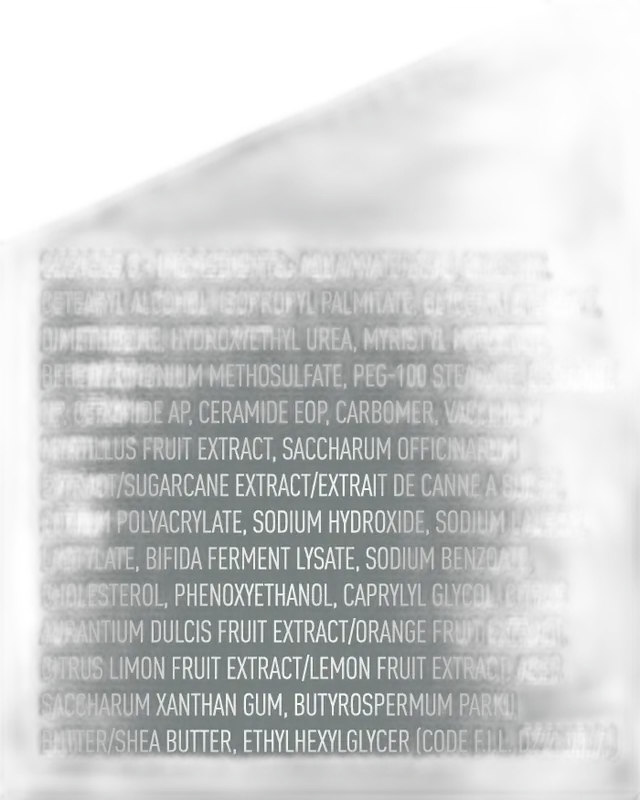
Aqua/Water/Eau, Glycerin, Cetearyl Alcohol, Isopropyl Palmitate, Glyceryl Stearate, Dimethicone, Hydroxyethyl Urea, Myristyl Myristate, Behentrimonium Methosulfate, PEG-100 Stearate, Ceramide NP, Ceramide AP, Ceramide EOP, Carbomer, Vaccinium Myrtillus Fruit Extract, Saccharum Officinarum Extract/Sugarcane Extract/Extrait De Canne A Sucre, Sodium Polyacrylate, Sodium Hydroxide, Sodium Lauroyl Lactylate, Bifida Ferment Lysate, Sodium Benzoate, Cholesterol, Phenoxyethanol, Caprylyl Glycol, Citrus Aurantium Dulcis Fruit Extract/Orange Fruit Extract, Citrus Limon Fruit Extract/Lemon Fruit Extract, Acer Saccharinum, Xanthan Gum, Butyrospermum Parkii Butter/Shea Butter, Ethylhexylglycerin
Skin match.
The science.
The Science
Diabetes-specific moisturizers address the documented dermatological effects of the disease.
A review in the Journal of the European Academy of Dermatology and Venereology (Darlenski et al., 2019) shows diabetic skin has lower stratum corneum hydration, higher transepidermal water loss, altered pH, and poor barrier recovery. Autonomic neuropathy (less sweating), peripheral vascular disease (less nutrient supply), and metabolic disruption of ceramide synthesis cause these changes.
Research, including studies by Eucerin's scientific team, shows urea works for diabetic skin. Moisturizers with at least 10% urea significantly reduce dryness, scaling, and skin thickening in people with diabetes. Urea has a dual mechanism: as a humectant, it binds water in the stratum corneum; as a keratolytic, it breaks hydrogen bonds between keratinocytes to soften and thin the hyperkeratotic layer in diabetic skin.
Ceramide supplementation fixes the barrier. Diabetic skin has less ceramide than healthy skin, which increases TEWL and makes skin prone to irritant and microbial penetration. The three ceramides in this formula (NP, AP, EOP) work with cholesterol and phytosphingosine to mimic the skin's natural intercellular lipid composition and provide building blocks for barrier restoration.
Bilberry (Vaccinium myrtillus) extract contains anthocyanins with antioxidant and anti-inflammatory properties. Research shows benefits for microcirculation and capillary integrity—important for diabetic skin where peripheral microangiopathy limits nutrient delivery. While cosmetic concentrations are lower than therapeutic supplement doses, the topical antioxidant works alongside the barrier repair and humectant components.
References
- Diabetic Skin Changes Can Benefit from Moisturizer and Cleanser Use: A Review — Journal of the European Academy of Dermatology and Venereology (2019)
Dermatologist Perspective
Dermatologists and endocrinologists increasingly view skincare as part of diabetes management. Board-certified dermatologists note that urea and ceramides together address the two main causes of diabetic dry skin: hyperkeratosis (thickening) and barrier dysfunction (moisture loss). Doctors often recommend this product alongside standard diabetes care for patients with dry, cracked, or rough skin—especially on the extremities where neuropathy and vascular changes are strongest. The fragrance-free, paraben-free formulation fits the conservative approach needed for skin with impaired immune defense.
Where it fits in your routine.
Apply a thick layer to clean, dry skin twice daily after morning and evening bathing. Target areas with diabetic dryness: feet (especially heels), legs, elbows, and hands. Apply while skin stays slightly damp to improve absorption. Urea may cause brief tingling on cracked or broken skin; this is normal and usually stops within minutes. Inspect feet daily for cracks, blisters, or skin changes to manage diabetes. Consult a healthcare provider if skin breaks become infected.
At approximately $16.99 for 8 oz, this cream costs about $2.12 per ounce. This is a premium over the regular CeraVe Moisturizing Cream ($0.60-1.00/oz depending on size), but urea and bilberry justify the cost for a specialized formula. The price accounts for ingredients absent from the standard line and the lower production volume of a niche product. For diabetics, the cost is low compared to the medical risks of untreated dry, cracked skin—diabetic foot infections cause hospitalization and, in severe cases, amputation. The single 8 oz size prevents bulk savings, and wider retail availability would improve accessibility for the target population.
People with diabetes have dry, rough, thickened, or cracking skin, especially on the extremities. It also works for non-diabetics with keratosis pilaris, severe callusing, or chronically hyperkeratotic dry skin that standard moisturizers do not fix. Use it if a dermatologist recommends a urea-based moisturizer with barrier repair.
People with healthy, normally hydrated skin do not need the urea and thick formula. Oily or combination skin types do not need this much hydration. If your dry skin responds well to the regular CeraVe Moisturizing Cream, you do not need to upgrade to this pricier specialized formula.
Product details.
Fragrance-free. Very faint neutral clinical smell. ***
White tub with dark blue Diabetics' line branding. 8 oz screw-top jar. Only one size exists.
Immediate smoothing and comfort — urea softens rough, thick skin on contact. Cracked or broken skin may sting or tingle mildly, but this sensation usually stops within minutes. Skin feels smoother after the first application. ***
Apply twice daily to body extremities (feet, legs, elbows, hands) for 6-8 weeks.
12 months ***
All Year ***
The backstory.
Developed in 2018 when CeraVe recognized that the approximately 37 million Americans with diabetes face specific dermatological challenges that general moisturizers don't adequately address. Diabetic skin suffers from reduced sweating (nerve damage), impaired barrier function (vascular damage), and hyperkeratosis — creating a unique set of needs that required urea's keratolytic properties alongside ceramide barrier repair.
About CeraVe
Legacy Brand (20+ years)Dermatologists helped develop CeraVe in 2005. It is the #1 dermatologist-recommended skincare brand in the US. The Diabetics' line addresses specific dermatological challenges of diabetes, a condition affecting over 37 million Americans with documented skin barrier compromise.
Common myths.
Only people with diabetes should use this product.
The urea-ceramide combination works for anyone with severely dry, thick, or rough skin, including keratosis pilaris, callused feet, and chronic winter dryness, even though it targets diabetic skin concerns. Diabetic skin challenges (barrier dysfunction, hyperkeratosis, dehydration) overlap with non-diabetic severe dry skin conditions.
Diabetes-related dry skin is regular dry skin that requires more moisturizer.
Diabetic dry skin stems from nerve damage (less sweating), vascular damage (less nutrient delivery to skin), and immune changes (higher infection risk from cracked skin). Standard moisturizers treat surface dryness but not the underlying barrier dysfunction and hyperkeratosis. The urea in this formula targets the thickened, rough skin caused by diabetes, while ceramides address the barrier compromise.
FAQ.
What is the difference between CeraVe Diabetics Cream and regular CeraVe Moisturizing Cream?
The Diabetics' Cream adds urea to soften thickened skin and attract moisture, plus bilberry extract for antioxidant and microcirculation support, to CeraVe's standard ceramide formula. It is paraben-free, unlike the regular Moisturizing Cream which contains parabens. The Diabetics' version targets the hyperkeratosis and barrier dysfunction caused by diabetes.
Can non-diabetics use CeraVe Diabetics Moisturizing Cream?
The urea-ceramide-bilberry formula works for anyone with severely dry, rough, or thickened skin, regardless of branding. It treats keratosis pilaris, severe callusing, chronically rough heels and elbows, and winter skin that standard moisturizers fail to resolve. The 'Diabetics' label describes the intended use case, not a restriction.
Why do people with diabetes need a special moisturizer?
Diabetes causes nerve damage that reduces sweating, vascular damage that impairs nutrient delivery to skin, and metabolic changes that lower ceramide production. This makes skin thicker, drier, and more prone to cracking and infection than standard dry skin. Regular moisturizers hydrate the surface but do not address the hyperkeratosis (thickening) or barrier dysfunction specific to diabetic skin.
Will CeraVe Diabetics Cream sting on cracked skin?
The urea in the formula causes brief tingling or stinging on cracked or broken skin. This sensation usually stops within minutes and is a normal reaction to urea contacting exposed tissue. It does not indicate an allergy or intolerance. Apply gently to cracked areas; the sensation diminishes as the skin heals with regular use.
Is CeraVe Diabetics Moisturizing Cream fragrance-free?
Yes — it is fragrance-free and paraben-free. These conservative formulation choices account for the higher sensitivity and infection risk of diabetic skin, which requires minimizing unnecessary potential irritants.
What the community says.
"Extremely moisturizing and smooth texture"
"Non-greasy despite being thick"
"Absorbs well without leaving residue"
"Dramatically improves dry, cracked heels and elbows"
"Fragrance-free and paraben-free"
"Urea addition makes a noticeable difference for severe dryness"
"Only available in one size (8 oz)"
"Higher price point than regular CeraVe Moisturizing Cream"
"Urea can sting on broken or cracked skin initially"
"Not widely available at all retailers"
"Name implies it's only for diabetics — anyone with very dry skin can benefit"