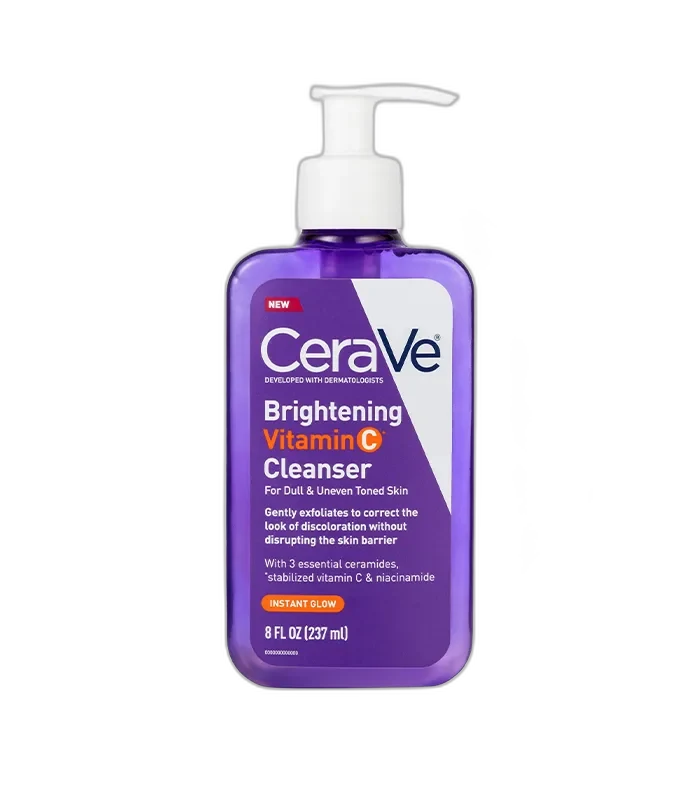
Brightening Vitamin C Facial Cleanser
Sensitive-Skin Brightener
 Verified reviewer
Pros & cons.
- +Stabilized vitamin C derivative tolerable for sensitive skin
- +Three ceramides prevent the usual post-wash tightness
- +Mild surfactant blend doesn't strip the barrier
- +Niacinamide adds genuine brightening support
- +Fragrance-free and pregnancy-safe
- +Excellent value at drugstore pricing
- +Pairs cleanly with most leave-on actives
- −Brightening effect is subtle without a leave-on serum
- −No pump dispenser on the bottle
- −May feel too gentle for very oily skin types
- −Not strong enough as a standalone dark spot treatment
The full review.
Vitamin C cleansers are usually a contradiction. Pure ascorbic acid requires a low pH and leave-on format to work, but a daily face wash needs a buffered surfactant system that rinses cleanly without stinging. Most brands solve this by adding a small amount of vitamin C to a regular cleanser and using a bright yellow label. CeraVe entered the category later, and the result feels more deliberate than most sub-$16 drugstore washes.
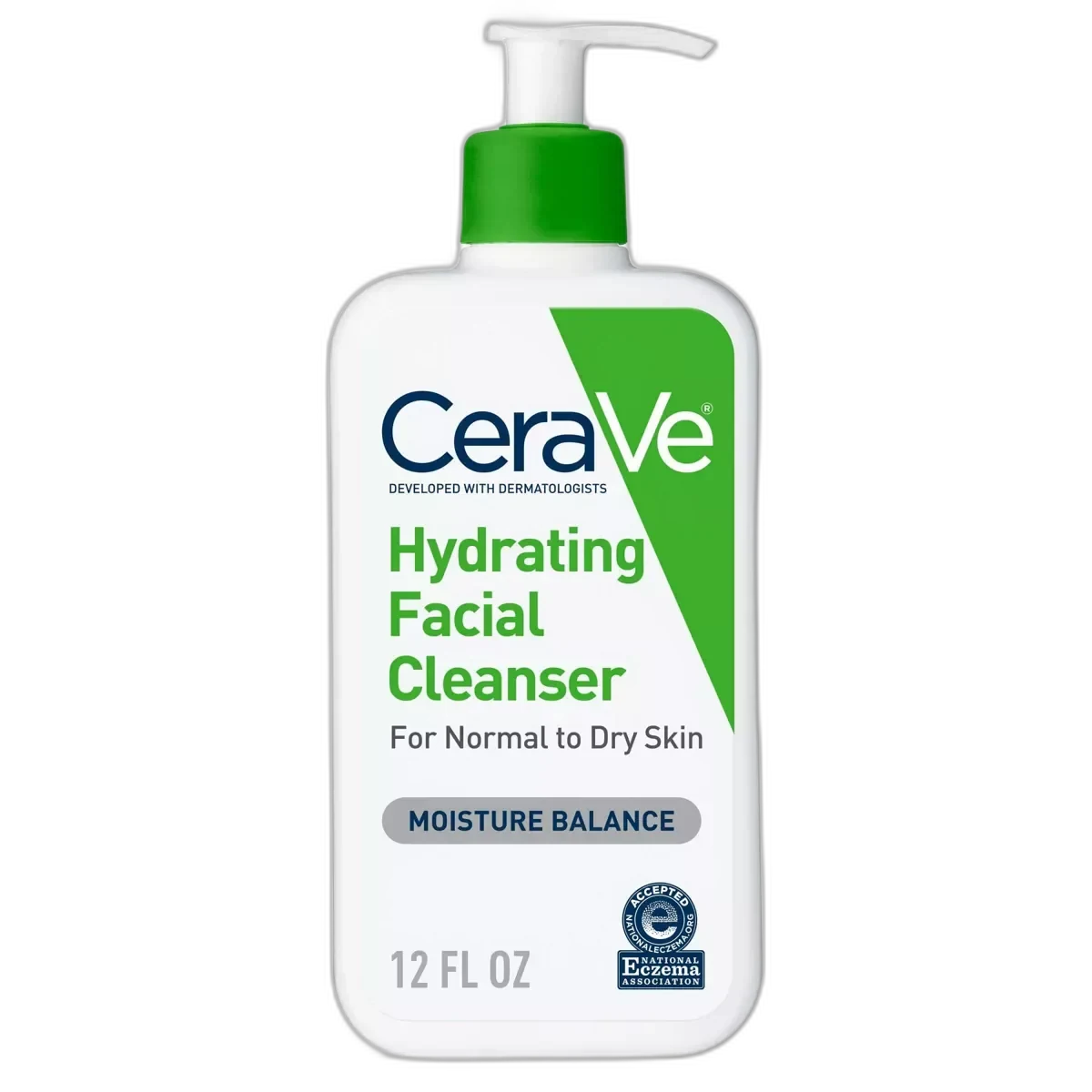
The product is a clear gel that lathers into a soft, creamy foam. The texture is similar to the brand’s Hydrating Cleanser; it feels light and rinses away without the squeaky drag that signals stripped skin. The active strategy is smart: instead of L-ascorbic acid, CeraVe uses sodium ascorbyl phosphate, a stabilized derivative that works in water-based formulas and pairs well with the brand’s signature three-ceramide barrier system. Niacinamide provides melanin-transfer inhibition and barrier support, while MVE delivery technology leaves a faint film of ceramides and humectants on the skin after rinsing.
Is it a brightening miracle? No, and CeraVe does not claim it is. This is a supportive layer in a brightening routine, not a standalone treatment. A wash stays on the skin for thirty seconds at most, so even the best vitamin C derivative has little time to work. With consistent twice-daily use, you can expect a gradual softening of surface dullness. For meaningful dark spot fading, you still need a leave-on serum and disciplined SPF.
This product works well for sensitive skin. Many people with reactive complexions stop using L-ascorbic acid serums after a week of stinging and pinkness and conclude that vitamin C does not work for them. This cleanser disproves that. Sodium ascorbyl phosphate is pH-neutral, the ceramides protect the barrier, and the rinse-off format limits exposure. It is a gentle entry point to vitamin C that pairs well with niacinamide serums and most moisturizers.
The formulation also avoids dehydration. Many brightening cleansers use harsh sulfates to create a “clean” feeling that leaves skin tight. CeraVe uses a milder surfactant blend—sodium methyl cocoyl taurate, cocamidopropyl betaine, and sodium cocoyl isethionate—to clean effectively without overshooting. Combined with glycerin and the ceramide film, the skin feels comfortable rather than stripped.
The value fits CeraVe’s typical profile. At around $16 for 8 ounces, the per-use cost is a fraction of department-store brightening cleansers, which often use the same vitamin C derivative in expensive packaging. The 8oz size lasts most users three to four months with twice-daily use. The bottle lacks a pump and is not travel-friendly, but these are minor issues at this price.
The limitations: the brightening effect is subtle compared to leave-on actives, so users expecting dramatic dark spot fading will need a serum. Oily skin types wanting a deep-clean foam may find it too gentle. Because it lacks ascorbic acid, it will not provide the collagen-stimulating benefits found in higher-percent vitamin C serums.
For users with sensitive or normal skin who want to add brightening actives without a serum, or those who want their cleanser to match their existing serum, this is a smart drugstore option. CeraVe did not try to make a stronger product than the format allows. They made a tolerable one, which is a difficult problem to solve in the brightening category.
Ingredient analysis.
Full INCI list
Water, Sodium Methyl Cocoyl Taurate, Glycerin, Cocamidopropyl Betaine, Niacinamide, Sodium Cocoyl Isethionate, Sodium Lauroyl Sarcosinate, Sodium Ascorbyl Phosphate, PEG-150 Pentaerythrityl Tetrastearate, Ceramide NP, Ceramide AP, Ceramide EOP, Carbomer, Sodium Hydroxide, Disodium EDTA, Phytosphingosine, Cholesterol, Xanthan Gum, Tocopherol, Citric Acid, Sodium Chloride, Sodium PCA, Sodium Lauroyl Lactylate, Phenoxyethanol, Ethylhexylglycerin
Skin match.
The science.
The Science
Two well-studied actives in CeraVe's signature ceramide system drive this formula's brightening effects. Sodium ascorbyl phosphate is the stabilized vitamin C derivative used here. A 2005 study in the Journal of the American Academy of Dermatology shows that 5% topical sodium ascorbyl phosphate reduces acne and post-inflammatory pigmentation. This study confirms the derivative penetrates and converts to active ascorbic acid in the skin. This form is more stable in aqueous formulations than L-ascorbic acid, making it the only practical choice for a rinse-off cleanser. Niacinamide is the second active and has the strongest evidence base of any cosmetic brightener. A 2002 study in the British Journal of Dermatology found that 5% topical niacinamide reduces hyperpigmentation by inhibiting melanosome transfer from melanocytes to keratinocytes. Combining these two ingredients targets pigmentation through two mechanisms: antioxidant activity from the vitamin C derivative and melanin-transfer inhibition from niacinamide. This product differs from typical brightening cleansers by using a ceramide-cholesterol-fatty acid blend via MVE delivery technology. CeraVe adapted Multivesicular emulsion technology, originally for sustained drug delivery, to deposit barrier lipids on the skin gradually from a rinse-off product. This makes a vitamin C cleanser tolerable on sensitive skin because barrier reinforcement happens alongside brightening exposure, rather than the active stripping the skin first.
References
- The effect of 2% niacinamide on facial sebum production — Journal of Cosmetic and Laser Therapy (2006)
- Niacinamide: A B vitamin that improves aging facial skin appearance — Dermatologic Surgery (2005)
Dermatologist Perspective
Dermatologists often recommend CeraVe cleansers to patients sensitive to vitamin C serums, and this brightening version applies that logic to antioxidants. Board-certified dermatologists note that sodium ascorbyl phosphate is generally well tolerated by patients with rosacea or compromised barriers, whereas L-ascorbic acid is inappropriate. Pairing niacinamide with the vitamin C derivative is a common strategy for melasma and post-inflammatory hyperpigmentation. In these cases, dermatologists typically combine multiple gentle brighteners instead of using one aggressive active. For patients who cannot or should not use hydroquinone, this cleanser is a common entry point into a long-term pigmentation routine that builds tolerance gradually. As with all rinse-off products, dermatologists state it is a supportive treatment rather than a primary treatment for hyperpigmentation.
Where it fits in your routine.
Use this morning and night as your first step. Wet your face with lukewarm water, put a quarter-sized amount in your hands, and lather between your palms. Massage onto your face for 30-60 seconds. Focus on areas with dullness or pigmentation. Rinse well and pat dry; do not rub. Follow with your routine: leave-on actives like vitamin C serum or niacinamide, then moisturizer, then SPF in the morning. If you have sensitive skin new to vitamin C, use it only at night for the first week to check tolerance.
At about $16 for 8 ounces, this fits CeraVe's drugstore-but-better value profile. You usually pay two to three times this at a Sephora brightening cleanser counter for stabilized vitamin C, niacinamide, three ceramides, and MVE delivery. The 8oz bottle lasts three to four months with twice-daily use, making the per-use cost pennies. One caveat: because it's a rinse-off, the brightening payoff is less than a leave-on product at the same price. If you use a vitamin C serum and want your cleanser to support it, the value is excellent. If you expect the cleanser alone to fade dark spots, you'll feel you overpaid even at $16, because the format cannot deliver that.
Sensitive or normal-skin users wanting brightening actives without a serum, anyone using a vitamin C serum who wants their cleanser to match, and people with post-inflammatory hyperpigmentation seeking a gentle daily product. It works well for those who stopped using L-ascorbic acid serums because of irritation.
Skip this if you want dramatic dark spot fading from a cleanser alone, if you have very oily skin and want a deep-cleansing foam, or if you already use a strong leave-on brightening routine that makes changing your wash unnecessary. Also skip if you prefer a fully foaming sulfate-based cleanser experience.
Product details.
Clear gel that lathers into a soft creamy foam
Fragrance-free with a faint clean ingredient note
Standard 8oz squeeze bottle, no pump
Skin feels clean but not tight after the first wash. Most users report no tingling or irritation, even those new to vitamin C. Don't expect dramatic brightening on day one — this is a slow-build product.
Approximately 3-4 months with twice-daily use
12 months
All Year
The backstory.
CeraVe entered the brightening category late, only after years of formulation work to make stabilized vitamin C compatible with a rinse-off ceramide system. The brand prioritized barrier-friendliness over headline strength, which is consistent with how their dermatologist advisory board has historically positioned the line.
About CeraVe
Legacy Brand (20+ years)Dermatologists helped develop CeraVe in 2005. It is a top clinically referenced drugstore skincare brand, used often in dermatology practices and backed by extensive ceramide research.
Common myths.
A vitamin C cleanser will fade dark spots on its own.
Rinse-off vitamin C has short contact time. This cleanser helps brighten skin when used with a leave-on serum and SPF, but it is not a standalone hyperpigmentation treatment.
All vitamin C is too irritating for sensitive skin.
Sodium ascorbyl phosphate, the form used here, is gentler than L-ascorbic acid. Combined with ceramides, it is one of the more tolerable vitamin C exposures available.
FAQ.
Does this cleanser actually fade dark spots?
On its own, only modestly. The sodium ascorbyl phosphate and niacinamide in this formula brighten and even skin tone over weeks of use, but the rinse-off format limits active contact time. Pair it with a leave-on vitamin C serum and daily SPF to fade dark spots.
Can I use it morning and night?
Yes. This ceramide-buffered formula works for twice-daily use. Sensitive skin types who cannot tolerate L-ascorbic acid serums usually tolerate this rinse-off version.
Will it dry out my skin?
Unlikely. Glycerin and the three ceramides in this formula stop the post-wash tightness traditional brightening cleansers cause. Most reviewers report skin feels comfortable, not stripped.
Is it safe during pregnancy?
Yes. Sodium ascorbyl phosphate, niacinamide, and ceramides are pregnancy-safe. This formula contains no retinoids, salicylic acid, or hydroquinone.
How does it compare to using a vitamin C serum?
A leave-on serum delivers more brightening because the active stays on the skin. This cleanser works as a supportive layer in a brightening routine, not a replacement for a serum.
Can I use it if I have acne?
Yes. The formula is fungal-acne safe, fragrance-free, and oil-free. Niacinamide also helps reduce post-inflammatory dark spots from old breakouts.
Community
What the community says.
"Doesn't strip the skin"
"Pleasant gel texture"
"Affordable for a brightening formula"
"Works for sensitive skin"
"Brightening effect is subtle as a rinse-off"
"No pump on the bottle"
"Not foaming enough for some oily types"