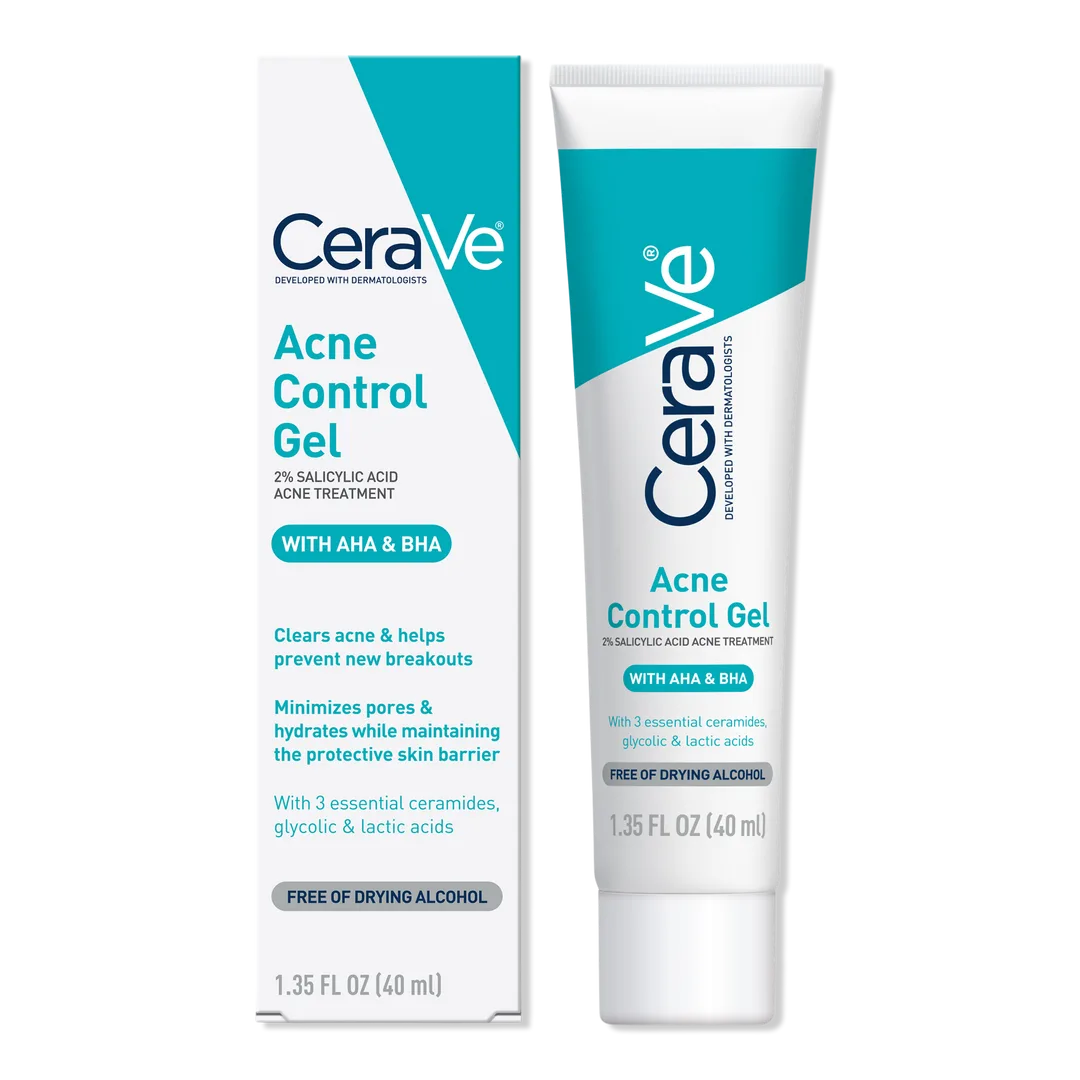
Acne Control Gel 2% Salicylic Acid
Barrier-Friendly Acne Fighter
 Verified reviewer
Pros & cons.
- +Ceramide-acid combination treats acne while actively protecting the skin barrier — a genuinely innovative approach
- +2% salicylic acid plus glycolic and lactic acids provide both surface and deep-pore exfoliation
- +Fragrance-free, oil-free, alcohol-free formula does not sting, burn, or dry the skin
- +Niacinamide reduces acne-related inflammation and supports barrier ceramide synthesis
- +Lightweight gel absorbs instantly and layers seamlessly under moisturizer and sunscreen
- +Developed with dermatologists and holds National Eczema Association Seal of Acceptance
- +HSA/FSA eligible, making it accessible through health spending accounts
- −Small 1.35 oz tube depletes quickly with nightly full-face use, lasting only 4-6 weeks
- −Not potent enough for severe cystic or nodulocystic acne — designed for mild to moderate breakouts
- −Contains cetearyl alcohol which, while generally non-irritating, may concern some acne-prone users
- −May cause initial purging period as subsurface congestion is brought to the surface
- −Multi-acid system may still be too much for genuinely sensitive or barrier-compromised skin
The full review.
Most acne treatments contain a cruel irony. The products that clear breakouts often strip the skin barrier, triggering more oil and inflammation, which causes more breakouts and more product use. Dermatologists have known this paradox for years. CeraVe built this gel to break it.
The Acne Control Gel combines three exfoliating acids — 2% salicylic acid (the maximum OTC concentration), glycolic acid, and lactic acid — with CeraVe’s signature trio of ceramides (NP, AP, and EOP), plus cholesterol, phytosphingosine, niacinamide, and hyaluronic acid. It functions like an acne treatment and a barrier repair cream joined by elegant formulation chemistry.
Salicylic acid is oil-soluble, so it dissolves into the sebum in your pores to break down the dead cells and oil that form blackheads or inflamed pimples. At 2%, it hits the FDA ceiling for OTC acne products; this is not a gentle dose. Glycolic and lactic acids work on the skin surface to accelerate dead cell turnover and prevent pore blockage. Together, these three acids clear skin from the top down and bottom up.
This formula differs because of what happens while the acids work. The three ceramides — the same lipids making up about fifty percent of the stratum corneum — deposit into the skin barrier simultaneously. Cholesterol and phytosphingosine complete the lipid profile for barrier integrity. Niacinamide reduces inflammation and supports internal ceramide synthesis. Hyaluronic acid maintains hydration.
Your skin does not feel treated. There is no tightness, dryness, or stinging on application. The gel absorbs in seconds, leaves no residue, and sits comfortably under a moisturizer. This contrasts with typical 2% salicylic acid products that cause tightness, flaking, and compensatory oiliness as a stripped barrier tries to protect itself. This cycle does not happen here because the barrier remains intact.
Results follow the expected BHA timeline. Active inflammatory breakouts calm within three to seven days. Blackheads diminish at the two-to-four-week mark as the salicylic acid clears existing congestion. The real transformation occurs at the six-to-eight-week point, when regular acid exfoliation and intact barrier function produce visibly clearer, smoother, and less reactive skin. Some users experience brief purging during the first one to two weeks as subsurface congestion moves to the surface; this is temporary and shows the acids are working on existing blockages.
The texture is simple. It is a clear, lightweight gel that looks like a hydrating serum. It has no gritty particles, medicinal smell, or visible residue. It layers under moisturizer and sunscreen without pilling. The calm application belies the sophisticated chemistry at the skin level.
The limitation is standard for all OTC salicylic acid products: 2% BHA works for mild to moderate acne, such as surface congestion, blackheads, small inflammatory papules, and breakout prevention. It does not replace prescription-strength treatments for deep cystic lesions, severe nodulocystic acne, or persistent hormonal breakouts. If this gel lacks results after eight to twelve weeks of consistent use, consult a dermatologist about prescription options instead of layering more OTC products.
The 1.35-ounce tube is a drawback. Nightly full-face application lasts roughly four to six weeks per tube at eighteen dollars — about $150-180 per year. This is reasonable for a well-formulated acne treatment, but the small tube runs out quickly. A larger size would be better.
CeraVe’s two-decade history in dermatologist-developed skincare gives this product credibility. The brand’s ceramide technology is extensively studied and validated in clinical settings. This gel is not a marketing novelty; it is a formula addressing a gap identified by the dermatologists who helped develop it. When a doctor recommends a salicylic acid product, this is the type of product they wanted during their training.
For those with mild to moderate acne tired of the dry-irritated-oily-breakout cycle, this gel offers a different approach. It clears breakouts and protects the barrier simultaneously in one product, with a texture comfortable enough to forget it is an acne treatment.
Formula
Texture
The texture is simple. It is a clear, lightweight gel that looks like a hydrating serum. It has no gritty particles, medicinal smell, or visible residue. It layers under moisturizer and sunscreen without pilling. The calm application belies the sophisticated chemistry at the skin level.
Ingredient analysis.
Full INCI list
Active Ingredient: Salicylic Acid (2%). Inactive Ingredients: Water, Glycerin, Sodium Hydroxide, Glycolic Acid, Lactic Acid, Niacinamide, Ceramide NP, Ceramide AP, Ceramide EOP, Carbomer, Cetearyl Alcohol, Behentrimonium Methosulfate, Triethyl Citrate, Sodium Hyaluronate, Sodium Lauroyl Lactylate, Cholesterol, Chlorphenesin, Disodium EDTA, Hydroxypropyl Guar, Caprylyl Glycol, Xanthan Gum, Phytosphingosine, Benzoic Acid
Skin match.
The science.
The Science
This gel's formulation addresses a known acne treatment problem: trans-epidermal water loss (TEWL) caused by topical acids. Salicylic acid at 2% clears follicular plugs via lipophilic comedolytic action, but like all exfoliants, it can damage the stratum corneum's lipid matrix—the structure that maintains skin hydration and barrier integrity.
CeraVe embeds the treatment acids within a ceramide-cholesterol-phytosphingosine system that mirrors the skin's intercellular lipid composition. Research in the Journal of the American Academy of Dermatology shows the optimal stratum corneum lipid ratio is roughly 3:1:1 ceramides to cholesterol to free fatty acids. CeraVe's three-ceramide complex (NP, AP, and EOP) replenishes the lipid species most depleted by exfoliant use.
Niacinamide adds more barrier protection. A study in the British Journal of Dermatology (Tanno et al., 2000) shows topical niacinamide increases the synthesis of ceramides, cholesterol, and fatty acids in the stratum corneum. It does not just deposit lipids; it stimulates the skin to produce more. This matters for acne-prone skin, which often has lower ceramide levels and a compromised barrier that increases reactivity.
Salicylic acid's comedolytic mechanism is well-documented. As a beta hydroxy acid, its lipophilicity lets it dissolve into sebaceous material within the follicular infundibulum, breaking the corneocyte cohesion that forms microcomedones—the precursor lesions of all acne. Glycolic acid (an alpha hydroxy acid) adds surface exfoliation, speeding epidermal turnover to prevent dead cells from trapping sebum beneath the skin surface.
The AHA and BHA combination is deliberate: BHA clears inside the pore while AHA clears the surface, creating a two-directional decongestion pathway. Clinical practice shows this dual approach works better than either acid alone for comedonal acne.
Dermatologist Perspective
Dermatologists use this product to solve a common clinical problem: patients who stop effective acne treatments because of dryness and irritation. Board-certified dermatologists note the ceramide-acid combination helps patients stay on their acne treatment regimen long-term without the barrier compromise that causes discontinuation. This is vital because acne is a chronic condition requiring consistent treatment for results. Dermatologists often recommend this gel as a first-line OTC option for mild to moderate acne, noting the multi-acid approach with barrier support reduces the need for separate exfoliation and hydration products.
Where it fits in your routine.
Apply a thin layer to clean, dry skin every evening after cleansing. Use it all over the face or as a targeted treatment on acne-prone zones. Follow with a moisturizer. Apply every other night for the first 1-2 weeks, then use nightly as tolerated. Apply broad-spectrum SPF 30+ every morning because the AHA components increase photosensitivity. Reduce frequency if excessive dryness or irritation occurs. Do not use with other leave-on AHA/BHA products in the same routine.
At about $18 for 1.35 oz, the per-ounce price is moderate for an acne treatment, but the small tube finishes faster than most users expect. Using it nightly on the full face requires a repurchase every 4-6 weeks, making annual costs $150-180. The ceramide-acid combination justifies the price; one product provides both treatment and barrier protection, which can replace a separate moisturizing serum. HSA/FSA eligibility adds value for users with health spending accounts. After factoring in copays, the cost competes with prescription benzoyl peroxide formulations.
Teens and adults with mild to moderate acne, persistent blackheads, or oily, congestion-prone skin want effective treatment without destroying their moisture barrier. It works well for those who used other salicylic acid products and had excessive dryness or irritation.
People with severe cystic or nodulocystic acne needing prescription-strength treatment. Anyone with active eczema, rosacea, or a compromised skin barrier. Pregnant individuals should avoid this due to salicylic acid content. Those using prescription retinoids or other strong exfoliants should consult their dermatologist before adding this product.
Product details.
All Year Certifications National Eczema Association Seal of Acceptance
The backstory.
CeraVe's acne line was developed to address a gap that dermatologists consistently identified: patients with acne were choosing between effective treatments that destroyed their skin barrier and gentle products that did not adequately clear their breakouts. The Acne Control Gel was designed to make that choice unnecessary by embedding the treatment in a barrier-protective vehicle.
About CeraVe
Legacy Brand (20+ years)Dermatologists helped develop CeraVe in 2005, and clinicians have recommended it for over two decades. The brand uses its patented MVE (MultiVesicular Emulsion) delivery technology and three essential ceramides in its formulations. CeraVe has National Eczema Association seals and is among the most frequently recommended brands by board-certified dermatologists in the United States.
Common myths.
Acne products do not need to leave skin feeling tight or dry to work.
That tight, dry feeling means the product damages your moisture barrier. This worsens acne long-term by triggering inflammation and compensatory oil production. This gel's ceramide complex prevents that cycle — effective acne treatment does not sacrifice barrier health.
You cannot use multiple acids at once without irritation.
This gel combines salicylic, glycolic, and lactic acids to target different depths and mechanisms. The ceramide and niacinamide buffer system lets these acids coexist without overwhelming the skin. Proper formulation matters more than acid avoidance.
FAQ.
Does CeraVe Acne Control Gel work for blackheads?
Yes — the 2% salicylic acid penetrates pores to dissolve sebum-and-dead-cell plugs that cause blackheads. The glycolic acid accelerates surface cell turnover to prevent new blockages. Most users see visible blackhead reduction within 2-4 weeks of nightly use.
Can I use this with retinol?
Yes, but introduce them gradually. Alternate nights at first—use retinol one night and this gel the next. Once your skin adjusts (usually 2-4 weeks), some users apply this gel first and layer retinol on top in the same routine. The ceramides in this formula buffer retinol irritation, but watch for excessive dryness or redness.
Will this cause purging?
Some users experience a brief purging period during the first 1-2 weeks, where existing congestion beneath the skin surface comes to the surface more quickly. This presents as small breakouts in areas where you typically get acne. Purging is temporary and indicates the acids are clearing existing blockages. If new breakouts appear in areas where you do not normally break out, this may be a reaction rather than purging.
Is this gel moisturizing enough to use without a separate moisturizer?
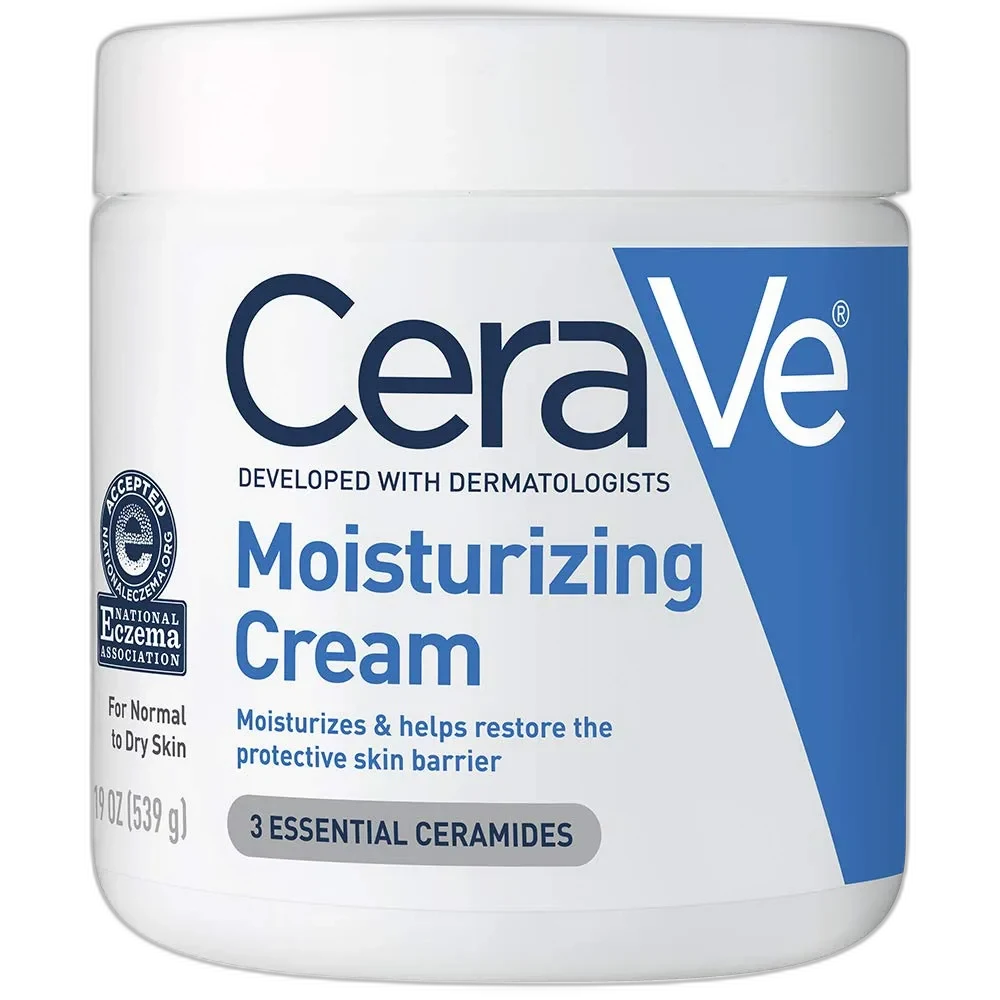
No. The ceramides and hyaluronic acid provide hydration, but this is a treatment gel, not a moisturizer. Use a separate moisturizer after, especially in the PM. CeraVe's PM Facial Moisturizing Lotion or Moisturizing Cream pair well with this gel.
Is CeraVe Acne Control Gel safe during pregnancy?
This product contains 2% salicylic acid. Most dermatologists and obstetricians recommend avoiding leave-on formulations with this ingredient during pregnancy. While the risk of a 2% topical concentration is debated, standard medical advice favors caution. Consult your healthcare provider for personalized guidance.
Community
What the community says.
"Clears breakouts without drying or irritating the skin"
"Lightweight gel texture absorbs quickly"
"Ceramides prevent the barrier damage most acne products cause"
"Noticeable reduction in blackheads and texture within weeks"
"Affordable and widely available"
"Small tube size runs out quickly at 1.35 oz"
"Not strong enough for severe cystic acne"
"Some users experience initial purging period"
"May not be sufficient as a standalone treatment for persistent acne"