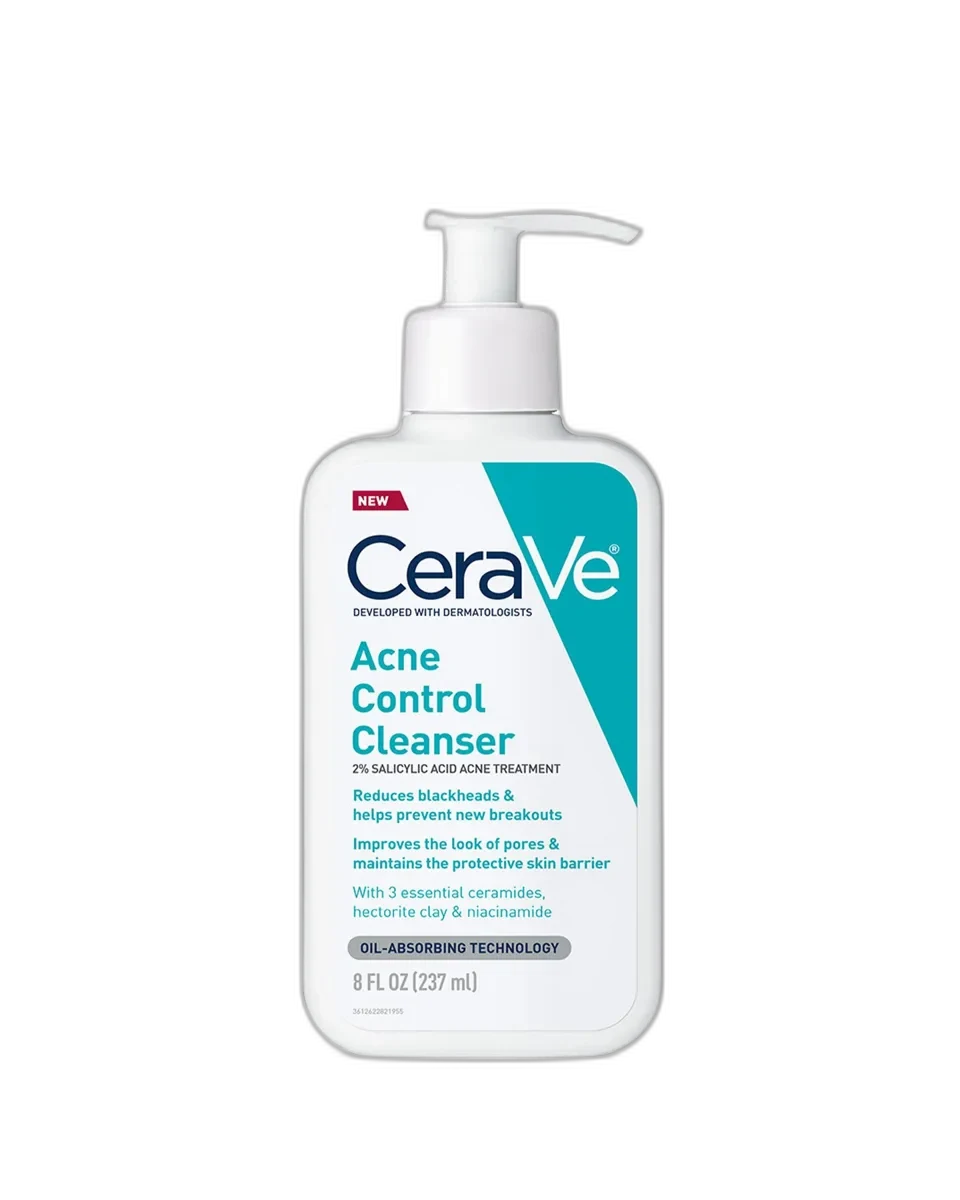
Acne Clay-to-Foam Cleanser
Blackhead Buster
 Verified reviewer
Pros & cons.
- +2% salicylic acid — maximum OTC strength for effective pore exfoliation
- +Hectorite clay absorbs surface oil while BHA works inside pores simultaneously
- +Three essential ceramides protect the barrier during active acne treatment
- +Niacinamide provides anti-inflammatory benefits and supports ceramide production
- +Fragrance-free, non-comedogenic, and FSA/HSA eligible
- +Available in 8 oz and 16 oz sizes for flexible purchasing
- +Gel-to-foam texture transformation signals the clay activating
- −Can be drying when stacked with other exfoliating actives or retinoids
- −Not strong enough for moderate-to-severe inflammatory or cystic acne
- −Bottle requires shaking before each use as the clay settles
- −Mild initial purging is common in the first 1-2 weeks
- −Lather is not as voluminous as some users expect from a foaming cleanser
The full review.
CeraVe’s Acne Control Cleanser shifts from a smooth gel to an airy foam when rubbed between wet palms. This is not cosmetic theater. The hectorite clay component activates as water disrupts its structure, releasing oil-absorbing properties as the lather forms. It is engineering used for a pleasant user experience, which is typical for CeraVe.
This cleanser occupies a specific niche in CeraVe’s acne lineup. Their Acne Foaming Cream Cleanser uses benzoyl peroxide to kill bacteria. Their Renewing SA Cleanser uses 0.5% salicylic acid for light exfoliation. This product uses a different approach: maximum-strength 2% salicylic acid for pore exfoliation and oil-absorbing clay for surface oil control, all within a ceramide-niacinamide-hyaluronic acid protective system that keeps the barrier intact.
The dual oil-management mechanism is worth examining. Most acne cleansers use one strategy: exfoliate pores (BHA), absorb surface oil (clay), or kill bacteria (benzoyl peroxide). This one uses two strategies in one wash step. The oil-soluble salicylic acid dissolves into sebum to loosen the dead cell buildup causing blackheads and whiteheads. Simultaneously, the hectorite clay draws excess oil off the skin’s surface to reduce shine and congestion. It works from both directions.
Ceramides separate CeraVe’s approach from the old acne-cleanser philosophy. That old philosophy was simple: remove all oil to stop acne. Products using that premise—ten-percent benzoyl peroxide face washes, alcohol-based toners, or sandpaper-like scrubs—often killed acne but destroyed the skin barrier. This caused a cycle of clear skin, irritation, rebound oiliness, and more acne. Ceramides NP, AP, and EOP break this cycle by repairing the barrier while the actives treat acne.
Niacinamide adds another dimension. Its anti-inflammatory properties calm redness from breakouts, and it boosts the skin’s own ceramide production to reinforce barrier repair. Hydrolyzed hyaluronic acid—a smaller-molecular-weight form that penetrates effectively during brief cleanser contact—keeps moisture levels stable despite surface oil removal.
The cleanser performs well in practice. Shake the bottle because the clay settles, apply to wet skin, massage for thirty to sixty seconds, and rinse. The foam is functional, not a voluminous or Instagrammable lather. After rinsing, skin feels clean, slightly mattified, and not tight or stripped. The ceramides prevent tightness, a feature that helps oily-skinned users avoid harsher alternatives.
Blackhead reduction is the strongest performance area. Within two to four weeks of consistent twice-daily use, most users report clearer nose and chin congestion where sebaceous filaments and blackheads persist. Chemical exfoliation inside the pore and physical oil absorption on the surface hit this concern from both angles. For inflammatory acne—red, painful, cystic acne—this cleanser is likely insufficient. Salicylic acid primarily targets comedonal (non-inflammatory) acne. Inflammatory acne generally requires benzoyl peroxide or prescription treatment; CeraVe’s Acne Foaming Cream Cleanser with 4% BPO is better for that.
Limitations: it can be drying when combined with other actives. If you use a prescription retinoid, an AHA/BHA toner, or another salicylic acid product, the cumulative exfoliation may exceed your barrier’s capacity, even with ceramide protection. Start with once-daily use and increase only if tolerated. Initial purging—small breakouts as pores clear—is common in the first one or two weeks. This is the salicylic acid working.
At approximately $15 for 8 ounces, the value is strong for a treatment cleanser with an OTC drug active. It is FSA/HSA eligible. A 16-ounce size is also available.
For oily, blackhead-prone skin, this is one of the most intelligently formulated cleansers in the drugstore aisle. It treats without punishing, absorbs without stripping, and protects the barrier while working against acne.
Ingredient analysis.
Full INCI list
Active Ingredient: Salicylic Acid 2%. Inactive Ingredients: Water, Cocamidopropyl Hydroxysultaine, Glycerin, Sodium Lauroyl Sarcosinate, Niacinamide, Sodium Methyl Cocoyl Taurate, PEG-150 Pentaerythrityl Tetrastearate, Gluconolactone, Sodium Cocoyl Isethionate, Ceramide NP, Ceramide AP, Ceramide EOP, Carbomer, Calcium Gluconate, Triethyl Citrate, Sodium Hydroxide, Sodium Benzoate, Sodium Chloride, Sodium Lauroyl Lactylate, Cholesterol, Coconut Acid, Tetrasodium EDTA, Caprylyl Glycol, Hydrolyzed Hyaluronic Acid, Trisodium Ethylenediamine Disuccinate, Hectorite, Phytosphingosine, Xanthan Gum, Acrylates Copolymer, Benzoic Acid
Skin match.
The science.
The Science
This cleanser fights acne using salicylic acid and clay-based oil absorption.
Salicylic acid (BHA) is a well-studied acne ingredient. Its oil-solubility lets it penetrate the lipid-rich environment inside pores to dissolve the intercellular 'cement' between dead cells. This desquamation clears existing comedones (blackheads and whiteheads) and prevents new ones. At 2% — the maximum concentration allowed in OTC acne products per FDA monograph — it exfoliates effectively even during short cleanser contact times.
Research shows salicylic acid and niacinamide work through complementary mechanisms. Salicylic acid exfoliates and unclogs, while niacinamide reduces sebum production and provides anti-inflammatory benefits. A study in the Journal of Clinical and Aesthetic Dermatology shows niacinamide reduces sebum excretion rate and pore size, complementing BHA's pore-clearing action.
Ceramide supplementation helps prevent the barrier compromise that causes patients to stop acne treatment. Tempark et al. (2024) published a split-face randomized controlled trial in the Journal of Cosmetic Dermatology showing that ceramide and niacinamide-containing formulations improved acne outcomes and reduced irritation when used with topical acne treatments.
Hectorite is a smectite clay mineral that absorbs high amounts of oil. Unlike bentonite clay, which can be aggressively drying, hectorite provides moderate oil absorption for daily use. Its swelling and thixotropic properties create the gel-to-foam texture transformation — water disrupts the clay structure during lathering, exposing oil-absorbing surfaces to capture sebum.
References
- Ceramide and niacinamide-containing formulations improve acne outcomes: a split-face randomized controlled trial — Journal of Cosmetic Dermatology (2024)
Dermatologist Perspective
Dermatologists often recommend salicylic acid cleansers as a first-line treatment for comedonal acne — the blackheads, whiteheads, and clogged pores in mild-to-moderate breakouts. Board-certified dermatologists note the 2% concentration is the maximum OTC strength, and the ceramide-niacinamide supporting cast addresses barrier irritation, a common reason patients stop acne treatment. This product works in a multimodal approach — used as the cleanser step alongside a separate benzoyl peroxide or retinoid treatment — providing exfoliation without duplicating the mechanism of other routine products.
Where it fits in your routine.
Shake the bottle well before each use because the clay settles. Wet your face with lukewarm water. Squeeze a nickel-sized amount into wet hands and lather. Massage onto the face for 30-60 seconds, focusing on acne-prone areas (T-zone, chin, jawline). Avoid the eye area. Rinse thoroughly with lukewarm water and pat dry. Use twice daily, but start with once daily if new to salicylic acid. Follow with a lightweight moisturizer and SPF 30+ in the morning.
At roughly $14.99 for 8 fl oz, this cleanser provides high value for an OTC acne drug with a sophisticated supporting formula. Each use costs about $0.12-0.15, similar to basic drugstore cleansers even with salicylic acid and CeraVe's signature ceramide complex. The 16 fl oz size offers better per-ounce value for regular users. FSA/HSA eligibility lowers the out-of-pocket cost for many, and the OTC drug classification allows purchase without a prescription while providing the same active ingredient strength used in dermatological practice.
Oily and combination skin types with blackheads, clogged pores, and mild-to-moderate comedonal acne use this. It works for those wanting a treatment cleanser that leaves the skin barrier intact. Use it as the cleansing step in a multi-product acne routine with benzoyl peroxide or retinoid treatments.
The 2% salicylic acid may be too active for dry, sensitive, or eczema-prone skin. Do not use this during pregnancy because of the salicylic acid content. If you have inflammatory or cystic acne instead of blackheads and congestion, a benzoyl peroxide cleanser works better.
Product details.
This smooth gel turns into a soft foam when massaged onto wet skin. The clay component creates a texture that feels like it draws out oil. It rinses clean without residue.
Fragrance-free. Mild, clean, clinical smell from the base ingredients only.
White squeeze tube with teal CeraVe branding in a cardboard carton. It has a flip-top cap. Sizes include 8 fl oz and 16 fl oz.
The gel-to-foam texture transformation is immediate and satisfying. Skin feels clean and slightly mattified after the first use — less oily than after a regular cleanser. Mild tingling from the salicylic acid is normal and usually stops within the first week. Some users experience minor purging (small breakouts) as congestion clears.
2-3 months with twice-daily facial use for the 8 fl oz bottle.
12 months
All Year
The backstory.
CeraVe developed this cleanser to address a gap in their acne lineup: a salicylic acid cleanser specifically for oily skin that could match the oil-absorbing power of clay masks in a daily-use cleanser format. The combination of BHA exfoliation with clay absorption and ceramide protection reflects CeraVe's consistent philosophy of effective treatment without barrier compromise.
About CeraVe
Legacy Brand (20+ years)Dermatologists helped develop CeraVe in 2005. It is the #1 dermatologist-recommended skincare brand in the US. Peer-reviewed research backs its formulations, and the brand has multiple National Eczema Association Seals of Acceptance across its product line.
Common myths.
Salicylic acid in a cleanser lacks contact time because rinsing removes it.
BHA (salicylic acid) is oil-soluble and penetrates pores on contact. Even a 30-60 second cleanse lets the 2% concentration exfoliate the pore lining. Daily use increases this effect. The clay component absorbs oil immediately without needing contact time.
Clay cleansers are too harsh for daily use.
This formula uses hectorite clay to absorb oil gently. It avoids the intense drying effect of bentonite or kaolin clay masks. Combined with ceramides, niacinamide, and hyaluronic acid, the formula works for twice-daily use without over-stripping.
FAQ.
What is the difference between CeraVe Acne Control Cleanser and Renewing SA Cleanser?
The Acne Control Cleanser uses 2% salicylic acid (the maximum OTC strength) and oil-absorbing hectorite clay for a more aggressive acne treatment. The Renewing SA Cleanser has only 0.5% salicylic acid and no clay; it works as a gentler daily exfoliant for texture and mild congestion instead of active acne treatment.
Can I use CeraVe Acne Control Cleanser with retinol?
Yes, but use caution. The 2% salicylic acid and retinol combination increases irritation risk. Use the cleanser in the morning and retinol at night to start. If you tolerate both well, use the cleanser twice daily. Reduce frequency if you see dryness, peeling, or redness.
Why do I need to shake CeraVe Acne Control Cleanser before use?
hectorite clay naturally settles at the bottom of the bottle over time. Shaking redistributes the clay throughout the formula for consistent oil-absorbing benefits. The gel-to-foam texture transformation works best when the clay is evenly dispersed.
Is CeraVe Acne Control Cleanser good for cystic acne?
This cleanser targets comedonal acne—blackheads, whiteheads, and clogged pores. Salicylic acid works best for surface-level congestion. For inflammatory or cystic acne, a benzoyl peroxide cleanser (like CeraVe's Acne Foaming Cream Cleanser with 4% BPO) or prescription treatment works better.
Is CeraVe Acne Control Cleanser safe during pregnancy?
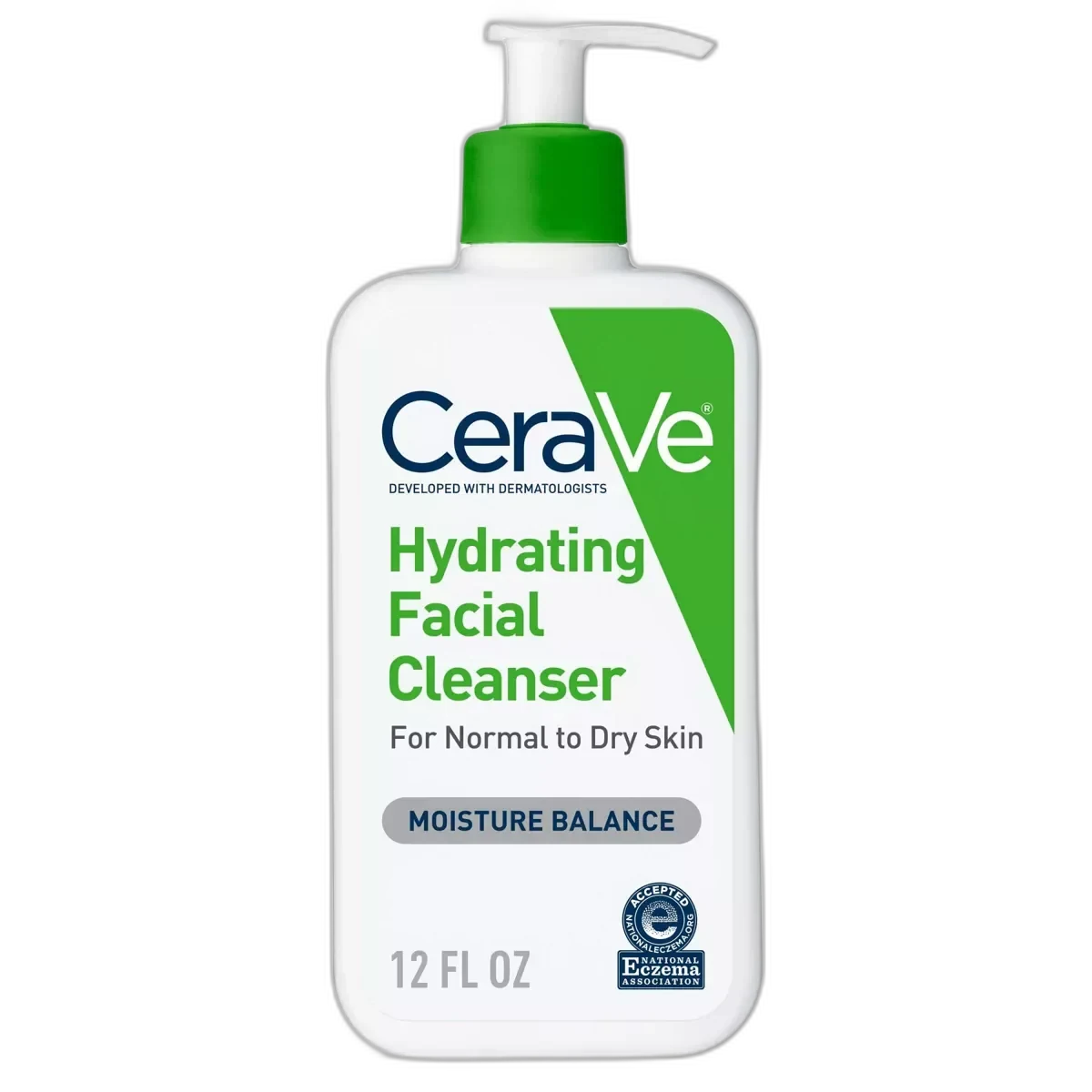
Most dermatologists advise against salicylic acid products during pregnancy, especially leave-on formulations. This is a rinse-off cleanser with limited skin contact time, but consult your healthcare provider first. CeraVe's Hydrating Facial Cleanser is a pregnancy-safe alternative.
What the community says.
"Effectively reduces blackheads and clears clogged pores"
"Clay absorbs oil without over-drying"
"Gentle enough for daily use"
"Fragrance-free and non-irritating for most users"
"Affordable for an acne treatment cleanser"
"Texture transformation from gel to foam is satisfying"
"Can be drying when combined with other acne actives"
"Some initial purging in the first weeks"
"Not strong enough for severe cystic acne"
"Bottle requires shaking before use"
"May not lather as richly as expected"