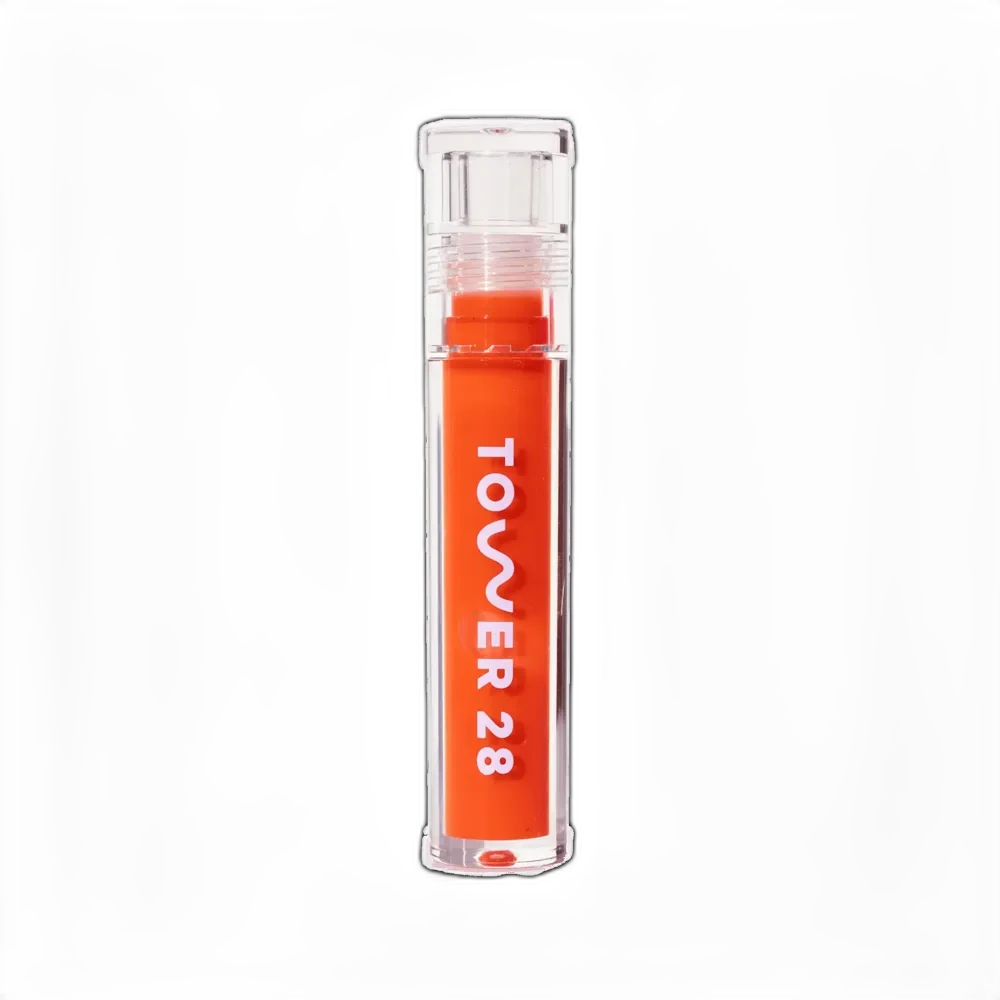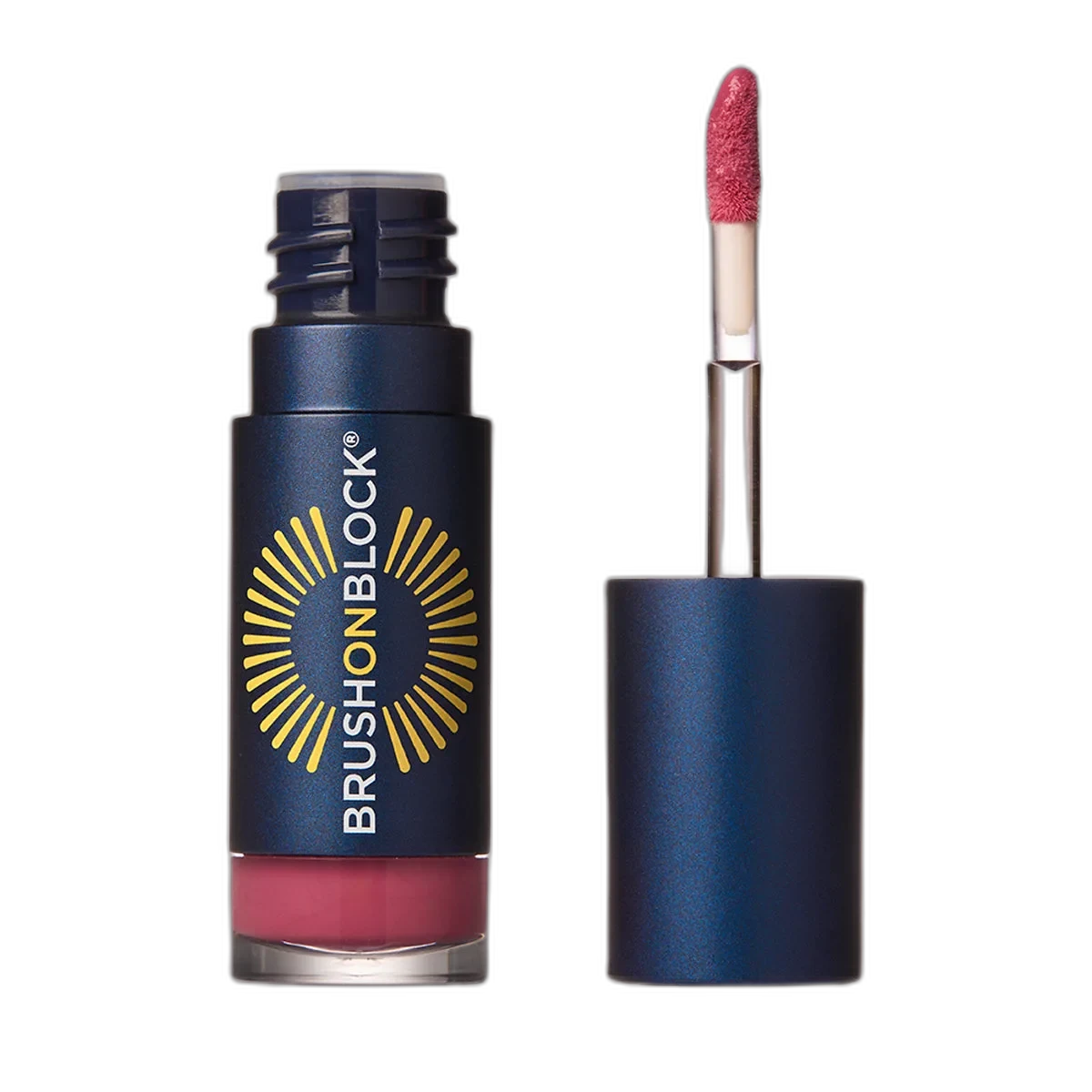
Protective Lip Oil SPF 30
Luxe Mineral Lip SPF
 Verified reviewer
Pros & cons.
- +Mineral SPF 30 broad-spectrum protection from titanium dioxide and zinc oxide
- +Genuine lip oil texture — glossy, cushiony, non-sticky
- +Argan and castor oil base makes reapplication pleasant
- +Pleasant tangerine flavor without typical SPF aftertaste
- +Vegan, cruelty-free, reef-friendly
- +Doe-foot applicator makes for easy on-the-go touch-ups
- +Available in sheer and tinted variants
- −Small 6.8ml tube at premium pricing
- −Tangerine essential oil not ideal for very reactive lips
- −Tinted versions have universal-shade limitations
- −Requires frequent reapplication for full SPF benefit
- −Glossy finish wears off quickly with food and drink
The full review.
Ask any dermatologist about the most under-protected area of the face, and they will say lips. The skin on the vermilion border is thin, lacks melanin, and faces constant UV exposure from car windows, walks, or outdoor conversations. This area shows photoaging first through fine lines, pigmentation, and actinic cheilitis—the rough, scaly sun damage found on the lower lips of people without lip protection. The clinical solution is simple: wear a lip SPF every day. The behavioral hurdle is harder: most lip SPFs are waxy, chalky, medicinal-tasting balms that people apply once at the beach and forget.
Brush On Block’s Protective Lip Oil SPF 30 addresses that behavioral problem. Founder and professional makeup artist Susan Posnick launched the company in 2011 after a personal skin cancer scare led her to develop mineral SPF formats people actually reapply. The original product was a brush-on powder sunscreen in a refillable brush; this innovation made face reapplication feel like applying setting powder. The lip oil follows this same philosophy: if the product feels good, people reapply it often. A lip SPF reapplied every two hours provides better real-world protection than a superior formula left in a drawer.
The actives are straightforward: 4.5% titanium dioxide and 3.4% zinc oxide. This pure mineral pair delivers SPF 30 broad-spectrum protection without chemical filters. Mineral lip products often fail by feeling chalky, heavy, or waxy. Brush On Block avoids this by suspending the mineral filters in a base of hydrogenated polyisobutene, argan oil, castor oil, and caprylic/capric triglyceride. This fluid emollient system behaves like a lip oil rather than a balm. The result is glossy, cushiony, and non-sticky, which most mineral lip products cannot match.
Tangerine peel oil provides the flavor and scent. It is mild and natural, offering a soft citrus note instead of the artificial sunscreen flavor found in many SPF balms. Note that tangerine essential oil can irritate very reactive lip skin; users with perioral dermatitis or lip allergies should patch-test before daily use. For most, it is a non-issue that makes the product feel less clinical.
Texture in practice: squeeze the doe-foot applicator onto the lips for a glossy, slightly tangerine-scented slip that settles into a cushiony, non-sticky finish within thirty seconds. This is not a high-pigment lip gloss; the sheer version is nearly clear, and tinted versions add a soft wash of color rather than opaque coverage. The finish stays glossy for a few hours on untouched lips, though less so after coffee or breakfast. The product is pleasant enough to reapply throughout the day without the chore of waxy SPF balms.
Limitations involve format economics. The 6.8ml tube is small, and at $26, it sits in the premium lip product tier despite being a sunscreen. For heavy users, the per-week cost exceeds a standard lip balm SPF. The tangerine flavor is not universal, as some users prefer unflavored lip products. Additionally, the tinted shades face universal-shade limitations, looking more flattering on some lip tones than others.
Buying this oil means buying a lip SPF you will actually use. The clinical math on lip photoaging is clear: consistent daily mineral SPF on the lips reduces visible photoaging and lowers the long-term risk of actinic changes that can progress to squamous cell carcinoma. If a $26 oil gets reapplied five times a day while a $6 waxy stick gets reapplied twice a month, the pricier product does more work. For daily drivers, the Brush On Block lip oil earns that label honestly. For those already buying luxury lip oils without SPF, this is a free upgrade in sun protection.
Ingredient analysis.
Full INCI list
Active: Titanium Dioxide 4.5%, Zinc Oxide 3.4%. Inactive: Hydrogenated Polyisobutene, Butyloctyl Salicylate, Caprylic/Capric Triglyceride, Ethylene/Propylene/Styrene Copolymer, Argania Spinosa (Argan) Kernel Oil, Ricinus Communis (Castor) Seed Oil, Helianthus Annuus (Sunflower) Seed Oil, Tocopheryl Acetate, Citrus Reticulata (Tangerine) Peel Oil, Polyhydroxystearic Acid, Stearic Acid, Caprylyl Glycol, Alumina, Flavor (Aroma), Bisabolol, Butylene/Ethylene/Styrene Copolymer, Pentaerythrityl Tetra-di-t-butyl Hydroxyhydrocinnamate. May Contain \[+/-\]: Red 7 Lake, Iron Oxides
Skin match.
The science.
The Science
This product uses the standard mineral pair: titanium dioxide and zinc oxide. Titanium dioxide absorbs UVB and short UVA. Zinc oxide covers longer UVA wavelengths that cause photoaging and pigmentation changes in the lip vermilion. Together they provide broad-spectrum SPF 30 coverage. This works for most daily exposure but is low for extended outdoor use — reapply every two hours for full label protection in direct sun.
The vermilion border has a thin, minimally keratinized epithelium and low melanin content. This makes lips vulnerable to UV damage; UV penetrates deeper and triggers photoaging and DNA damage more effectively than on facial skin. Clinical research on actinic cheilitis and lip squamous cell carcinoma shows chronic UV exposure is the primary etiologic factor. Regular lip sunscreen use associates with reduced progression of precancerous lip changes. The American Academy of Dermatology and most major dermatological organizations recommend daily lip SPF for standard photoprotection.
The emollient base — argan oil, castor oil, sunflower oil, caprylic/capric triglyceride — does more than look good. Fatty acid delivery to the lip barrier supports skin integrity and wound healing, which matters because sun-damaged lips often have compromised barrier function. Tocopheryl acetate and bisabolol provide antioxidant and soothing benefits to address UV-induced oxidative damage.
Mineral lip SPFs in a fluid oil base rub off faster than waxy stick formats; this is the tradeoff for the improved texture. Reapplication frequency matters more with this format than with a dense waxy balm — get that right and the protection is real.
Dermatologist Perspective
Dermatologists flag lips as one of the most under-protected areas on the face and recommend daily lip SPF for serious photoprotection. Board-certified dermatologists note that adherence drives real-world lip sun protection outcomes. A pleasant-to-reapply lip product outperforms a clinically superior but cosmetically unappealing one in practice. Doctors often suggest mineral lip SPFs like this one for patients with actinic cheilitis, post-procedure lip sensitivity, or anyone using lip treatments like isotretinoin that increase photosensitivity. The luxury-feeling format adds to the clinical appeal.
Where it fits in your routine.
Apply to clean lips after your morning skincare or over lipstick for shine and SPF. Use the doe-foot applicator to spread a thin layer over the lip line and lip surface. Reapply every two hours when outdoors and after eating, drinking, or towel drying. For daily indoor wear, one morning application and a midday touch-up works. Store in a cool place away from direct sunlight to keep the mineral filter stable, and replace within 12 months of opening.
At $26 for 6.8ml, this lip oil is a premium lip SPF. It costs more than a standard Sun Bum or Supergoop lip product, but matches the price of luxury non-SPF lip oils from Dior or Clarins that offer no sun protection. The per-milliliter price is high. You pay for the combination of genuine mineral broad-spectrum SPF 30 protection and a cosmetic experience that rivals premium lip treatments; this is a legitimate premium, not just brand markup. Daily users will find the weekly cost noticeable but manageable, while occasional users may find the price high. No larger size exists in the line.
This is for anyone seeking daily lip photoprotection via a mineral SPF lip-oil. It works well for people with a history of cold sores, actinic cheilitis, or isotretinoin-related lip sensitivity. It also suits those buying luxury lip oils without SPF who want to add sun protection.
Budget-conscious shoppers can find cheaper mineral lip balms with similar SPF. People sensitive to citrus essential oils should patch test or choose an unscented lip SPF. Heavy lipstick wearers layering matte products on top won't get the best use from the glossy oil format.
Product details.
Lightweight glossy oil with cushiony non-sticky slip
Warm tangerine from citrus peel oil, mild and natural
Small squeeze tube with doe-foot applicator wand
The first application feels hydrating and glossy with a faint tangerine flavor that settles in about a minute. It does not sting, and unlike most mineral lip SPFs, it leaves no chalky white residue or heavy waxy drag. Most users notice immediately that it behaves more like a lip oil than a sun product.
Apply daily for 6–10 weeks, reapplying occasionally during sun exposure.
12 months
All Year
The backstory.
Brush On Block was founded by professional makeup artist Susan Posnick in 2011 after a skin cancer scare pushed her to develop mineral SPF formats people would actually reapply. The brush-on powder was the flagship; the lip oil came later as an extension of the same philosophy — make the sunscreen format so pleasant to use that reapplication becomes automatic rather than a chore.
About Brush On Block
Established Brand (5–20 years)Professional makeup artist Susan Posnick founded Brush On Block in 2011 after a personal skin cancer scare. The brand focuses on easy mineral SPF reapplication using brush-on powder and portable lip formats. Brush On Block has been on the market for over a decade and uses an FDA-inspected US facility for manufacturing.
Common myths.
Lip SPF is only necessary at the beach
Lips have thinner skin and less melanin than the rest of the face. This makes them one of the most sun-damage-prone areas on the body. Daily UV exposure — even through car windows and short outdoor walks — causes lip photoaging, pigmentation, and actinic cheilitis. A daily lip SPF matters as much as a daily face SPF.
All mineral lip products feel chalky and heavy
This formula uses hydrogenated polyisobutene and argan oil to disperse the titanium and zinc in a fluid base instead of a waxy stick. This removes the typical chalky mineral-lip-balm feel. The result feels more like a lip oil than a traditional SPF balm.
FAQ.
Is this a chemical or mineral lip sunscreen?
Mineral. The filters are 4.5% titanium dioxide and 3.4% zinc oxide. This pure mineral combination uses no chemical UV filters, making it a popular choice for anyone who avoids chemical sunscreens on the lips.
Does it actually feel like a lip oil?
Yes. Argan-and-castor-oil base suspends the mineral filters. It feels glossy, cushiony, and non-sticky, like a luxury lip oil rather than a typical mineral lip balm. This is why users choose it over cheaper SPF lip products.
Does it have flavor?
citrus reticulata peel oil gives it a natural tangerine flavor and scent. Most users find it mild and pleasant, but citrus essential oils irritate very reactive lips. Patch test before daily use if you have a history of sensitivity.
Is it tinted?
The product comes in a sheer version and several tinted variants (Nude, Coral, Fig). The tinted versions use iron oxides and Red 7 Lake for subtle color, while the sheer version is clear. All offer SPF 30 protection.
How often should I reapply?
Reapply every two hours during outdoor exposure for sustained sun protection. Reapply immediately after eating, drinking, or towel drying. For daily indoor wear, one morning application with daytime touch-ups works.
Is it worth $26 for 6.8ml?
The price per milliliter is premium, but matches luxury lip oils without SPF. If you want a glossy lip oil finish and broad-spectrum mineral lip protection together, the value is reasonable. Budget shoppers may prefer a simpler mineral lip balm SPF.
What the community says.
"Feels like a luxury lip oil rather than a sunscreen"
"Glossy non-sticky finish comparable to premium lip glosses"
"Pleasant tangerine flavor without typical SPF aftertaste"
"Genuine broad-spectrum mineral lip protection"
"Small 6.8ml size runs out quickly"
"$26 price feels steep for the volume"
"Tangerine flavor not universally loved"
"Tint variants can read washed-out on some lip tones"