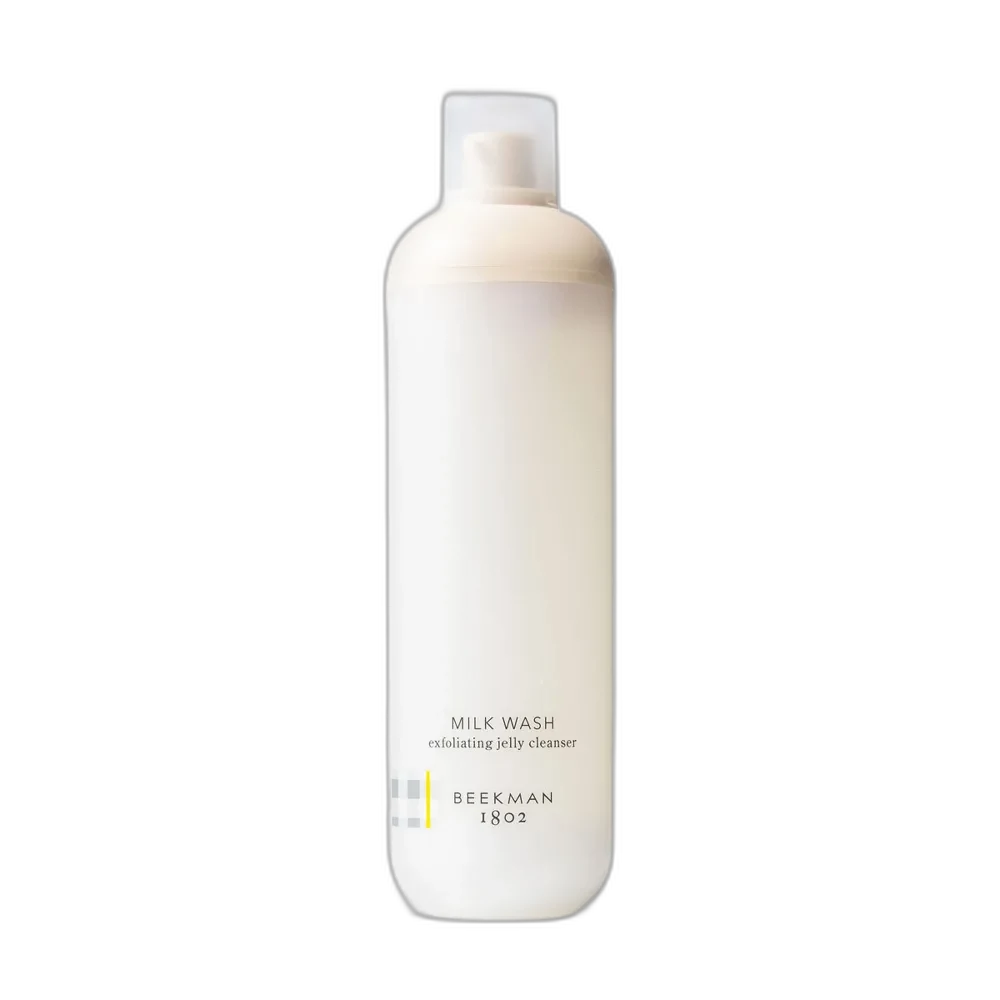
Goat Milk Face Wash
Sensitive Skin Daily Cleanser
 Verified reviewer
Pros & cons.
- +Mild isethionate surfactant system — among the gentlest foaming options in cosmetic chemistry
- +Fragrance-free formula safe for reactive and sensitive complexions
- +Goat milk delivers real lactic acid and microbiome-friendly compounds, not token amounts
- +Pregnancy-compatible with no flagged actives
- +Soothing botanical roster supports the surfactant system without weighing it down
- +Likely fungal-acne-safe with no problematic oils or esters
- +Pump dispenser delivers consistent dosing
- −Small 2 oz bottle at $16 is fair per-ml but not a bargain
- −Not designed as a heavy-makeup remover
- −No larger size option for committed daily users
- −Goat milk content rules it out for vegan users
- −Faint dairy-honey aroma may surprise users expecting fully odorless
The full review.
Ask for a goat milk cleanser at a farmers’ market or natural body shop and you get a bar of soap. This is the historical category; goat milk soap built the tradition, and most brands still use soap chemistry. Soap, even handmade soap, is alkaline. It cleans through saponification, which works on body skin but disrupts the slightly acidic film on face skin. People with sensitive complexions often find goat milk bars feel good for one week, then leave skin tight, dry, and slightly inflamed by week three. The chemistry fights the surface biology.
Beekman 1802 started as a goat milk soap operation on a Sharon Springs farm in 2008, earned a Cooking Channel reality show, and grew into a microbiome research program. They knew this. When they built their first dedicated face wash, they did not make a soap. They made a formulated cosmetic surfactant cleanser using sodium cocoyl isethionate and sodium lauroyl methyl isethionate as primary surfactants, and cocamidopropyl betaine as the secondary. These isethionates are among the mildest foaming surfactants in cosmetic chemistry; they create a creamy lather without the alkalinity of soap or the barrier-stripping potential of stronger sulfates. This surfactant selection matches a clinical brand or a high-end Korean cleanser, not the typical goat milk niche. This choice affects how the product feels on sensitive skin.
The goat milk story sits on top of that surfactant system—it is second on the INCI list, not a token mention. Goat milk supplies natural lactic acid, fatty acids, and oligosaccharides, and Beekman’s published in-house research connects it to skin microbiome diversity. Contact time in a face wash is too brief for the lactic acid to act as a meaningful AHA, but it nudges surface cell turnover gently. Aloe extract sits higher on the list to provide hydration and soothing buffering. Honey adds humectant work and trace antimicrobial activity. An antioxidant botanical blend—ginkgo, green tea, milk thistle, maritime pine, bilberry, grape seed—rounds out the cast. None of this does dramatic treatment work in a rinse-off product, but it contributes to the gentle, barrier-respecting character.
The formula is fragrance-free. Most Beekman lifestyle products carry a signature fragrance profile, which fans love but limits use for fragrance-sensitive people. By skipping fragrance in this face wash, Beekman makes the product available to people with eczema, rosacea, perioral dermatitis, and other reactive conditions. The naturally faint dairy-honey aroma from the actives is a feature, not a flaw—it shows the goat milk is real.
The cleanser is a lightweight clear-to-pearly liquid that lathers into a soft, creamy foam with water. It rinses cleanly without residue, and the post-wash feel is comfortable rather than tight or squeaky. Users switching from harsher cleansers often notice the difference on day one—that “wait, my skin doesn’t feel stripped” moment that marks a properly formulated mild surfactant system. The packaging is a functional, unfussy frosted plastic pump bottle.
The caveats concern size and use case. Two ounces at $16 is a small product for the price; you pay for the formulation, not volume. For users cleansing twice daily, the bottle lasts two to three months, costing roughly $5-$8 per month. Beekman does not offer a larger size of this specific product, which is frustrating for committed buyers. The cleanser is not a heavy-makeup remover; for waterproof or full-coverage makeup, use an oil or balm cleanse first, then use this as your second step. The goat milk content also means it is not for vegan users, which is a permanent brand feature.
Buy this if you have sensitive, dry, or compromised skin and want to avoid cleansers that leave skin tight, especially if goat milk soaps were too drying. Skip it if you need a heavy-duty makeup remover, if vegan certification matters, or if you want a larger value-tier cleanser for the same price. Beekman is a goat milk brand with substance, and this cleanser expresses that thesis.
Texture
The cleanser is a lightweight clear-to-pearly liquid that lathers into a soft, creamy foam when massaged with water. It rinses cleanly without residue, and the post-wash feel is comfortable rather than tight or squeaky. Users transitioning from harsher cleansers often notice the difference on day one—that “wait, my skin doesn’t feel stripped” moment that marks a properly formulated mild surfactant system.
Scent
The naturally faint dairy-honey aroma from the actives is a feature, not a flaw—it shows the goat milk is real.
Packaging
The packaging is a functional, unfussy frosted plastic pump bottle.
Best for
Buy this if you have sensitive, dry, or compromised skin and want to avoid cleansers that leave skin tight, especially if goat milk soaps were too drying.
Not ideal for
Skip it if you need a heavy-duty makeup remover, if vegan certification matters, or if you want a larger value-tier cleanser for the same price.
Common Praise
Users transitioning from harsher cleansers often notice the difference on day one—that “wait, my skin doesn’t feel stripped” moment that marks a properly formulated mild surfactant system.
Common Complaints
The caveats concern size and use case. Two ounces at $16 is a small product for the price; you pay for the formulation, not volume. For users cleansing twice daily, the bottle lasts two to three months, costing roughly $5-$8 per month. Beekman does not offer a larger size of this specific product, which is frustrating for committed buyers. The cleanser is not a heavy-makeup remover; for waterproof or full-coverage makeup, use an oil or balm cleanse first, then use this as your second step. The goat milk content also means it is not for vegan users, which is a permanent brand feature.
Ingredient analysis.
Full INCI list
Water, Caprae Lac (Goat Milk), Aloe Barbadensis Extract, Cocamidopropyl Betaine, Sodium Cocoyl Isethionate, Sodium Lauroyl Methyl Isethionate, Glycerin, Ginkgo Biloba Extract, Honey, Lactic Acid, Camellia Sinensis Extract, Silybum Marianum Extract, Guar Hydroxypropyltrimonium Chloride, Glycol Distearate, Phenoxyethanol, Pinus Pinaster Bark Extract, Vaccinium Myrtillus Extract, Vitis Vinifera Seed Extract, Sodium Methyl Oleoyl Taurate, Xanthan Gum
Skin match.
The science.
The Science
Surfactant selection is the most important variable in any cleanser. The science for this formulation's choices is well-established. Sodium cocoyl isethionate and sodium lauroyl methyl isethionate are isethionate-class anionic surfactants. They have low irritation profiles, mild cleansing action, and work on reactive skin. These surfactants appear in many clinical and dermatologist-recommended cleansers, including some of the most widely prescribed mild bars on the market. Cocamidopropyl betaine, an amphoteric secondary surfactant, softens the primary surfactants and reduces irritation. Published work shows that pairing isethionates with amphoteric surfactants is milder than using either class alone. The goat milk and honey content is more emerging. Beekman's in-house research suggests goat milk influences cutaneous microbial diversity, and skin microbiome literature has grown substantially over the past decade. Honey has documented antimicrobial properties from its hydrogen peroxide content and low pH, though contact time is brief in a rinse-off cleanser. Lactic acid in goat milk provides mild chemical exfoliation, but contact time limits its impact. Aloe vera has a robust evidence base for soothing inflamed skin; multiple controlled trials support its use in barrier-compromised conditions. The antioxidant botanical blend — green tea, ginkgo, grape seed, bilberry, maritime pine, milk thistle — has variable evidence, mostly from in vitro and small clinical studies. It contributes to the product's antioxidant and anti-inflammatory character rather than specific clinical outcomes. This formulation is scientifically interesting because of its integration: cosmetic-grade mild surfactants cleanse, supporting actives deliver hydration and soothing, and the ingredient story aligns with the brand's microbiome thesis.
Dermatologist Perspective
Dermatologists often recommend cleansers built on mild isethionate surfactants for patients with sensitive skin, eczema, rosacea, or compromised barriers. These are among the gentlest foaming surfactants available; they cleanse effectively without the disruption caused by stronger sulfates or alkaline soap chemistry. Board-certified dermatologists generally support fragrance-free formulations for daily cleanser use because the face is a common site for fragrance-related contact dermatitis. Dermatology opinion on the goat milk and microbiome angle is mixed: some practitioners favor the growing evidence for microbiome-supportive ingredients, while others wait for larger controlled trials. Dermatologists emphasize consistency: a daily cleanser that does not strip the skin and that the user enjoys using is more valuable than a high-tech treatment cleanser that the user abandons after a week.
Where it fits in your routine.
Wet your face with lukewarm water. Put one to two pumps of the cleanser into wet hands, work into a soft creamy lather, and massage the face and neck gently for 30-60 seconds. Avoid the immediate eye area. Rinse well with lukewarm water and pat dry. Use morning and night as your first or second routine step. If you wear makeup, use this as a second cleanse after an oil or balm cleanser. Users with very dry skin may only need once-daily PM use. Follow with toner, treatment serums, and moisturizer.
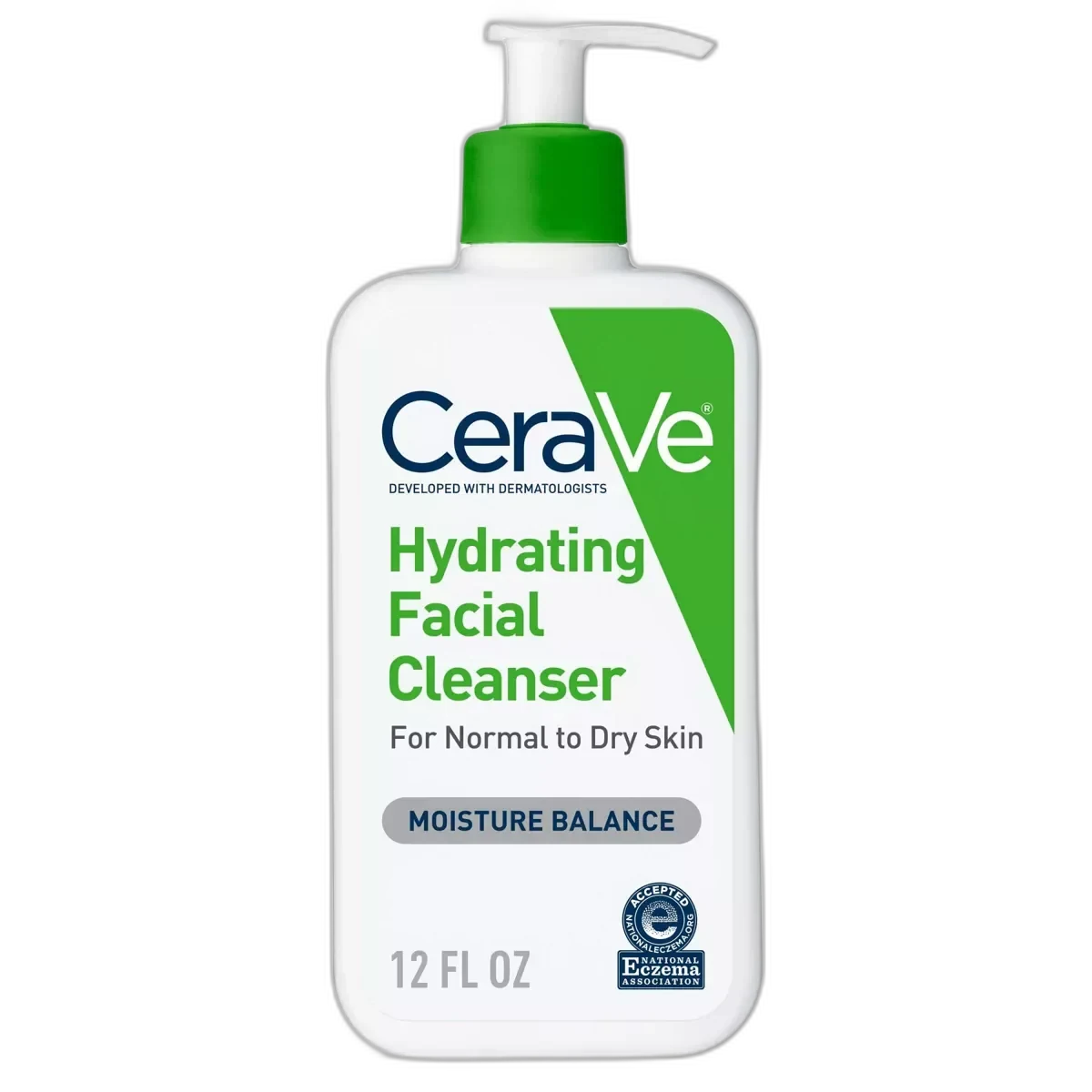
At $16 for 2 oz, twice-daily use costs about $5-$8 per month. This price is fair for a well-formulated mild surfactant cleanser from a research-backed brand, but it costs more than drugstore mild cleansers like Cetaphil or CeraVe Hydrating Cleanser. Value depends on your current routine: upgrading from a harsh, irritating cleanser makes this monthly cost reasonable. If you already use a $10 drugstore mild cleanser, the math is harder. This specific product lacks a larger size, which lowers value for frequent users — a 6 oz or 12 oz pump format would improve the per-ml math. Beekman's brand status and surfactant chemistry choices justify the price more than a typical farm-brand goat milk product.
This fragrance-free daily cleanser suits buyers with sensitive, dry, or compromised skin. It provides goat milk benefits without the drying effects of soap-based goat milk products. It works well for users who find other cleansers leave skin tight or stripped.
Skip this if you need a heavy-duty makeup remover (this is a face wash, not a balm cleanser), if you require vegan certification, or if you prefer a larger value-tier cleanser like CeraVe or Vanicream for daily use.
Product details.
Lightweight clear-to-pearly liquid that lathers into a soft, creamy foam
Goat milk and honey create a faint, natural dairy-honey aroma; there is no added fragrance
Frosted plastic bottle with pump dispenser
The first use feels mild and creamy without tingling or stinging. The foam is soft, not aggressive, and leaves skin comfortable without a tight, squeaky, stripped sensation. Users switching from harsher cleansers feel the difference on day one.
2-3 months at twice-daily face use
12 months
All Year
The backstory.
Beekman 1802 launched their face wash line as the natural extension of their original goat milk soap business — the founders wanted users who loved their bar soaps for the body to have a properly formulated face cleanser that offered the same goat milk benefits without the drying potential of true soap chemistry.
About Beekman 1802
Established Brand (5–20 years)Beekman 1802 started in 2008 at a Sharon Springs, NY goat farm. The brand builds its entire skincare line around goat milk as the central ingredient. This face wash is one of the brand's earliest core face products and helped establish their pure-goat-milk positioning.
Common myths.
Goat milk cleansers are too greasy or rich for daily use
This face wash is a foaming liquid with mild surfactants. It rinses cleanly and works for combination or oily skin, not just dry skin. The goat milk is in the water phase, not heavy fats.
Fragrance-free means scentless
This formula has no added fragrance, but goat milk and honey create a faint, natural dairy-floral aroma. It is not perfumed, but it is not odorless — that is a good sign.
FAQ.
Is this face wash gentle enough for daily use?
Yes. The surfactant system uses mild isethionates and cocamidopropyl betaine — some of the gentlest foaming surfactants in cosmetic chemistry. With goat milk, aloe, and honey, this is a sensitive-skin-friendly daily cleanser.
Does it remove makeup effectively?
This works for light to medium makeup. For heavy or waterproof makeup, use an oil or balm cleanse first, then use this as your second cleanse. This is not a primary heavy-makeup remover.
Will the goat milk smell bother me?
The formula is fragrance-free, though goat milk and honey add a faint dairy-floral scent. Most users find this pleasant or unnoticeable; sensitive users should patch test.
Is this safe during pregnancy?
Yes. This cleanser has no flagged actives—no salicylic acid, no retinoids, no essential oils, or fragrance. It is fully pregnancy-compatible.
Can I use it on body skin too?
You can, but the small bottle is for face use. Beekman makes larger goat milk body washes for body cleansing that offer better per-ml value.
Is it safe for fungal acne sufferers?
The ingredient list is Malassezia-friendly. It lacks oils or esters that feed fungal acne, so this cleanser works for users managing fungal acne or seborrheic dermatitis.
How long does the bottle last?
Using a small pump twice daily, most users finish the 2 oz bottle in two to three months. This costs roughly $5-$8 per month, a reasonable price for a clean specialty cleanser.
What the community says.
"Users consistently praise how gentle it is on sensitive skin"
"No tight or stripped feeling after rinse"
"Clean fragrance-free formula"
"Lathers without being harsh"
"Small 2 oz size for the price"
"Not strong enough for heavy makeup removal"
"Limited to one size"
"Some prefer richer cream cleansers"
People also looked at.