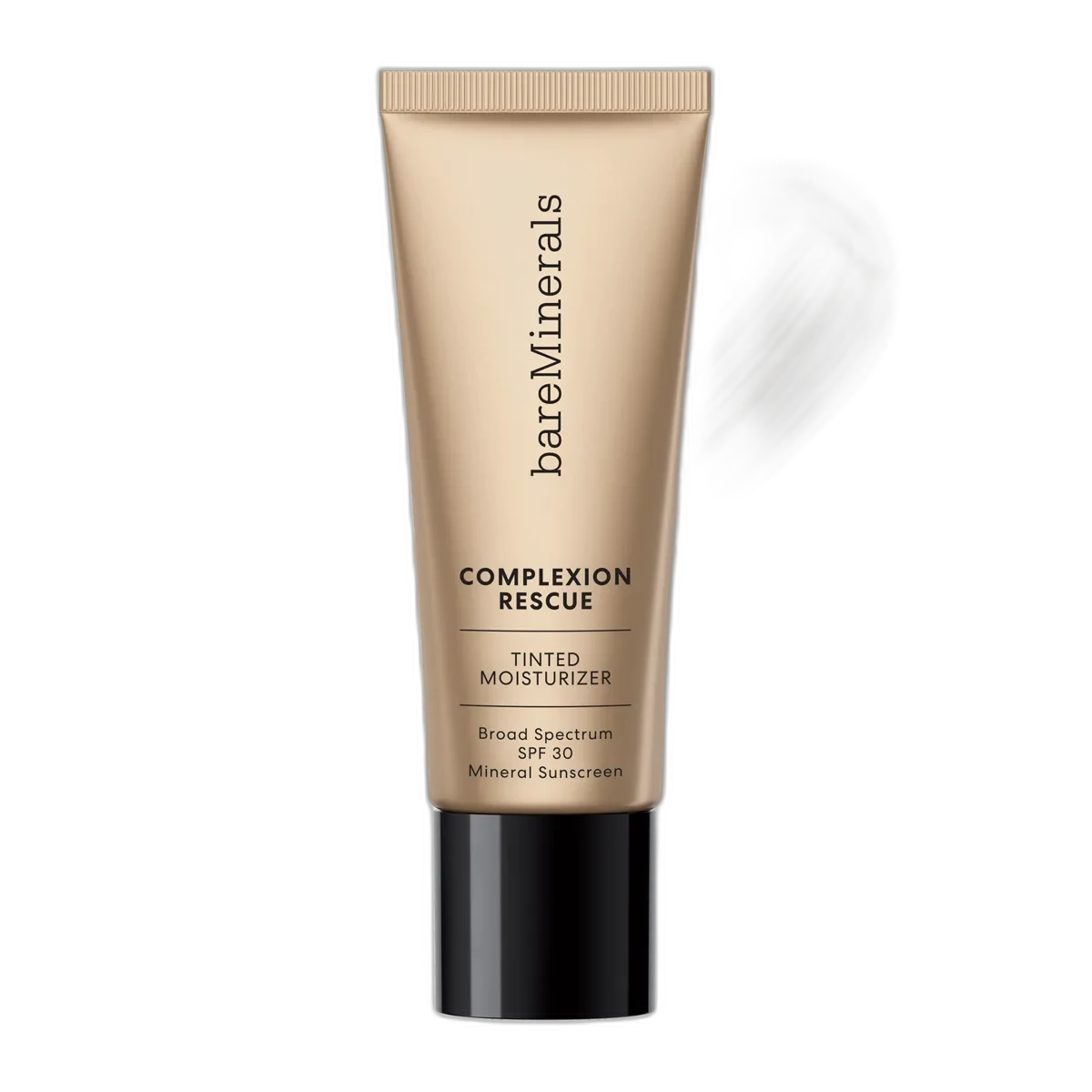
Complexion Rescue Tinted Moisturizer SPF 30
Tinted SPF That Actually Hydrates
 Verified reviewer
Pros & cons.
- +Real broad-spectrum SPF 30 protection with iron oxide visible light defense
- +Hydrolyzed HA and squalane provide moisturizer-grade hydration
- +Wide shade range for a tinted SPF
- +Natural satin finish that doesn't look like makeup
- +Pregnancy-safe mineral filter profile
- +Layers cleanly under foundation or worn alone
- +Dermatologist-recommended format for melasma management
- −6.9% titanium dioxide is on the lower end for serious sun exposure
- −35ml size is small for the price tier
- −Sheer coverage won't replace foundation for fuller looks
- −Some shades report mild oxidation
- −Requires generous application to deliver labeled SPF
The full review.
About bareMinerals
bareMinerals has nearly five decades of mineral makeup history. This legacy makes the formulation decisions in this product feel earned rather than hyped.
Who Should Buy
This is a top option for users wanting to consolidate SPF, hydration, and complexion evening into one morning step without compromise. The reformulated 2024 version is the strongest in the line since launch.
Texture
The texture is a gel-cream that melts on contact. It evens skin tone to a natural satin finish without looking like foundation and accepts additional makeup without pilling.
Packaging
The 35ml size is small for the forty-dollar price point. The per-milliliter cost is higher than most dedicated sunscreens.
Common Praise
The Complexion Rescue line has won Allure Best of Beauty multiple years. The formula has undergone multiple iterations based on user feedback, making it one of the most consistently-recommended tinted SPF products on the market.
Common Complaints
Some users report mild oxidation in certain shades depending on skin chemistry, but the recent reformulation reduced this issue substantially.
Best for
Users with normal-to-dry skin can use this as a complete morning final step without a separate moisturizer underneath.
Not ideal for
This should not be your only sunscreen in high-UV environments, on beach days, or for anyone with a history of skin cancer. Layer it over a higher-percentage mineral or chemical base in those situations. The coverage is sheer by design and will not replace foundation for users wanting real complexion correction.
Ingredient analysis.
Full INCI list
Active: Titanium Dioxide 6.9%. Inactive: Water, Coconut Alkanes, Propanediol, Silica, Squalane, Trehalose, Kaolin, Agar, Isostearic Acid, Polysorbate 60, Sorbitan Sesquiisostearate, Hydrolyzed Hyaluronic Acid, Salicornia Herbacea Extract, Caprylic/Capric Triglyceride, Theobroma Cacao Seed Extract, Camellia Japonica Flower Extract, Chlorella Vulgaris Extract, Polyglyceryl-4 Laurate/Succinate, Aluminum Hydroxide, Phenoxyethanol, Coco-Caprylate/Caprate, Glycerin, Hydrogen Dimethicone, Magnesium Stearate, Chlorphenesin, Cellulose Gum, Butylene Glycol, Succinoglycan, Lauroyl Lysine, Sodium PCA, 1,2-Hexanediol, Calcium Chloride, Magnesium Chloride, Biosaccharide Gum-4, Potassium Chloride, Melilotus Officinalis Extract, Magnesium Oxide, Lactic Acid, Alumina, +/- Iron Oxides
Skin match.
The science.
The Science
Dermatology research on visible light photodamage has clarified how tinted mineral sunscreens work over the last five years. Standard sunscreens block UVA and UVB radiation, but a 2010 study by Mahmoud and colleagues in the Journal of Investigative Dermatology shows that visible light — specifically high-energy blue light — causes pigmentation in skin types IV-VI and worsens melasma. Later research shows iron oxides, the pigments in tinted cosmetics, absorb visible light and provide protection that titanium dioxide and zinc oxide lack alone. A 2020 study in the Journal of the European Academy of Dermatology and Venereology compared tinted sunscreen with iron oxides against untinted mineral sunscreen for melasma management. The tinted group had significantly better outcomes over a 12-week period, making tinted mineral SPF the recommended format for melasma patients. Complexion Rescue uses titanium dioxide and iron oxides, aligning with this evidence; this is why dermatologists often recommend it for melasma sufferers. The hydration uses established humectant and emollient science. Studies show Hydrolyzed hyaluronic acid penetrates better than native HA, and a 2014 paper in the Journal of Cosmetic Science shows lower molecular weight HA forms deliver more stratum corneum hydration than the standard sodium hyaluronate in most skincare products. The squalane base acts as an occlusive emollient without the comedogenic risk of some plant oils, while trehalose binds water during low humidity. This system delivers measurable hydration and UV protection, a rare feat in this product category.
Dermatologist Perspective
Dermatologists often recommend tinted mineral sunscreens with iron oxides for patients with melasma, post-inflammatory hyperpigmentation, and skin of color because iron oxides block visible light. Board-certified dermatologists note Complexion Rescue has built strong recognition in this category over the last decade and remains a consistently recommended over-the-counter tinted SPF option. The main clinical concern is the 6.9% titanium dioxide concentration. Dermatologists note this amount works at the labeled application amount but leaves less margin for error than higher-percentage mineral sunscreens if users apply it lightly. For high-UV exposure or patients with high skin cancer risk, dermatologists typically recommend layering Complexion Rescue over a higher-percentage zinc base instead of using it alone.
Where it fits in your routine.
Apply this as your final morning step, after serums and treatments. Use a generous amount—about a quarter teaspoon for the face and neck combined. This is more than most users apply to a tinted product. Press it into the skin with fingertips or a sponge for a natural finish. Let it set for one or two minutes before applying makeup. Reapply every 2 hours in direct sun or after swimming or heavy sweating. Use it alone, layer it over a hydrating serum for more moisture, or wear it under foundation for fuller coverage.
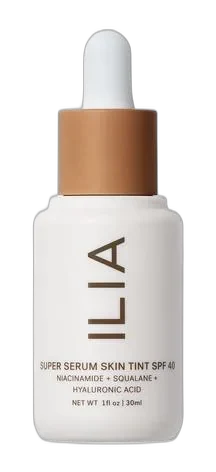
At $39.50 for 35ml, the price matches mid-tier tinted SPF products and sits below premium options like Ilia Super Serum Skin Tint or Saie Glowscreen. The per-milliliter cost exceeds dedicated sunscreens because the formula includes cosmetic shades. This product saves money and time for users who replace a moisturizer, a sunscreen, and a tinted moisturizer with one option. For users who still apply a separate moisturizer or sunscreen, the value drops and the price is harder to justify against simpler alternatives. As a legacy brand with a multi-decade formulation track record, bareMinerals does not price on hype.
Users wanting to combine moisturizer, SPF, and tinted complexion correction into one morning step. Melasma and hyperpigmentation patients needing visible light protection. Sensitive complexions that cannot tolerate chemical filters. Pregnant or breastfeeding users seeking a safe tinted SPF option.
This product is sheer by design for users wanting full coverage in a tinted product. People with very oily skin may prefer the matte finish of a powder mineral SPF. Users in high-UV environments needing maximum protection should layer this over a higher-percentage mineral base.
Product details.
A creamy gel that melts to a satin finish on contact
Essentially scentless
35ml plastic squeeze tube with screw cap
Squeeze a small amount onto fingertips; the gel-cream texture is tinted but spreadable. It melts into the skin in seconds and evens the complexion to a natural satin finish without looking like a layer of foundation. Hydration is immediate, and there is no white cast despite the mineral SPF — the iron oxide tint counters the titanium dioxide.
About 2-3 months with daily face-and-neck application
12 months
All Year
The backstory.
bareMinerals was founded in 1976 and helped create the modern mineral makeup category in the late 1990s with its loose powder mineral foundation. Complexion Rescue launched in 2014 as the brand's response to the demand for a hybrid skincare-makeup product — something with real SPF protection and meaningful hydration that could replace separate steps in a morning routine. The formula has been refined multiple times over the past decade.
About bareMinerals
Legacy Brand (20+ years)bareMinerals launched in 1976 and led the modern mineral makeup category in the late 1990s. The brand has nearly five decades of mineral-based formulation history and dermatological recognition for products suitable for sensitive skin.
Common myths.
Tinted SPF doesn't provide real sun protection.
Tinted mineral SPF with iron oxides protects better against visible light than untinted mineral or chemical sunscreens. Dermatologists recommend tinted SPF for melasma and post-inflammatory hyperpigmentation that respond to visible light.
You need to skip moisturizer if you wear a tinted SPF.
Complexion Rescue uses a hyaluronic acid and squalane base to act as both moisturizer and SPF. This works as a complete morning final step for most users, but very dry skin may need a hydrating serum underneath.
FAQ.
Is this enough sun protection on its own?
Yes, if you use the labeled amount—roughly a quarter teaspoon for the face. Most users under-apply tinted SPF products and get less than the labeled SPF 30 protection. If you apply lightly, layer this over a base SPF for daily use, especially in high-UV environments.
Will this work for melasma?
Yes — and it's actually one of the better choices. The iron oxides that provide the tint also offer visible-light protection, which is the specific wavelength that drives melasma pigmentation. Plain titanium dioxide or zinc oxide alone don't block visible light. Tinted SPF is the dermatologist-recommended format for melasma management.
How does it compare to Ilia Super Serum Skin Tint?
Ilia has better cosmetic elegance and more coverage, but uses a higher SPF percentage. bareMinerals has a wider shade range, a more hydrating base, and a lower price. Complexion Rescue is the better pick for a natural finish and real moisture. Ilia wins for those wanting the most coverage in a tinted SPF.
Can I wear this under makeup?
Yes. The texture sets to a satin finish that takes powder, concealer, and foundation cleanly without pilling. Many users wear Complexion Rescue alone for casual days and layer a foundation over it for more polished looks.
Is it pregnancy-safe?
Yes. Mineral sunscreens with titanium dioxide are the safest sunscreen format during pregnancy and breastfeeding. The formula lacks salicylic acid, retinoids, or other ingredients flagged for pregnancy concerns.
Does it oxidize and turn orange?
Some users report mild oxidation based on shade and skin chemistry. The newer 2024 reformulation reduces this, but it still happens. Pick a shade slightly lighter than your true match if your foundation tends to oxidize.
What the community says.
"Lightweight feel that doesn't look like makeup"
"Wide shade range for a tinted SPF"
"Real hydration unlike most tinted moisturizers"
"Doesn't sit in pores or fine lines"
"Lower SPF percentage than some mineral users want"
"Coverage is sheer and won't replace foundation"
"35ml is small for the price"
"Some shades read more orange than expected"
People also looked at.