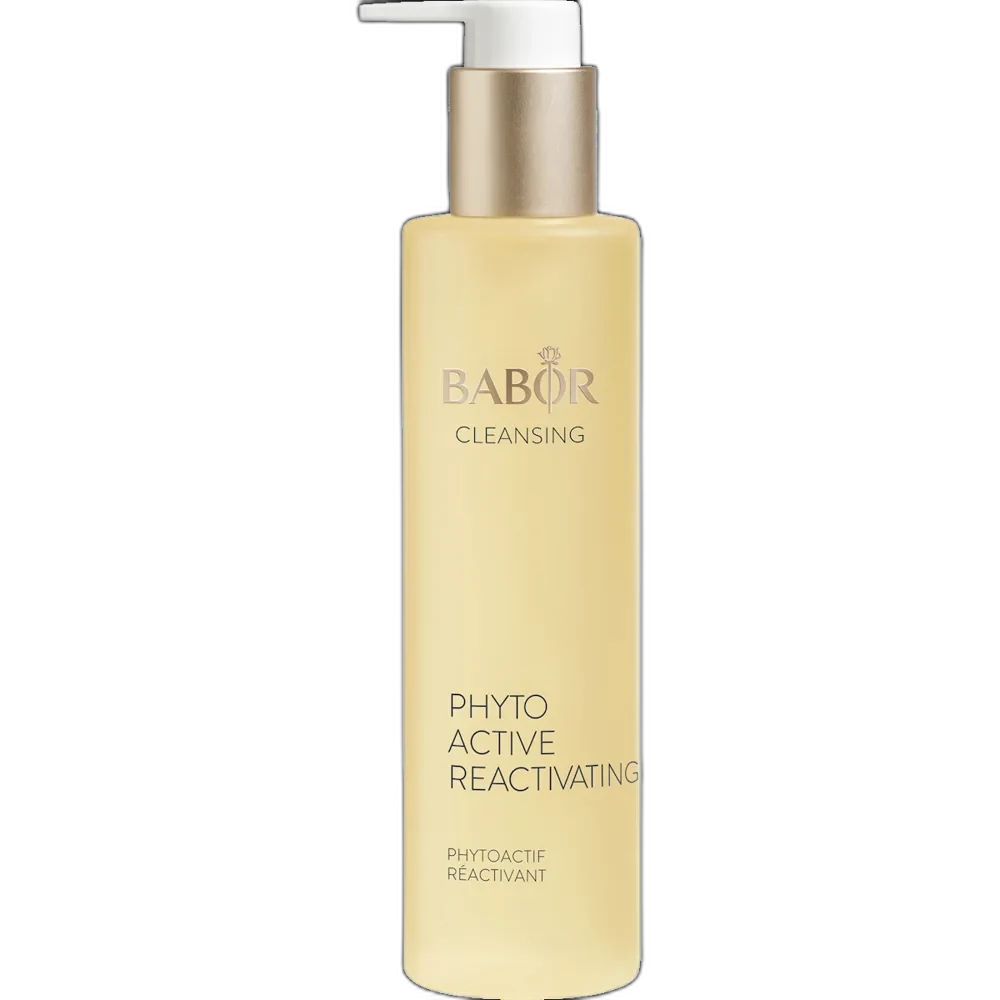
Cleansing Phytoactive Reactivating
Old-World European Spa Classic
 Verified reviewer
Pros & cons.
- +Signature European spa aromatic experience
- +Cooling, reactivating peppermint sensation
- +Non-stripping despite strong botanical content
- +Long-standing heritage product with 25+ years of refinement
- +Effective as part of a two-phase cleansing ritual
- +Pleasant herbal-medicinal scent for aromatherapy fans
- −Not suitable for sensitive or reactive skin
- −Strong essential oil content with known allergens
- −Expensive for the formulation quality
- −Modest performance as a standalone cleanser
- −Divisive scent that some users find overwhelming
The full review.
If you have had a facial in a German, Austrian, or Swiss spa—the kind with herbal scents, soft-spoken estheticians, and massage-based cleansing—you have likely seen Babor Phytoactive. The Reactivating variant comes in a clear glass bottle with a 1992-style tag. For over 25 years, this has been a staple of European spa culture, used as the second step in Babor’s two-phase cleansing ritual. First comes the HY-ÖL oil cleanser, then the Phytoactive. Every time.
This context defines the product. It is not a modern minimalist cleanser focused on ingredient transparency or barrier health. It does not compete with CeraVe or Vanicream for sensitive skin. It does not hide its essential oils. It delivers a specific sensory experience—the herbal, reactivating, spa-like second cleanse used in European professional skincare for decades—and it does so exactly.
The scent is immediate upon opening: fresh rosemary, thyme, peppermint, and a hint of citrus. It smells like a spa treatment room or pleasant herbal medicine. The liquid is a clear watery-gel that foams lightly with water on wet hands. Applying it to the face intensifies the aroma—peppermint oil creates a distinct cooling tingle during the recommended 30-45 second massage, and the effect is, as promised, reactivating. You feel more awake. Your face feels cleaner than a standard wash allows. The sensory experience is real, satisfying, and represents 80% of the value proposition.
Cleansing performance is competent but not exceptional. It rinses clean without residue, does not leave skin tight, and handles light daily buildup (sebum, sunscreen, general debris) well. As a standalone cleanser, it works for combination-to-oily skin. As the second step of a two-phase ritual following an oil cleanser, it works perfectly. For heavy makeup removal, a single or double cleanse with this product alone fails; you need an oil or balm cleanser as the first step.
The ingredient deck will divide users. The herbal extract complex is extensive (rosemary, thyme, melissa, peppermint) and the essential oil content is substantial (peppermint oil, orange peel oil), with Limonene and Linalool listed as allergen declarations per EU fragrance labeling regulations. This product is a bad idea for anyone with a history of contact allergy to fragrance, essential oils, or specific botanicals. It is also a bad idea for anyone with rosacea, sensitive skin, perioral dermatitis, or reactive skin. The formula is not built for modern sensitive-skin standards. It targets healthy, non-reactive skin that appreciates aromatic intensity and does not flare from essential oils.
For that audience, the experience is enjoyable. A daily Phytoactive cleanse feels like a three-minute spa visit—aromatic, warming, cooling, herbal-medicinal care that differs from a quick wash with a ceramide cleanser. This experiential value explains why the product has survived 25+ years. People buy it because it is not clinical.
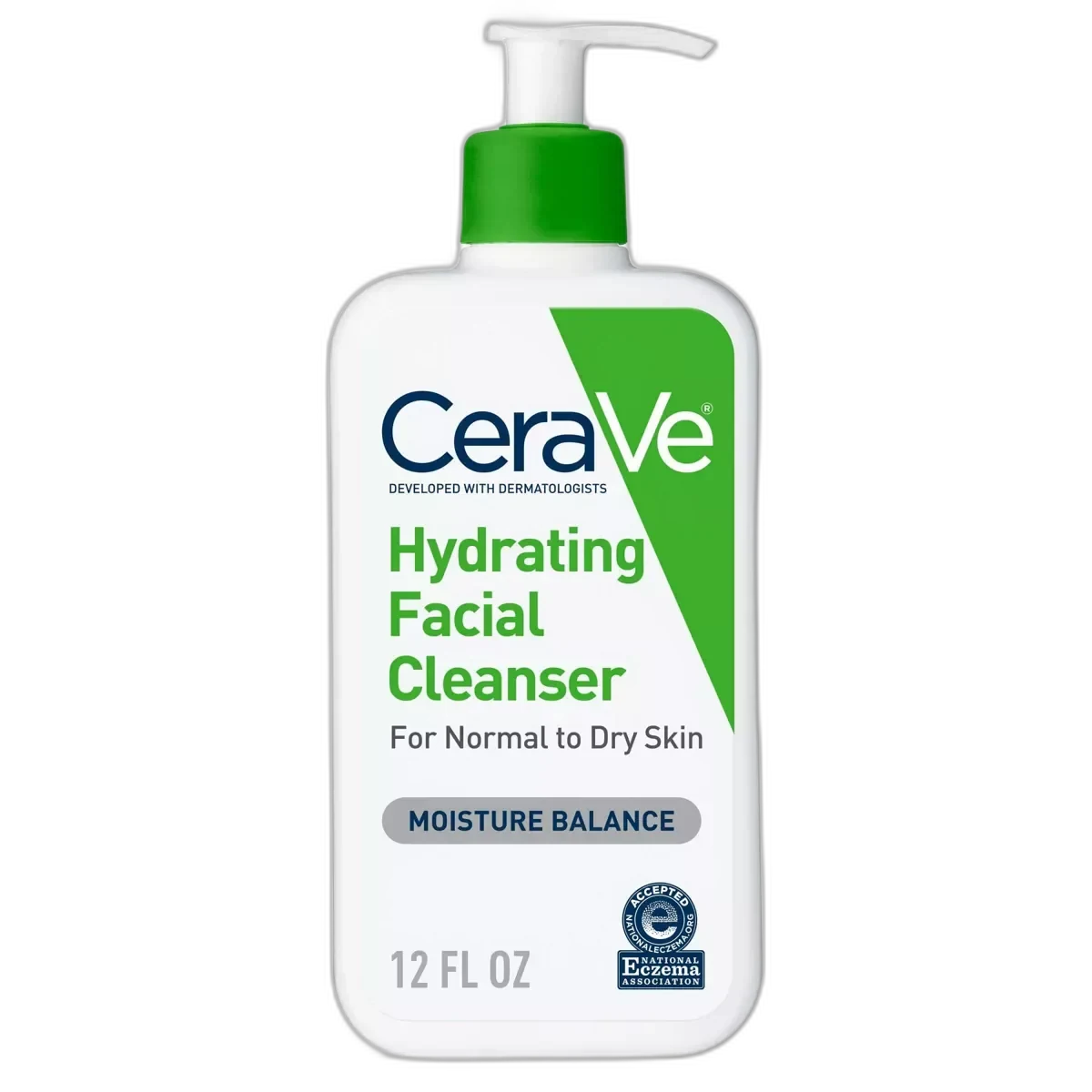
The price is harder to defend. $32 for 100ml of a botanical surfactant system with essential oils is significantly above the formulation’s worth. You pay for brand heritage, spa association, and the aromatic experience. Compared to modern alternatives—CeraVe Hydrating Cleanser at $15, Tatcha Camellia Cleansing Oil at $50, and COSRX Good Morning Cleanser at $10—the Babor price sits in a category where the formulation does not justify the cost. The value lies almost entirely in the ritual. Whether that is worth $32 depends on your preference for the experience.
Who should buy this
People who want the European spa cleansing ritual at home and do not have sensitive or reactive skin. Babor loyalists building a brand cleansing range. Fans of strongly scented botanical cleansers who prefer herbal aromatics over fragrance-free options. Travelers who want to recreate the Babor experience they found at a spa.
Who should skip it
Anyone with sensitive skin, rosacea, eczema, contact allergies, or a history of reacting to essential oils. Anyone who prefers fragrance-free skincare for philosophical or safety reasons. Anyone seeking the most effective cleanser for the money rather than the most experiential. People with compromised skin barriers, as peppermint and citrus oils will aggravate the skin.
This product is for a specific audience, not everyone. If the herbal spa ritual sounds appealing, you will enjoy it. If it sounds like an allergen party, you will hate it. There is no neutral response.
Formula
Ingredient analysis.
Full INCI list · pH 5.5
Aqua, Glycerin, Propanediol, Rosmarinus Officinalis (Rosemary) Leaf Extract, Mentha Piperita (Peppermint) Leaf Extract, Thymus Vulgaris (Thyme) Extract, Melissa Officinalis Leaf Extract, Citrus Aurantium Dulcis (Orange) Peel Oil, Mentha Piperita Oil, PEG-40 Hydrogenated Castor Oil, Polysorbate 20, Panthenol, Allantoin, Citric Acid, Ethylhexylglycerin, Phenoxyethanol, Limonene, Linalool
Skin match.
The science.
The Science
This cleanser uses a mild non-ionic surfactant system (PEG-40 hydrogenated castor oil and polysorbate 20) with humectants and aromatic botanical extracts. This surfactant system is gentler than traditional sulfate-based cleansers, producing low foam and minimal barrier disruption. Research shows mild non-ionic surfactants generally cause less transepidermal water loss than harsher alternatives, making them suitable for daily use.
The aromatic botanical component has limited clinical evidence for skin-specific benefits in a rinse-off context. Rosemary, thyme, peppermint, and melissa contain antioxidant and mildly antimicrobial compounds, but the short contact time of a cleanser limits biological effect beyond the sensory experience. Research on topical essential oils focuses on leave-on applications where contact time allows for measurable activity.
Peppermint oil's cooling sensation works through TRPM8 receptor activation, the same mechanism menthol uses for its cooling effect. This is a neurological response, not a temperature change; it feels pleasant for most users but can trigger irritation in sensitive individuals.
The formula is reasonably gentle for its category. Glycerin is second on the INCI and provides humectant support, while panthenol and allantoin add mild soothing effects during application. These ingredients help offset potential essential oil irritation for most users, though they do not eliminate the sensitization risk for those with existing reactivity.
Dermatologist Perspective
Dermatologists generally advise against essential-oil-rich cleansers for patients with rosacea, eczema, sensitive skin, or any history of contact dermatitis, because fragrance compounds like Limonene and Linalool can cause sensitization. Board-certified dermatologists note that while rinse-off products have less exposure time than leave-on formulations, essential oils still trigger allergic contact dermatitis in susceptible individuals. Patch testing is recommended before using new strongly-scented cleansers. For patients seeking a gentle daily cleanser without irritation risk, dermatologists typically recommend fragrance-free options with minimal ingredient lists over traditional botanical spa formulations.
Where it fits in your routine.
Use this after the HY-ÖL oil cleanser as part of Babor's two-step cleansing ritual. Put 3-4 drops on wet fingertips, add water, and massage into a light foam on the face for 30-60 seconds. Rinse well with lukewarm water. Use it on wet skin the same way as a standalone cleanser. Use once or twice daily based on skin tolerance and routine. Avoid the immediate eye area. Stop use if stinging, redness, or irritation occurs. Follow with a hydrating toner or essence to restore pH balance.
At $32 for 100ml, the cost-per-use is $0.11-$0.20 per wash depending on usage patterns. This price is reasonable for a cleanser. The challenge is relative value: CeraVe Hydrating Cleanser, Vanicream Gentle Cleanser, and Cetaphil offer comparable cleansing efficacy for less. You pay a premium for the Babor brand, European spa heritage, and the aromatic botanical experience. The price is defensible for users who value those elements. For those prioritizing clinical efficacy or budget efficiency, cheaper alternatives deliver comparable or better barrier-friendly results.
Users who want strong, spa-like scents and have resilient, non-reactive skin. Babor enthusiasts following the brand's cleansing ritual. Fans of herbal-medicinal scents.
People with sensitive or reactive skin, rosacea, eczema, contact allergies, or a history of reacting to essential oils. Users who want fragrance-free or minimalist formulations. Budget-conscious shoppers who get similar cleansing performance for less.
Product details.
Clear watery-gel liquid that foams lightly on contact with water
Strong fresh herbal notes of peppermint, rosemary, and citrus mimic European spa aromatherapy.
100ml glass bottle with flip-top dispenser
The scent is fresh, green, and medicinal-spa. Application creates a cooling peppermint tingle that peaks during massage and calms upon rinsing. Skin feels clean and refreshed, with a faint herbal note that fades within minutes.
3-5 months with twice-daily use as a second cleanser
12 months
spring summer
The backstory.
The Phytoactive cleansing range dates back to the late 1990s as part of Babor's professional spa cleansing protocol. The reactivating variant was designed for normal-to-combination skin and positioned as the second step of a two-phase cleansing ritual, following an oil-based first cleanse. For over two decades it has been a staple of European spa treatments, and the formula has changed relatively little because changing it would break with the signature scent and experience that loyal users expect.
About Babor
Legacy Brand (20+ years)Babor launched in 1956 in Germany. It has worked as a professional spa and esthetic brand for nearly seven decades. The Phytoactive cleansing range has been a Babor signature for over two decades and serves as the second step in the brand's professional cleansing ritual in European spas.
FAQ.
Is this a standalone cleanser or part of a two-step system?
Babor recommends this as the second step in a two-phase cleansing ritual, after the Babor HY-ÖL oil cleanser. It works as a standalone cleanser for lighter makeup or combination-to-oily skin. Use the two-step approach to remove heavy makeup or sunscreen.
Why is it so strongly scented?
The scent defines this product; it aims to provide an aromatherapy experience while cleansing. The peppermint, rosemary, and herbal blend are intentional, not accidental. If strong natural scents bother you, avoid this product.
Can I use it if I have rosacea?
No. Peppermint and citrus essential oils likely trigger rosacea flares. A fragrance-free gentle cleanser works better for rosacea-prone skin.
How does it compare to modern minimalist cleansers?
This is a heritage spa product, not a modern minimalist cleanser. Its philosophy focuses on sensory experience and aromatic botanicals instead of ingredient transparency and barrier-first formulation. It cleanses as effectively (removes debris, rinses clean) but offers a stronger sensory experience at a higher price.
Is the peppermint too strong for daily use?
Most non-sensitive users won't notice — humectants and anti-inflammatories balance the peppermint. Users with peppermint sensitivity or reactive skin will find this too intense.
What the community says.
"Invigorating herbal scent"
"Pleasant spa-like experience"
"Non-stripping feel"
"Leaves skin feeling refreshed"
"Strong herbal scent is divisive"
"Expensive for a cleanser"
"Contains multiple known allergens"
"Not suitable for sensitive skin"
People also looked at.