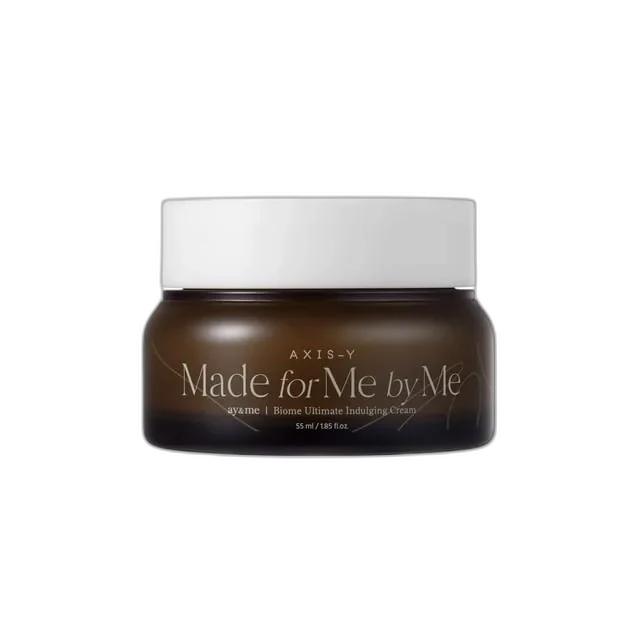
Biome Ultimate Indulging Cream
K-Beauty Barrier Cream
 Verified reviewer
Pros & cons.
- +Multi-ceramide blend with cholesterol and phytosphingosine approximates healthy stratum corneum lipid profile
- +Five-strain probiotic complex with prebiotic support is genuinely well-constructed
- +Beta-glucan, centella, and mugwort add a meaningful calming dimension
- +Rich, cushiony texture that delivers immediate comfort to dry skin
- +Pairs intentionally with the rest of the Axis-Y Biome line
- +Strong value compared to other multi-ceramide creams at this price point
- +Cruelty-free and vegan formulation
- −Too rich for true oily or acne-prone skin types
- −Contains essential oils that won't suit very sensitive or fragrance-averse users
- −60ml jar empties relatively fast at twice-daily application
- −Plant butters can feel heavy in summer climates
The full review.
The K-beauty moisturizer category is crowded. Every brand has a hydrating cream, a barrier cream, an anti-aging cream, and several niche formats. New entries must prove they do something distinctive enough to replace your current moisturizer. The Biome Ultimate Indulging Cream distinguishes itself by combining barrier-repair formulation and probiotic skincare in one product, rather than treating one as a marketing afterthought. Most ceramide creams list “probiotics” at the bottom of the INCI; most probiotic creams use ceramide NP as a single inclusion. This formula uses both with intent.
The barrier-lipid claim is the most substantive. The cream contains Ceramide NP and Ceramide AP, cholesterol, hydrogenated lecithin, glycosphingolipids, and tetraacetylphytosphingosine. Together, these approximate the lipid composition of a healthy stratum corneum better than typical “ceramide creams” that only list Ceramide NP. The ratio matters. Dermatology research on barrier repair (including work by Peter Elias and colleagues at UCSF) shows ceramides alone do not repair a compromised barrier; they require cholesterol and free fatty acids in specific proportions to restore stratum corneum function. This formula lacks the strict 3:1:1 ratio of the CeraVe barrier-repair claim, but it is more complete than most K-beauty ceramide creams at this price.
The Biome line adds a probiotic layer: Lactobacillus, Saccharomyces, Galactomyces, the Saccharomyces/Xylinum/Black Tea ferment, and Bifida, plus fructooligosaccharides as a prebiotic. It also includes a multi-botanical extract layer (centella asiatica, mugwort, kelp, eclipta), beta-glucan as a soothing humectant, and a hyaluronic acid pair (sodium hyaluronate and hydrolyzed) for surface hydration. Adenosine is high on the INCI for firming. Mango seed butter and shea butter form the thick emollient base. The ingredient list shows intentional design regarding how the lipid layer interacts with the probiotic layer.
The texture is a classic thick cream: cushiony, melts on contact, and leaves a soft velvety finish. It is heavier than the brand’s Cera-Heart Duo Cream and richer than most K-beauty everyday moisturizers. The scent follows the Biome line pattern: cedar, patchouli, juniper, and amyris essential oils create an herbal character that fades within minutes. If you tolerate the Biome line scent, you will tolerate this. If you avoid essential oils, do not use this.
The skepticism concerns fit, not formulation. This cream is unambiguously rich. The plant butters and emollient esters make it unsuitable for oily or acne-prone skin. Combination skin types may use it on cheeks and dry zones but might prefer something lighter for the T-zone. Fungal acne-prone users should patch test due to the botanical and ferment content. The 60ml jar empties faster than the 50ml essence because cream application requires larger amounts; twice-daily use lasts 2-3 months per jar. This defines the target user rather than criticizing the cream.
Value is solid. At roughly $32 for 60ml, the per-ml cost matches mid-tier K-beauty barrier creams, and the ingredient density justifies the price. Comparable multi-ceramide creams from established brands cost $40-$80, while comparable probiotic creams cost $30-$50. Finding both in one product at this price is uncommon. A 60ml jar lasts 2-3 months with twice-daily application, costing $11-$16 per month. Final read: a strong recommend for dry, mature, or compromised skin needing both barrier and microbiome support in one step, noting the richness and essential oils.
Ingredient analysis.
Full INCI list
Water, Glycerin, Betaine, Methylpropanediol, Cyclohexasiloxane, Pentaerythrityl Distearate, Squalane, Dicaprylyl Ether, Caprylic/Capric Triglyceride, Cetearyl Alcohol, Cetearyl Glucoside, Allantoin, Adenosine, Ceramide NP, Ceramide AP, Hydrogenated Lecithin, Glycosphingolipids, Tetraacetylphytosphingosine, Stearic Acid, Cholesterol, Mangifera Indica Seed Butter, Butyrospermum Parkii Butter, Beta-Glucan, Hydrolyzed Hyaluronic Acid, Sodium Hyaluronate, Butylene Glycol, Lactobacillus Ferment, Saccharomyces Ferment Filtrate, Galactomyces Ferment Filtrate, Saccharomyces/Xylinum/Black Tea Ferment, 1,2-Hexanediol, Theobroma Cacao Seed Extract, Bifida Ferment Lysate, Artemisia Princeps Leaf Extract, Centella Asiatica Extract, Laminaria Japonica Extract, Eclipta Prostrata Leaf Extract, Fructooligosaccharides, Sodium Polyacrylate, Sodium Stearoyl Glutamate, Dipropylene Glycol, Hydroxyacetophenone, Disodium EDTA, Dextrin, Glyceryl Stearate, Pentylene Glycol, Ethylhexylglycerin, Tocopherol, Caprylyl Glycol, Xanthan Gum, TBHQ, Juniperus Virginiana Oil, Cedrus Atlantica Bark Oil, Amyris Balsamifera Bark Oil, Copaifera Officinalis Resin, Pogostemon Cablin Oil
Skin match.
The science.
The Science
The barrier-repair lipid profile is the strongest evidence-based part of this formulation. Decades of dermatology research, much of it from Peter Elias and collaborators at the University of California San Francisco, shows that effective stratum corneum barrier repair requires ceramides, cholesterol, and free fatty acids in physiologically appropriate ratios. Ceramides alone do not repair a compromised barrier; the supporting lipids matter. This cream uses Ceramide NP, Ceramide AP, cholesterol, glycosphingolipids, and tetraacetylphytosphingosine to reach a more complete lipid profile than most multi-ceramide creams. The phytosphingosine is interesting: phytosphingosine is a sphingoid base that skin enzymes convert into additional ceramides, creating a precursor pool for ongoing lipid synthesis.
The probiotic ferment ingredients (Bifida, Lactobacillus, Saccharomyces, Galactomyces) match the evidence level of the rest of the Biome line—research shows benefits for barrier function and skin sensitivity, with the strongest data on Bifida and Galactomyces ferment ingredients. Beta-glucan has documented soothing and humectant properties (multiple peer-reviewed studies through the 2010s), and the Korean Ministry of Food and Drug Safety recognizes adenosine as a functional anti-wrinkle ingredient with clinical data on fine line reduction.
Centella asiatica is a well-validated botanical with clinical evidence for wound-healing, anti-inflammatory effects, and barrier support. Hyaluronic acid (in both sodium hyaluronate and hydrolyzed forms) works as a standard topical humectant. Tocopherol provides antioxidant support against oxidative damage to the formula and the skin. The essential oil inclusion has the weakest evidence support—a recurring caveat across the entire Biome line.
Dermatologist Perspective
Dermatologists regard well-formulated multi-ceramide creams with cholesterol support as useful for patients with compromised barriers, eczema-prone skin, or post-procedure recovery. Board-certified dermatologists frequently recommend ceramide-and-cholesterol moisturizers for these uses, and the Axis-Y Biome formulation would likely earn a positive review from most derms for its lipid completeness. The probiotic addition is a reasonable bonus rather than the primary therapeutic mechanism. Dermatologists typically flag the essential oil inclusion for sensitive-skin patients. For dry, mature, or barrier-compromised skin without essential oil sensitivities, this is a reasonable mid-tier choice that offers more lipid completeness than many cheaper alternatives.
Where it fits in your routine.
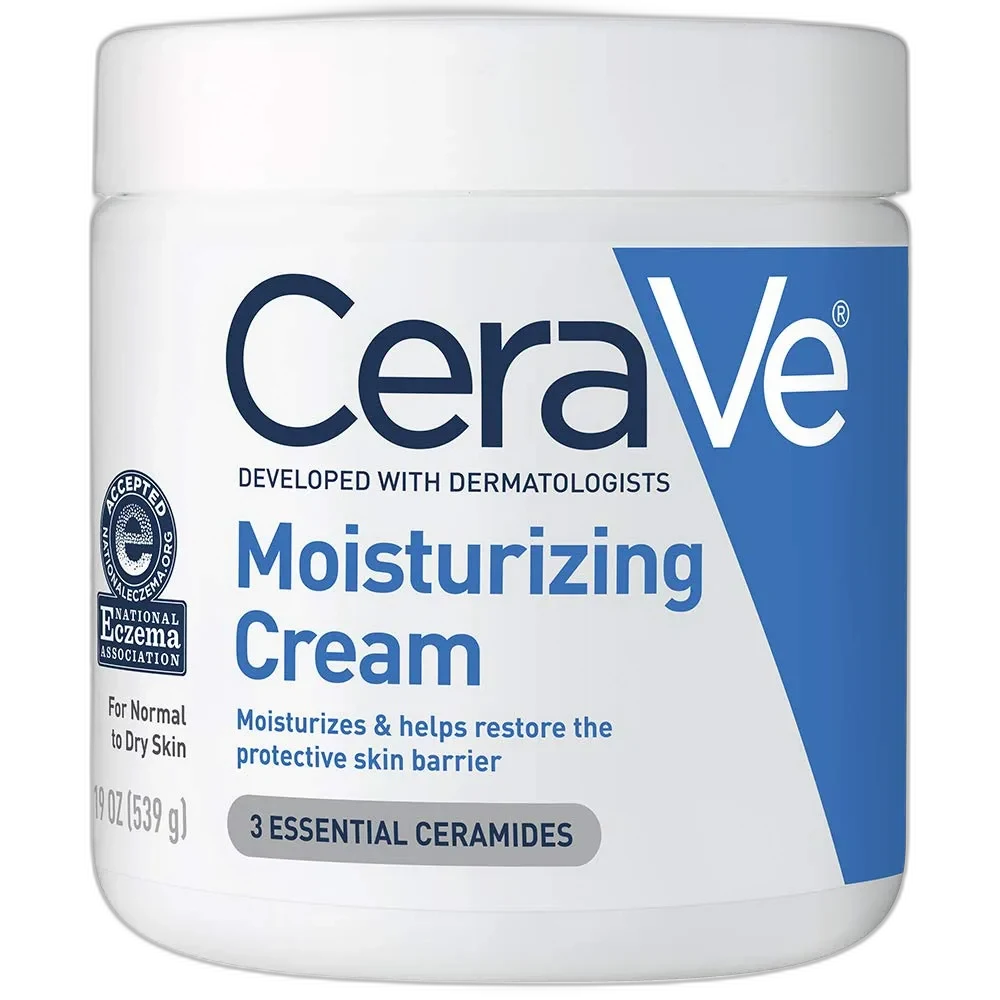
Apply after cleansing, toner, essence, and any serums. Warm a small amount between fingers. Press into damp skin on the face and neck using gentle, upward motions. Do not massage heavily; The CeraVe Moisturizing Cream absorbs better when pressed than rubbed. Use morning and evening. In the morning, follow with broad-spectrum SPF. For barrier-compromised or post-procedure skin, The CeraVe Moisturizing Cream layers well as the final step without other actives. As a retinoid buffer, apply 10-15 minutes after your retinoid.
At about $32 for 60ml, this cream offers high value for a multi-ceramide-and-probiotic formulation. Established Western brands charge $40-$80 for comparable multi-ceramide creams, while comparable probiotic creams cost $30-$50. Finding both in one product at this price is uncommon. A 60ml jar lasts 2-3 months with twice-daily application, making the monthly cost $11-$16. The brand's emerging status keeps the price low; you avoid a legacy clinical premium, but the formulation density justifies the cost.
This multi-ceramide cream suits dry, mature, or barrier-compromised skin seeking probiotic benefits at a fair K-beauty price. It works well for winter routines, post-procedure recovery, or buffering strong actives.
People with oily or acne-prone skin should avoid this; the plant butters and emollient base are the wrong format. Skip this if you have documented essential oil sensitivities or live in a hot, humid climate where this cream feels oppressive in summer.
Product details.
Rich, cushiony cream that melts on contact and leaves a soft, velvety finish
Cedar and patchouli oils create a distinctive herbal-woody scent that fades within minutes
Frosted glass jar with screw cap and inner seal — more upscale than the line's other formats
The cream feels enveloping on first use. The herbal scent is strongest during application and fades within minutes. It causes no tingling or stinging. Skin feels cushioned and comfortable after the first application; barrier and tone benefits build over weeks.
Apply to the face twice daily for 2-3 months; use longer if applying only in winter or at PM.
12 months
fall winter
The backstory.
Developed as the moisturizer anchor for the Biome line that launched in 2022, this cream was designed to give Axis-Y customers a richer alternative to the brand's lighter Cera-Heart Duo Cream — specifically targeting dry, mature, or barrier-compromised skin types that needed more lipid support than the existing lineup offered. The formulation reflects the brand's increasing technical ambition as the Biome line matured.
About Axis-Y
Emerging Brand (2–5 years)Axis-Y launched in 2019 and added the Biome line in 2022. This cream is the line's moisturizer anchor. It combines a multi-ceramide-and-cholesterol barrier blend with the brand's signature five-strain probiotic complex. Independent clinical validation of the specific formulation is limited, but the ingredients reflect current evidence-based barrier-repair formulation thinking.
Common myths.
Two ceramides are enough to fully repair a damaged barrier.
Effective barrier repair needs the correct ratio of ceramides, cholesterol, and free fatty acids—not just ceramides. This cream includes cholesterol and phytosphingosine with the ceramides. This makes its barrier-repair claims more credible than most multi-ceramide creams that omit supporting lipids.
Rich ceramide creams will clog pores on combination skin.
The plant butters and oils in this cream are too thick for oily or acne-prone skin, but combination skin types tolerate it well on cheeks and dry zones. Spot-applying to dry zones works as a middle-ground approach.
FAQ.
How does this compare to the Axis-Y Cera-Heart Duo Cream?
The Cera-Heart Duo is a lighter daily moisturizer for normal-to-dry skin. The Biome Ultimate Indulging Cream is thicker, using mango seed butter, shea butter, more ceramides, and the Biome line probiotic blend. Use the Biome cream for very dry, mature, or barrier-compromised skin; use the Cera-Heart Duo for normal-to-combination skin or warmer climates.
Is this cream too rich for combination skin?
Most combination skin users tolerate it well with light facial application, using more on the cheeks and dry zones. If the T-zone feels too occlusive, the lighter Cera-Heart Duo Cream fits better.
Can I use this with retinol?
Yes — the multi-ceramide-and-cholesterol barrier blend makes this cream a useful buffer for a retinoid. Apply your retinoid first, wait 10-15 minutes, then layer this cream on top to reduce dryness and irritation.
Is it fragrance-free?
Like the rest of the Biome line, it contains cedar, patchouli, juniper, and amyris essential oils for a distinctive herbal scent. The scent is strongest upon application and fades within minutes.
Does it work for oily or acne-prone skin?
Not ideal. The plant butters and thick emollient base can weigh down oily or acne-prone skin. If you have oily skin and want a Biome line moisturizer, use the essence and toner with a separate lightweight cream.
How long does the 60ml jar last?
Apply twice daily for results in 2-3 months. Use it only at night or on dry zones to extend use to 4-5 months.
Is this cream pregnancy safe?
The formula has no clinically contraindicated ingredients, but some pregnant users avoid essential oils as a precaution. Consult your doctor before use during pregnancy or nursing.
Community
What the community says.
"Genuinely rich and cushioning texture"
"Multi-ceramide blend feels effective on dry skin"
"Pairs intentionally with the rest of the Biome line"
"Calming effect on reactive skin once tolerated"
"Too rich for oily or acne-prone skin"
"Essential oil scent is divisive"
"60ml jar empties quickly with twice-daily use"
"Plant butters can feel heavy in summer months"