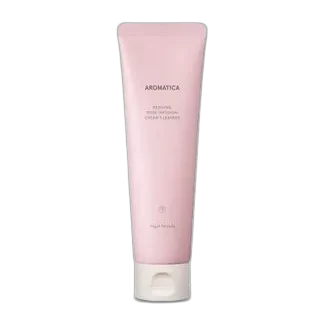
Reviving Rose Infusion Cream Cleanser
Rose Ritual Cleanser
 Verified reviewer
Pros & cons.
- +Damask rose flower extract listed second on the INCI — real organic rose content
- +Distinctive natural rose fragrance from rose water, rosewood oil, and geranium
- +Rich indulgent foaming lather that feels genuinely luxurious
- +Glycerin as dominant humectant offsets some of the soap-induced dryness
- +Strong K-beauty value compared to equivalent Western rose-themed cleansers
- +EWG Verified despite the essential oil and fragrance allergen content
- +Cruelty-free and vegan formulation
- +Cleanses thoroughly and rinses cleanly without residue
- −Alkaline pH of approximately 8.5 disrupts the acid mantle without a follow-up toner
- −Geranium and rosewood essential oils plus four listed fragrance allergens
- −Not appropriate for sensitive, rosacea-prone, or compromised-barrier skin
- −Soap-based system is drier than modern syndet cleansers
- −Squeaky-clean feeling some users mistake for superior cleansing efficacy
The full review.
Cosmetic chemistry contains a quiet argument between two cleanser philosophies. One side uses the modern syndet (synthetic detergent) approach. These cleansers use mild surfactants like sodium cocoyl isethionate or amphoteric coco-betaines at a pH near the skin’s natural 5.5 to leave the acid mantle undisturbed. Most dermatologists recommend this for daily use, and it forms the basis of almost every barrier-conscious cleanser from the last decade. The other side uses the traditional potassium-soap approach. These cleansers use saponified fatty acids — myristic, palmitic, stearic, lauric — neutralized with potassium hydroxide. This creates a thicker foam, a cream-to-lather texture, and the squeaky-clean feel some users love but dermatological orthodoxy warns against. The pH is around 8.5, which is alkaline relative to the skin’s acid mantle; modern barrier theory identifies this as a problem. Aromatica’s Reviving Rose Infusion Cream Cleanser is a deliberate soap-based product. The brand chose a potassium soap system to produce the thick lather that matches the line’s rose theme. A syndet cleanser cannot match this texture, foam volume, or ritual feeling. The brand chose this pH consciously. Damask rose flower extract is second on the INCI, so the formula contains a meaningful percentage of real organic rose water. The rose comes from Bulgarian organic suppliers, the standard source for legitimate damask rose products. The scent is the formula’s most praised quality — a natural, distinct rose scent rather than the synthetic rose-fragrance most cleansers use. Geranium oil and rosewood wood oil reinforce this floral character. Supporting botanical extracts — raspberry leaf, elderberry, calendula, amla, rosehip, chamomile, rosemary, eclipta — fit the brand’s positioning but provide no practical benefit in a rinse-off product. Cleansers only contact skin for seconds. These botanicals deliver no cumulative benefit in that window, though they fit the marketing. Glycerin is first on the INCI as the main humectant. It acts as a counterweight to the alkaline soap system to offset the dryness typical of potassium soaps. Texture is the main sensory selling point. The cream is thick and rose-scented in the tube, turning into a dense foam when massaged with water and circular pressure. It feels more substantial than modern low-pH cleansers. Skin feels squeaky-clean after rinsing — a sensation some users love, but which dermatological orthodoxy correctly notes as the alkaline pH temporarily disrupting the acid mantle. If you use this cleanser regularly, you must follow it immediately with a low-pH hydrating toner. The drawbacks are significant. The pH 8.5 alkaline soap system is the main concern for users with sensitive, rosacea-prone, or compromised-barrier skin, as modern dermatology recommends syndet cleansers for these conditions. Geranium oil and rosewood oil create a meaningful essential oil load, and the formula lists four fragrance allergens (citronellol, geraniol, linalool, limonene) naturally present in these oils. Users sensitive to these compounds will find this cleanser a poor fit. Coconut oil is also present, but its INCI position means it only marginally affects acne-prone users in a rinse-off context. The price is fair. At around twenty-four dollars for one hundred and forty-five grams, this offers K-beauty value — it is cheaper than equivalent rose-themed cleansers from Western luxury brands like Fresh Rose Deep Hydration and likely has more authentic rose content. The 145g tube lasts about two to three months with twice-daily use. The product performs well for its intended purpose. It cleanses thoroughly, lathers richly, smells beautiful, and leaves skin feeling cleansed. It is a ritual product. It is not a barrier-conscious gentle daily cleanser. For users who want a rich foaming cream cleanser, do not react to fragrance allergens, and use a low-pH toner to rebalance, this works as a daily evening cleanser or a weekend ritual. Users prioritizing modern dermatological best practice or those with reactive skin should choose a syndet alternative.
Ingredient analysis.
Full INCI list · pH 8.5
Glycerin, Rosa Damascena Flower Extract, Myristic Acid, Palmitic Acid, Aqua (Water), Stearic Acid, Potassium Hydroxide, Lauric Acid, Cocos Nucifera (Coconut) Oil, Sodium Cocoamphoacetate, Sodium Cocoyl Isethionate, Glyceryl Stearate, Sorbitan Olivate, Rubus Idaeus (Raspberry) Leaf Extract, Sambucus Nigra (Elderberry) Fruit Extract, Calendula Officinalis Flower Extract, Phyllanthus Emblica Fruit Extract, Rosa Canina Fruit Extract, Erythritol, Phenethyl Alcohol, Caprylyl Glycol, Polyquaternium-39, Sodium Chloride, Propanediol, Ethylhexylglycerin, Eclipta Prostrata Extract, Hippophae Rhamnoides (Sea Buckthorn) Oil, Pelargonium Graveolens (Geranium) Oil, Melia Azadirachta (Neem) Leaf Extract, Rosmarinus Officinalis (Rosemary) Leaf Extract, Chamomilla Recutita (Matricaria) Flower Extract, 1,2-Hexanediol, Verbena Officinalis Extract, Sodium Benzoate, Sodium Hyaluronate, Moringa Oleifera Seed Oil, Aniba Rosodora (Rosewood) Wood Oil, Citronellol, Geraniol, Limonene, Linalool
Skin match.
The science.
The Science
The cleanser pH debate is well-established in modern cosmetic dermatology. The skin's natural surface pH stays near 5.5, kept by the acid mantle — a mix of sebum, sweat, and stratum corneum acids that supports the skin microbiome and barrier function. Clinical studies show that alkaline pH cleansers (typically pH 8-10, common in most traditional soap-based formulas) temporarily disrupt the acid mantle, increase transepidermal water loss, and shift the skin microbiome composition. This disruption is usually transient and corrects within one or two hours for healthy barriers, but for compromised, sensitive, or rosacea-prone skin, the temporary disruption can trigger persistent reactivity. Modern syndet cleansers, formulated at pH 5-6 with surfactants like sodium cocoyl isethionate or coco-glucoside, avoid this disruption and are the standard recommendation in dermatology guidelines for daily cleansing. This Aromatica cleanser uses a traditional potassium-soap system (myristic, palmitic, stearic, and lauric acids saponified with potassium hydroxide) which produces the thick foam of soap-based cleansers but lands at approximately pH 8.5. The high glycerin content offsets some dryness from soap cleansers, and using a low-pH toner afterward restores the acid mantle within minutes. The botanical extracts in the formula have limited impact in a rinse-off context regardless of their evidence base in leave-on products.
Dermatologist Perspective
Dermatologists generally recommend syndet (synthetic detergent) cleansers formulated at skin-pH 5-6 over traditional soap-based cleansers, especially for patients with sensitive skin, rosacea, eczema, or compromised barriers. Board-certified dermatologists often note that the squeaky-clean feeling from soap cleansers signals acid mantle disruption rather than superior cleansing efficacy. This Aromatica cleanser uses a soap-based system at approximately pH 8.5, which matches traditional cleanser chemistry but contradicts modern dermatological best practice for daily cleansing. The essential oil and fragrance allergen content (geranium oil, rosewood oil, citronellol, geraniol, linalool, limonene) are also common concerns in clinical commentary for sensitive or contact-allergic patients. For users with normal-to-oily skin who use a low-pH hydrating toner immediately after this cleanser, the temporary alkaline disruption is not necessarily problematic. For sensitive or compromised barriers, dermatologists typically recommend a syndet alternative.
Where it fits in your routine.
Use as a standalone morning cleanser or the second step of an evening double cleanse after an oil-based makeup remover. Wet your face with lukewarm water, put an almond-sized amount on your fingertips, and lather with water before applying to the face in circular motions. Massage for thirty to sixty seconds, but avoid the immediate eye area. Rinse well with lukewarm water. Follow immediately with a low-pH hydrating toner to rebalance the skin's acid mantle; this step is necessary, not optional. Pat dry and continue your skincare routine.
At about twenty-four dollars for one hundred and forty-five grams, this cleanser offers fair K-beauty value. It costs less than Western luxury rose-themed cleansers like Fresh Rose Deep Hydration Face Cleanser, which retails near forty dollars for similar volume. The 145g tube lasts about two to three months with twice-daily use, costing roughly eight to twelve dollars per month. The price reflects organic damask rose sourcing and premium brand positioning, not ingredient sophistication — the soap system costs no more to produce than a standard drugstore foaming cleanser. Value depends on how much you weigh the rose ritual experience against dermatological best practice. For users wanting the rose theme at K-beauty pricing, the value is fine. For shoppers prioritizing barrier-conscious cleansing, less expensive syndet alternatives perform better.
Normal, combination, or oily skin users enjoy the thick foaming cream cleanser and the damask rose sensory ritual. It offers K-beauty enthusiasts better value than Western luxury rose cleansers. It works well for users who already use a low-pH hydrating toner in their cleansing routine.
Sensitive, rosacea-prone, eczema-prone, or compromised-barrier skin faces risks from the alkaline pH and essential oil content. Users sensitive to fragrance allergens (citronellol, geraniol, linalool, limonene) should be cautious. This product suits those prioritizing modern barrier-conscious dermatology over traditional soap-based ritual products. It also fits users who do not follow cleansing with a low-pH toner.
Product details.
Thick rose-scented cream that lathers into a dense foam with water and circular massage
Distinct natural damask rose and geranium undertones — strong at application, fades after rinse
White tube with screw cap — standard cleanser packaging
The rose scent is immediate and pleasant for users who like floral fragrances. The cream lathers into a thick foam when massaged with water—more substantial than most modern low-pH cleansers. Skin feels squeaky-clean after rinsing; some users like this, while others know the alkaline pH disrupts the acid mantle. Use a low-pH toner immediately after to rebalance.
Approximately 2-3 months with twice-daily use
12 months
All Year
The backstory.
Aromatica launched the Reviving Rose Infusion line in 2019 as a more luxurious tier within its broader range, built around organic damask rose water and rose oil sourced from Bulgarian suppliers. The brand chose a traditional potassium-soap base specifically because it produces the rich indulgent lather that pairs sensorially with the rose theme — a deliberate trade-off between modern dermatological best practice and the experiential ritual that the line was designed to deliver.
About Aromatica
Established Brand (5–20 years)Aromatica launched in South Korea in 2003, focusing on EWG Verified clean formulation. The Reviving Rose Infusion line offers a premium option in the brand's range, using damask rose water and rose oil from organic Bulgarian suppliers.
Common myths.
Cream cleansers are always gentle and low-pH.
Texture and pH are independent. Cream cleansers are either soap-based (alkaline) or syndet-based (skin-pH). This Aromatica formula is a creamy soap, not a creamy syndet — the texture is gentle but the pH is around 8.5.
A squeaky-clean feeling means the cleanser works harder.
Squeaky-clean skin means the acid mantle is disrupted. A well-formulated low-pH cleanser leaves skin feeling clean and soft, not tight or squeaky. The squeaky feeling comes from the alkaline soap system, not superior cleansing power.
FAQ.
What is the pH of Aromatica Reviving Rose Infusion Cream Cleanser?
The pH is approximately 8.5, making it alkaline compared to the skin's natural pH of around 5.5. The cleanser uses a potassium soap system instead of a low-pH syndet base. This creates its thick foaming lather but also temporarily disrupts the acid mantle. Follow immediately with a low-pH toner.
Is this cleanser suitable for sensitive skin?
Unlikely. The alkaline pH, geranium and rosewood essential oils, and fragrance allergens (citronellol, geraniol, linalool, limonene) make this a poor fit for sensitive, rosacea-prone, or compromised-barrier skin. A low-pH syndet cleanser without essential oils works better.
Can I use this cleanser daily?
Most skin types can use it twice daily, especially after a low-pH hydrating toner rebalances the acid mantle. Dry or sensitive skin types may prefer using it only at night and a gentler cleanser in the morning.
Does the rose scent come from real rose or added fragrance?
Both. Damask rose water and rosewood wood oil provide most of the scent, while geranium oil adds floral notes. The listed fragrance allergens (citronellol, geraniol, linalool, limonene) occur naturally in these essential oils rather than as separate additions.
Is this cleanser safe during pregnancy?
Yes, the active ingredients are pregnancy-safe. The essential oil content (geranium, rosewood) is a separate issue; some pregnant users avoid scented products to be safe. Confirm with your prescribing doctor if uncertain.
How does this compare to a low-pH syndet cleanser?
A low-pH syndet cleanser matches the skin's natural acid mantle and stays gentler over time. This soap-based cleanser has a thicker lather, thicker cream texture, and stronger fragrance, but it has an alkaline pH. Different priorities require different products.
Can this be the first step in a double cleanse?
No. The first cleanser in a double cleanse should be an oil-based cleanser to dissolve makeup, sunscreen, and sebum. This is a water-activated cream cleanser and works best as the second step after an oil cleanser, or as a standalone morning cleanse.
What the community says.
"Genuine luxurious rose scent from real rose oil"
"Rich creamy lather feels indulgent"
"Skin feels deeply cleansed without residue"
"Fair K-beauty pricing for the experience"
"Alkaline pH disrupts the acid mantle"
"Geranium and rosewood essential oils irritate sensitive skin"
"Soap-based system is drying for some skin types"
"Strong fragrance allergens in the formula"
People also looked at.