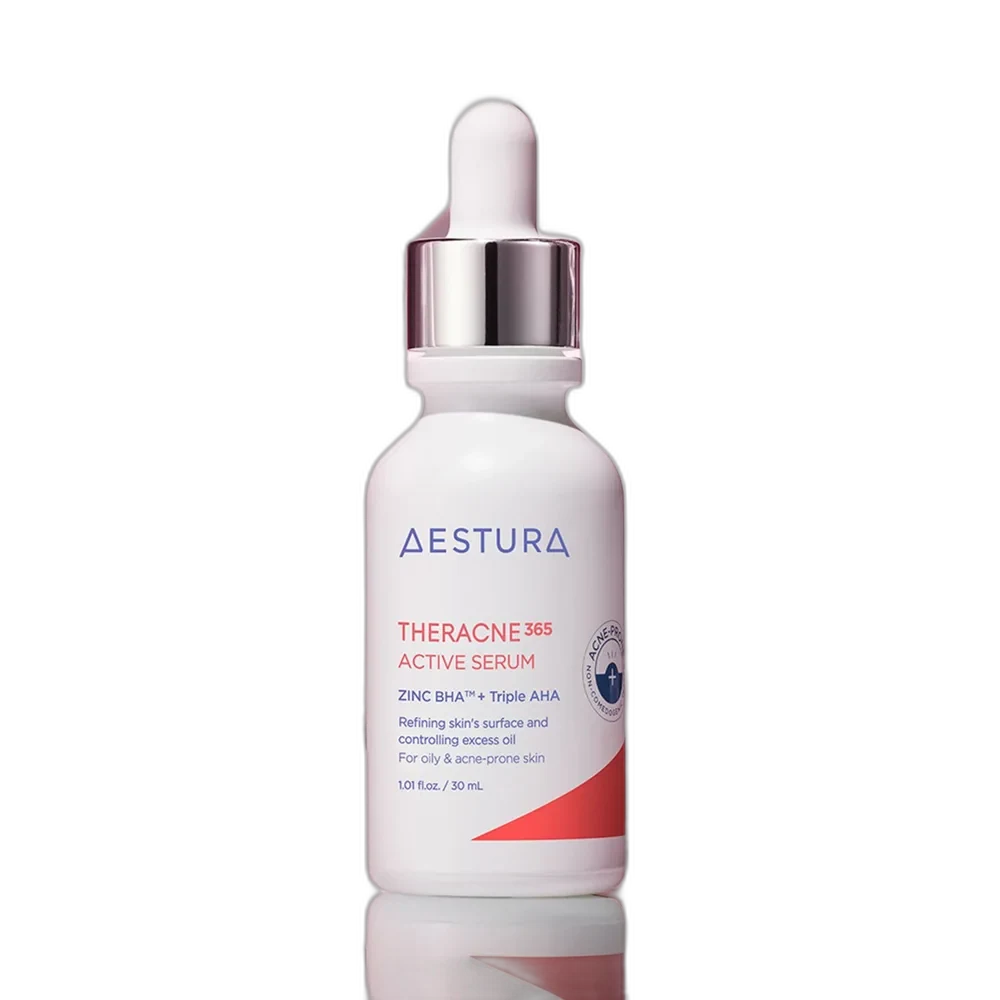
TheraCell Ampoule Serum
Korean Derm-Clinic Pick
 Verified reviewer
Pros & cons.
- +Three skin-identical ceramides in a proper barrier-matching ratio
- +Genuine four-peptide complex, not a pinch-of-peptides garnish
- +Completely fragrance-free and safe for reactive skin types
- +Buffers retinoid irritation when layered underneath at night
- +Airless pump protects peptides from light and oxidation
- +Pregnancy-safe with no retinoids or salicylic acid
- +Sits comfortably under makeup without pilling
- +Developed to Korean dermocosmetic clinical channel standards
- −Pricey next to comparable Korean ceramide serums
- −Peptide results take 8-12 weeks to judge fairly
- −Pump can over-dispense if pressed too hard
- −Limited Western retailer availability outside of YesStyle and Amazon
The full review.
About Aestura
Amorepacific’s dermocosmetic division runs the brand.
Myth
There is no myth mentioned in this section.
Reality
The Atobarrier line is a true Korean derm classic.
How to Use
Apply after toner and press it in. Within thirty seconds, skin feels softer and slightly plumper without the typical peptide-serum tightness.
Who Should Buy
TheraCell Ampoule Serum fits a routine for anyone seeking anti-aging results without the retinoid ramp-up, or anyone needing a peptide serum that won’t irritate sensitive skin.
Texture
This lightweight milky serum sits between an essence and a traditional ampoule. It glides over the face without a silicone-slick sheen or sticky humectant residue.
Scent
It has no scent, no tingle, and no warming sensation.
Packaging
The pump is occasionally temperamental and can dispense more than you need.
Best Season
There is no season mentioned in this section.
Common Praise
There is no common praise mentioned in this section.
Common Complaints
The pump is occasionally temperamental and can dispense more than you need. Firmness results are slow; wait at least two months to judge if the peptide stack works on your skin.
Pairs Well With
TheraCell acts as a buffering layer to make the transition to a retinoid more comfortable if you worry about irritation.
Conflicts With
There is no conflict mentioned in this section.
Best for
There is no “best for” mentioned in this section.
Works for
There is no “works for” mentioned in this section.
Not ideal for
There is no “not ideal for” mentioned in this section.
AM routine
There is no AM routine mentioned in this section.
PM routine
There is no PM routine mentioned in this section.
Ingredient analysis.
Full INCI list · pH 5.5
Water, Glycerin, Butylene Glycol, Methylpropanediol, 1,2-Hexanediol, Niacinamide, Betaine, Dipropylene Glycol, Cetearyl Olivate, Sorbitan Olivate, Glyceryl Stearate, Polyglyceryl-3 Methylglucose Distearate, Caprylic/Capric Triglyceride, Cetearyl Alcohol, Hydrogenated Poly(C6-14 Olefin), Hydrogenated Lecithin, Ceramide NP, Ceramide AP, Ceramide EOP, Phytosphingosine, Cholesterol, Palmitoyl Tripeptide-1, Palmitoyl Tetrapeptide-7, Acetyl Hexapeptide-8, Copper Tripeptide-1, Adenosine, Panthenol, Centella Asiatica Extract, Madecassoside, Asiaticoside, Asiatic Acid, Madecassic Acid, Sodium Hyaluronate, Hyaluronic Acid, Hydrolyzed Hyaluronic Acid, Allantoin, Bisabolol, Tocopherol, Carbomer, Arginine, Tromethamine, Ethylhexylglycerin, Disodium EDTA
Skin match.
The science.
The Science
TheraCell's anti-aging profile uses two well-studied ingredient families in a specific combination. Ceramides NP, AP, and EOP are three of the nine ceramide subtypes in human stratum corneum. Topical ceramide supplementation consistently reduces transepidermal water loss and restores barrier function in aged and compromised skin. Including cholesterol and phytosphingosine with the ceramides is necessary; barrier lipid research shows a physiological ratio of ceramides, cholesterol, and free fatty acids outperforms any single lipid class. Isolated ceramides can delay barrier recovery if they lack their natural partners.
The peptide profile is more nuanced. Palmitoyl tripeptide-1 and palmitoyl tetrapeptide-7 — sold commercially as Matrixyl 3000 — have published studies showing increased collagen and glycosaminoglycan production in fibroblast cultures and measurable wrinkle reduction in controlled human trials at concentrations typically above 3%. Acetyl hexapeptide-8 (argireline) targets SNAP-25 in the SNARE complex to reduce muscle contraction signaling; in vivo evidence is more modest than injectable comparisons suggest, but studies show meaningful reduction in expression line depth over 28 days at 10% concentration. Copper tripeptide-1 has the longest research history of the four, with decades of evidence for wound healing, collagen synthesis, and antioxidant activity.
Niacinamide provides a load-bearing role — research shows 2-5% niacinamide upregulates ceramide biosynthesis in keratinocytes, helping skin produce more of the same lipids the serum provides. This makes the combination of niacinamide and topical ceramides more than the sum of its parts. The centella complex adds madecassoside, which has published evidence for anti-inflammatory and wound-healing activity.
Dermatologist Perspective
Dermatologists treating aging and barrier-compromised skin often prefer formulations combining physiological lipids with signaling peptides over stacking harsh actives. TheraCell fits this philosophy. Board-certified dermatologists note the three-ceramide plus cholesterol plus phytosphingosine configuration in this serum mirrors ratios studied in barrier repair research. This approach typically causes fewer tolerability issues than peptide serums built on drying solvent bases. Dermatologists also frequently recommend pairing ceramide-peptide serums with retinoids for patients with retinoid-induced irritation, as barrier lipids help mitigate transepidermal water loss during the adaptation phase. This product is a formulation commonly prescribed through dermocosmetic channels in Korea for patients seeking anti-aging benefits without the reactivity of stronger actives.
Where it fits in your routine.
Apply morning and night after cleansing and toner, on slightly damp skin for best absorption. One to two pumps is enough for the full face and neck — more won't absorb better. Press into skin rather than rubbing, and let it settle for about thirty seconds before layering your moisturizer. At night, TheraCell pairs particularly well underneath a retinoid: apply the serum first, let it absorb, then apply retinoid, and seal with a ceramide moisturizer. If you're using it with vitamin C in the morning, apply the vitamin C first and TheraCell second. Always follow with sunscreen during daytime use.
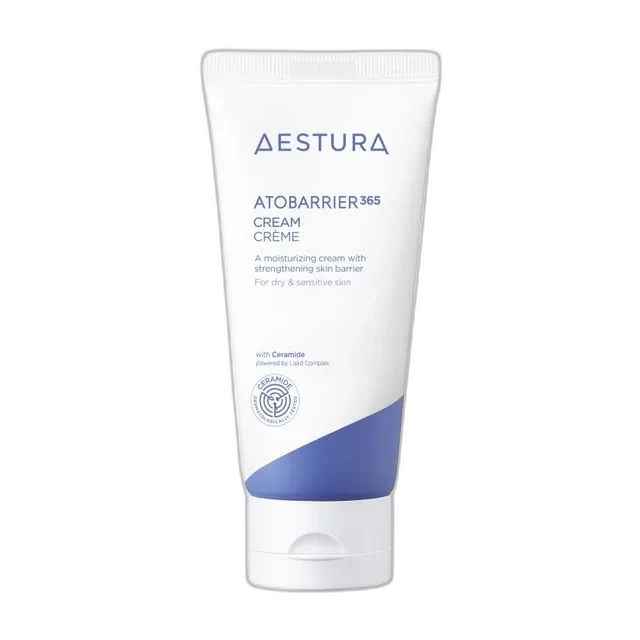
At around $55 for 40ml, TheraCell Ampoule Serum sits in a competitive mid-price band with many alternatives. Cheaper Korean ceramide serums exist—Aestura's Atobarrier 365 costs significantly less if you only want barrier repair. The premium pays for the peptide stack and the clinical-channel formulation rigor from Amorepacific's dermocosmetic division. Compared to Western peptide serums at similar prices, the ingredient investment is generous; most $55 peptide products use weaker barrier support or skip the niacinamide synergy. No larger size exists, which caps the value, but the airless pump keeps the peptides stable through the two months of use per bottle. The price is fair for the ingredients.
People in their 30s or older seeking a peptide serum that won't irritate sensitive or barrier-compromised skin. It works well for those starting anti-aging skincare without retinoids, or those needing a buffering layer to tolerate their current retinoid.
Skincare minimalists wanting one hero active instead of a combination formula, budget-conscious users preferring proven basics, and people seeking immediate dramatic results will find TheraCell is a slow-build serum, not a weekend transformation.
Product details.
Essentially unscented
Opaque airless pump bottle protects peptides from light and oxidation Finish lightweight, fast-absorbing, satin
The first use feels like a hydrating essence-serum hybrid. It provides immediate softness without tingling or heat. Peptide benefits are cumulative; use it for at least two months to judge firmness changes.
About 2 months with twice-daily full-face use
12 months
All Year
The backstory.
Aestura is Amorepacific's dermocosmetic arm, and TheraCell is the anti-aging sibling to its better-known Atobarrier ceramide line. The serum was developed to bring the brand's barrier expertise into anti-aging without jumping into harsh retinoid territory, targeting older Korean consumers who wanted firming without irritation.
About Aestura
Established Brand (5–20 years)Aestura is an Amorepacific dermocosmetic brand. Founded in 2001, it was developed with Korean dermatologists. Aestura leads Korean hospital and derm clinic channels and is best known for its ceramide-focused Atobarrier line.
Common myths.
Peptide serums need to sting or tingle to be working.
This formula is calm. The peptides signal collagen pathways without disrupting the barrier, and the ceramides keep the skin feeling cushioned.
Ceramide products are only for dry skin.
Barrier lipids decline with age for all skin types. This niacinamide-forward ceramide formula works well on combination and oily skin too.
FAQ.
Is Aestura TheraCell Ampoule Serum good for sensitive skin?
Yes — the fragrance-free formula uses calming centella and a three-ceramide barrier complex, so sensitive and reactive skin types tolerate it well. The peptides signal rather than irritate.
Can you layer TheraCell Ampoule Serum with retinol?
Yes, this pairing works well. Apply the serum before a retinoid at night. Its ceramide-cholesterol-phytosphingosine trio buffers retinoid-induced irritation.
How long does it take to see results from this serum?
Hydration and soft-focus plumping show on day one. The peptide stack takes 8-12 weeks of twice-daily use to show changes in firmness and fine lines.
Is Aestura TheraCell worth the price?
Yes, for a mid-range serum with a genuine multi-peptide complex and a three-ceramide barrier matrix. You pay for formulation sophistication rather than marketing — though cheaper Korean ceramide serums exist if peptides are not your priority.
Is this serum pregnancy safe?
Yes — it lacks retinoids, salicylic acid, or other actives usually avoided during pregnancy. The peptides, ceramides, and centella are pregnancy safe, but always confirm with your doctor.
Where is Aestura TheraCell made?
Amorepacific, the parent company of Sulwhasoo and Laneige, owns Aestura in South Korea. Aestura is Amorepacific's dermocosmetic division.
What the community says.
"Noticeable firmness over time"
"Comfortable on reactive skin"
"Elegant, non-sticky texture"
"Pricey relative to Korean-brand peers"
"Pump can be hard to meter"
"Results require patience"
Featured in.
People also looked at.