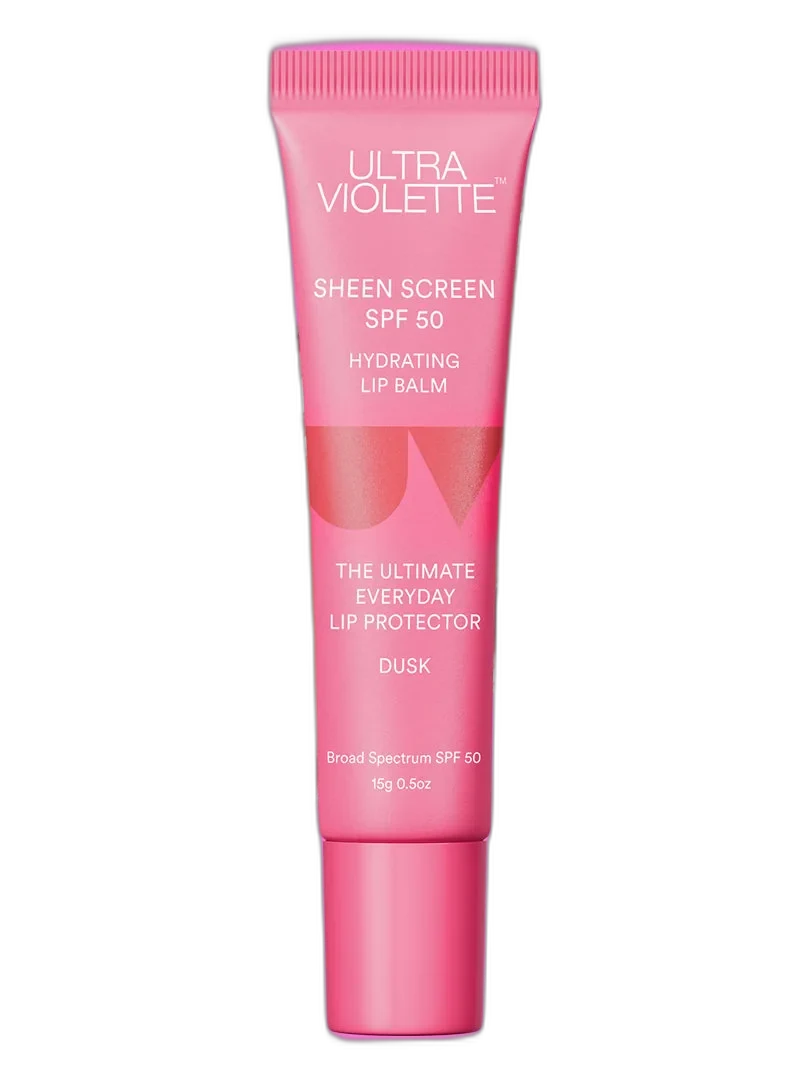
Sheen Screen Hydrating Lip Balm SPF 50
SPF Lip Balm With Actual Hydration
 Verified reviewer
Pros & cons.
- +True SPF 50 broad-spectrum protection in a lip balm format
- +Lanolin and cocoa butter base that's genuinely nourishing
- +Sheer flattering tint that suits most skin tones
- +Glossy, cushiony texture rather than waxy stick feel
- +Sleek squeeze tube with tapered applicator
- +Octocrylene stabilizes the avobenzone for sustained protection
- +Strong real-world track record with thousands of verified reviews
- −Lanolin allergen risk for a subset of users
- −Contains octinoxate — banned in Hawaii and some other regions
- −Premium price relative to drugstore SPF lip balms
- −Limited pregnancy safety data on octinoxate
The full review.
The lower lip is a high-risk site for non-melanoma skin cancer. Dermatologists know this, but most consumers do not. Lip skin is thinner, more exposed, and lacks melanin protection, so cumulative UV damage builds faster than on other facial areas. Squamous cell carcinoma of the lip — especially the lower lip — makes up a small, consistent percentage of annual skin cancer diagnoses, and chronic sun exposure is a well-documented cause. Despite this, many people who apply SPF 50 to their face every morning skip lip protection or use a drugstore lip balm with only SPF 15. Those balms often have weak UVA coverage and wear off within an hour because they prioritize aesthetics over function.
Ultra Violette’s Sheen Screen solves this gap. Founded in Melbourne in 2018 by industry veterans Ava Matthews and Bec Jefferd, Ultra Violette was built because the founders wanted sunscreens that worked and felt good. They built the brand around SKINSCREENS: sunscreens designed to feel like skincare. The Sheen Screen lip balm launched in 2019 as a flagship product and gained a cult following in Australia, where lip cancer risk is a standard public health topic. It later entered the UK via Cult Beauty and the US via Sephora, where it remains a consistent seller in the lip-care category.
The formula is more thoughtful than most lip products. The actives use a chemical filter combination: 3% avobenzone for UVA, 5% octinoxate for UVB, and 4.7% octocrylene as a UVB booster and avobenzone stabilizer. This combination is the only realistic way to provide true SPF 50 broadband protection in a lip product without using a thick zinc oxide stick that leaves a white cast. Mineral filters work for the body, but they look chalky on lips and do not blend like chemical filters. Ultra Violette makes an honest trade-off: chemical filters include octinoxate, which is banned in Hawaii and some other regions for reef safety and has limited pregnancy safety data. This is the right trade-off for most users in most places, and Ultra Violette does not hide that.
The inactive base sets the formula apart. Lanolin is the top inactive ingredient because it is the most effective occlusive for chronically dry lips. Lanolin’s molecular structure is close to human skin lipids, so it seals in moisture better than most plant butters or waxes. Cocoa butter and shea butter add thickness. Castor oil provides gloss without stickiness. Sunflower and olive oils add lightweight emolliency. Beeswax provides structure. Vitamin E protects the actives and adds antioxidant support. The result is a balm that feels cushiony and nourishing rather than waxy, unlike most SPF lip products that prioritize protection over experience.
Lanolin is the one ingredient to flag. Lanolin is a known allergen for many users, and reactions are usually reliable. If you react to lanolin in Lansinoh, lanolin nipple cream, or other lanolin-based balms, this will not work for you. For the larger group that tolerates lanolin, it is the ingredient that makes this lip balm deliver on its hydration claim.
Application is pleasant. The squeeze tube delivers the right amount with one press, and the tapered tip allows for easy application without a mirror. The texture is glossy and slightly cushiony — it is not a dry waxy stick or a sticky lip gloss, but something in between. The shine is noticeable but not heavy. The sheer tint adds a flattering wash of color for most skin tones without the boldness of lipstick. A faint minty-vanilla flavor comes from the natural flavour additive; most users like it, but fragrance-sensitive users should test it first.
Most users reapplication incorrectly. Like any sunscreen, the SPF 50 rating requires reapplication roughly every two hours during sun exposure. Lip products wear off faster than face sunscreens due to friction, eating, drinking, and wiping. Reapplying this balm is enjoyable rather than a chore; the gloss and hydration encourage use, which improves compliance compared to a clinical stick balm.
At $22 for 15g, this is a premium lip balm. Drugstore alternatives at $5-8 usually offer SPF 15-30 with weak UVA coverage, and the protection difference matters for anyone outdoors or in high-UV environments. The price is harder to justify for a short walk from a car to an office, but the formulation earns its place for outdoor activities, ski trips, and daily use.
If you want to protect your lips but need a product you actually enjoy using, this is one of the few SPF lip balms that earns the recommendation. It is not perfect — the lanolin and octinoxate are real considerations — but it solves the compliance problem that prevents people from protecting a high-risk area of the face.
Ingredient analysis.
Full INCI list
Active Ingredients: Avobenzone 3%, Octinoxate 5%, Octocrylene 4.7%. Inactive Ingredients: Lanolin, Theobroma Cacao (Cocoa) Seed Butter, Cera Alba (Beeswax), Ricinus Communis (Castor) Seed Oil, Butyrospermum Parkii (Shea) Butter, Helianthus Annuus (Sunflower) Seed Oil, Olea Europaea (Olive) Fruit Oil, Flavour, Caprylic/Capric Triglyceride, Tocopherol, Myrothamnus Flabellifolia Leaf/Stem Extract, Titanium Dioxide, Iron Oxide Red
Skin match.
The science.
The Science
Dermatologists recognize the need for lip sunscreen. The lower lip is a frequent site for non-melanoma skin cancer on the head and neck; squamous cell carcinoma of the lip accounts for a small but consistent percentage of skin cancers from cumulative UV exposure. A 2018 review in the Journal of the American Academy of Dermatology by Mukamal et al. links chronic UV exposure to actinic cheilitis, a precancerous condition that can become squamous cell carcinoma on sun-exposed lips. Still, lip sun protection compliance stays lower than face sun protection compliance in most populations. The active filter combination in Sheen Screen — avobenzone, octinoxate, and octocrylene — is one of the most studied chemical sunscreen combinations. Octocrylene has two roles: it adds UVB coverage and stabilizes the avobenzone against photodegradation, fixing the main weakness of avobenzone-only formulations. The SPF 50 rating comes from in vivo testing under standardized sunscreen protocols. The lanolin and cocoa butter occlusive base helps the filter layer stay on the lips, which matters because friction and contact usually wear off lip products quickly. No published research exists for this specific formulation, but the ingredient combinations are well-supported by sunscreen literature.
References
- Squamous cell carcinoma of the lip: epidemiology and prognostic factors — Journal of the American Academy of Dermatology (2018)
Dermatologist Perspective
Dermatologists see the lower lip as a high-risk site for non-melanoma skin cancer and recommend SPF lip protection as part of a sun protection routine. Board-certified dermatologists usually prefer SPF 30 or higher with broad-spectrum coverage, applied as often as facial sunscreen. The chemical filter combination in this lip balm — specifically the octocrylene-stabilized avobenzone for UVA — matches dermatologist recommendations for broadband lip protection. Dermatologists advise patients with lanolin allergies to use alternatives, and to use mineral-only lip SPFs during pregnancy if octinoxate exposure is a concern. The lanolin and cocoa butter base works well for chronically dry or chapped lips, as the occlusive layer helps the active filters last longer than wax-only formulations.
Guidance
Where it fits in your routine.
Apply this as the final step of your morning skincare routine, after face sunscreen. One generous swipe across both lips works. Use enough lip sunscreen. Reapply every two hours during sun exposure, and after eating, drinking, kissing, or wiping the lips. The tinted shades layer for more pigment, or go under a lipstick to add protection without changing the lipstick color significantly.
At $22 for 15g, this lip balm costs more than most category items — about three to four times a drugstore SPF lip stick and similar to luxury skincare lip products. Using one tube daily as the last morning step lasts four to six months. This costs roughly $4-5 per month for genuine SPF 50 broadband lip protection. A mini 5g size is also available for travel or trial. The price increase over drugstore options provides real upgrades: true SPF 50 instead of SPF 15, a broadband filter combination instead of UVB-only, and a lanolin and cocoa butter base instead of wax. This is fair value for anyone spending meaningful time outdoors or living in a high-UV environment. For those with minimal lip sun exposure, drugstore options remain reasonable.
This is for people who spend time outdoors, live in high-UV environments, have a history of lip dryness or chapping, or worry about long-term lip pigmentation and aging. It suits people who want a lip product they enjoy reapplying throughout the day instead of treating it as a clinical chore.
People with a known lanolin allergy, those avoiding octinoxate for pregnancy or environmental reasons, and people with minimal lip sun exposure from indoor-to-car-to-office routines who do not need more than a basic SPF 15 stick.
Product details.
Glossy, slightly cushiony balm that glides on smoothly without dragging.
Light minty-vanilla flavour from the natural flavour additive.
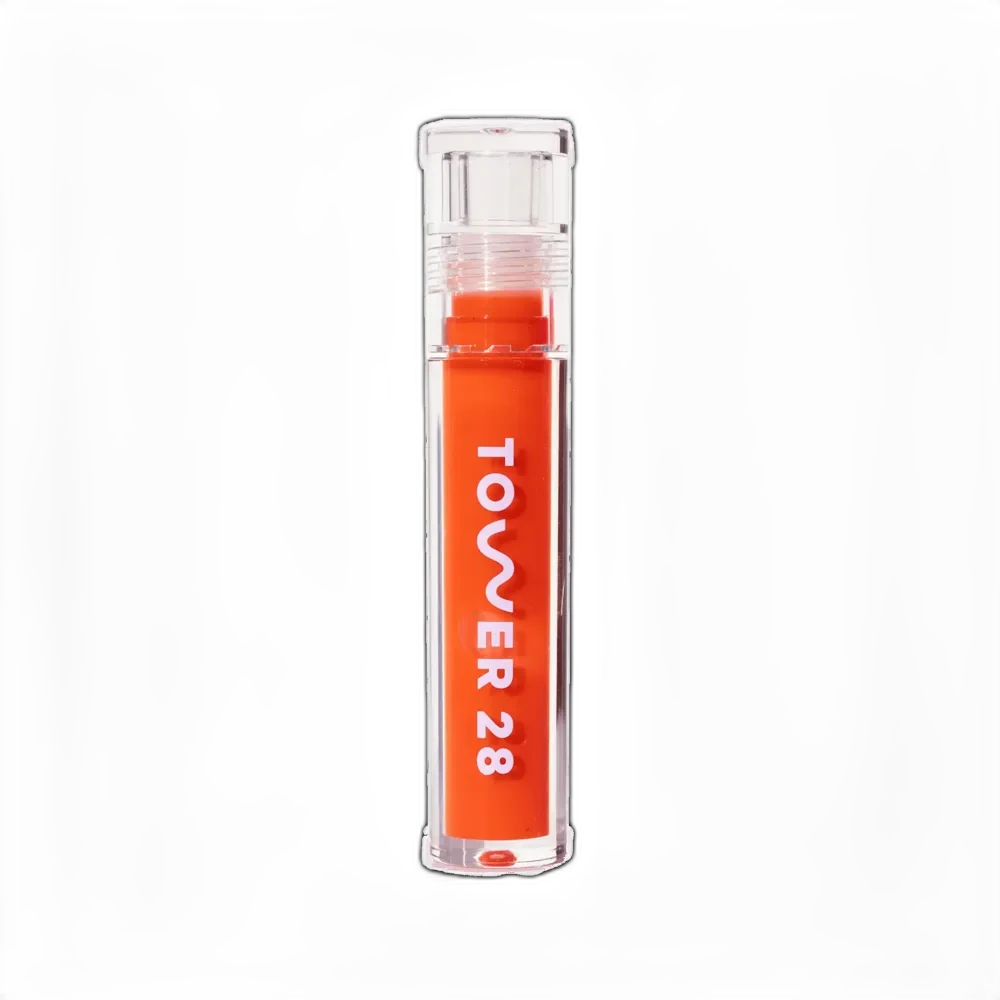
Sleek squeeze tube with a tapered applicator tip — refined and travel-friendly.
It gives immediate gloss and softness. The balm feels lightweight and cushiony, without the stickiness of a gloss or the waxiness of a stick. Most users see dry, chapped lips improve within a few days of consistent use.
About 4-6 months with daily use as the final routine step.
12 months
All Year
The backstory.
Ultra Violette was founded in 2018 in Melbourne by Ava Matthews and Bec Jefferd, two beauty industry veterans who were frustrated by the choice between effective sunscreen and aesthetically pleasing skincare. The Sheen Screen lip balm launched in 2019 as one of the brand's hero products and quickly built a cult following in Australia, where lip cancer risk is a legitimate everyday concern.
About Ultra Violette
Emerging Brand (2–5 years)Ultra Violette launched in 2018 in Melbourne. The founders focus on 'SKINSCREENS' — sunscreens that feel like skincare. The brand has a strong cult following in Australia and the UK. It now sells in the US through Sephora, though long-term independent clinical validation is still developing.
Common myths.
Lip balm SPF wears off too fast to actually protect.
It requires reapplication every 2 hours, just like face sunscreen. Most lip SPFs only offer SPF 15 and minimal UVA coverage. Sheen Screen's SPF 50 uses broadband filters and provides real protection when reapplied correctly.
Tinted lip balms can't deliver real SPF.
This formula doses active filters at clinical SPF 50 levels. The iron oxide tint is cosmetic and does not affect protection.
FAQ.
Is Ultra Violette Sheen Screen actually SPF 50?
Yes — the active filters (avobenzone 3%, octinoxate 5%, octocrylene 4.7%) reach SPF 50 levels and the product is regulated as a sunscreen. Like any sunscreen, the rating requires proper application thickness and reapplication every 2 hours.
How often should I reapply this lip balm?
Reapply every 2 hours during sun exposure, after eating or drinking, and after wiping or kissing. Lip products wear off faster than face sunscreens due to constant friction and contact.
Does it contain octinoxate?
Yes — 5% octinoxate is one of the active filters. This matters if you travel to Hawaii or other regions that banned octinoxate sunscreens for environmental reasons.
Is this safe during pregnancy?
Octinoxate has limited human pregnancy safety data and some sources advise caution. If you're pregnant or breastfeeding, mineral lip SPFs with zinc oxide may be a safer pick — consult your OB-GYN.
Will the lanolin bother my lips?
Lanolin is a known allergen for some, but it is one of the most effective lip occlusives available. Skip this product if you have had lanolin reactions before. Most users tolerate it without issue.
How does the tint compare to lipstick?
Sheen Screen tints are sheer and natural. They act more like a lip gloss with subtle color than a true lipstick. They flatter most skin tones without using a strong color.
Is it worth the price compared to drugstore lip SPFs?
Drugstore options at $5-8 usually have SPF 15-30, weak UVA coverage, and waxy textures. Sheen Screen is SPF 50 broadband with a hydrating base. The upgrade's value depends on your actual lip sun exposure.
What the community says.
"High-shine flattering tint"
"Genuinely hydrating, not waxy"
"Sturdy SPF 50 protection"
"Comfortable all-day wear"
"Beautiful packaging"
"Premium price for a lip balm"
"Lanolin allergen risk"
"Octinoxate not banned in some regions"