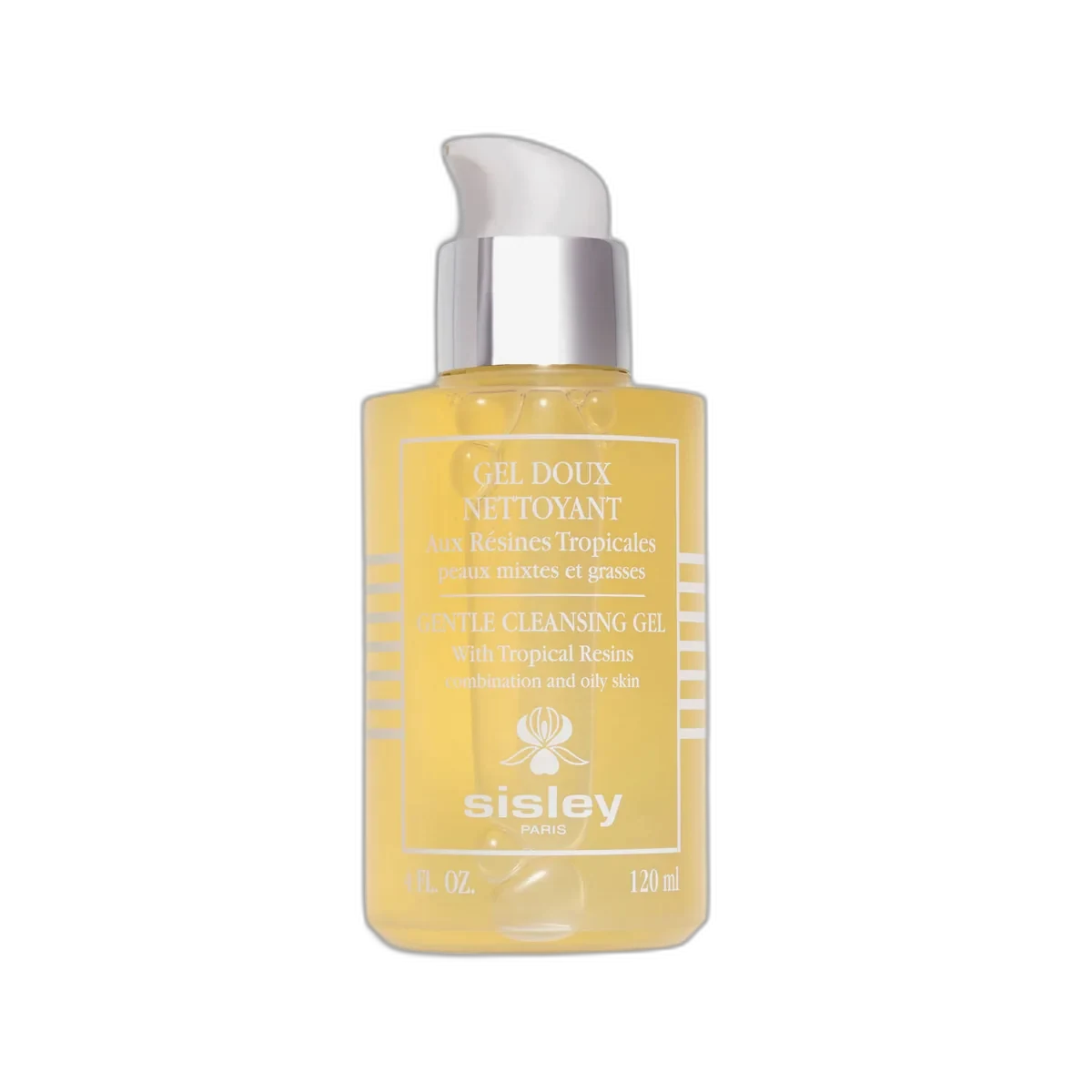
Gentle Cleansing Gel with Tropical Resins
Luxury Second-Cleanse Staple
 Verified reviewer
Pros & cons.
- +Genuinely gentle surfactant base — no sulfates, no barrier stripping
- +Distinctive frankincense-benzoin-myrrh scent has a real sensory identity
- +Glycerin and panthenol buffer the cleanse so skin does not feel tight
- +Rinses cleanly with no residue or film
- +Works well as the second step in a double-cleanse routine
- +Pleasant-enough experience to drive consistent daily use
- +Silicone-free and paraben-free composition
- +Appropriate for a wide range of skin types that tolerate fragrance
- −Extremely high price relative to the actual formulation complexity
- −Heavy fragrance and allergen panel make it risky for sensitive skin
- −120ml size runs out quickly under twice-daily use
- −Will not remove heavy sunscreen or long-wear makeup alone
- −Fragrance-driven identity won't appeal to minimalist skincare buyers
The full review.
The first time you use this cleanser, you realize it is a perfume that happens to foam. The frankincense, benzoin, and myrrh resin trio hits you the moment you pump it into wet hands; the entire rinse-off experience centers on that aroma. Sisley knows their niche. They built a competent coco-glucoside gel and wrapped it in a scent signature reminiscent of a medieval apothecary. Whether that justifies $115 is a question we will address later.
Let’s look at the formulation. The surfactant base uses coco-glucoside (a mild non-ionic surfactant from coconut and glucose) and cocamidopropyl betaine, a well-tolerated secondary surfactant that creates gentle foam. Neither is a sulfate, and neither attacks the barrier. Glycerin sits high on the INCI, which is unusual for a foaming cleanser and explains why skin does not feel tight afterward. Panthenol adds softness by leaving a faint humectant residue after rinsing. Althaea Officinalis root (marshmallow) adds a trace of soothing mucilage. This is a gentle cleanser by any definition, and it works as promised.
The four resins—Boswellia carterii (frankincense), Styrax benzoin, Commiphora abyssinica (myrrh), and the ‘tropical resins’ blend—provide the personality. These are traditional aromatics, not clinically validated actives at cleanser contact times. Do not buy this expecting frankincense to fight wrinkles, as you rinse everything off in forty seconds. The resins deliver scent, a slight feeling of astringency during skin contact, and a sensory identity that separates this from a $15 Cetaphil bar. For a cleanser, sensory identity matters. It drives compliance, makes routines feel intentional, and is the entire point of luxury skincare for some users.
The texture is a clear, thick gel that turns into a light, creamy lather when it meets water. It rinses clean without a film, leaving skin feeling cushioned rather than squeaky—exactly what a daily cleanser should do. It does not fully remove heavy makeup or long-wear sunscreen, a common complaint in reviews. If you wear mineral SPF or full-coverage foundation, use an oil or balm first and treat this as your second cleanse.
The fragrance is the product’s best and worst feature depending on your skin. Geraniol, amyl cinnamal, alpha-isomethyl ionone, linalool, and benzyl benzoate are present; this allergen stack makes it a poor match for reactive skin or fragrance sensitivities. For others, the scent lingers briefly in a very Sisley way—an ambery, resinous, incense-adjacent character. It either charms you or it doesn’t. No one stays neutral.
Regarding value: the active formulation does nothing a well-made $20 glucoside gel cleanser cannot do. The differences are sensory, scent, packaging, and the ritual of buying a Sisley product. Those factors matter to some and not to others. I am more critical of the 120ml size; a small bottle for daily use disappears fast, making the per-use cost higher. If you commit, expect to repurchase every two to three months if used morning and night. Budget accordingly.
### Who is this for?
Sisley loyalists who love the resin scent and want a cleansing step consistent with a luxury routine. Gift buyers seeking a ‘nice’ Sisley item that isn’t a $320 emulsion. People who enjoy the ritual of a beautifully scented cleanser as part of their daily wind-down.
### Who is this not for?
Sensitive skin, anyone seeking maximum efficacy per dollar, anyone wanting a one-step makeup remover, or anyone who finds fragrance in skincare off-putting.
The takeaway: this is a well-made gentle cleanser with a specific, beautifully executed scent identity. The price only makes sense if you value luxury-counter skincare as a sensory experience. Sisley is a heritage botanical house whose products are meant to feel like something. Judged on that intention, it delivers. Judged on strict ingredients-per-dollar efficiency, it does not. Choose your metric and the decision is straightforward.
### Formula
Ingredient analysis.
Full INCI list · pH 5.5
Water/Eau (Aqua), Coco-glucoside, Glycerin, Butylene Glycol, PEG-120 Methyl Glucose Trioleate, Cocamidopropyl Betaine, Panthenol, Boswellia Carterii Resin Extract, Styrax Benzoin Resin Extract, Althaea Officinalis Root Extract, Commiphora Abyssinica Resin Extract, Sodium Chloride, PEG-40 Hydrogenated Castor Oil, Propanediol, Citric Acid, Disodium EDTA, Sodium Hydroxide, Ethylhexylglycerin, Fragrance (Parfum), Phenoxyethanol, Sorbic Acid, Geraniol, Amyl Cinnamal, Alpha-isomethyl Ionone, Linalool, Benzyl Benzoate
Skin match.
The science.
The Science
Coco-glucoside and cocamidopropyl betaine drive this cleanser's mechanism. These two surfactants are milder than traditional sulfates. Coco-glucoside is a non-ionic alkyl polyglucoside from coconut oil and glucose. Published dermatology work shows it is one of the least disruptive surfactants for commercial formulators, causing minimal transepidermal water loss at appropriate concentrations. Cocamidopropyl betaine works as a mild co-surfactant and viscosity modifier; it is a known allergen for some but is generally well tolerated. The formula's panthenol (pro-vitamin B5) has studied humectant and barrier-supportive effects. Research in the International Journal of Cosmetic Science and elsewhere shows panthenol in leave-on products improves skin hydration and supports barrier repair. In a rinse-off cleanser, its role is limited, but the small amount left after rinsing helps the non-stripped feeling users report. The resin extracts (frankincense, myrrh, benzoin) have long traditional uses and early laboratory evidence for antimicrobial and anti-inflammatory properties, but no published clinical work shows these effects at the concentrations found in a luxury cleanser with brief skin contact. These extracts act as aromatic and sensory ingredients rather than pharmacologically active ones.
Dermatologist Perspective
Dermatologists generally recommend gentle, non-sulfate cleansers for most patients. This formula fits that profile because coco-glucoside and cocamidopropyl betaine are among the mildest widely used surfactants. However, board-certified dermatologists note the fragrance and allergen load make this a less conservative choice than fragrance-free pharmacy alternatives, especially for patients with rosacea, atopic dermatitis, or a history of contact dermatitis. For patients with healthy, tolerant skin who enjoy the sensory experience and can afford the product, daily use is not clinically concerning. For patients seeking the best evidence-to-price ratio, dermatologists commonly suggest simpler gel or cream cleansers from pharmacy-brand lines with stronger allergen-free profiles and a fraction of the cost.
Where it fits in your routine.
Use one pump or a pea-sized amount on wet hands. Emulsify briefly with water between palms, then massage onto damp skin for 20-30 seconds. Avoid the immediate lash line. Rinse well with lukewarm water. One pass works for a morning cleanse. At night, use after an oil or balm cleanser if you wear heavy sunscreen or makeup. Follow with toner, treatment, and moisturizer. If your skin feels tight after rinsing, use it once daily in the evening only.
At $115 for 120ml, this is a high-priced daily cleanser. The surfactant formulation does nothing that $20-30 gel cleansers from Vanicream, Cetaphil, or La Roche-Posay cannot do. You pay for scent, heritage, packaging, and counter ritual. The math works for Sisley clients who value those factors. For value-focused buyers, especially those cleansing twice a day, the per-use cost rises fast and the formulation does not justify the price. The single size option (no larger bottle available) means no per-milliliter break — you pay the full premium every time you repurchase.
Sisley clients seeking a matching cleanser for their luxury routine, sensory-driven skincare shoppers who like incense-adjacent fragrance, and anyone using an oil cleanser at night who wants a gentler, more beautiful second cleanse. Normal, combination, and oily skin types that tolerate fragrance get the most from it.
People with sensitive, rosacea-prone, or atopic skin should avoid this — the allergen panel is too risky. Budget-conscious shoppers find equivalent gentleness at a tenth of the price, and minimalists who prefer fragrance-free skincare won't like the scent-forward identity.
Product details.
Clear, honey-thick gel that foams into a light, creamy lather
Resinous and slightly ambery from the frankincense, benzoin, and myrrh trio
Frosted square bottle with a flip-top cap; stable but not travel-friendly
The first use is sensory; the resin scent dominates. The lather is moderate and not aggressive. Skin feels clean but cushioned, not squeaky. There is no tingling or adjustment period.
Use twice daily for 2-3 months; more if you use more pumps.
12 months
All Year
The backstory.
Sisley introduced this as a modernization of their earlier foaming cleansers, answering demand from clients who wanted a gentler daily option that still delivered the brand's signature scent. The 'tropical resins' language references aromatics that have been used in perfumery for centuries — a typical Sisley move of reframing traditional ingredients as luxury formulation.
About Sisley
Legacy Brand (20+ years)Hubert d'Ornano founded Sisley in 1976, pioneering luxury botanical skincare in France. Sisley has a smaller clinical validation base than pharmacy-brand dermocosmetics, but the brand has nearly five decades of formulation history and a loyal following built on its sensory-driven, plant-extract approach.
Common myths.
It removes makeup and sunscreen on its own
The surfactant base is mild and struggles with heavy sunscreen or long-wear foundation. Use an oil cleanser as your first step if you wear either.
Frankincense and myrrh are clinically active anti-aging ingredients
These resins add scent and a soothing feel during cleanser contact, but they do not deliver measurable anti-aging results because they rinse off first.
FAQ.
Does Sisley Gentle Cleansing Gel remove makeup?
This cleanser handles light makeup and sebum alone. Heavy sunscreen and long-wear foundation require a dedicated oil or balm cleanser first. Use this as the second step of a double cleanse for the best results.
Is it suitable for sensitive skin?
The surfactant base (coco-glucoside plus cocamidopropyl betaine) is gentle, but the fragrance and allergen panel — geraniol, linalool, amyl cinnamal — make it a less safe bet for reactive skin than a fragrance-free pharmacy gel.
What skin types does it work best for?
Combination, oily, and normal skin that tolerates fragrance gets the most comfort. Very dry skin may prefer a creamier cleanser; very sensitive skin needs a fragrance-free option.
Is it worth the $115 price?
Formulation-wise, no—equivalent gentleness and cleansing power cost much less. For sensory and ritual reasons, Sisley loyalists who love the scent will say yes. It is a lifestyle purchase.
How much product should I use?
Use one pump or a pea-sized amount. Emulsify with water in your palms before applying to damp skin. Applying to dry skin wastes product and increases irritation from surfactant contact.
Can it be used on the eye area?
Use it on the peri-ocular area, but do not apply it directly to the lash line. Use a dedicated remover or a cleansing balm to remove eye makeup first.
Is it okay to use morning and night?
Yes — the formulation is mild enough for twice-daily use on most skin. If your skin feels tight after cleansing, use water-only or a gentler milk for your morning wash.
What the community says.
"Non-stripping gel"
"Distinctive resin scent"
"Cleanses makeup remnants well after oil cleanse"
"Luxurious sensory experience"
"Price for the size"
"Fragrance may bother sensitive skin"
"Does not remove heavy sunscreen or makeup alone"
"Small 120ml bottle disappears fast"
People also looked at.