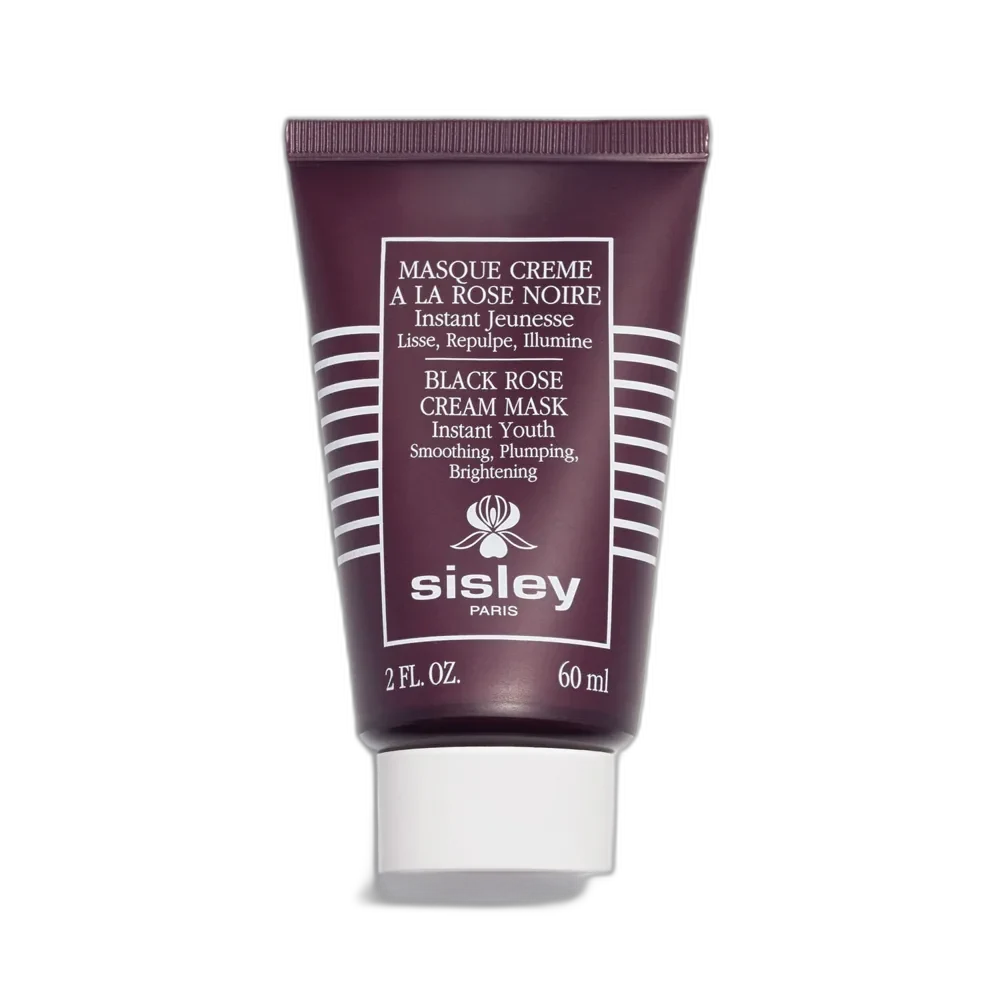
Black Rose Cream Mask
Luxury Event Prep Cream
 Verified reviewer
Pros & cons.
- +Genuine immediate plumping and hydration effect from glycerin and hyaluronic acid
- +Rich, cushiony cream texture that's pleasant to apply
- +Effective as a pre-event skin prep step
- +Shea butter occlusive base seals in moisture well
- +Elegant packaging and sensorial experience
- +Works for dry, normal, and mildly sensitive skin
- −Extraordinary price that's not justified by the underlying formulation
- −Effects are largely temporary — mostly surface-level hydration
- −Strong rose fragrance that will alienate fragrance-sensitive users
- −Shea butter base is comedogenic for oily or acne-prone skin
- −Botanical hero extracts have limited clinical evidence beyond general antioxidant activity
The full review.
A specific Sunday-evening ritual exists in luxury skincare, and Sisley’s Black Rose Cream Mask is a central part of it. The ritual happens the night before a wedding, photoshoot, red carpet, or big dinner. When skin is tired, a user opens Black Rose Cream Mask, smells the Damascena rose fragrance, applies a thick layer, waits ten to fifteen minutes, and removes it to find skin that looks plumped, hydrated, and ready. Black Rose Cream Mask has done this since 2014. It is a luxury-world staple found in makeup artist kits and editor top-ten lists because it works.
Reality
Is the plumping effect real? Yes. The mask works in the short term for its intended purpose. The combination of glycerin, sodium hyaluronate, and a thick shea butter cream base produces immediate, visible hydration. This is how any well-formulated humectant-and-occlusive cream mask works. You apply it, it pulls water into the upper layers of the stratum corneum, the shea butter seals that water in, and ten minutes later skin looks softer and lines look less pronounced. This is not marketing; it is the real effect of humectant pharmacology, and this formulation delivers it.
Black Rose Cream Mask does nothing fundamentally different from a $25 cream mask containing glycerin, hyaluronic acid, and a shea butter base. The Damascena rose extracts provide the product’s identity, but they are at undisclosed concentrations with limited clinical evidence for effects beyond general antioxidant activity and fragrance. The padina pavonica brown algae extract is a common luxury addition, but its clinical evidence is also thin. Green tea extract and grape extract add antioxidant support, while licorice root provides mild brightening. These are reasonable inclusions for a luxury hydrating mask, but they do not justify a ten-times-the-price markup. The core hydration comes from glycerin, hyaluronic acid, and shea butter—ingredients found in cream masks at every price tier from drugstore to prestige.
Texture
The price affects the texture and fragrance. The mask is pleasant to use. The cream is thick but not greasy, melts onto skin with a cushioned glide, and the rose fragrance is high-quality. If a morning skincare routine is part of your daily self-care—as it is for many Sisley customers—a product that improves the experience has value. Some skincare is chemistry and some is ritual; this mask sells a high-end ritual with competent chemistry.
Common Praise
The critique concerns the price-to-function ratio. At $175 for 60ml, this mask costs ten times more than a functional drugstore hydrating cream mask and three to four times more than a prestige alternative from a non-luxury brand. Weekly use lasts two to three months, costing $60-$90 per month. This is a significant skincare budget item. The plumping effect is real but temporary, and the ingredients can be replicated at a much lower price. You pay for the fragrance, packaging, and experience. Whether that is worth it depends on if “beautiful ritual” is a priority for you. For many Sisley customers, it is. For first-time buyers, the answer is: it is a lovely product that works, but it is not essential.
Scent
The rose scent is prominent and distinctively Sisley. If you like the brand’s fragrance profile, this mask is a pure expression of it. If you are fragrance-averse or use a fragrance-free routine for reactive skin, do not buy this; no amount of plumping will make the rose note tolerable. The fragrance is an intentional part of the brand’s identity, not a technical failing, but it is the most important thing to know before buying.
Ingredient analysis.
Full INCI list
Aqua, Propanediol, Glycerin, Butyrospermum Parkii (Shea) Butter, Cetearyl Alcohol, Caprylic/Capric Triglyceride, Glyceryl Stearate, Rosa Damascena Flower Extract, Rosa Damascena Flower Wax, Padina Pavonica Thallus Extract, Camellia Sinensis Leaf Extract, Vitis Vinifera (Grape) Fruit Extract, Glycyrrhiza Glabra (Licorice) Root Extract, Tocopheryl Acetate, Sodium Hyaluronate, Panthenol, Phenoxyethanol, Parfum, BHT
Skin match.
The science.
The Science
Hydrating cream mask mechanisms are well-established and not brand-specific. Humectants — primarily glycerin, sodium hyaluronate, and propanediol here — bind water in the stratum corneum. This increases water content and produces the visible plumping effect seen in hydrating treatments. Research in the International Journal of Cosmetic Science shows glycerin at 5-10% concentrations improves skin hydration within 15-30 minutes. This effect increases when used with an occlusive lipid base that reduces transepidermal water loss.
Shea butter (Butyrospermum parkii) is the primary lipid in this mask's base. This well-studied emollient contains triterpenes, tocopherols, and a fatty acid profile mostly made of oleic and stearic acids. It seals in the water the humectants pull into the skin and provides a thick conditioning effect. Panthenol adds more barrier support.
Evaluating the botanical hero ingredients — Damascena rose extracts, padina pavonica brown algae, camellia sinensis, and vitis vinifera — is harder. Cosmetics use Damascena rose for fragrance and soothing properties, but clinical evidence for its hydration or anti-aging benefits in a cosmetic matrix is limited. Luxury brands market Padina pavonica for barrier support, but independent clinical studies for these claims are sparse. Green tea and grape extracts show antioxidant activity in other contexts, but their contribution at an undisclosed concentration in a hydrating mask is hard to quantify.
The ingredient math answers whether this formulation works differently than a well-built $25 hydrating mask: the measurable hydration comes from humectants and occlusives, which appear in cream masks at every price tier.
Dermatologist Perspective
Dermatologists see hydrating cream masks as pleasant, low-risk treatments that provide short-term hydration for dry and dehydrated skin. However, the effect is not durable and requires continued use. This Sisley mask is a competent example of the category, but dermatologists note the price does not reflect any uniquely effective active ingredient. Equivalent hydration comes from much cheaper products using the same humectant-and-occlusive principles. Board-certified dermatologists note that for patients needing more substantial intervention — chronic dryness, compromised barrier, or post-procedure recovery — a mask like this supplements but does not replace daily barrier-repair moisturizers and ceramide-based products.
Where it fits in your routine.
Apply a thick layer to clean, dry skin after cleansing and serums. Leave on for 10-15 minutes, then tissue off excess or massage the remaining cream into the skin. For an overnight treatment, apply a thin layer as the last step of the nighttime routine and sleep on it. Use one to three times per week based on skin dryness. Use on the face, neck, and décolletage.
At $175 for 60ml, the ingredient-quality-per-dollar value is poor. Drugstore and mid-range brands sell comparable hydrating cream masks with the same core humectant and occlusive system for $15-40. The Sisley mask's price reflects the brand experience, the texture, the rose fragrance, and the packaging ritual instead of any uniquely effective active ingredient. Buy it if those sensorial elements fit your budget. If you evaluate the buy based on cost versus performance, dozens of cream masks at a fraction of the price perform equivalently. The jar lasts roughly two to three months with weekly use, so the per-use cost is not catastrophic—but the overall value is brand-driven, not formulation-driven.
Sisley loyalists who love the brand's fragrance and texture, luxury skincare enthusiasts who enjoy the sensorial ritual of premium masks, and anyone using this for pre-event skin prep with the budget to skip comparison shopping. A reasonable indulgence for those who already value the Sisley experience.
This works for anyone buying skincare based on ingredient quality per dollar. The shea butter base is too thick for oily or acne-prone skin. The rose fragrance is overpowering for fragrance-sensitive users. People with sensitive or reactive skin must patch test first or choose an unfragranced alternative.
Product details.
Rich, cushiony cream mask that melts onto skin
Distinctive rose-forward Sisley fragrance
Heavy glass jar with silver lid
The mask cools and plumps skin within minutes of application. The rose fragrance is immediate and strong. Removing the mask leaves skin visibly softer and more hydrated — the effect works in the short term, though it is not durable.
Approximately 2-3 months with weekly use, or 3-4 weeks with heavy use
12 months
fall winter
The backstory.
Sisley launched Black Rose Cream Mask in 2014 as part of its broader Black Rose line, built around Damascena rose extracts. The mask became a favorite in the luxury event-prep category — brides, actresses, and editors began using it as a pre-makeup hydration step — and has held that status through the decade since.
About Sisley
Established Brand (5–20 years). Sisley Paris has nearly five decades of history in luxury skincare. Its 'phytocosmetology' positioning uses botanical actives. These formulations pair supporting ingredients with hero plant extracts, though the clinical effects of those extracts are less documented than the marketing suggests.
Common myths.
A $175 mask works fundamentally differently than a $20 hydrating mask.
Both use the same hydration mechanisms: humectants (glycerin, hyaluronic acid) and an occlusive cream base. The Sisley mask has a thicker texture, better fragrance, and more elegant packaging, but the effect on skin hydration is not 8-10x better than comparable cream masks at a fraction of the price.
FAQ.
How long does the plumping effect last?
The immediate plumping effect comes from surface hydration and lasts several hours to a day, depending on skin condition and climate. Long-term effects are subtle and require consistent use.
Can it be used as an overnight mask?
Yes — apply a thin layer as the last step of your nighttime routine and sleep on it. The shea butter base makes this a good overnight option, but the thick texture may cause issues for oily or acne-prone skin.
Is this worth the price?
No—not if you judge by ingredient quality per dollar. Cream masks provide equivalent hydration at 10-15% of the price. At Sisley's level, you pay for the texture, fragrance, and experience.
Does the fragrance fade after application?
The rose fragrance is strong when applied and fades over 10-15 minutes. Fragrance-sensitive skin should avoid this product.
Can I use it if I have sensitive skin?
The formula is mostly gentle, but the strong rose fragrance and botanical extracts may trigger reactions in highly sensitive or reactive skin. Patch test first if you're fragrance-reactive.
What the community says.
"Immediate plumping and radiance effect"
"Fragrant, sensorial experience"
"Great as a pre-makeup hydration boost"
"Extraordinarily expensive"
"Effects are temporary — mostly surface hydration"
"Strong fragrance"
People also looked at.