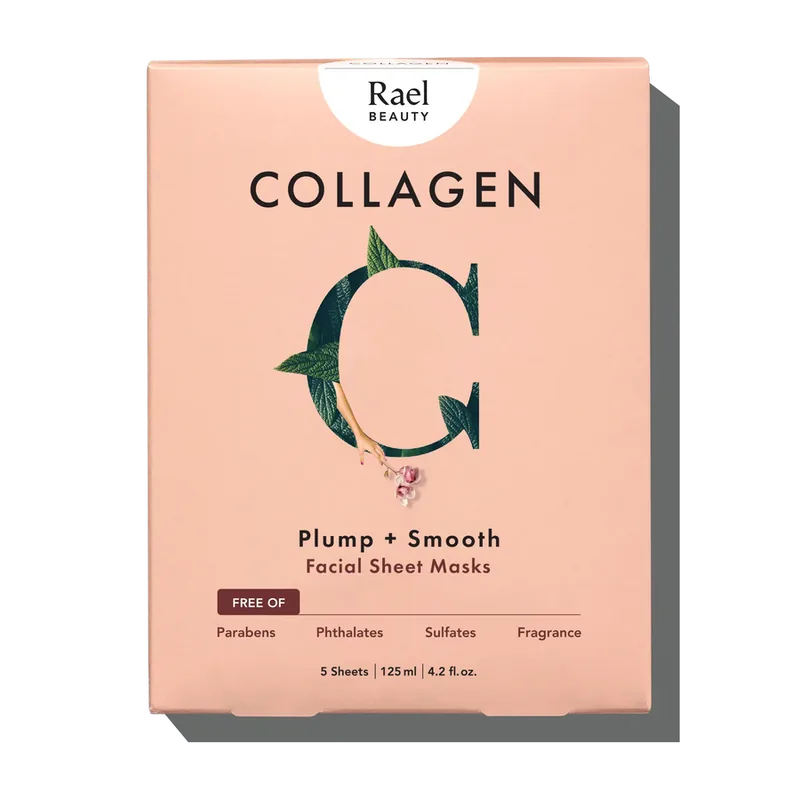
Collagen Sheet Masks
Hydrolyzed Collagen Sheet Mask
 Verified reviewer
Pros & cons.
- +Bamboo-derived substrate is more breathable and biodegradable than typical synthetic non-woven sheet mask material
- +Hydrolyzed collagen has a meaningful evidence base for topical hydration (less so for "boosting" skin's own collagen)
- +Wheat amino acids add a layered humectant function alongside the glycerin base
- +Licorice root extract delivers mild brightening + anti-inflammation in addition to the hydration claim
- +Fragrance free and vegan despite the collagen marketing (the collagen is hydrolyzed, not animal-sourced)
- +$3.40 per mask is reasonable for the category — between budget Tony Moly and premium Korean essence masks
- −Hydrolyzed collagen is too large molecularly to penetrate beyond the upper stratum corneum — the "plumping" claim is from temporary surface hydration, not actual collagen replacement
- −Single-use plastic individual wrappers are not curbside recyclable
- −Sheet masks are a treatment, not a routine — once-weekly use ceiling for most users
- −The cycle-syncing marketing is more aspirational than evidence-based
The full review.
The Rael Collagen Sheet Masks are bamboo-substrate sheet masks infused with hydrolyzed collagen, wheat amino acids, and licorice root extract — Rael’s earliest skincare SKU (2020) and the “luteal phase” variant in the brand’s cycle-synced four-mask range. As a hydration product they work fine; as the anti-aging collagen-boosting product the marketing implies, they don’t.
The collagen claim deserves honesty. Hydrolyzed collagen — collagen cleaved into smaller peptides for cosmetic penetration — is still too large to cross the stratum corneum and reach the dermal layer where your skin’s own collagen lives. Topical collagen doesn’t trigger collagen synthesis in any meaningful way. What it does do is bind water on the surface of skin, which produces a temporary plumping effect. That’s a real benefit, just not the benefit the “collagen boosting” framing suggests.
What the masks actually deliver is short-term hydration. The bamboo substrate holds the essence in contact with skin for 15–20 minutes, preventing evaporation and extending the time humectants (glycerin, sodium hyaluronate, wheat amino acids) have to bind water in the upper stratum corneum. The mechanism is well-understood and the immediate visible plumping is genuine. The duration is short — baseline returns within a day or two — but the value is real for a pre-event glow or a stressed-skin recovery moment.
The supporting cast includes licorice root extract for mild brightening and anti-inflammation, and a clean preservative system without parabens or phenoxyethanol. The substrate itself is bamboo-derived, which is more breathable and biodegradable than typical synthetic non-woven sheet mask material — a modest sustainability win, though the individual plastic wrappers undercut it.
Rael’s cycle-synced framing positions this Collagen mask for the luteal phase (the week before period), the Hydration mask for the period itself, Tea Tree for the follicular phase (when oil rises), and Vitamin C for the ovulatory phase. The hormonal influence on skin is real — sebum production, barrier function, and inflammation all shift across the cycle — but the specific mask-to-phase mapping is more marketing than evidence. Use whichever mask matches what your skin actually needs that day.
At $16.99 for 5 masks ($3.40 each), the per-mask cost is reasonable for the category — between budget options like Tony Moly and Innisfree (~$2 each) and premium Korean essence masks ($6–10 each).
Not ideal for
Anyone expecting lasting anti-aging results from topical collagen — that’s not how collagen works. Oily/acne-prone skin in active flare — the heavier essence load isn’t acne-friendly. Daily users — sheet masks are a once-weekly treatment, not a routine step; daily use over-hydrates the surface and can cause maceration.
Ingredient analysis.
Skin match.
The science.
What sheet masks actually do (and don't)
Sheet masks are an occlusive vehicle for delivering a saturated essence to skin. The mask prevents the essence from evaporating during a 15–20 minute wear window, which extends the contact time of humectants and water-binding ingredients with the stratum corneum. The mechanism is straightforward and well-understood: more contact time = more hydration of the upper stratum corneum.
What sheet masks don't do is reliably deliver large molecules (collagen, peptides, larger plant extracts) past the stratum corneum. Collagen molecules — even hydrolyzed into smaller peptides — are larger than the gap junctions between corneocytes. The "collagen-boosting" marketing claim collapses on basic biochemistry: the molecule doesn't reach the dermal layer where your skin's own collagen lives, and topical application doesn't trigger collagen synthesis in any meaningful way.
What hydrolyzed collagen does provide is surface hydration — the molecule binds water on the stratum corneum, which produces the temporary visible plumping that gives the masks their immediate appeal. This is a real effect, just not the effect the marketing implies. It lasts roughly the time it takes for the surface water to redistribute through normal transepidermal water loss — a day or two.
Hydrolyzed wheat amino acids are smaller and contribute to the natural moisturizing factor (NMF) of the stratum corneum, which has a more durable hydration mechanism. Glycerin and sodium hyaluronate are the workhorse humectants. Licorice root extract adds the modest brightening pathway. The mask works as well as a hydrating treatment; it doesn't work as the anti-aging product the marketing suggests.
References
- Topical collagen efficacy — Journal of Cosmetic Dermatology (2019)
- Sheet mask delivery mechanics — Journal of Cosmetic Science (2018)
Where it fits in your routine.
Cleanse and tone skin. Open one mask pouch, unfold the bamboo sheet, and apply to face, aligning the eye, nose, and mouth cutouts. Press gently to ensure full contact. Leave on 15–20 minutes. Remove and discard. Pat the remaining essence into skin. Follow with your normal moisturizer; don't rinse.
$16.99 for 5 masks = $3.40 each. Reasonable for the category — between budget options (Tony Moly, Innisfree at ~$2 each) and premium Korean essence masks ($6–10 each).
Normal to dry skin types looking for a weekly hydration ritual. People who like the experiential element of sheet masking (the 20-minute rest itself is half the benefit).
Anyone expecting lasting anti-aging results from topical collagen. Oily/acne-prone skin in active flare — the heavier essence load isn't acne-friendly.
Product details.
Bamboo-derived sheet substrate saturated with essence
Light fresh scent (very mild; effectively fragrance-free)
5 individually wrapped masks per box
24-hour visible plumping; baseline after 1–2 days
All Year
The backstory.
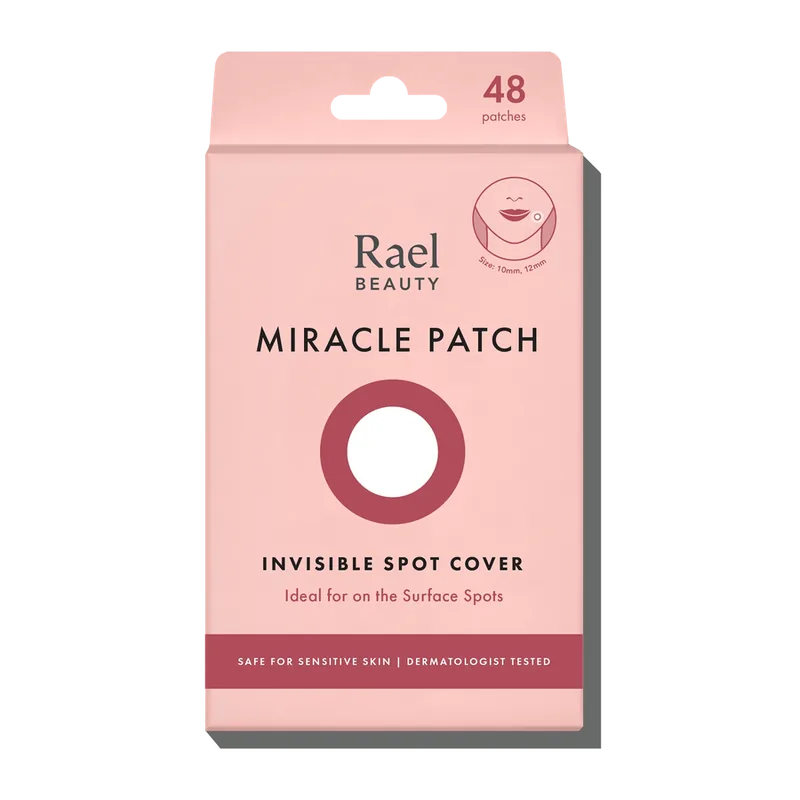
One of Rael's earliest skincare SKUs (2020) — bamboo-substrate sheet masks marketed as the luteal-phase variant in the cycle-synced four-mask range. Wide retail distribution; widely-stocked at Target and Amazon.
About Rael
K-beauty / cycle careRael was founded in 2017 by three Korean-American women — Yanghee Paik, Aness An, Binna Won — initially around organic-cotton period care. Sheet masks were the brand's first move into skincare, before the Miracle Patch line expanded into adjacent acne territory. South Korea manufacturing throughout.
Common myths.
Topical collagen masks reverse aging.
Skin aging is driven by intrinsic factors (genetic, hormonal) and extrinsic factors (UV, smoking, glycation). Topical collagen addresses none of them. Hydrolyzed collagen masks provide pleasant surface hydration; they do nothing for the underlying drivers of skin aging.
FAQ.
Does hydrolyzed collagen actually boost my skin's collagen?
No — and this is one of the most common skincare marketing claims that doesn't hold up. Collagen molecules are too large to penetrate the stratum corneum, even when hydrolyzed into smaller peptides. What hydrolyzed collagen actually does is bind water on the surface, which causes a temporary plumping effect from hydration. Your skin's own collagen production is driven by retinoids, vitamin C, and UV avoidance — not topical collagen.
How long should I leave it on?
15–20 minutes. Beyond that, the essence starts to evaporate and the mask draws moisture back out of skin — the opposite of what you want. Set a timer; don't sleep with a sheet mask on.
Are the bamboo substrates better than synthetic ones?
Marginally — bamboo-derived material is more breathable, contours to the face better, and is biodegradable in industrial composting (though typical landfill conditions don't degrade them quickly). It's a modest sustainability improvement over synthetic non-woven masks.
What's the "cycle synced" framing about?
Rael positions the four sheet mask variants (Collagen, Hydration, Tea Tree, Vitamin C) as appropriate for different phases of the menstrual cycle — Collagen for luteal/PMS, Hydration for period, Tea Tree for follicular when oil levels rise, Vitamin C for ovulatory. The hormonal influence on skin is real but the specific mask-to-phase mapping is more marketing than science. Use whichever mask matches what your skin needs that day.
Will I see lasting results from one mask?
No — sheet masks are a 24-hour intervention at most. Hydration drops back to baseline within a day or two. The value is short-term: a glow before an event, comfort during a stressed-skin moment, a routine ritual that's also a moment of rest.
What the community says.
"Bamboo substrate is the most comfortable I've used"
"Skin looks visibly plumper for the rest of the day"
"Fragrance free — finally"
"Doesn't break me out"
"Lovely as a self-care ritual"
"Hydration effect doesn't last past a day or two"
"Single-use plastic wrappers are wasteful"
"Pricier per mask than budget options"
"The cycle-syncing claim feels gimmicky"
People also looked at.