Deep Cleansing Wash
Classic Acne Cleanser
 Verified reviewer
Pros & cons.
- +FDA-registered 2% salicylic acid OTC drug for proven acne-clearing activity
- +Jojoba ester beads provide biodegradable physical exfoliation alongside chemical action
- +Multiple size options from 3 oz to 24 oz for different commitment levels
- +Effectively controls oil production and reduces blackheads with consistent use
- +From a dermatologist-founded brand with 30 years of acne treatment credibility
- −Menthol is an unnecessary irritant that adds sensation without skincare benefit
- −Contains added fragrance and isopropyl alcohol — irritating in an acne cleanser
- −Chromium Hydroxide Green dye serves only cosmetic purposes with no clinical value
- −Significantly more expensive than comparable salicylic acid cleansers from pharmacy brands
- −Formula has not evolved to match modern fragrance-free, minimal-irritant standards
- −Physical exfoliating beads can aggravate inflamed, active acne lesions
The full review.
Proactiv changed how Americans treat acne. Before Rodan and Fields launched their three-step system in 1995, acne sufferers used drugstore products or dermatologist prescriptions. Proactiv filled the gap with a dermatologist-designed system delivered to your door, using celebrity endorsements and late-night infomercials. The brand sold billions of dollars in product and introduced benzoyl peroxide to a generation of teenagers.
The Deep Cleansing Wash is Proactiv’s salicylic acid option—an alternative to the benzoyl peroxide Renewing Cleanser for users preferring BHA-based treatment. This 2% salicylic acid cleanser is an FDA-registered over-the-counter acne drug. The salicylic acid penetrates pores, dissolves sebum and dead cell buildup that causes comedones, and reduces the bacterial environment causing inflammatory acne. At 2%—the maximum OTC concentration—it provides acne-clearing activity during cleansing.
Jojoba ester exfoliating beads add physical exfoliation. Unlike banned polyethylene microbeads, jojoba esters are biodegradable wax particles that dissolve on skin. They provide a tactile scrubbing sensation to dislodge surface debris while the salicylic acid works in the pores. For users who prefer the feeling of physical exfoliation—the sense that something is actively happening—the beads deliver that experience.
The formula surrounding the salicylic acid is where the product loses ground. Menthol is an inactive ingredient and is immediately noticeable on application. A bracing cooling sensation hits the skin within seconds, creating the subjective impression that the cleanser penetrates deeply. It does not. Menthol is a sensory agent that stimulates cold receptors; it does not cleanse, exfoliate, or treat acne. It irritates, and adding menthol to a formula already containing salicylic acid unnecessarily provokes reactive skin.
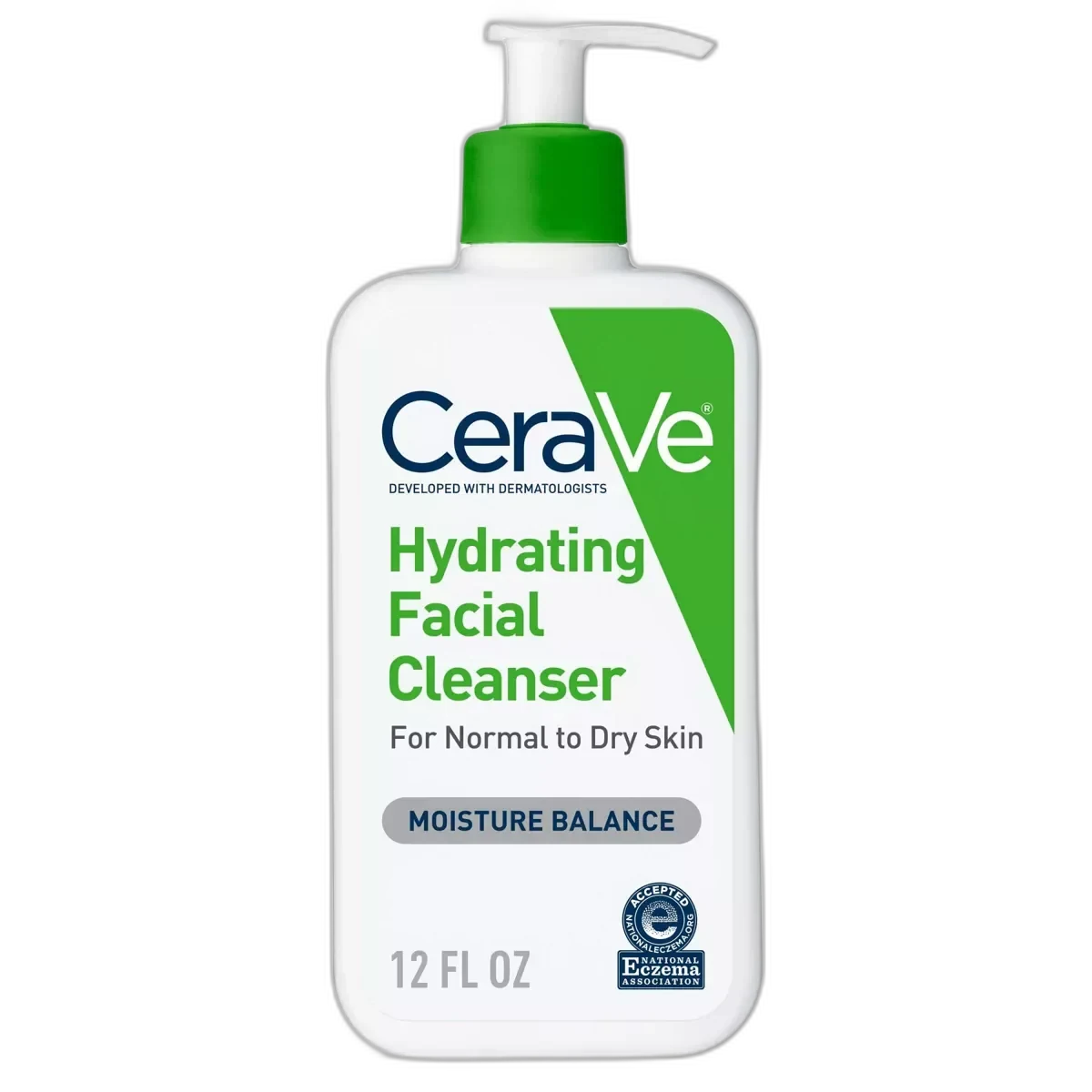
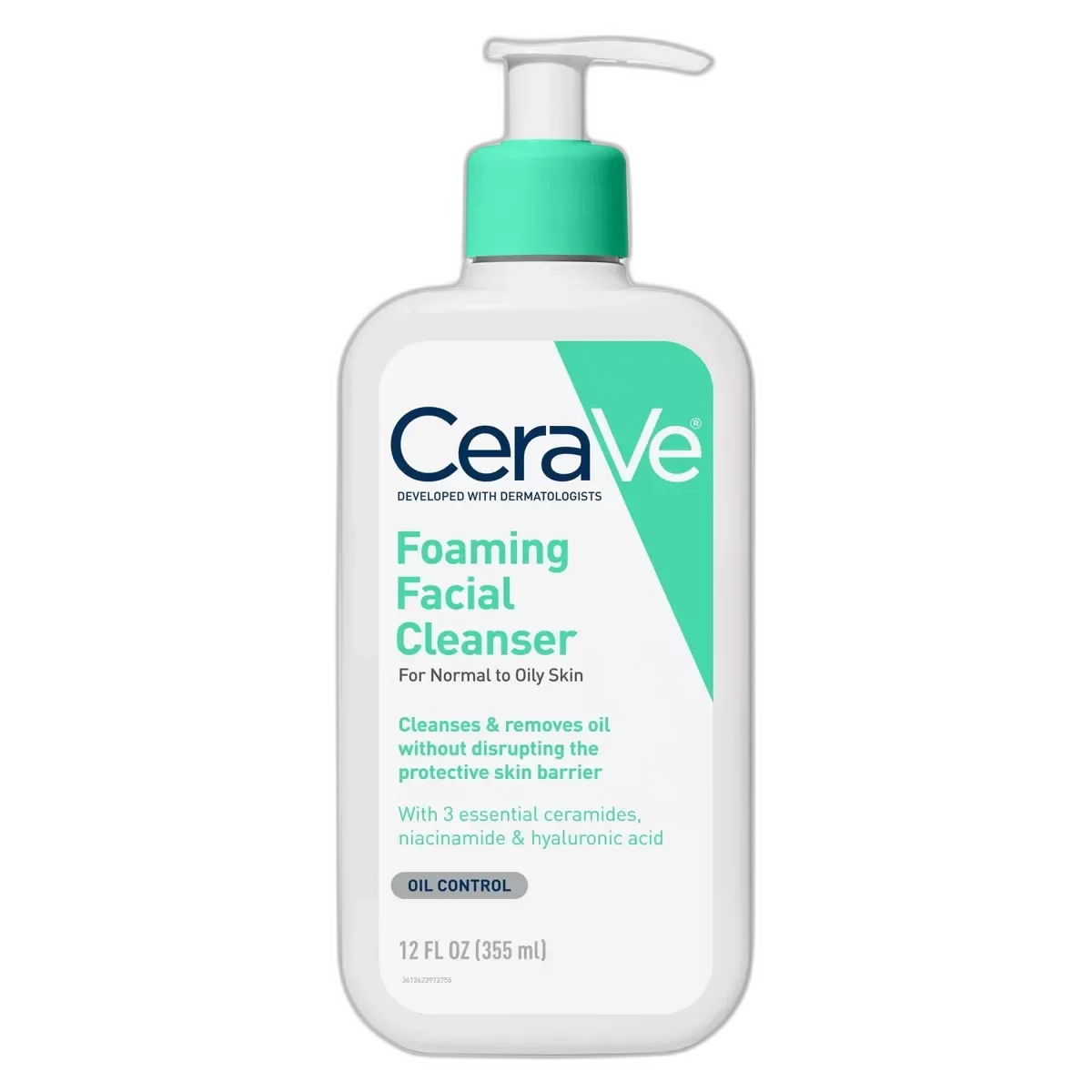
Fragrance is present, which is standard for Proactiv products but at odds with how the clinical skincare category has evolved. CeraVe, Vanicream, La Roche-Posay, and other pharmacy brands show that effective acne treatment does not require added scent. The fragrance serves no therapeutic purpose and adds a sensitization risk.
Isopropyl alcohol is also present—a solvent and penetration enhancer that, like menthol, increases irritation potential more than efficacy. Chromium Hydroxide Green colorant gives the product its distinctive green hue, which is purely cosmetic. The green color has nothing to do with botanical ingredients or clinical effectiveness—it is marketing.
Aloe vera and green tea extract provide some soothing and antioxidant counterbalance, but they are in small quantities relative to the irritating additives. Ascorbic acid makes a token appearance, though its functional contribution in a rinse-off cleanser is negligible.
The cleanser performs adequately in use. It lathers moderately, the beads provide a pleasant scrubbing experience, and skin feels less oily after rinsing. The menthol cooling lingers for a minute or two. Over several weeks of consistent use, breakouts diminish and blackheads become less prominent—effects from the salicylic acid doing its job.
The fundamental problem is not that this cleanser fails to work. It is that the market has moved past it. In 2026, a consumer looking for a 2% salicylic acid cleanser can choose CeraVe Acne Foaming Cream Cleanser (fragrance-free, ceramide-enriched, $15), Neutrogena Oil-Free Acne Wash (simple and affordable), or The Inkey List Salicylic Acid Cleanser ($11, minimal ingredients). Each delivers the same active ingredient at the same concentration with fewer irritating additives and at a lower price.
Multiple size options—from 3 oz to 24 oz—are a practical advantage for committed users. Larger sizes lower the per-ounce cost considerably. But the formula itself does not justify choosing this over more modern alternatives.
Proactiv’s dermatologist founding gives it clinical credibility, and the salicylic acid active ingredient has decades of research behind it. The cleanser will clear acne. The question is whether you pay more for a formula with menthol, fragrance, and green dye when cleaner options exist for less money.
Ingredient analysis.
Full INCI list
Active Ingredient: Salicylic Acid 2%. Inactive Ingredients: Water (Aqua), Cocamidopropyl Betaine, Distearyl Phthalic Acid Amide, Synthetic Wax, Stearyl Alcohol, Cetyl Alcohol, Jojoba Esters, Sodium Chloride, Sodium Methyl Cocoyl Taurate, Citric Acid, Aloe Barbadensis Leaf Juice, Camellia Sinensis Leaf Extract, Coconut Acid, Menthol, PEG-120 Methyl Glucose Dioleate, Caprylyl Glycol, Hexylene Glycol, Ethylhexylglycerin, Ascorbic Acid, Butylene Glycol, Disodium EDTA, Isopropyl Alcohol, Sodium Hydroxide, Phenoxyethanol, Sodium Benzoate, Sodium Sulfite, Potassium Sorbate, Fragrance, Chromium Hydroxide Green (CI 77289)
Skin match.
The science.
The Science
Salicylic acid (beta-hydroxy acid) is a well-studied topical acne treatment. Its lipophilic structure penetrates oil-filled follicular canals to exfoliate inside the pore. This mechanism differs from water-soluble AHAs like glycolic acid, which work mostly on the skin surface. A review in Clinical, Cosmetic and Investigational Dermatology confirmed salicylic acid has comedolytic, anti-inflammatory, and mild antimicrobial properties at 0.5-2% concentrations.
At the 2% maximum OTC concentration in a wash-off format, effective contact time is 30-60 seconds per use. Research shows even brief salicylic acid exposure loosens intercellular adhesions within comedones. Daily application produces clinically meaningful acne improvement over 4-8 weeks. A Journal of Clinical and Aesthetic Dermatology study found 2% salicylic acid cleansers reduced inflammatory and non-inflammatory acne lesions significantly compared to non-medicated cleansers.
Menthol in this formula is a counterirritant; it activates TRPM8 cold receptors in the skin to create a cooling sensation. While this creates a subjective feeling of 'deep cleaning,' dermatological literature shows no acne-treating mechanism for menthol. A review in Contact Dermatitis identified menthol as a common cause of cosmetic contact dermatitis, making it a net negative in formulations for compromised acne-prone skin.
Dermatologist Perspective
Dermatologists use 2% salicylic acid as an evidence-based first-line treatment for mild to moderate comedonal acne, and the Deep Cleansing Wash provides this active ingredient at the maximum OTC concentration. However, board-certified dermatologists increasingly recommend fragrance-free, minimal-irritant formulations for acne-prone skin. This makes the menthol, fragrance, and isopropyl alcohol in this cleanser problematic. These additives provide no clinical benefit and increase contact irritation risk on inflamed skin. Dermatologists typically recommend salicylic acid cleansers from pharmacy brands like CeraVe or Vanicream that use the same active ingredient in a gentler vehicle.
Where it fits in your routine.
Wet your face with lukewarm water. Put a small amount of the cleanser on your fingertips and massage acne-prone areas for 30-60 seconds. Do not scrub aggressively, especially over active, inflamed breakouts — the beads and salicylic acid work. Rinse thoroughly. Use once or twice daily as tolerated. Always follow with a gentle moisturizer to prevent over-drying. New users should start with once daily and move to twice daily if skin tolerates it.
At about $30 for 9 oz, the Deep Cleansing Wash costs more than its ingredients justify. CeraVe's Acne Foaming Cream Cleanser has 4% benzoyl peroxide and ceramides for roughly $15, while The Inkey List Salicylic Acid Cleanser provides the same BHA concentration for $11. Larger Proactiv sizes (16 oz, 24 oz) lower the per-ounce cost, but unnecessary additives like menthol, fragrance, and dye make the price hard to justify against modern pharmacy-brand alternatives. The Proactiv brand name has recognition, but informed consumers find better formulations for less.
Best for oily and combination skin with mild to moderate comedonal acne (blackheads, whiteheads) that prefers salicylic acid over benzoyl peroxide. Proactiv users wanting to expand their routine or switch from BP-based cleansing may like this.
Skip this if you have sensitive, dry, or barrier-compromised skin; menthol, fragrance, and isopropyl alcohol cause irritation. Skip this if you want to save money, as pharmacy brands offer better-formulated salicylic acid cleansers for less. The physical beads may aggravate inflamed cystic acne.
Product details.
Pale green, thick lotion contains small jojoba ester exfoliating beads. It lathers moderately when massaged onto wet skin.
Added fragrance has a noticeable menthol cooling note. The scent smells clinical and fresh but artificial.
Plastic squeeze bottle comes in multiple sizes (3 oz, 9 oz, 16 oz, 24 oz). It is practical and easy to dispense.
Menthol creates an immediate cooling sensation on contact, which some users see as the product "working." Salicylic acid may cause a mild tingling. Skin feels clean and less oily after rinsing. Some users feel slight tightness if they skip moisturizer afterward.
2-3 months with once-daily use (9 oz size)
12 months
All Year
The backstory.
The Deep Cleansing Wash is part of Proactiv's expanded product line beyond the original 3-Step System. While the iconic Renewing Cleanser uses benzoyl peroxide, this cleanser was developed as a salicylic acid alternative for users who prefer BHA-based acne treatment or find benzoyl peroxide too harsh or bleaching for their fabrics.
About Proactiv
Legacy Brand (20+ years)Stanford-trained dermatologists Dr. Katie Rodan and Dr. Kathy Fields co-founded Proactiv in 1995. It is a top-selling acne treatment system in the U.S., driven mostly by direct-to-consumer sales. The brand has over two decades of presence in the acne category.
Common myths.
The cooling menthol sensation shows the cleanser deep-cleans your pores.
Menthol triggers skin cold receptors to create a fresh feeling, but it does not clean pores. Salicylic acid does the actual pore-clearing work. Menthol is purely cosmetic and can irritate sensitive skin.
Use Proactiv products together as a complete system for them to work.
Each Proactiv product has its own active ingredients that work independently. You can use this salicylic acid cleanser alone or with other brands. The 'system' approach is a marketing strategy, not a formulation requirement.
FAQ.
Does the Proactiv Deep Cleansing Wash contain benzoyl peroxide?
No — this cleanser uses 2% salicylic acid as its active ingredient, not benzoyl peroxide. Proactiv's Renewing Cleanser contains benzoyl peroxide. The Deep Cleansing Wash was designed as a BHA alternative for users who find benzoyl peroxide too drying or who want to avoid fabric bleaching.
Can I use the Proactiv Deep Cleansing Wash with retinol?
Yes, but introduce them gradually. Use the cleanser in the morning and retinol at night, or alternate days. The salicylic acid in the cleanser and retinol increase dryness and irritation if used at the same time. Always use a moisturizer and sunscreen when combining these ingredients.
Is the Proactiv Deep Cleansing Wash worth the price?
At $30 for 9 oz, this costs more than similar salicylic acid cleansers from CeraVe, Neutrogena, and The Inkey List. Those brands use similar or identical active ingredient concentrations with gentler supporting formulas. The Proactiv name has brand recognition, but the formula does not justify the premium.
Why does the Proactiv Deep Cleansing Wash have a green color?
Chromium Hydroxide Green (CI 77289), a cosmetic colorant, provides the green color. It has no skincare purpose and is purely aesthetic. The dye does not show any green botanical ingredients.
Can sensitive skin use the Proactiv Deep Cleansing Wash?
This cleanser is not for sensitive skin. Menthol, fragrance, isopropyl alcohol, and 2% salicylic acid can irritate reactive skin. Sensitive skin types should use fragrance-free, menthol-free salicylic acid cleansers from brands like CeraVe or Vanicream.
What the community says.
"Effectively controls oil and reduces breakouts with consistent use"
"Exfoliating beads provide a satisfying physical cleansing experience"
"Does not dry out skin as severely as some acne cleansers"
"Multiple size options available for convenience"
"Menthol creates an unnecessary cooling/tingling sensation"
"Contains fragrance and isopropyl alcohol — irritating additives"
"Green dye is cosmetic only and serves no skincare purpose"
"Expensive compared to similar salicylic acid cleansers from CeraVe or Neutrogena"
"The exfoliating beads can be too harsh for inflamed acne"
People also looked at.