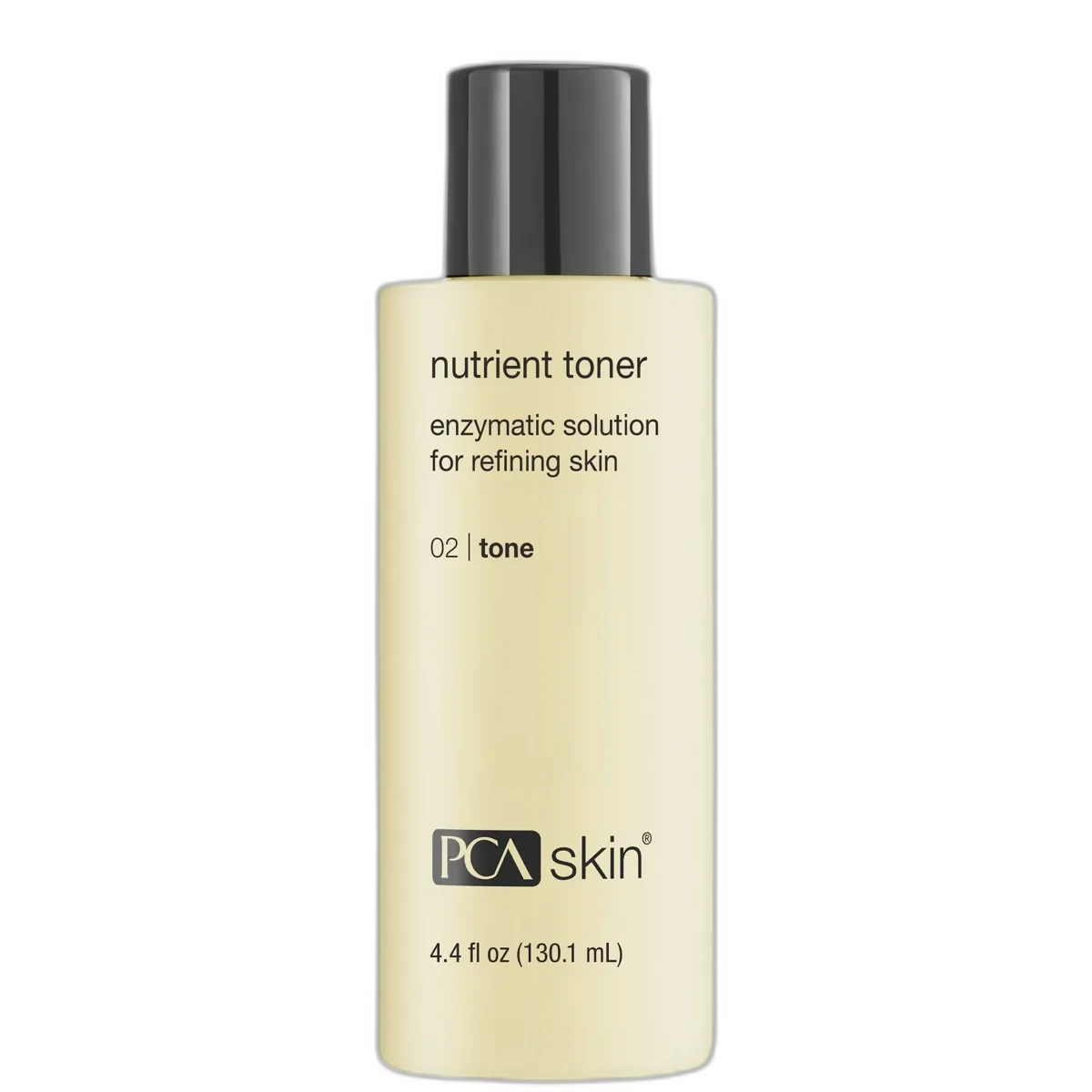
Nutrient Toner
Pumpkin Enzyme Exfoliator
 Verified reviewer
Pros & cons.
- +Multi-pathway exfoliation combining pumpkin enzymes with three chemical acids for comprehensive texture refinement
- +Visible brightening and pore refinement within the first week of use
- +Glutathione provides antioxidant and melanin-inhibiting activity as acids reveal fresh skin
- +Aminoguanidine HCl offers anti-glycation benefits rarely found in toner formulations
- +Fermented pumpkin base delivers vitamins and amino acids beyond basic acid toning
- +Professional-size 16 oz bottle available for long-term users
- −Contains six EU-flagged fragrance allergens including eugenol isoeugenol and cinnamal
- −Added fragrance and spice essential oils create unnecessary sensitization risk
- −Denatured alcohol can compound the drying effect of the acid exfoliants
- −Not suitable for sensitive reactive or rosacea-prone skin types
- −Strong pumpkin spice scent is polarizing and may linger after application
- −Retinol salicylic acid in zinc salicylate form makes this unsafe during pregnancy
The full review.
PCA Skin was doing something genuinely interesting with Cucurbita pepo — fermenting it into a skincare ingredient. Nutrient Toner predates the pumpkin trend by years, and its use of pumpkin wine as a functional exfoliating base isn’t a seasonal marketing play. It’s a formulation choice rooted in the biochemistry of proteolytic enzymes, and it works in ways that are worth understanding.
Pumpkin flesh is naturally rich in enzymes that dissolve keratin — the protein that dead skin cells are largely composed of. When fermented with yeast (creating what the industry calls pumpkin wine), these enzymes become more concentrated and bioavailable, while the fermentation process generates additional amino acids, B vitamins, and other metabolites. In Nutrient Toner, this fermented pumpkin base provides enzymatic exfoliation — a gentler, surface-level dissolution of dead cells that doesn’t penetrate as deeply as chemical acids.
But PCA Skin didn’t stop at enzymes. The formula layers three chemical exfoliants on top: lactic acid (an AHA that exfoliates while hydrating), citric acid (another AHA with antioxidant properties), and gluconic acid (a polyhydroxy acid that penetrates more slowly for gentler exfoliation). This triple-acid approach combined with the pumpkin enzymes creates a multi-pathway exfoliation system — dead skin is being dissolved, loosened, and removed through four different mechanisms simultaneously. The result is a toner that genuinely refines texture and brightens skin more noticeably than single-acid alternatives.
Glutathione adds antioxidant and melanin-inhibiting activity, working to brighten the newly exposed skin cells as the acids and enzymes clear away the dead layer above them. Zinc salicylate provides mild antibacterial and anti-inflammatory benefits. Aminoguanidine HCl, a less common ingredient, functions as an anti-glycation agent — targeting the sugar-protein bonds that contribute to skin aging and loss of firmness.
The results are real and visible. Within the first week of use, skin appears noticeably brighter and smoother. Pores look more refined. The dull, grayish cast that builds up from sluggish cell turnover clears. Over four to eight weeks, the cumulative exfoliation produces genuinely improved skin texture and tone. This is an active, working toner — not a glorified water rinse.
Now for the honest reckoning. Nutrient Toner’s ingredient list contains a concerning number of known allergens and sensitizers. The spice essential oils — cinnamon, clove, and ginger — are responsible for the distinctive warm scent but also introduce eugenol, isoeugenol, cinnamal, coumarin, benzyl benzoate, and cinnamyl alcohol. These are among the most commonly flagged fragrance allergens by the European Scientific Committee on Consumer Safety. Add denatured alcohol and added fragrance to the mix, and you have a formula that’s genuinely irritating for a significant portion of the population.
This is the fundamental tension of Nutrient Toner: the enzymatic and acid exfoliation system is genuinely clever and effective, but the delivery vehicle is loaded with unnecessary sensitizers that limit who can safely use it. For normal, oily, and resilient combination skin, the allergen load may never cause a problem. For anyone with fragrance sensitivity, contact dermatitis history, or even mildly reactive skin, this toner is a gamble.
The scent itself is polarizing. It smells exactly like autumn — warm pumpkin with cinnamon, clove, and ginger. Some users love it as an aromatic experience. Others find it overwhelming. The fragrance lingers briefly after application, which means if essential oils bother your skin, even the residual contact time is a concern.
At $46 for 4.4 oz, the pricing is fair for an exfoliating toner of this complexity. The bottle lasts three to four months with regular use. A professional-size 16 oz bottle is also available for committed users.
PCA Skin’s Nutrient Toner is a product with real formulation creativity hampered by ingredient choices that should have been modernized years ago. The pumpkin enzyme and multi-acid system is effective and genuinely differentiated. The spice oils and fragrance are relics of an era when sensory experience was prioritized over sensitization science. If your skin can handle it, the exfoliating performance is excellent. If it can’t, there’s no amount of pumpkin magic worth the irritation.
Ingredient analysis.
Full INCI list
Water/Aqua/Eau, Sucrose, Cucurbita Pepo (Pumpkin), Propylene Glycol, Lactic Acid, Citric Acid, Octoxynol-9, Fragrance/Parfum, Gluconic Acid, Yeast, Aminoguanidine HCl, Cinnamomum Cassia Leaf Oil, Eugenia Caryophyllus (Clove) Leaf Oil, Glutathione, Zingiber Officinale (Ginger) Root Oil, Alcohol Denat, Zinc Salicylate, Aspergillus/Molasses Ferment Filtrate, Glycerin, Potassium Chloride, Benzyl Benzoate, Eugenol, Coumarin, Cinnamal, Isoeugenol, Cinnamyl Alcohol
Skin match.
The science.
The Science
Pumpkin provides enzymatic exfoliation via proteolytic enzymes. Specifically, protease enzymes break the keratin protein bonds that hold dead corneocytes to the skin surface. Research in the Journal of Cosmetic Dermatology shows fruit enzymes, including those from cucurbit species, work as gentle exfoliants at the skin surface without the deep penetration of chemical acids. This makes enzymatic exfoliation complementary to the AHA and PHA activity in the formula, not redundant.
Low concentrations of lactic acid provide dual benefits. A 1996 study in the Journal of the American Academy of Dermatology showed lactic acid works as both an exfoliant (loosening corneocyte adhesion) and a humectant (drawing moisture to the stratum corneum). This dual mechanism makes lactic acid-based exfoliation feel less drying than glycolic acid alternatives.
Gluconic acid is a polyhydroxy acid with a larger molecular size than traditional AHAs. Research in the Journal of Cosmetic Dermatology shows PHAs provide exfoliating benefits comparable to AHAs but with less stinging and irritation. Their slower penetration rate makes them better tolerated by more skin types. In Nutrient Toner, gluconic acid adds a gentler exfoliating layer that increases the formula's efficacy without increasing irritation proportionally.
Aminoguanidine HCl targets advanced glycation end products (AGEs)—the cross-linked sugar-protein structures that accumulate in aging skin and cause yellowing and loss of elasticity. While anti-glycation skincare is an emerging field, a study in the British Journal of Dermatology showed aminoguanidine inhibits glycation-related collagen cross-linking. This offers an anti-aging mechanism distinct from the antioxidant and exfoliating pathways in this formula.
References
- Alpha-hydroxy acids in the treatment of signs of photoaging — Journal of the American Academy of Dermatology (1996)
- Polyhydroxy acids in dermatology — Journal of Cosmetic Dermatology (2004)
Dermatologist Perspective
Dermatologists recognize the efficacy of multi-acid exfoliation systems like the one in Nutrient Toner; combining enzymatic and chemical exfoliation is pharmacologically sound. However, board-certified dermatologists consistently flag the long list of known allergens as problematic for daily use. Eugenol and isoeugenol are among the most common causes of allergic contact dermatitis from fragrance ingredients. Dermatologists typically recommend patch testing before daily use and steer patients with fragrance sensitivity or contact dermatitis toward fragrance-free alternatives. For resilient skin types, the exfoliating performance is clinically meaningful—the multi-pathway approach refines texture more comprehensively than single-acid toners.
Guidance
Where it fits in your routine.
Saturate a cotton pad with Nutrient Toner and sweep it gently across a cleansed face and neck, avoiding the eye area. Use morning and evening. Wait 30-60 seconds for the acids to absorb before you apply serums or moisturizer. Start with once daily or every other day, then increase to twice daily as tolerated. Do not use with other AHA/BHA exfoliants or strong retinoids in the same routine. Always follow with broad-spectrum SPF in the morning because AHAs increase sun sensitivity.
At $46 for 4.4 oz, Nutrient Toner is priced reasonably for an exfoliating toner with this complex formulation. The bottle lasts 3-4 months using regular cotton pads, making the daily cost about $0.40-0.50. A 16 oz professional size offers better per-ounce value for frequent users. The multi-acid and enzyme system exfoliates more than most toners at similar or higher prices. The value is highest for users with resilient skin who use the full range of actives; for sensitive users who must use it cautiously, the cost-effectiveness drops as usage frequency decreases.
Nutrient Toner works for normal, oily, or resilient combination skin seeking daily exfoliation beyond basic acid toning. It suits people with dull, textured skin, enlarged pores, and uneven tone who tolerate fragrance and essential oils.
Avoid Nutrient Toner if you have sensitive, rosacea-prone, or reactive skin. Fragrance, denatured alcohol, and six known fragrance allergens irritate reactive skin. People with contact dermatitis or fragrance allergies should use fragrance-free exfoliating toners. The salicylate content makes Nutrient Toner unsuitable during pregnancy.
Product details.
Thin, amber liquid with a slightly viscous texture — apply with a soaked cotton pad
Cinnamon, clove, and ginger essential oils create a distinct, lingering warm pumpkin spice aroma.
Bottle with screw cap — pour onto cotton pad for application
The pumpkin spice scent hits immediately — warm, seasonal, and polarizing. The acid blend causes mild tingling that subsides within a minute. Skin feels slightly tighter and looks brighter right after use. Sensitive skin may sting more, especially during the first few uses.
3-4 months with twice-daily use via cotton pad application
12 months
All Year
The backstory.
Nutrient Toner is one of PCA Skin's most iconic products, predating many of the brand's newer formulations. The pumpkin wine base was inspired by traditional enzymatic treatments — pumpkin is naturally rich in vitamins A and C, zinc, and proteolytic enzymes that dissolve the protein bonds holding dead skin cells in place. PCA Skin essentially bottled a professional-grade pumpkin enzyme treatment into a daily toner format, creating something that didn't exist in the skincare market at the time.
About PCA Skin
Established Brand (5–20 years)An aesthetician founded PCA Skin in 1990, developing it with dermatologists. PCA Skin is the number-one professional chemical peel brand among estheticians, with over one million peels performed globally each year. PhD chemists develop its formulations in-house.
Common myths.
Pumpkin extract in skincare offers no real benefits and is just a marketing gimmick.
Pumpkin flesh has proteolytic enzymes that dissolve keratin bonds, plus vitamins A and C, zinc, and essential fatty acids. Fermenting it into pumpkin wine, as in this formula, concentrates enzymatic activity and enhances the nutrient profile via fermentation byproducts. This is a functional enzymatic exfoliant, not decorative pumpkin.
Toners are an unnecessary skincare step that does nothing.
You can skip a basic hydrating toner, but Nutrient Toner works as an exfoliating treatment in toner format. The multi-acid and enzyme blend exfoliates to remove dead cells, refine pores, and brighten skin. It performs the work of a treatment step rather than a pH-balancing rinse.
FAQ.
What does PCA Skin Nutrient Toner smell like?
Nutrient Toner has a warm pumpkin spice scent from its fermented pumpkin base and cinnamon leaf, clove, and ginger essential oils. The fragrance is noticeable and lingers briefly after application. People sensitive to fragrance or spice oils should use caution.
Is PCA Skin Nutrient Toner safe for sensitive skin?
Nutrient Toner is not ideal for sensitive skin. The formula has multiple known allergens: eugenol, isoeugenol, cinnamal, and coumarin, plus denatured alcohol and fragrance. These ingredients cause irritation, redness, or allergic reactions in reactive skin. PCA Skin's Hydrating Toner is a gentler alternative.
Can I use PCA Skin Nutrient Toner with retinol?
Use caution when combining Nutrient Toner with retinol. The multi-acid formula exfoliates heavily; adding retinol can cause over-exfoliation, irritation, and barrier damage. If you use both, apply the Nutrient Toner in the morning and retinol at night, then monitor for sensitivity.
How often should I use PCA Skin Nutrient Toner?
PCA Skin recommends twice-daily use. If you are new to acid-based toners, start with once daily or every other day and increase frequency gradually. If your routine includes other exfoliating products, use Nutrient Toner once daily to avoid over-exfoliation.
What is pumpkin wine in skincare?
Pumpkin wine is fermented pumpkin extract. Yeast ferments the pumpkin flesh, concentrating natural proteolytic enzymes and adding fermentation byproducts like amino acids and vitamins. In Nutrient Toner, this fermented pumpkin base provides enzymatic exfoliation that works with chemical acids to remove dead skin cells via multiple pathways.
What the community says.
"Noticeably smoother and brighter skin after consistent use"
"Pleasant pumpkin and spice scent"
"Visibly reduces pore size over time"
"Effective gentle exfoliation without heavy peeling"
"Prepares skin well for treatment products that follow"
"Strong spicy fragrance may irritate sensitive skin"
"Contains multiple known allergens including eugenol and isoeugenol"
"Can cause tingling or stinging on reactive skin"
"Alcohol denat may be drying for some users"
"Not suitable for fragrance-sensitive individuals"