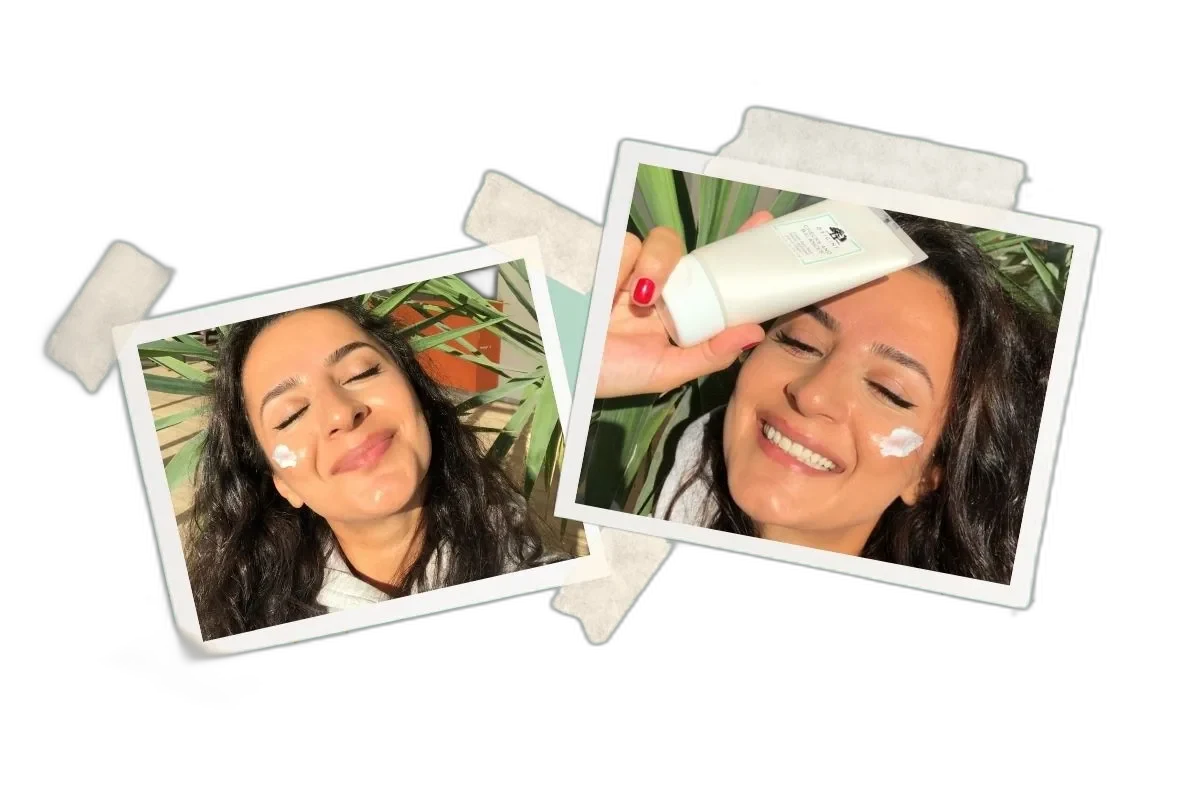
Checks and Balances Frothy Face Wash
Clean Beauty Crowd-Pleaser
 Verified reviewer
Pros & cons.
- +Dense, satisfying frothy lather from fatty acid soap chemistry feels genuinely luxurious
- +Sulfate-free formula cleanses thoroughly without relying on SLS or SLES
- +Refreshing spearmint cooling sensation makes morning cleansing invigorating
- +Three size options including travel-friendly 2 oz for convenience and value flexibility
- +Vegan, cruelty-free, and recyclable packaging align with clean beauty values
- +A small amount generates abundant lather, making each tube last longer than expected
- −Fatty acid base can be too stripping for dry skin, causing tightness and discomfort
- −Multiple essential oils including bergamot add fragrance allergens unsuitable for sensitive skin
- −Contains hydrolyzed wheat protein — not safe for those with wheat allergies
- −Tourmaline marketing claims lack scientific evidence for topical skin benefits
- −pH trends alkaline from saponified fatty acids, which can disrupt the acid mantle
The full review.
Some products last through innovation. Others last through ritual. Origins Checks and Balances Frothy Face Wash fits the second category. This cleanser has stayed in bathroom cabinets since the mid-2000s not by revolutionizing cleansing science, but by making face washing feel good.
The formula uses a saponified fatty acid system—myristic, behenic, palmitic, lauric, and stearic acids neutralized with potassium hydroxide to make soap. This old-school chemistry predates synthetic surfactants and produces a dense foam that modern sulfate-free gel cleansers cannot replicate. The lather is thick, almost whipped, and feels more substantial on the skin than lighter foaming cleansers. If you equate a thick lather with a thorough cleanse, this delivers.
Spearmint leaf oil hooks users. It provides an immediate cooling sensation that wakes up the face, especially in the morning. A full essential oil blend—bergamot, lavender, geranium, chamomile, and benzoin resin—creates a herbal, slightly woody fragrance that is distinctly Origins. It smells like an upscale wellness spa; this sensory experience is half the product’s value. You pay for the ritual as much as the cleansing.
The functional formula is straightforward beneath the aromatherapy. Sodium methyl cocoyl taurate is the only synthetic surfactant present, and it is among the mildest available. Glycerin provides humectant support, and hydrolyzed wheat protein acts as a conditioning agent, depositing a thin film on the skin to partially offset the stripping potential of the fatty acid base. Broad leaf kelp (Laminaria saccharina) extract adds minerals and mild purifying properties, though its concentration in a rinse-off product limits transformative benefits.
Tourmaline is the formula’s curiosity. Origins uses this semi-precious mineral for its purported ability to generate negative ions that purify the skin. The science is thin. Tourmaline exhibits piezoelectric and pyroelectric properties—generating charge under mechanical pressure and temperature changes—but applying this to skin benefits in a cleanser that stays on the face for thirty seconds is a stretch. It adds storytelling value more than clinical value.
Performance depends on your skin type. This cleanser excels for combination to oily skin. It removes oil, sunscreen, and daily makeup thoroughly, leaves skin feeling clean, and the minty tingle signals freshness. The lather is efficient—a small amount goes far—and the formula rinses cleanly without residue.
The outlook is less rosy for dry or sensitive skin. Myristic acid is a more aggressive fatty acid for cleansing, and saponifying multiple fatty acids into soap creates an alkaline pH. While glycerin and wheat protein mitigate this, many dry-skinned users report a tight, stripped feeling after use. The essential oil blend adds fragrance allergens—linalool and limonene—that can trigger sensitivity in reactive skin. This cleanser works well for its intended skin types, but it does not work for everyone despite its all-skin-types marketing.
At twenty-four dollars for five ounces, the price is fair for a prestige cleanser, and the three available sizes are consumer-friendly. The eight-and-a-half-ounce option at twenty-nine dollars offers excellent per-ounce value for fans. The recyclable packaging and vegan formula align with the values that drew people to Origins.
Checks and Balances is not a groundbreaking formula. It is a deeply pleasant one. In a market full of innovative actives and cutting-edge delivery systems, a product that makes washing your face feel like an intentional, enjoyable act is refreshing. For the right skin type, that daily moment of minty, frothy texture is worth every penny.
Ingredient analysis.
Full INCI list
Water/Aqua/Eau, Myristic Acid, Glycerin, Behenic Acid, Sodium Methyl Cocoyl Taurate, Palmitic Acid, Potassium Hydroxide, Lauric Acid, Stearic Acid, Anthemis Nobilis Flower Oil, Mentha Viridis (Spearmint) Leaf Oil, Pelargonium Graveolens Flower Oil, Lavandula Hybrida Oil, Citrus Aurantium Bergamia (Bergamot) Fruit Oil, Styrax Benzoin Gum, Linalool, Limonene, Tourmaline, Laminaria Saccharina Extract, Hydrolyzed Wheat Protein, Ethylhexylglycerin, Tocopherol, Cetearyl Alcohol, Polyquaternium-7, Butylene Glycol, Disodium EDTA, PEG-3 Distearate, Sodium Benzoate, Phenoxyethanol
Skin match.
The science.
The Science
The cleansing system in Checks and Balances relies on saponification — the reaction between fatty acids (myristic, behenic, palmitic, lauric, stearic) and potassium hydroxide to form potassium soaps. This is among the oldest cleansing chemistry known, and it produces a characteristically rich, dense foam. The trade-off is pH: saponified fatty acid cleansers typically have a pH between 9 and 10, which is more alkaline than the skin's natural acid mantle (pH 4.5-5.5). Research published in the Journal of Clinical and Aesthetic Dermatology (2014) has demonstrated that alkaline cleansers can temporarily disrupt the skin barrier and increase transepidermal water loss, though these effects are generally reversible with moisturizer application.
Myristic acid, the first fatty acid listed, is notable for its strong cleansing power and high foam generation. Studies comparing fatty acid cleansing profiles have shown that myristic acid produces more lather than palmitic or stearic acid but also removes more skin lipids, which explains the tight feeling some users experience. The inclusion of sodium methyl cocoyl taurate — a mild amino acid-based surfactant — helps moderate the overall cleansing aggressiveness of the formula.
Laminaria saccharina (broad leaf kelp) extract contributes fucoidans and alginic acid, polysaccharides with demonstrated antioxidant and anti-inflammatory properties in in-vitro studies. However, the concentration in a rinse-off product and the brief contact time significantly limit bioavailability. The hydrolyzed wheat protein functions as a film-forming conditioner, depositing positively charged protein fragments on the skin surface that help retain moisture post-cleansing — a well-documented mechanism in cosmetic chemistry.
Dermatologist Perspective
Dermatologists frequently encounter patients who enjoy Checks and Balances for its sensory properties but experience barrier disruption from its alkaline pH. Board-certified dermatologists note that saponified fatty acid cleansers are better suited for oily and combination skin types that can tolerate the higher pH without significant barrier compromise. For dry or eczema-prone skin, dermatologists typically recommend pH-balanced (5.0-6.0) synthetic surfactant cleansers that maintain the acid mantle. The essential oil content is another consideration — dermatologists advise fragrance-sensitive patients to avoid products with multiple essential oils, particularly bergamot, which can cause phototoxic reactions.
Where it fits in your routine.
Wet your face and hands with lukewarm water. Squeeze a small amount (about the size of a grape) into your palms and lather. Massage the foam over your entire face in circular motions for 30-60 seconds to feel the minty cooling sensation. Rinse well with lukewarm water and pat dry. Use morning and evening. If wearing makeup in the PM, use an oil-based first cleanse to break down makeup before using Checks and Balances as your second cleanse.
At $24 for 5 oz, Checks and Balances is a reasonable mid-point for prestige cleansers. The 8.5 oz ($29) size wins on value at roughly $3.40 per ounce, versus $4.80 per ounce for the standard size. The formula uses simple ingredients — saponified fatty acids, glycerin, and botanical extracts — that do not justify a luxury price, but brand heritage, sensory experience, and clean beauty positioning justify the cost. For its target audience of combination-to-oily skin types who value natural formulations, the price-to-experience ratio is fair.
This cleanser works for combination-to-oily skin types who want a thick, frothy lather and a sensory washing ritual. If you want clean beauty, a minty morning feel, and your skin handles foaming cleansers without tightness, Checks and Balances offers daily luxury at a fair price.
Skip this if you have dry, sensitive, or eczema-prone skin; the fatty acid soap base and essential oils strip and irritate. Avoid this if you have a wheat allergy (contains hydrolyzed wheat protein) or want fragrance-free skincare. If foaming cleansers already dry out your skin, this one will too.
Product details.
Thick, creamy paste that turns into a dense, frothy foam when mixed with water — creates heavy lather
Spearmint, bergamot, lavender, geranium, and chamomile essential oils create a fresh, herbal-minty blend — distinctly Origins
Squeeze tube comes in three sizes (2 oz, 5 oz, 8.5 oz). The recyclable packaging meets Origins' sustainability commitments.
Spearmint oil provides an immediate cooling tingle and a thick, dense lather. Skin feels clean and slightly cool after rinsing. Dry skin types may feel tightness after the first few uses; follow with a thick moisturizer if this occurs.
2-3 months with twice-daily use (5 oz size)
12 months
All Year
The backstory.
One of Origins' longest-running bestsellers, Checks and Balances was designed to embody the brand's founding philosophy of balancing powerful cleansing with skin-friendly botanicals. The name itself is a promise: a thorough cleanse that doesn't tip into over-stripping. It has been a gateway product for millions of consumers exploring natural-leaning prestige skincare.
About Origins
Established Brand (5–20 years)Leonard Lauder founded Origins in 1990 under The Estee Lauder Companies, leading the use of naturally derived ingredients in prestige skincare. The brand has over 35 years of experience merging plant science with clinical formulation and was an early prestige brand to seek USDA organic certification.
Common myths.
Tourmaline in skincare produces negative ions that detoxify the skin.
Tourmaline has piezoelectric properties, meaning it generates charge under pressure. However, no clinical evidence shows topical tourmaline in a rinse-off cleanser provides measurable skin benefits. It is a marketing differentiator rather than a functional active.
Natural and plant-based cleansers are gentler than synthetic ones.
This cleanser's fatty acid base strips more than some well-formulated synthetic surfactant systems. Myristic acid has high cleansing power that disrupts the skin barrier. Glycerin and wheat protein counterbalance this, but "natural" is not always "gentle."
FAQ.
Is Origins Checks and Balances good for dry skin?
This cleanser works best for combination to oily skin. The fatty acid cleansing base creates a thick lather that removes oil but can leave dry skin feeling tight. If you have dry skin, use it once daily and follow immediately with a hydrating toner and moisturizer.
Does Origins Checks and Balances remove makeup?
Its thorough lathering action removes everyday makeup, foundation, and light eye makeup well. For heavy or waterproof makeup, use an oil-based cleanser first, then follow with Checks and Balances as your second cleanse.
Does Origins Checks and Balances sulfate-free?
Yes — the formula uses saponified fatty acids (myristic, palmitic, behenic, lauric, and stearic acids with potassium hydroxide) and sodium methyl cocoyl taurate instead of sulfates like SLS or SLES. This creates a thick foam without harsh sulfate surfactants.
Does Origins test on animals?
Origins does not test on animals and is cruelty-free. Checks and Balances is vegan and contains no animal-derived ingredients. The Estee Lauder Companies owns the brand and has committed to ending animal testing globally.
Can I use Origins Checks and Balances if I have a wheat allergy?
This cleanser contains hydrolyzed wheat protein. It is not suitable for people with wheat allergies or celiac disease who react to topical wheat-derived ingredients. Topical exposure differs from ingestion, but consult your dermatologist or allergist if you have wheat sensitivities.
What size Origins Checks and Balances should I buy?
The 5 oz ($24) size is the best start — it lasts 2-3 months and tests the formula without a larger commitment. If you like it, the 8.5 oz ($29) has better per-ounce value. The 2 oz ($13) travel size works well for trips.
Why does Origins Checks and Balances tingle?
Spearmint leaf oil in the formula causes the tingling sensation. It creates a cooling, refreshing feeling while cleansing. This is a sensory effect, not irritation or chemical exfoliation. Stop use if the tingling turns into burning or discomfort.
What the community says.
"Satisfying frothy lather feels luxurious and thorough"
"Refreshing mint scent is invigorating especially in the morning"
"Effectively removes daily makeup and oil without harsh sulfates"
"Multiple sizes available including travel-friendly options"
"Vegan and cruelty-free with recyclable packaging"
"Can leave skin feeling dry or tight, especially for dry skin types"
"Contains multiple essential oils that may irritate sensitive skin"
"Myristic acid base may be too stripping for non-oily skin"
"Contains wheat protein — not suitable for those with wheat allergies"
"Premium pricing for what is essentially a basic foaming cleanser"
People also looked at.