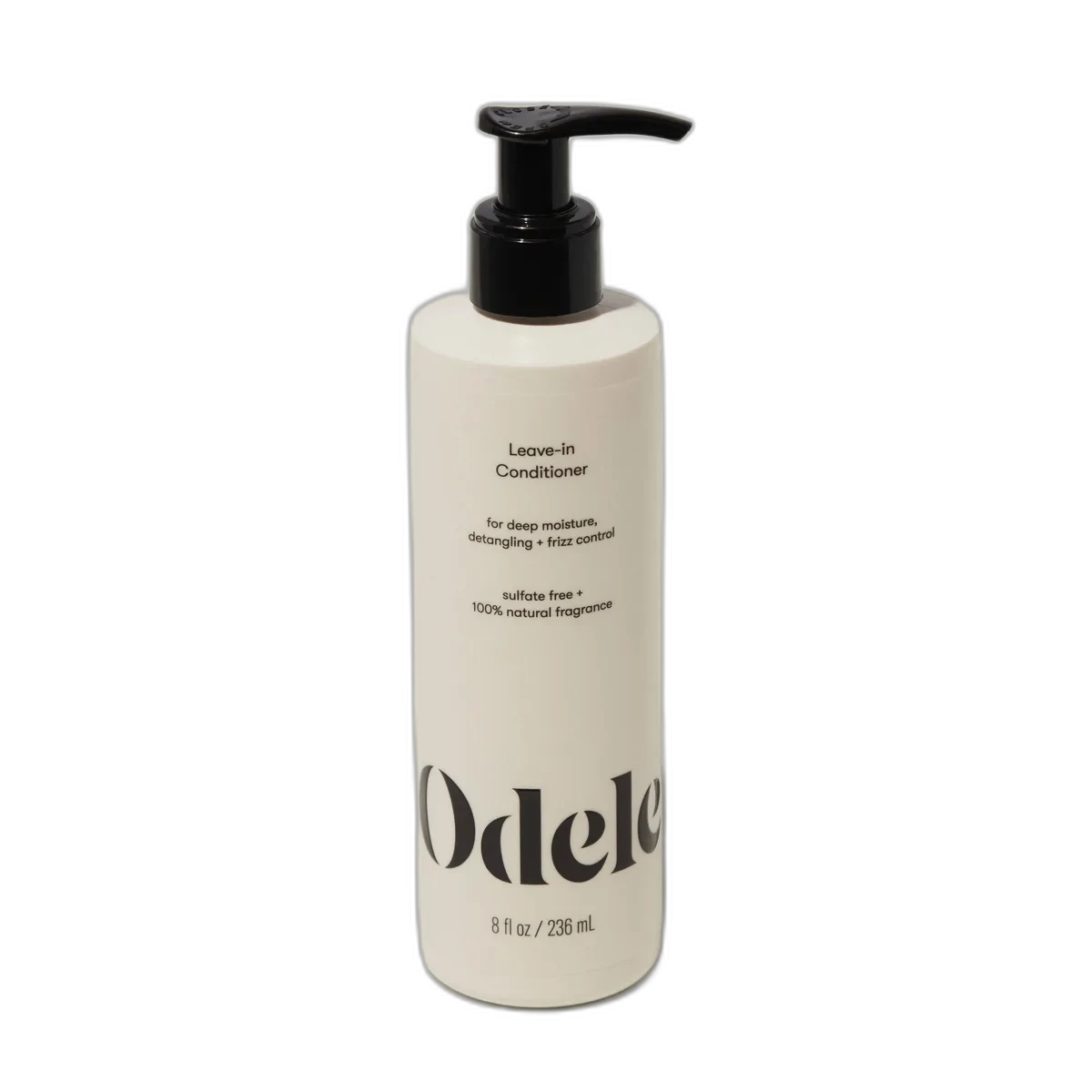
Leave-In Conditioner Spray
Everyday Detangling MVP
 Verified reviewer
Pros & cons.
- +Selective-deposition silicone adapts conditioning to each hair strand's damage level
- +Genuinely lightweight formula that works for fine hair without weighing it down
- +Immediate and dramatic detangling effect from first application
- +Hydrolyzed rice protein provides cumulative strengthening over time
- +Excellent value at $11.99 for salon-concept formulation technology
- +Vegan, cruelty-free, and free from sulfates, parabens, and phthalates
- +Third-party lab tested for frizz control lasting up to 24 hours
- −Contains fragrance and alcohol that may not suit very sensitive scalps
- −May not provide sufficient moisture for very thick or coarse hair types alone
- −Spray mechanism can occasionally be inconsistent in mist quality
- −Lightweight formula means heavy conditioning needs require supplemental products
- −Contains silicone which some consumers prefer to avoid in leave-in products
The full review.
The leave-in conditioner market has a credibility problem. Most products in this category promise to work for all hair types, but the reality is that a formula rich enough to detangle 4C curls will flatten fine straight hair into a lifeless sheet, and anything light enough for fine hair will do approximately nothing for coarse, thick textures. It is one of the hardest product categories to formulate universally, which is why most serious hair care brands just make different versions for different hair types.
Odele took a different approach, and the technical reason it works is worth understanding. The key ingredient is amodimethicone, a modified silicone with a genuinely clever property: it selectively deposits on damaged areas of the hair shaft rather than coating everything uniformly. Hair with more damage (from heat styling, coloring, or environmental exposure) picks up more of the silicone, while healthy sections pick up less. The result is a conditioning effect that automatically calibrates itself to what each section of your hair actually needs. This is not marketing language — it is a documented property of amino-functional silicones that has been utilized in professional hair care for years.
The supporting formula keeps things lean and purposeful. Propanediol, a corn-derived humectant, sits high in the ingredient list and provides genuine moisture rather than just surface slipperiness. Hydrolyzed rice protein adds something most leave-ins skip entirely: structural reinforcement. Those small protein molecules penetrate the hair cortex during the extended contact time a leave-in provides, filling in weak spots and improving resistance to breakage over time. This is a cumulative benefit — you will not notice it on day one, but after a few weeks of consistent use, your hair handles mechanical stress better.
Amaranthus caudatus seed extract, the same botanical Odele uses across its line, contributes squalene-rich conditioning with a focus on shine. And behentrimonium chloride — the cationic workhorse — is what makes the immediate detangling effect so dramatic. It binds to the negatively charged surface of wet hair and reduces friction between strands to the point where a wide-tooth comb glides through hair that would otherwise be a tangled catastrophe.
In practice, the first thing you notice is how light this product feels. Spray it onto damp hair and it has almost the consistency of water — no heaviness, no obvious residue. There is a moment of doubt for anyone accustomed to thicker leave-in creams. Then you pick up a comb and realize the detangling is immediate and effortless. Hair that was knotted five seconds ago is suddenly cooperative. This is particularly impressive on children’s fine, tangle-prone hair, which several reviewers specifically praise.
The frizz control holds up well through a full day. Odele cites third-party lab testing showing frizz reduction for up to 24 hours, which aligns with real-world experience. The PVP and maltodextrin/VP copolymer provide light film-forming hold that tames flyaways without any crunch or stiffness. Curls get definition and bounce rather than being weighed down. Straight hair gets smoothness without limpness.
The scent matches the rest of the Odele line — cucumber, ylang ylang, and oak moss in a natural fragrance blend that reads as fresh spa water. It is pleasant and fades quickly, which is a positive for anyone who dislikes lingering fragrance in their hair. That said, it is still fragrance, and the formula also contains alcohol (listed near the end, so at low concentration), which means very sensitive scalps should proceed with awareness.
The honest limitation is that this is a lightweight leave-in. If your hair is very thick, very coarse, or extremely dry, this product alone may not provide enough conditioning power. It works beautifully on fine-to-medium textures and as a detangling layer for thicker hair, but it is not a substitute for a rich leave-in cream or hair mask for severely moisture-deprived hair.
At $11.99 for eight ounces — with a 32-ounce size available for those who go through it quickly — the value proposition is strong. This is salon-concept technology (selective-deposition silicone, protein reinforcement) at mass-market pricing. For most people, it is the only leave-in they need.
Ingredient analysis.
Full INCI list
Water, Propanediol, Cetearyl Alcohol, Amodimethicone, Amaranthus Caudatus Seed Extract, Hydrolyzed Rice Protein, Behentrimonium Chloride, Maltodextrin/VP Copolymer, PVP, Cetrimonium Chloride, Ethylhexylglycerin, Trideceth-12, Alcohol, Phenoxyethanol, Fragrance
Skin match.
The science.
The Science
The most technical aspect of this formula is how amodimethicone deposits selectively. Non-functional silicones like dimethicone coat the hair shaft uniformly, but amodimethicone has amino groups that carry a positive charge at acidic to neutral pH. These positive charges attract to the most negatively charged areas of the hair surface—the damaged regions where the cuticle is lifted or missing. A 2007 study in the Journal of Cosmetic Science by Berthiaume et al. shows that amino-functional silicones deposit on chemically damaged hair more than virgin hair, confirming this selective conditioning mechanism.
Hydrolyzed rice protein reinforces hair structure through a known mechanism. The low-molecular-weight protein fragments (typically 1,000-10,000 Daltons) are small enough to enter the hair cortex, where they form hydrogen bonds and hydrophobic interactions with the keratin matrix. Research in the International Journal of Cosmetic Science shows protein treatments can increase wet tensile strength by up to 10% and reduce breakage during combing. Because this is a leave-in format with extended contact time, the protein penetrates more than in rinse-out conditioners.
Behentrimonium chloride acts as the primary detangling agent via electrostatic adsorption. Its C22 alkyl chain provides conditioning while its quaternary ammonium group binds to the hair surface. Studies show cationic conditioning agents reduce the coefficient of friction between hair fibers by 40-60%, making combing easier and reducing mechanical damage during styling.
Dermatologist Perspective
Dermatologists and trichologists support leave-in conditioners for hair health, especially for patients with breakage, frizz, or post-chemical-treatment dryness. Board-certified dermatologists note that leave-in products offer longer conditioning contact time than rinse-out formulas. The protein in this formula meets clinical recommendations for strengthening damaged hair. However, dermatologists treating patients with contact sensitivities advise patch-testing any product containing fragrance, and they note the low alcohol content can irritate inflamed or compromised scalps.
Where it fits in your routine.
Spray generously onto damp, towel-dried hair from mid-shaft to ends. Skip the roots to keep volume. To detangle, spray section by section and use a wide-tooth comb from ends upward. Use on dry hair to fix frizz or refresh second-day styles. For curly hair, scrunch sprayed sections to define curls. Do not rinse.
At $11.99 for 8 ounces, Odele's Leave-In Conditioner is budget-friendly but uses formulation technology found in $20-30 salon leave-ins. Professional brands charge more for selective-deposition silicone and hydrolyzed protein. A 32-ounce refill size costs approximately $25, lowering the per-ounce price for regular users. For daily use, the cost per application is under fifty cents. This price is hard to beat for the detangling power, protein reinforcement, and frizz control it provides.
This works for anyone with daily tangles, frizz, or brittle hair—including parents detangling children's hair or adults managing heat-damaged or color-treated strands. It suits fine-to-medium hair textures that find most leave-in conditioners too heavy.
People with very thick, coarse hair that needs heavy-duty leave-in moisture will likely need a more substantial option. Those with extreme fragrance sensitivity or who strictly avoid silicones should look elsewhere.
Product details.
All Year Certifications Cruelty-FreeVegan
The backstory.
Odele built its leave-in conditioner to fill what the founders saw as a gap in the mass-market: a product that could genuinely serve all hair textures without requiring different formulations for straight, wavy, curly, and coily hair. The key was using a selective-deposition silicone that naturally adjusts its conditioning effect based on the level of damage present on each hair strand.
About Odele
Established Brand (5–20 years)Lindsay Holden, Shannon Kearney, and Britta Chatterjee founded Odele in 2019 in Minneapolis. The brand launched exclusively at Target in January 2020. Odele now has over $30 million in annual sales and sells at Ulta and CVS. It provides salon-quality formulations at mass-market prices.
Common myths.
Silicones in leave-in conditioners cause buildup that damages hair over time.
Amodimethicone is a modified silicone designed to prevent heavy buildup. Unlike dimethicone, it deposits selectively on damaged areas instead of coating the entire hair shaft uniformly. Gentle sulfate-free shampoos easily remove Amodimethicone, so normal washing frequency prevents buildup.
Leave-in conditioners make fine hair limp and greasy.
This formula uses a lightweight spray delivery and selective-deposition silicone technology to avoid weighing down fine hair. Apply it from mid-shaft to ends on damp hair to add manageability without losing volume.
FAQ.
Is Odele Leave-In Conditioner good for fine hair?
Yes — this is a top leave-in for fine hair. Its lightweight spray and selective-deposition silicone (amodimethicone) target damaged areas instead of coating all hair uniformly. Apply from mid-shaft to ends to detangle and smooth without adding weight or limpness.
Can I use Odele Leave-In Conditioner on curly hair?
The formula creates soft, flexible curls without crunchiness. Spray onto damp hair section by section and scrunch to form curls. Lab testing shows frizz control lasts up to 24 hours. For very thick curly hair, layer it with a thicker curl cream for more moisture.
Does Odele Leave-In Conditioner contain silicone?
Yes, it contains amodimethicone, a modified silicone. amodimethicone works differently than traditional silicones; it deposits selectively on damaged areas instead of coating the whole hair shaft. Gentle sulfate-free shampoos remove it easily. Normal washing frequency prevents buildup.
How often should I use Odele Leave-In Conditioner?
Use this product daily or after every wash. Apply to damp hair after washing for best results. You can also use it on dry hair between washes to refresh or fix frizz. Use it as often as you want — the lightweight formula does not cause buildup with regular use.
Is Odele Leave-In Conditioner safe for color-treated hair?
Yes. The formula is sulfate-free and gentle for color-treated hair. Conditioning agents seal the hair cuticle to help preserve color longevity. All Odele products are labeled color-safe.
What the community says.
"Lightweight formula does not weigh down fine hair"
"Excellent detangling with a single application"
"Pleasant natural scent that is not overpowering"
"Defines curls without crunchiness or stiffness"
"Contains fragrance which may irritate sensitive scalps"
"Alcohol is present in the formula"
"Spray mechanism can be inconsistent"
"May not provide enough moisture for very coarse or thick hair types"