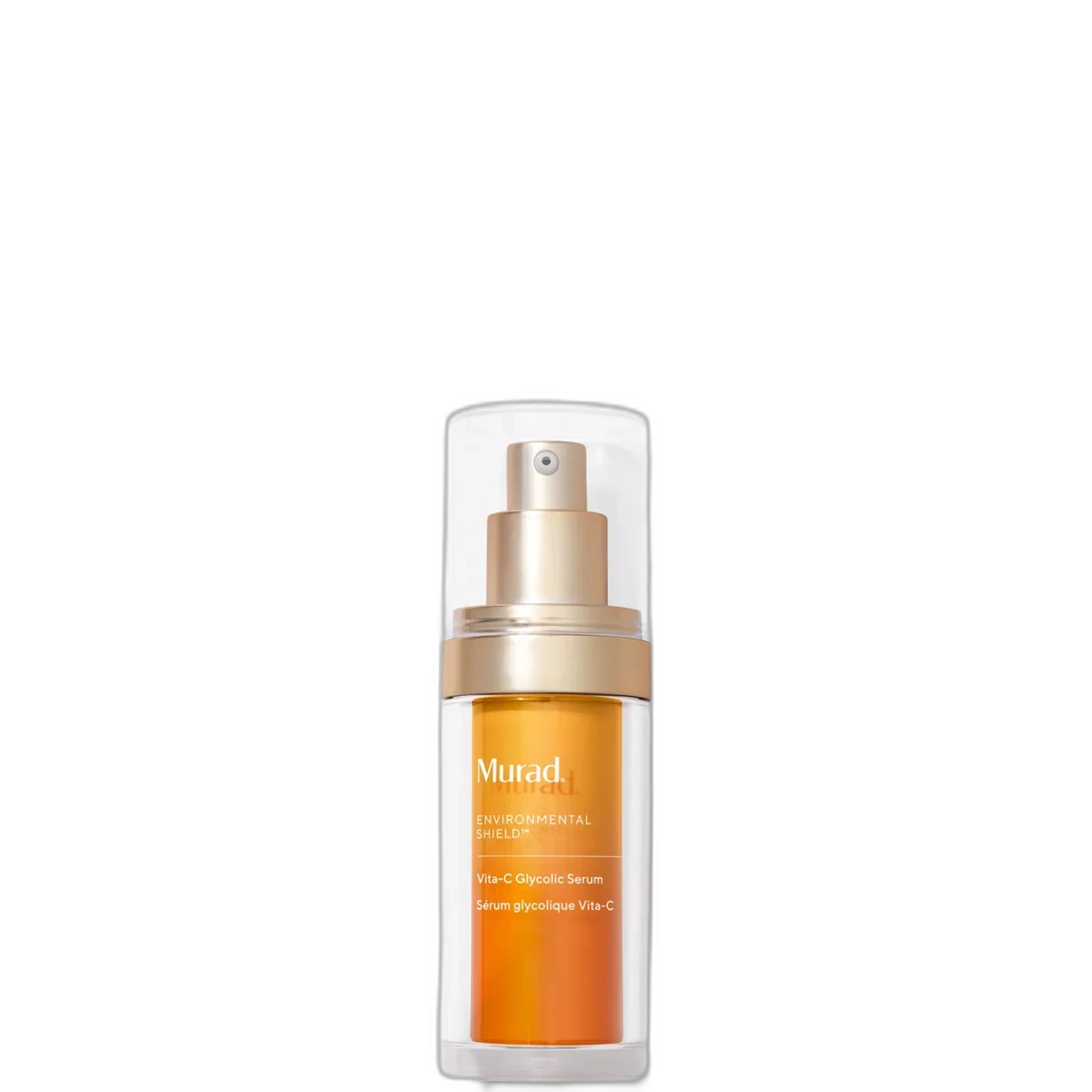
Vita-C Glycolic Brightening Serum
Gold-Stabilized Brightener
 Verified reviewer
Pros & cons.
- +Dual-chamber packaging genuinely solves vitamin C oxidation and stability problems
- +Multi-pathway brightening from hexylresorcinol, glutathione, and dual vitamin C forms
- +Gentle glycolic acid concentration provides exfoliation without aggressive peeling
- +Fragrance-free formulation suitable for sensitive-adjacent skin types
- +Immediate luminous glow from light-reflecting particles alongside long-term treatment
- +Vegan and cruelty-free with Leaping Bunny certification
- +Glycolic acid enhances vitamin C penetration through strategic exfoliation
- −Ascorbic acid concentration (~0.7%) is well below clinically studied effective thresholds
- −At $58 for 1 oz, pricing is steep given the modest active concentrations
- −Some users report sticky texture and pilling under makeup or thicker products
- −Glycolic acid can cause redness and irritation for genuinely sensitive skin
- −Gold nanoparticle stabilization claims lack robust published clinical validation
The full review.
Vitamin C serums have a dirty secret: most of them are already half-oxidized by the time you pump them onto your palm. Pure ascorbic acid is notoriously unstable — it degrades when exposed to air, light, and even the water in its own formula. This is the problem Murad’s Vita-C Glycolic Brightening Serum set out to solve, and the solution is genuinely interesting: a dual-chamber airless pump that physically separates the vitamin C complex from the glycolic acid base until the exact moment you dispense it. It’s pharmaceutical thinking applied to a beauty product, and the engineering deserves credit regardless of whether the formula earns it.
The gold nanoparticles are the headline grabber, and they’re real — actual gold is listed in the INCI. Murad’s claim is that gold stabilizes the ascorbic acid and enhances cellular absorption. There’s some preliminary research supporting gold’s potential as a delivery vehicle in topical applications, though the evidence is early-stage and not specific to this concentration or formulation. It’s the kind of ingredient that’s genuinely intriguing but also carries the faint whiff of luxury marketing wrapped in science language.
Here’s where the honest assessment has to step in: the ascorbic acid concentration sits around 0.5-0.85%, which is well below the 5-20% range where most clinical studies demonstrate clear anti-aging and brightening benefits. Murad’s counterargument is that the gold stabilization and dual-chamber freshness mean more of the vitamin C arrives intact and bioavailable, so you need less. It’s a plausible theory, but it’s a theory — there aren’t published studies showing that sub-1% gold-stabilized ascorbic acid delivers equivalent results to higher-concentration traditional formulas.
The glycolic acid component is on more solid ground. At roughly 3.5%, it provides genuine but gentle exfoliation — enough to dissolve the dead cell layer that traps dull, uneven pigment at the surface, but not so aggressive that you’ll be dealing with visible peeling. The exfoliation also serves a strategic purpose: by clearing the stratum corneum, it creates a smoother path for the vitamin C to penetrate. The two actives genuinely complement each other rather than just sharing a bottle.
What elevates this formula beyond a simple vitamin C plus AHA combination is the supporting brightening complex. Hexylresorcinol is a tyrosinase inhibitor that has shown approximately 88% improvement in pigmentation in clinical testing — it attacks dark spots through a completely different mechanism than vitamin C, disrupting melanin production at the enzymatic level. Glutathione, the body’s master antioxidant, serves double duty here: it recycles oxidized vitamin C back to its active form and shifts melanin synthesis toward lighter pheomelanin. Terminalia ferdinandiana (Kakadu plum) extract adds another natural vitamin C source rich in ellagic acid. Together, these ingredients create a multi-pathway approach to brightening that’s genuinely more sophisticated than the vitamin C concentration alone would suggest.
The texture experience splits opinion. Most users find it lightweight and quick-absorbing with a pleasant luminous finish from the mica particles — you get an immediate visual brightening effect that’s cosmetic but psychologically satisfying. The slight glow makes this one of the few treatment serums that actually improves how you look immediately, not just over weeks. However, some users report a tacky phase during absorption and occasional pilling when layered under thicker products. Applying to slightly damp skin and allowing full absorption before layering helps.
The fragrance-free formulation is a welcome decision for a product containing chemical exfoliants, and the vegan, cruelty-free credentials are fully certified. The dual-chamber packaging is impressive but does make the product feel somewhat clinical — this isn’t the serum you display on your shelfie for the aesthetic.
Performance reports track closely with what the formulation would predict: rapid improvement in overall luminosity and texture (within 2 weeks for most users), more gradual but real improvement in dark spots and tone evenness (4-8 weeks), and some users noting that the gentle exfoliation has replaced their need for separate enzymatic peels. The glycolic acid and hexylresorcinol are doing most of the heavy lifting here — the vitamin C’s contribution at this concentration is likely more protective than transformative.
The value question is where this serum faces its toughest scrutiny. At $58 for 1 oz, you’re paying a premium for the dual-chamber technology and gold stabilization. If the low vitamin C concentration means you’re primarily getting a glycolic acid serum with supporting brighteners, the price feels steep compared to dedicated AHA products with better documented active concentrations. The innovation is real but the active payload is modest.
Formula
 ### Texture

 The texture experience splits opinion. Most users find it lightweight and quick-absorbing with a pleasant luminous finish from the mica particles — you get an immediate visual brightening effect that's cosmetic but psychologically satisfying. The slight glow makes this one of the few treatment serums that actually improves how you look immediately, not just over weeks. However, some users report a tacky phase during absorption and occasional pilling when layered under thicker products. Applying to slightly damp skin and allowing full absorption before layering helps.

 ### Scent

 The fragrance-free formulation is a welcome decision for a product containing chemical exfoliants, and the vegan, cruelty-free credentials are fully certified.

 ### Packaging

 The dual-chamber packaging is impressive but does make the product feel somewhat clinical — this isn't the serum you display on your shelfie for the aesthetic.

 ### Common Praise

 Performance reports track closely with what the formulation would predict: rapid improvement in overall luminosity and texture (within 2 weeks for most users), more gradual but real improvement in dark spots and tone evenness (4-8 weeks), and some users noting that the gentle exfoliation has replaced their need for separate enzymatic peels. The glycolic acid and hexylresorcinol are doing most of the heavy lifting here — the vitamin C's contribution at this concentration is likely more protective than transformative.

 ### Common Complaints

The value question is where this serum faces its toughest scrutiny. At $58 for 1 oz, you're paying a premium for the dual-chamber technology and gold stabilization. If the low vitamin C concentration means you're primarily getting a glycolic acid serum with supporting brighteners, the price feels steep compared to dedicated AHA products with better documented active concentrations. The innovation is real but the active payload is modest.Ingredient analysis.
Full INCI list
Water/Aqua/Eau, Glycolic Acid, Glycerin, Caprylic/Capric Triglyceride, Dimethicone, Sodium Hydroxide, HDI/Trimethylol Hexyllactone Crosspolymer, Diisopropyl Sebacate, C13-16 Isoparaffin, Polyacrylate Crosspolymer-6, Dimethyl Isosorbide, Ascorbic Acid, Urea, Yeast Amino Acids, Trehalose, Inositol, Taurine, Betaine, Glutathione, Tetrahexyldecyl Ascorbate, Cetearyl Isononanoate, Hydroxyethyl Acrylate/Sodium Acryloyldimethyl Taurate Copolymer, Oleyl Alcohol, Silica, Hexylresorcinol, Polysilicone-11, Triheptanoin, Polyisobutene, Marrubium Vulgare Meristem Cell Culture, Zanthoxylum Bungeanum Fruit Extract, Hydrolyzed Verbascum Thapsus Flower, Butylene Glycol, Mica, Hexylene Glycol, Sodium Surfactin, Xymenynic Acid, Tocopheryl Acetate, PEG-7 Trimethylolpropane Coconut Ether, Terminalia Ferdinandiana Fruit Extract, Sorbitol, Tin Oxide, Xanthan Gum, T-Butyl Alcohol, Chlorella Vulgaris Extract, Decyl Glucoside, Gold, Citric Acid, Caprylyl Glycol, Phenoxyethanol, Ethylhexylglycerin, Sodium Benzoate, Potassium Sorbate, Titanium Dioxide (CI 77891)
Skin match.
The science.
The Science
This brightening strategy uses multiple biochemical pathways. Glycolic acid has a molecular weight of 76 g/mol, making it the smallest alpha hydroxy acid. It penetrates the stratum corneum to weaken intercellular bonds between corneocytes. A review in Dermatologic Surgery (Kornhauser et al., 2010) shows that glycolic acid at 2-5% concentrations exfoliates and improves skin texture without the aggressive side effects of higher concentrations used in professional peels.
The vitamin C delivery uses two forms with different penetration profiles. L-ascorbic acid is water-soluble and works in the aqueous compartments of the epidermis. Tetrahexyldecyl ascorbate is lipid-soluble and penetrates the lipid matrix of the stratum corneum more effectively. A study in the Journal of Cosmetic Dermatology (Al-Niaimi & Chiang, 2017) shows vitamin C derivatives provide antioxidant benefits and inhibit melanogenesis, though L-ascorbic acid typically needs 10-20% for optimal results.
Hexylresorcinol brightens by inhibiting tyrosinase, the rate-limiting enzyme in melanin synthesis. Research in the Journal of Cosmetic Science (Amer & Metwalli, 2000) shows hexylresorcinol has significant skin-lightening effects via tyrosinase inhibition and free radical scavenging. Using hexylresorcinol alongside vitamin C creates redundancy in the brightening pathway; if one mechanism underperforms, the other compensates.
Glutathione acts as a thiol antioxidant that shifts melanin production from darker eumelanin toward lighter pheomelanin, as documented in the Journal of Dermatological Science (Villarama & Maibach, 2005). It also recycles oxidized vitamin C back to its reduced, active form, which extends the functional life of the ascorbic acid in the skin.
References
- Hydroxy acids and retinoids in cosmetics — Dermatologic Surgery (2010)
- Topical Vitamin C and the Skin: Mechanisms of Action and Clinical Applications — Journal of Clinical and Aesthetic Dermatology (2017)
- Glutathione and its antiaging and antimelanogenic effects — Clinical, Cosmetic and Investigational Dermatology (2017)
Dermatologist Perspective
Dermatologists see the theoretical appeal of combining glycolic acid with vitamin C for brightening; exfoliation improves penetration while the antioxidant addresses pigmentation at the cellular level. However, board-certified dermatologists note the sub-1% ascorbic acid concentration in this formula is below the thresholds in most clinical literature. The multi-ingredient brightening approach with hexylresorcinol and glutathione partially compensates, and dermatologists acknowledge the dual-chamber stabilization system is a genuine advancement in vitamin C delivery technology. Dermatologists most commonly recommend this product for patients seeking gentle brightening and texture improvement rather than aggressive hyperpigmentation treatment.
Where it fits in your routine.
Apply 1-2 pumps to clean, dry skin at night. Press and spread it across the face, avoiding the eye area. Wait 1-2 minutes for full absorption before you apply moisturizer. Use it every other night during the first week to test tolerance, then use it nightly. If you use it in the morning, always follow with broad-spectrum SPF 30 or higher. Do not use on broken, irritated, or freshly waxed skin. Do not combine with other AHAs, retinoids, or additional vitamin C products in the same routine.
At $58 for 1 oz, this serum sits in an awkward middle ground. The dual-chamber packaging and gold stabilization technology are innovative and increase manufacturing costs. However, the low vitamin C concentration means the glycolic acid and supporting brighteners provide the main active benefits—ingredients found in higher concentrations for less money. One bottle lasts 2-3 months, costing roughly $0.65-1.00 per use. Murad's dermatologist heritage and the clever packaging partially justify the premium, but value-conscious consumers may find the innovation-to-active-payload ratio favors marketing over substance.
This product suits anyone with dull, uneven skin tone seeking multiple brightening actives in one formula. It works for users who face vitamin C serum oxidation issues and want a stability-engineered solution, or those wanting gentle chemical exfoliation and brightening in one step.
Glycolic acid causes irritation for those with sensitive skin or active rosacea. This formula works for anyone seeking clinical-strength vitamin C concentration to treat aggressive hyperpigmentation. Budget-conscious shoppers find more concentrated actives at lower price points. Pregnant individuals avoid this formula because it contains glycolic acid.
Product details.
Lightweight gel-cream serum contains mica particles for a slight luminous quality. It spreads easily and absorbs quickly, though some users report a mild tacky phase before full absorption.
Fragrance-free — minimal scent from raw ingredients only.
A dual-chamber airless pump separates the vitamin C complex from the glycolic acid base until dispensing. This minimizes oxidation and ensures each use is fresh and potent. The opaque container protects light-sensitive vitamin C.
The glycolic acid causes a mild tingling sensation during first applications; this is normal and subsides within a minute. Light-reflecting particles show an immediate subtle glow. Some users see slight redness during the first week as skin adjusts to the AHA. Full adjustment occurs within 1-2 weeks.
2-3 months with nightly face application
12 months
All Year
The backstory.
Murad developed this serum to solve two persistent problems with vitamin C products: stability degradation over time and the incompatibility of combining pure vitamin C with exfoliating acids in a single formula. The dual-chamber design was the engineering solution — keeping the actives physically separated until the pump mixes them fresh for each application, a concept borrowed more from pharmaceutical delivery than traditional cosmetics.
About Murad
Established Brand (5–20 years)Dr. Howard Murad, a board-certified dermatologist and Associate Clinical Professor of Medicine at UCLA, founded Murad in 1989. Unilever acquired the brand in 2015. Murad uses decades of formulation expertise to provide a clinically driven skincare line.
Common myths.
Vitamin C and glycolic acid cancel each other out, so do not combine them.
Combining them in one unstable solution causes issues, so this formula uses a dual-chamber system to separate them until dispensing. Both actives work at low pH. Glycolic acid exfoliates the dead cell layer, which increases vitamin C penetration.
Higher vitamin C concentrations always yield better results.
This formula uses less pure ascorbic acid, but gold nanoparticles stabilize it. It also adds tetrahexyldecyl ascorbate (oil-soluble vitamin C) for multi-pathway delivery. Concentration matters, but stability and bioavailability matter too — a 20% vitamin C that has oxidized works less effectively than a stable, well-delivered lower dose.
FAQ.
Can I use Murad Vita-C Glycolic Brightening Serum in the morning?
Use it in the morning before SPF 30+, but evening use is better because glycolic acid increases photosensitivity. If you use it in the AM, use sun protection to prevent UV damage and dark spot worsening.
Is the vitamin C concentration in Murad Vita-C effective?
The pure ascorbic acid concentration is lower than the 5-20% range studied for anti-aging. But the gold-stabilized delivery system and supplemental tetrahexyldecyl ascorbate work to increase bioavailability. The formula's brightening power comes from glycolic acid, hexylresorcinol, and glutathione working with the vitamin C.
Can I use retinol with Murad Vita-C Glycolic Brightening Serum?
Do not use these in the same routine. Combining glycolic acid and retinol causes irritation and barrier compromise. Alternate nights between this serum and your retinol product, or use this serum in the morning (with SPF) and retinol at night.
How long does the dual-chamber packaging keep the vitamin C fresh?
The dual-chamber system keeps ascorbic acid physically separate from other ingredients until dispensing to prevent oxidation. This extends the active life of the vitamin C more than single-chamber serums, but use the product within 12 months of opening.
Will Murad Vita-C Glycolic cause purging?
The glycolic acid accelerates cell turnover and brings existing congestion to the surface faster. You may experience mild purging during the first 1-2 weeks, especially in breakout-prone areas. If new breakouts persist beyond 4 weeks, the formula is not suitable for your skin.
Is Murad Vita-C Glycolic Brightening Serum safe during pregnancy?
This serum is not recommended during pregnancy because it contains glycolic acid. Low-concentration glycolic acid is lower-risk than retinoids, but most OB-GYNs recommend avoiding AHAs during pregnancy. It may be suitable during breastfeeding — consult your healthcare provider.
Does Murad Vita-C Glycolic work on dark spots?
The formula targets dark spots via multiple pathways: glycolic acid exfoliates pigmented surface cells, hexylresorcinol inhibits melanin production, and the vitamin C complex provides antioxidant protection against further pigmentation. Results take time; expect 4-8 weeks for measurable dark spot improvement.
Community
What the community says.
"Skin looks brighter and more radiant within 2 weeks"
"Spreads easily and absorbs quickly"
"Noticeable improvement in skin texture and smoothness"
"Fragrance-free formula"
"Innovative dual-chamber packaging keeps actives fresh"
"Can cause redness and irritation for sensitive skin types"
"Vitamin C concentration is below typical effective thresholds"
"Some users report a sticky feel after application"
"Can pill under foundation if not fully absorbed"
"Results for hyperpigmentation can be slow"
Featured in.
People also looked at.