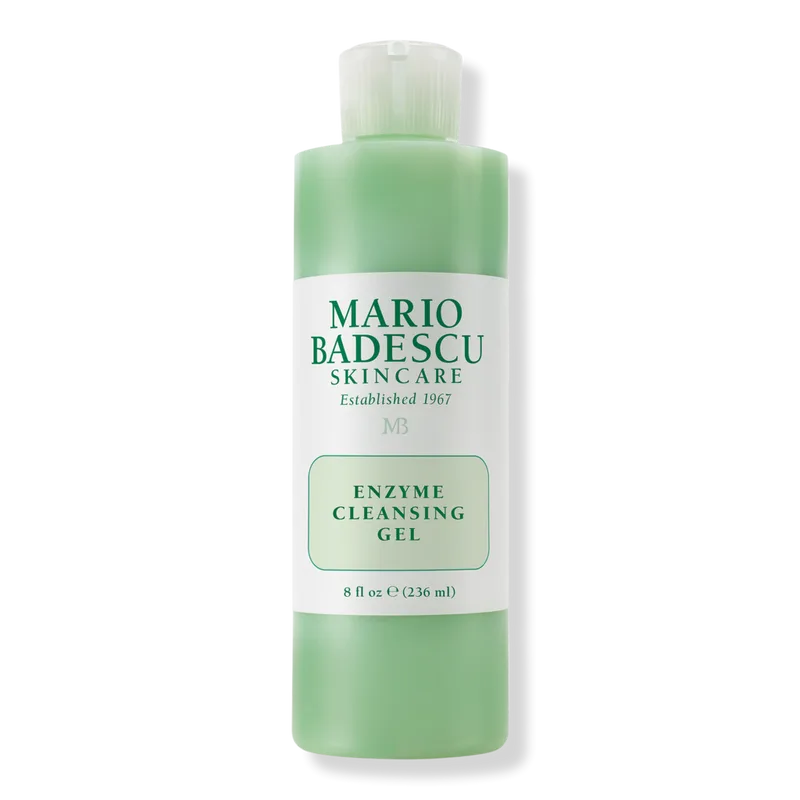
Enzyme Cleansing Gel
Spa Heritage Daily Essential
 Verified reviewer
Pros & cons.
- +Non-foaming gel cleanses effectively without stripping natural oils or leaving skin tight
- +Papaya enzymes provide gentle daily exfoliation that improves brightness over time
- +Glycerin-rich formula preserves skin hydration during the cleansing step
- +Excellent value at fifteen dollars for eight ounces with a larger sixteen-ounce option available
- +Sulfate-free and alcohol-free surfactant system is gentler than most foaming cleansers
- +Decades of consistent user loyalty with some reviewers documenting thirty-plus years of repurchase
- −Contains diazolidinyl urea (formaldehyde-releasing preservative) that ingredient-aware consumers may avoid
- −Added fragrance is unnecessary in a daily cleanser and limits use for sensitive skin
- −Methylparaben and propylparaben preservative system feels dated by current formulation standards
- −Cannot remove heavy makeup or waterproof sunscreen — requires a first cleanse step
- −PEG-8 stearate makes it unsuitable for those prone to fungal acne (Malassezia)
The full review.
There is a particular category of skincare product that does not make headlines, does not trend on TikTok, and does not inspire before-and-after posts. It just works, consistently and undramatically, until one day you realize you have been repurchasing it for five years. The Mario Badescu Enzyme Cleansing Gel lives in that category. Some reviewers at Space NK report over thirty consecutive years of use.
The gel itself is a light green, non-foaming formula that feels immediately different from the foaming cleansers most people are accustomed to. There are no suds, no lather, no squeaky-clean aftermath. You massage it onto damp skin, let it sit for a minute or two, and rinse. Your skin feels clean, soft, and slightly smoother — but the absence of foam can initially feel like the product is not doing its job. It is. The mild surfactant system built around PEG-8 stearate and a coconut-derived cocamide effectively lifts oil and surface debris without the lipid-stripping aggression of sulfate-based cleansers.
The enzyme angle is the product’s differentiator. Papaya fruit extract contains papain, a proteolytic enzyme that selectively breaks down keratin proteins in dead skin cells. The idea is that during the brief one-to-two-minute contact time, the papain gently dissolves the surface layer of cellular buildup that contributes to dullness, rough texture, and the general look of skin that has not been properly exfoliated. Grapefruit extract adds antioxidant flavonoids and traces of natural citric acid that complement the enzymatic action.
How much exfoliation actually occurs in a rinse-off format?
This is the honest question. Papain is well-documented as a keratin-degrading enzyme — studies confirm its proteolytic mechanism, and a 2021 review in Biology documented papaya extract’s ability to enhance collagen synthesis and reduce UV-induced oxidative stress. But most of that evidence applies to leave-on formats, concentrated papain preparations, or extended contact times. In a cleanser that sits on the skin for sixty to one hundred twenty seconds before being washed away, the enzymatic activity is real but gentle. This is not a chemical peel in disguise. It is a daily cleanser that provides a subtle, cumulative brightening benefit over weeks of consistent use.
Reality
Glycerin sits high in the formula — second ingredient after water — which is a meaningful signal. It means the cleanser was designed with hydration preservation in mind, not just soil removal. Your skin should not feel tight or parched after rinsing, and in practice, it does not. For oily and combination skin types, this balance of cleansing and hydration maintenance is well-calibrated.
Common Complaints
The formula does, however, show its age in places. Diazolidinyl urea — a formaldehyde-releasing preservative — sits in the ingredient list alongside methylparaben and propylparaben. These are not dangerous at the concentrations used in cosmetics, but they represent a preservative philosophy that most formulation-forward brands have moved past. The added fragrance is pleasant enough — a fresh, citrus-adjacent scent — but in 2026, fragrance in a daily cleanser for oily and potentially acne-prone skin feels like an unnecessary inclusion. Triethanolamine as a pH adjuster carries a minor nitrosamine formation risk flag that ingredient-conscious consumers may notice.
Not ideal for
None of these concerns make the product harmful. They make it dated. The Enzyme Cleansing Gel was formulated in an era when parabens were the standard preservative system and fragrance was an expected component of any skincare product. The formula has not evolved with the market, and for consumers who have been educated by newer brands about what does and does not need to be in a cleanser, the ingredient list can feel like a step backward.
Works for
What it does well, though, it does very well. The non-foaming cleansing experience is genuinely gentler than most alternatives in this price range. The enzyme-based brightening concept, while modest in a rinse-off format, provides a real quality-of-life improvement for skin that tends toward dullness and surface congestion. The pricing — around fifteen dollars for eight ounces, with a sixteen-ounce size available — makes it accessible and economical for daily twice-a-day use.
How to Use
The product is not a makeup remover. Waterproof sunscreen, foundation, and eye makeup will require a dedicated first cleanse with an oil or balm. Use the Enzyme Cleansing Gel as your second step in a double-cleansing routine, or as a standalone morning cleanser when no heavy products need to be removed.
Best for
For oily and combination skin types who want a daily cleanser that does slightly more than just clean — who want that gentle enzymatic polish without the irritation risk of daily AHA or BHA use — the Enzyme Cleansing Gel delivers. It is not the most sophisticated formula on the market. It is not the cleanest. But it has been quietly keeping skin bright and smooth for people who do not need to be sold on what is new, because they already found what works.
Ingredient analysis.
Full INCI list
Aqua (Water, Eau), Glycerin, Propylene Glycol, PEG-8 Stearate, PPG-2 Hydroxyethyl Cocamide, Carica Papaya (Papaya) Fruit Extract, Citrus Grandis (Grapefruit) Fruit Extract, Carbomer, Sodium Chloride, Parfum (Fragrance), Phenoxyethanol, Methylparaben, Propylparaben, Triethanolamine, Diazolidinyl Urea, Mica, CI 77891 (Titanium Dioxide), CI 19140 (Yellow 5), CI 42090 (Blue 1), CI 15985 (Yellow 6)
Skin match.
The science.
The Science
The Enzyme Cleansing Gel exfoliates using papain, a cysteine protease enzyme from papaya fruit extract. Papain works by cleaving peptide bonds in keratin proteins. This selectively dissolves dead corneocytes on the stratum corneum while leaving living keratinocytes intact. A 2025 review in Applied Sciences by Tran and colleagues confirmed papain's keratin hydrolysis capacity and its role in cosmetic formulations for gentle stratum corneum exfoliation.
A 2021 mini-review by Lopes de Oliveira and colleagues in Biology examined Carica papaya extracts. They found papaya leaf extract at 50 micrograms per milliliter increased type I collagen synthesis, suppressed matrix metalloproteinases, and reduced UVB-induced reactive oxygen species by approximately sixty percent. A fermented papaya preparation also improved skin moisturization, elasticity, and surface evenness in a clinical trial. However, these findings involve concentrated preparations with extended contact, not the one-to-two-minute exposure of a rinse-off cleanser.
Grapefruit extract provides antioxidant flavonoids. A 2025 study by Navarro and colleagues in the International Journal of Molecular Sciences found grapefruit extract combined with rosemary significantly attenuated UV-induced collagen and elastin reduction, though this study focused on leave-on applications rather than rinse-off formats.
Enzymatic exfoliation from papaya extract in a rinse-off cleanser is real but modest. Contact time limits the effect. Users maximize benefits by following the brand's recommendation to leave the gel on for one to two minutes before rinsing, but the effect remains cumulative and subtle rather than dramatic.
References
- Beneficial Role of Carica papaya Extracts and Phytochemicals on Oxidative Stress and Related Diseases: A Mini Review — Biology (Basel) (2021)
- Proteolytic Enzyme Activities of Bromelain, Ficin, and Papain from Fruit By-Products and Potential Applications in Sustainable and Functional Cosmetics for Skincare — Applied Sciences (2025)
Dermatologist Perspective
Dermatologists see enzyme-based cleansers as a gentle alternative to chemical or physical exfoliants for patients who cannot tolerate AHAs, BHAs, or retinoids. Board-certified dermatologists note papain's proteolytic mechanism is legitimate, but the brief contact time in a rinse-off cleanser limits clinical impact. The product's surfactant system is mild and unlikely to disrupt the skin barrier with daily use, which dermatologists view as a positive for oily and combination skin types. However, the fragrance and formaldehyde-releasing preservative (diazolidinyl urea) would typically lead a dermatologist to suggest fragrance-free alternatives for patients with any skin reactivity.
Where it fits in your routine.
Massage a small amount onto damp skin in circular motions, avoiding the eye area. Leave on for one to two minutes before rinsing with warm water to maximize enzyme benefit. Use morning and evening. The cleanser works alone in the morning. In the evening, use an oil-based first cleanse if you wear makeup or waterproof sunscreen. Follow with toner, treatment products, and moisturizer.
At approximately fifteen dollars for eight ounces, the Enzyme Cleansing Gel costs less than prestige cleansers but more than drugstore basics. A sixteen-ounce option offers better per-ounce value. Using the product twice daily, the eight-ounce size lasts approximately two to three months, keeping ongoing costs low. For a brand with nearly sixty years of heritage and a New York spa pedigree, the price is accessible and the daily performance justifies the modest premium over mass-market gel cleansers.
This works for oily or combination skin seeking a daily cleanser that improves brightness and texture without the irritation risk of chemical exfoliants. If you prefer a non-foaming texture, want affordability, and are not sensitive to fragrance or parabens, this is a reliable everyday workhorse.
Skip this if you have sensitive skin, fragrance sensitivities, or concerns about formaldehyde-releasing preservatives. Skip this if you have fungal acne or need a cleanser that removes heavy makeup alone. Users seeking clean or minimalist formulations will find the ingredient list outdated.
Product details.
Lightweight, soft green gel with a non-foaming, non-lathering consistency. It feels more watery than a thick gel. The gel spreads easily on damp skin without suds.
The added parfum gives a fresh, citrus-adjacent fragrance. It is noticeable but not heavy; some reviewers call it refreshing, while others say it lingers after rinsing.
A pump bottle dispenses a controlled amount. It comes in 8 oz and 16 oz sizes; the 16 oz size is the value option.
The non-foaming texture feels different than lathering cleansers. You may feel 'not quite clean' for a brief adjustment period because it does not produce suds. After a few days, most users like the gentler cleansing experience. Skin feels smooth and slightly brightened after the first wash.
2-3 months with twice-daily use (8 oz size)
12 months
All Year
The backstory.
Born from Mario Badescu's New York City salon, where estheticians needed a daily cleanser that could subtly improve skin texture between professional treatments. The enzyme concept reflects the brand's European aesthetic tradition — using fruit-derived proteolytic enzymes rather than harsh physical scrubs or high-concentration chemical exfoliants. It has been a quiet best-seller for the brand, with some reviewers documenting over thirty years of consecutive repurchase.
About Mario Badescu
Legacy Brand (20+ years)Mario Badescu started in 1967 in New York City. It built its reputation through its professional skincare salon and accessible product line. The Enzyme Cleansing Gel is a long-standing best seller and major US retailers have carried it for over a decade.
Common myths.
The enzyme cleanser exfoliates as much as a chemical peel or AHA/BHA product.
The papaya fruit extract exfoliates more mildly than dedicated AHA/BHA products. In a rinse-off format with one to two minutes of contact time, the enzyme activity works gently and cumulatively instead of resurfacing skin dramatically. This is a daily-use brightening cleanser, not a replacement for chemical exfoliants.
Non-foaming cleansers do not clean as effectively as foaming ones.
Foam is a sensory cue, not a measure of cleansing efficacy. The mild surfactant system (PEG-8 stearate and PPG-2 hydroxyethyl cocamide) lifts oil and surface debris without the stripping action of sulfate-based foaming agents. It does not remove heavy makeup or waterproof SPF alone.
FAQ.
Does the Enzyme Cleansing Gel actually exfoliate?
The papaya fruit extract has papain, a proteolytic enzyme that breaks down keratin in dead skin cells. In a rinse-off format with one to two minutes of contact time, the exfoliation is gentle and cumulative. It works as a daily brightening boost rather than a substitute for dedicated chemical exfoliants.
Can I use the Enzyme Cleansing Gel to remove makeup?
This cleanser does not remove heavy makeup or waterproof sunscreen alone. Use it as a second cleanse after an oil-based cleanser or micellar water. It works well as a standalone morning cleanser when you do not need to remove heavy products.
Is the Mario Badescu Enzyme Cleansing Gel good for sensitive skin?
This formula has added fragrance, diazolidinyl urea (a formaldehyde-releasing preservative), and parabens, which can irritate sensitive skin. People with reactive or easily irritated skin should patch test first or use a fragrance-free, simpler-formulated cleanser.
How long should I leave the Enzyme Cleansing Gel on my face?
The brand recommends massaging the product onto damp skin and leaving it for one to two minutes before rinsing. This gives the papaya enzymes time to work. This short contact time provides gentle enzymatic action without over-exfoliating.
Is the Mario Badescu Enzyme Cleansing Gel safe for fungal acne?
No — the formula has PEG-8 Stearate, which is unsafe for Malassezia folliculitis (fungal acne). People prone to fungal acne should use a cleanser without PEG esters or fatty acid esters.
What the community says.
"Leaves skin clean without tightness or stripped feeling"
"Noticeably improves skin brightness and dullness over time"
"Non-foaming formula feels gentle and different from typical cleansers"
"Affordable for a New York spa heritage brand"
"Long-time repeat purchase product with decades of loyal users"
"Contains parabens and diazolidinyl urea that concern clean-beauty shoppers"
"Added fragrance lingers after rinsing and is unsuitable for sensitive skin"
"Not effective at removing heavy makeup or waterproof sunscreen alone"
"Some users report breakouts possibly tied to PEG-8 stearate"
"Enzymatic exfoliation claims are hard to verify in a brief rinse-off format"
Featured in.
People also looked at.