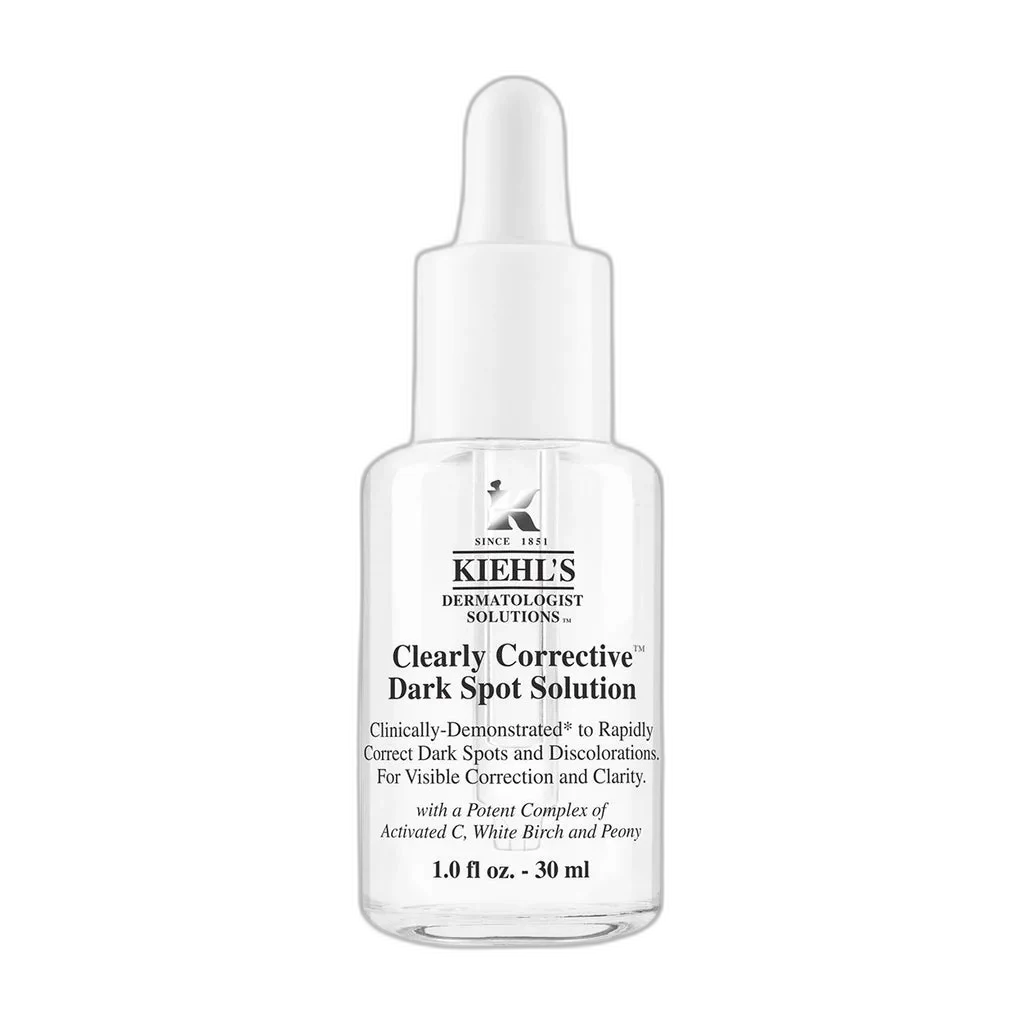
Clearly Corrective Dark Spot Correcting Serum
Dark Spot Corrector Workhorse
 Verified reviewer
Pros & cons.
- +Multi-pathway brightening approach combines vitamin C, exfoliation, and Proxylane skin densification
- +Stable 3-O-Ethyl Ascorbic Acid won't oxidize in the bottle over months of use
- +Strong clinical data: 97% of 104 subjects showed visible hyperpigmentation reduction at 12 weeks
- +Lightweight, fast-absorbing texture layers effortlessly under sunscreen and makeup
- +Salicylic acid addition makes it effective for both dark spots and pore congestion
- +L'Oréal-patented Proxylane technology not widely available in competitor products
- +Available in three sizes including a 0.5 oz trial for cautious first-timers
- −Alcohol Denat in fourth position can be drying for compromised or very dry skin
- −Lavender oil is a known sensitizer — questionable in a post-inflammatory hyperpigmentation serum
- −Results require 8-12 weeks of consistent use — not a quick fix
- −Premium price of $65 per ounce in a competitive brightening serum market
- −Vitamin C concentration not disclosed — difficult to compare potency with competitors
The full review.
Most dark spot serums use one method: suppress melanin. They add vitamin C, niacinamide, or arbutin to target tyrosinase inhibition. Kiehl’s Clearly Corrective uses a different strategy. It contains vitamin C—a stable 3-O-Ethyl Ascorbic Acid derivative Kiehl’s calls Activated C—but its main driver is Hydroxypropyl Tetrahydropyrantriol, or Proxylane.
Proxylane is a L’Oréal-patented molecule from beechwood sugar that stimulates glycosaminoglycan production in the dermal matrix. This plumps and densifies the skin. This helps dark spots indirectly. Hyperpigmentation looks worse on thin skin because less healthy tissue dilutes the melanin. By increasing skin density and volume around dark spots, Proxylane makes them less visible without suppressing melanin. It attacks the problem from a new angle.
The vitamin C handles traditional brightening. 3-O-Ethyl Ascorbic Acid is less potent than pure L-ascorbic acid, but it has a key advantage for daily use: stability. It won’t oxidize in your cabinet or turn the serum brown after two months, so it maintains tyrosinase-inhibiting activity throughout the product’s lifespan. This stability matters for a product requiring 12 weeks of consistent use.
Salicylic acid is the third active, providing gentle exfoliation to accelerate pigmented surface cell turnover. This exfoliant clears pores and removes dark spots one cell layer at a time. It also works for people with both post-acne marks and active congestion, a combination many brightening serums ignore.
The clinical data is robust for this category. A 12-week study on 104 subjects showed 97 percent visible reduction in hyperpigmentation, 97 percent visible reduction in dark spots, and 87 percent visible reduction in post-acne marks. A smaller study on 17 women showed a 49 percent reduction in hyperpigmentation and a 39 percent reduction in dark-spot color. These are specific numbers from controlled testing, not generic vitamin C research.
The texture is thin, watery, and invisible seconds after application. It is not sticky, does not pill, and does not interfere with sunscreen or makeup. The lavender scent is mild and disappears as the serum absorbs.
The formula has compromises. Alcohol Denat is fourth in the ingredient list, meaning it is at a high concentration. This helps the fast-absorbing texture and active penetration, but the alcohol can cause tightness and dehydration in very dry or compromised skin. Using a hydrating toner underneath and a moisturizer on top mitigates this.
The lavender oil is more concerning. Even at low concentrations, lavender oil contains linalool and other recognized sensitizers. Since this serum targets post-inflammatory hyperpigmentation—a condition often triggered by irritation—including a known sensitizer is a questionable formulation choice.
At $65 for one ounce, this is a prestige brightening serum. The price reflects the clinical testing, patented Proxylane technology, and stable vitamin C, which offer more sophistication than most drugstore brightening serums. The 1.7 oz size has better per-ounce value for repeat users.
If you have stubborn hyperpigmentation, sun damage, or post-acne marks and commit to 12 weeks of consistent use with daily sunscreen, this serum works. The multi-pathway approach—melanin suppression, exfoliation, and skin densification—addresses dark spots more comprehensively than single-active alternatives. It is not the gentlest option, but for skin that tolerates the alcohol and lavender, the results justify the formula.
Formula
Ingredient analysis.
Full INCI list
Aqua/Water, Propylene Glycol, Glycerin, Alcohol Denat, PEG/PPG/Polybutylene Glycol-8/5/3 Glycerin, Hydroxypropyl Tetrahydropyrantriol, 3-O-Ethyl Ascorbic Acid, PPG-6-Decyltetradeceth-30, Phenoxyethanol, Salicylic Acid, Xanthan Gum, Hydroxyethylcellulose, Potassium Hydroxide, Citric Acid, Sodium Citrate, Tocopheryl Acetate, Lavandula Angustifolia Oil/Lavender Oil, Disodium EDTA, Adenosine, Linalool, Butylene Glycol, Tocopherol, Citrus Aurantium Tachibana Peel Extract, Paeonia Suffruticosa Root Extract
Skin match.
The science.
The Science
This serum uses a three-pronged approach — melanin inhibition, exfoliation, and dermal densification — to target how hyperpigmentation forms and stays.
3-O-Ethyl Ascorbic Acid is a lipophilic vitamin C derivative that inhibits tyrosinase, the rate-limiting enzyme in melanin synthesis. A 2019 study in the Journal of Cosmetic Dermatology (Matsuda et al.) shows 3-O-Ethyl Ascorbic Acid penetrates skin better than ascorbic acid glucoside and keeps inhibiting melanocyte tyrosinase for longer periods — which suits the sustained daily use this serum requires.
Hydroxypropyl Tetrahydropyrantriol (Proxylane) is a xylose derivative patented by L'Oréal that stimulates glycosaminoglycan (GAG) synthesis in dermal fibroblasts. Research in the Journal of Cosmetic Dermatology (2006) shows Proxylane increased GAG content by 31% in ex vivo human skin models. It improves dermal density and hydration capacity to make surface hyperpigmentation less visible — a mechanism that complements the vitamin C's melanin-targeting action instead of duplicating it.
Salicylic acid does more than exfoliate. As a lipophilic beta-hydroxy acid, it penetrates pores to dissolve the intercellular lipids holding pigmented corneocytes together, speeding their removal from the skin surface. This reduces melanin-laden cell accumulation to speed the visible fading of dark spots.
Adenosine acts as a supporting active with anti-inflammatory and skin-plumping properties documented in multiple studies. It inhibits inflammatory mediator release and stimulates collagen synthesis, adding calming and firming effects to the formula. Peony extract provides antioxidant protection; published research shows it scavenges free radicals that drive further melanin overproduction.
References
- Hydroxypropyl Tetrahydropyrantriol stimulates synthesis of glycosaminoglycans in human skin — Journal of Cosmetic Dermatology (2006)
Dermatologist Perspective
Dermatologists often use vitamin C serums as a foundation for hyperpigmentation management, and Kiehl's Clearly Corrective is a common recommendation in the prestige category. Board-certified dermatologists note that combining a stable vitamin C derivative with salicylic acid addresses melanin overproduction and impaired cell turnover — two primary mechanisms behind persistent dark spots. Dermatological literature recognizes the Proxylane component as a differentiator that offers dermal densification most brightening serums lack. Dermatologists emphasize that this serum works best within a regimen including daily broad-spectrum SPF 30+ — without it, UV exposure triggers new melanin production and undermines the serum's corrective effects.
Guidance
Where it fits in your routine.
Apply 2-3 drops to clean, dry skin morning and evening after toning. Spread it evenly across the face and press gently into hyperpigmentation. Wait 30 seconds for absorption before applying moisturizer. In the morning, always use broad-spectrum SPF 30+. For better results, use a gentle AHA exfoliant 2-3 times weekly at night before this serum.
At $65 for 1 oz, this serum competes with prestige brightening serums from similar brands. Three pillars drive its value: clinically tested efficacy on 104 subjects, a stable vitamin C derivative that stays potent, and the proprietary Proxylane molecule found only in L'Oréal products. The 0.5 oz size (~$38) lowers the entry cost for trial, while the 1.7 oz size offers better per-ounce value for long-term users. Because meaningful results require a 12-week commitment, users should budget for at least two bottles of the standard size.
This serum works for stubborn dark spots, post-acne hyperpigmentation, or uneven skin tone if you use it consistently for 12+ weeks. It suits oily and combination skin types that prefer lightweight, fast-absorbing textures.
People with very dry or sensitive skin who react to denatured alcohol. Those with active eczema, rosacea, or contact dermatitis — the alcohol and lavender oil content may aggravate these conditions. Anyone seeking immediate results instead of gradual, cumulative brightening.
Product details.
This lightweight, watery serum has a slightly viscous consistency. It absorbs quickly without leaving stickiness or residue. Botanical extracts give it a faint golden tint.
Lavender oil gives a mild lavender scent. It is subtle but detectable on application and dissipates within a minute.
A frosted glass bottle uses a pump dispenser for controlled dosing. The opaque bottle protects the light-sensitive vitamin C derivative from degradation. It comes in 0.5 oz travel size, 1 oz standard, and 1.7 oz value size.
The serum feels like lightweight water and absorbs almost instantly on first use. The salicylic acid causes a brief tingling that subsides in seconds. The lavender scent is noticeable but not overwhelming. No purging occurs, though the alcohol content makes skin feel slightly tighter after application. Results build gradually; the serum does not remove dark spots overnight.
2-3 months with twice-daily use of the 1 oz size
12 months
All Year
The backstory.
Part of Kiehl's Dermatologist Solutions line, this serum was developed to address one of the most common dermatological concerns: uneven skin tone and post-inflammatory hyperpigmentation. It leverages L'Oréal's research infrastructure — specifically their patented Proxylane molecule — while maintaining the approachable, apothecary-rooted identity that Kiehl's is known for.
About Kiehl's
Legacy Brand (20+ years)Kiehl's started in 1851 as a New York City apothecary. The brand has used pharmaceutical expertise to formulate skincare for over 170 years. L'Oréal acquired Kiehl's in 2000, but the brand keeps its apothecary heritage through dermatologist-recommended formulations and clinical testing.
Common myths.
Vitamin C serums work overnight to fade dark spots.
Even effective vitamin C formulations need 8-12 weeks of consistent use to reduce hyperpigmentation. Kiehl's clinical testing shows significant results at 12 weeks. Daily sunscreen and patience accelerate results.
This serum will make your skin more sensitive to the sun.
Vitamin C is photoprotective; it scavenges free radicals from UV exposure. However, salicylic acid increases photosensitivity, and exfoliation reveals more vulnerable new skin. Sunscreen is essential because UV exposure creates the dark spots you want to correct, not because the serum makes you sun-sensitive.
FAQ.
How long does it take for Kiehl's Clearly Corrective to work on dark spots?
Most users see initial brightening in 1-2 weeks, but fading dark spots takes 8-12 weeks of consistent twice-daily use. A Kiehl's 12-week clinical study on 104 subjects showed 97% had visible reduction in hyperpigmentation. Use sunscreen daily to prevent new dark spots while the serum treats existing ones.
Can I use Kiehl's Clearly Corrective with retinol?
Yes, but use them at different times of day to reduce irritation. Apply this serum in the morning under sunscreen, and use your retinol product at night. Both target hyperpigmentation through different mechanisms — vitamin C inhibits melanin production while retinol accelerates cell turnover — so they complement each other in an alternating AM/PM routine.
Is Kiehl's Clearly Corrective good for acne scars?
It works for post-inflammatory hyperpigmentation (the flat dark or red marks left after acne)—clinical testing shows an 87% visible reduction in post-acne marks. It does not improve indented or raised acne scars, which are structural changes requiring different treatments like microneedling or laser resurfacing.
Does Kiehl's Clearly Corrective contain real vitamin C?
It contains 3-O-Ethyl Ascorbic Acid, a stable vitamin C derivative Kiehl's calls 'Activated C.' This derivative lacks the purity of L-ascorbic acid but offers better stability; it won't oxidize or turn brown in the bottle. It provides comparable brightening efficacy. It inhibits tyrosinase — the enzyme responsible for melanin production — using the same mechanism as pure vitamin C.
Why does Kiehl's Clearly Corrective contain alcohol?
Alcohol Denat acts as a solvent. It helps active ingredients penetrate the skin and gives the serum its lightweight, quick-absorbing texture. Denatured alcohol can dry some skin types, but glycerin and propylene glycol provide hydration. If you have very dry or sensitive skin, use a thick moisturizer to offset any drying effect.
Can I use Kiehl's Clearly Corrective on all skin tones?
Yes — this serum works for all skin types and tones. Clinical testing included various skin types. However, deeper skin tones prone to hyperpigmentation may benefit from using this serum with extra sun protection, because melanin-rich skin is more susceptible to post-inflammatory darkening from any irritation.
What the community says.
"Visible reduction in dark spots and post-acne marks within weeks"
"Lightweight texture absorbs quickly without stickiness"
"Evens overall skin tone and adds brightness"
"Works well under makeup and sunscreen"
"Effective on multiple types of hyperpigmentation"
"Contains denatured alcohol which can be drying"
"Lavender oil may cause sensitivity in reactive skin"
"Results take 8-12 weeks for significant dark spot fading"
"Expensive for the size at $65 per ounce"
Featured in.
People also looked at.