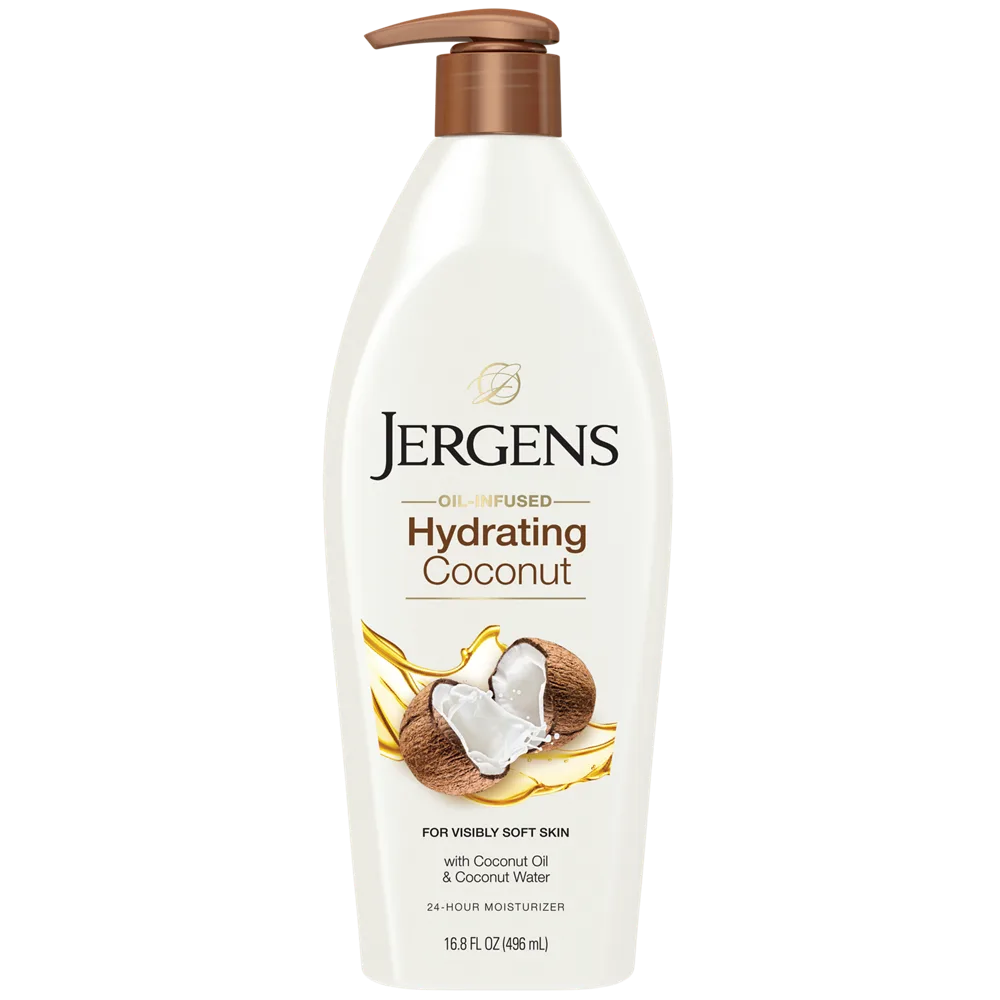
Hydrating Coconut Moisturize Body Lotion
Affordable Daily Body Lotion
 Verified reviewer
Pros & cons.
- +Addictive tropical coconut scent that lingers for hours — a mood-lifter
- +Non-greasy, fast-absorbing formula lets you dress immediately after applying
- +Exceptional value under $8 for nearly 17 ounces of product
- +Glycerin-led hydration backed by effective occlusive barrier ingredients
- +Multiple size options from travel to jumbo for every use case
- +Available at virtually every drugstore and mass retailer nationwide
- −Contains parabens (methylparaben and ethylparaben) as preservatives
- −Strong fragrance makes it unsuitable for fragrance-sensitive individuals
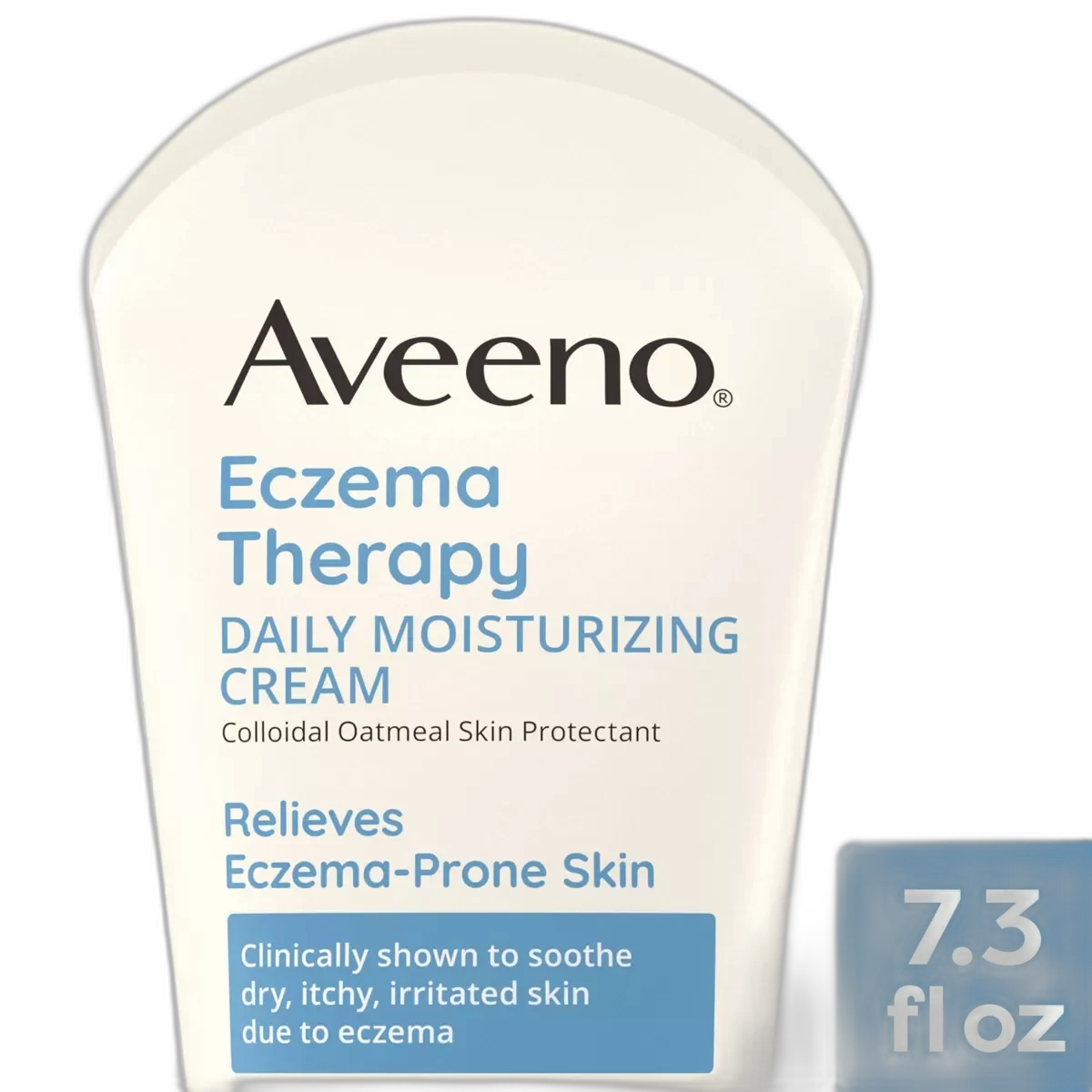
- −Not moisturizing enough for severe dryness, eczema, or compromised skin
- −Mineral oil and isopropyl myristate may concern ingredient-conscious users
- −Coconut-derived ingredients are supporting players despite the product name
The full review.
About Jergens
Jergens has been making lotion since 1901. Let that sink in for a moment. While the modern skincare industry was still decades away from existing, Jergens was already figuring out how to make American hands feel softer. That kind of institutional knowledge — a century and a quarter of putting moisturizer in bottles — tends to produce products that are quietly excellent at their job, even if they’ll never trend on TikTok.
About the Product
The Hydrating Coconut lotion is Jergens doing what Jergens does best: unpretentious, effective hydration at a price that makes daily full-body use feel financially painless. It launched during the mid-2010s coconut oil craze, when everything from cooking to dental hygiene was being coconut-ified, and while the hype has mellowed, the product has earned its shelf space through sheer reliable performance.
Formula
The formula follows a classic body lotion architecture. Glycerin sits in the second position, doing the real work of drawing moisture into the skin. Cetearyl alcohol and cetyl esters provide the creamy body. Mineral oil and dimethicone create the occlusive barrier that keeps moisture from escaping. These are not glamorous ingredients — they’re the skincare equivalent of a Honda Civic engine. Efficient, proven, unglamorous, reliable.
Coconut Component
The coconut component, while prominently featured in the product name and marketing, plays a supporting role in the actual formulation. Coconut oil, coconut water, and coconut fruit extract all appear, but they’re listed well below the primary moisturizing agents. This isn’t necessarily a criticism — the glycerin-mineral oil-dimethicone backbone is an effective hydration strategy. It just means the coconut is contributing more to the experience (that gorgeous scent, a touch of emolliency) than to the formula’s core moisture-delivery mechanism.
Scent
And about that scent — it’s the reason most people pick up this lotion in the first place and the reason they keep coming back. The tropical coconut fragrance is warm, sweet, and unmistakably coconut without veering into artificial sunscreen territory. It lingers on skin for hours, which is either a major selling point or a dealbreaker depending on your relationship with scented body care. If you’re someone who considers your body lotion an extension of your fragrance wardrobe, you’ll love it. If you prefer neutral or unscented, look elsewhere.
Texture
Texturally, the lotion nails the daily-use body moisturizer brief. It pumps out smoothly, spreads across large surface areas without requiring excessive product, and absorbs within about a minute into a non-greasy, satin-soft finish. You can get dressed immediately after application without any transfer concerns. This may sound basic, but the number of body lotions that leave you standing around waiting to not be sticky would surprise you.
Works for
The moisturizing performance is solid for its category. Skin feels immediately softer and stays that way through most of the day. Rough patches on elbows and knees smooth out within a few days of consistent use. It’s not going to transform severely dry or cracked skin — that’s territory for heavier creams with urea or ceramides — but for maintaining generally comfortable, soft body skin, it’s more than adequate.
Common Complaints
The honest limitations are the ingredient choices that ingredient-conscious consumers flag: parabens (methylparaben and ethylparaben), mineral oil, and fragrance. These are all well within safety guidelines and have extensive track records of cosmetic use, but they’re increasingly the kinds of ingredients that consumers prefer to avoid. Jergens offers this product at a price point where reformulation trade-offs are inevitable, and the current formula prioritizes performance and stability over clean-beauty credentials.
Ingredient Curiosity
The inclusion of Withania somnifera (ashwagandha) root extract is a curiosity — better known as an adaptogenic herb in wellness circles than a proven topical ingredient. Its presence is likely more about marketing differentiation than skin function, though ashwagandha does contain withanolides with some antioxidant properties.
Value
At under $8 for 16.8 ounces, the value calculation is simple and overwhelmingly positive. This is body care democratized — effective daily moisturization for pennies per application, available at literally every drugstore, grocery store, and mass retailer in America. For the vast majority of people who just want their body skin to feel soft and smell nice without overthinking it, Jergens Hydrating Coconut delivers exactly that.
Ingredient analysis.
Full INCI list
Water, Glycerin, Cetearyl Alcohol, Cetyl Esters, Ceteareth-20, Glyceryl Dilaurate, Cetyl Alcohol, Mineral Oil, C12-15 Alkyl Benzoate, Dimethicone, Stearic Acid, Fragrance, Methylparaben, Phenoxyethanol, Isopropyl Myristate, Ethylparaben, Carbomer, Sodium Hydroxide, Cocos Nucifera (Coconut) Oil, Arginine, Propylene Glycol, Butylene Glycol, Cocos Nucifera (Coconut) Water, Withania Somnifera Root Extract, Cocos Nucifera (Coconut) Fruit Extract, Sorbitol
Skin match.
The science.
The Science
Glycerin is one of the most validated humectants in dermatological literature. A British Journal of Dermatology review confirmed glycerin improves skin hydration, reduces transepidermal water loss, and speeds barrier recovery at concentrations as low as 5%. As the second-listed ingredient, glycerin provides the primary hydration mechanism.
Mineral oil works as an occlusive agent. Research in the Journal of Cosmetic Dermatology shows mineral oil reduces transepidermal water loss by approximately 40-98% depending on concentration, making it a highly effective occlusive. In this formula, mineral oil and dimethicone create a dual-barrier system that locks in moisture from glycerin and sorbitol.
Coconut oil (Cocos nucifera) acts as a topical emollient and has antimicrobial properties from its lauric acid content. A randomized double-blind clinical trial in Dermatitis showed virgin coconut oil improved skin hydration and matched mineral oil's effectiveness in treating xerosis. Its presence in this formula provides emollient benefit, even at a lower concentration than the primary moisturizers.
The formula uses a multi-humectant approach — glycerin, sorbitol, arginine, and coconut water — for overlapping hydration. Arginine, an amino acid, supports natural moisturizing factor (NMF) production, complementing the direct humectant action of glycerin. This multi-pathway hydration strategy works better than using a single humectant.
Dermatologist Perspective
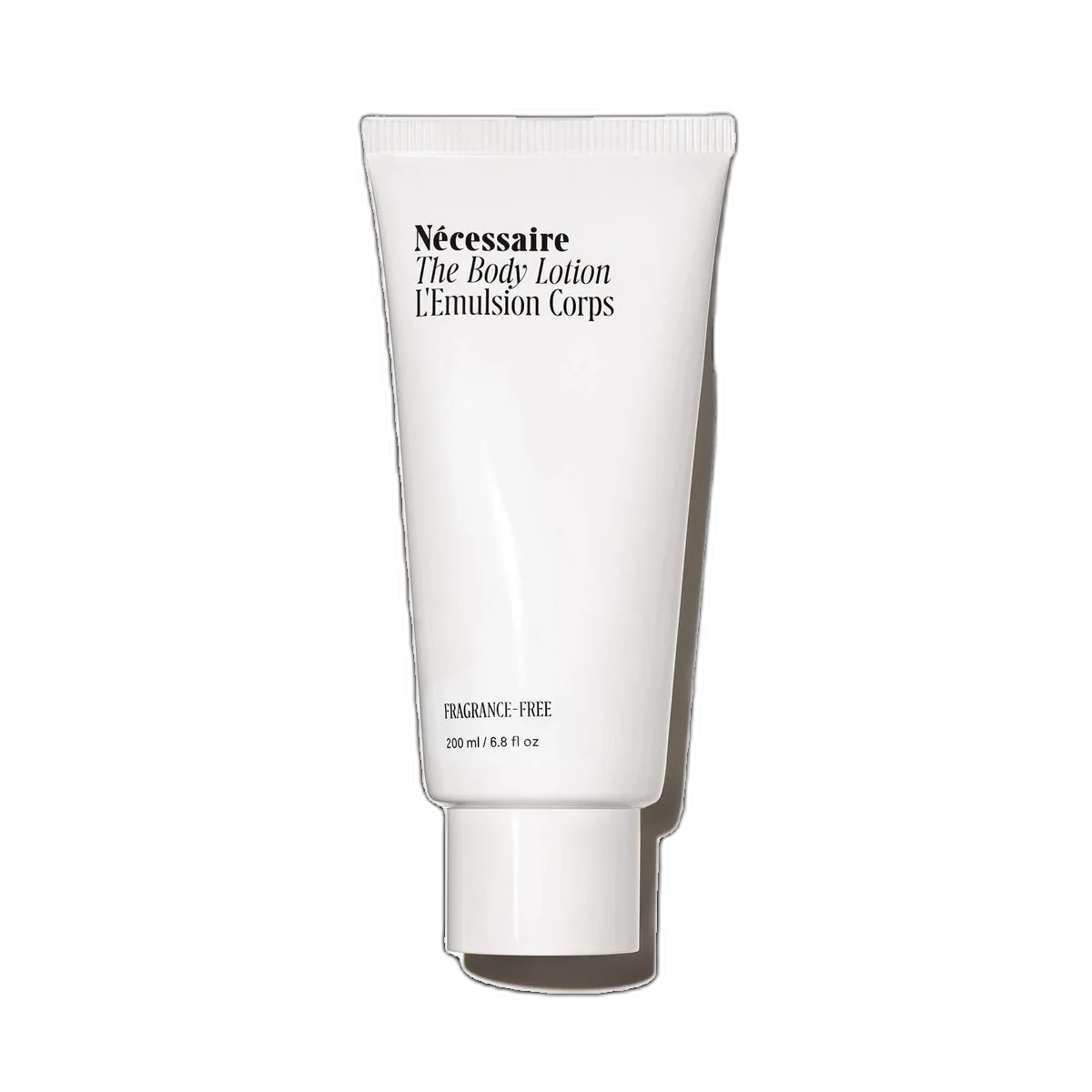
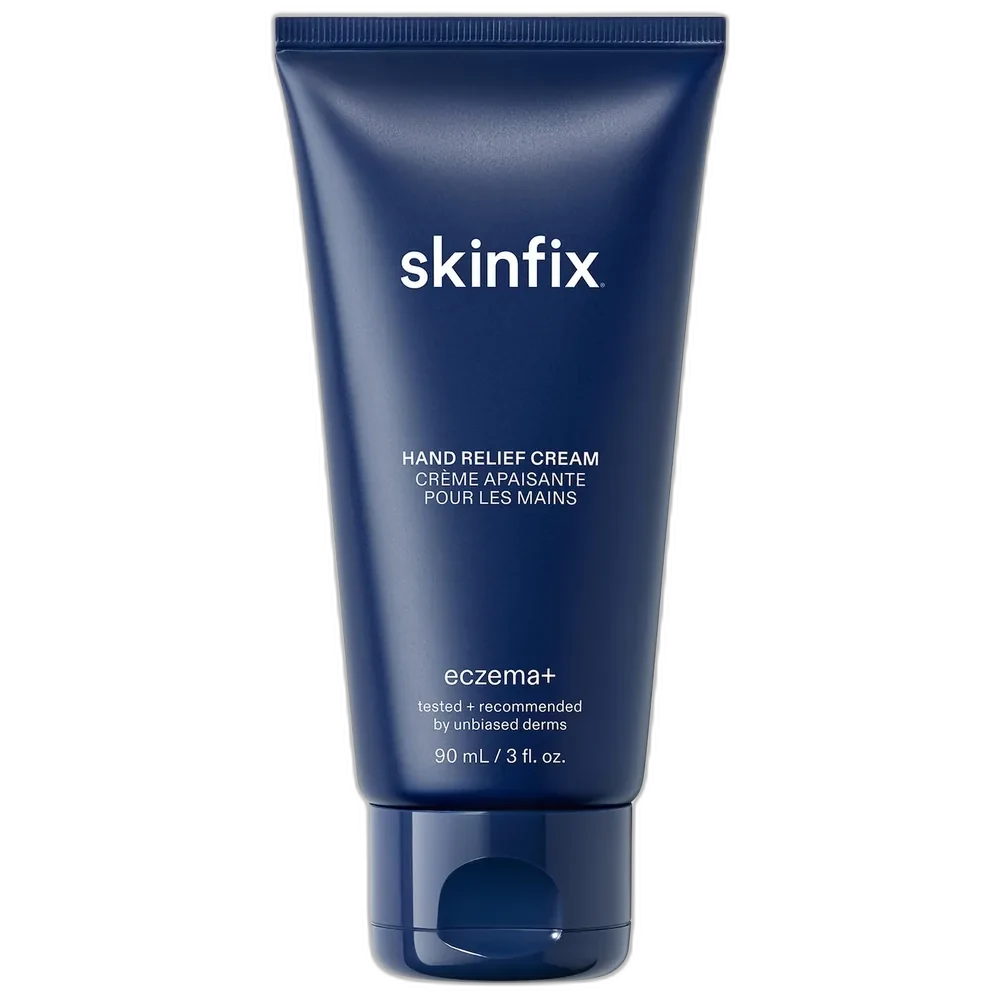
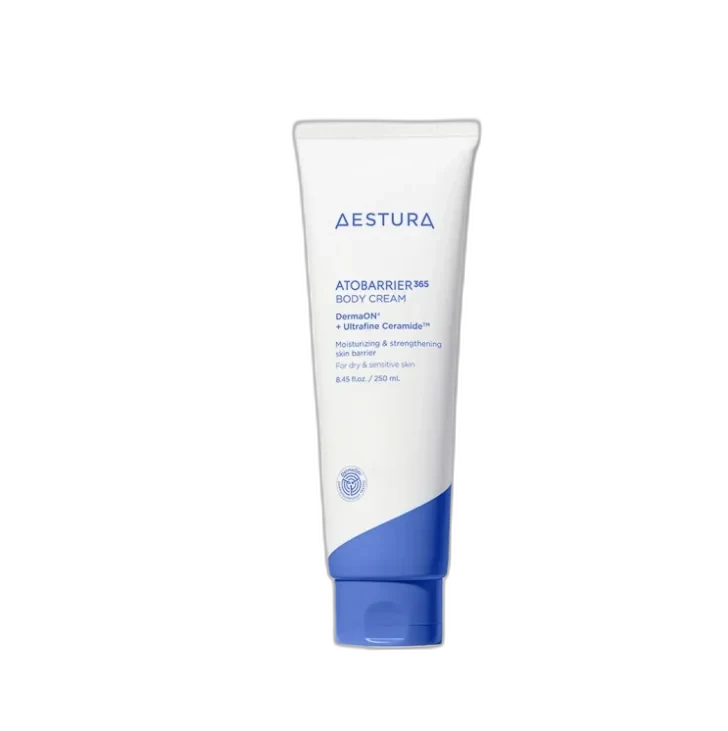
Dermatologists view Jergens Hydrating Coconut as a standard drugstore moisturizer for daily maintenance of normal to mildly dry body skin. Board-certified dermatologists note the glycerin-mineral oil-dimethicone formula provides effective hydration through established mechanisms. However, the fragrance and paraben content make this product unsuitable for patients with contact dermatitis, eczema, or known fragrance allergies. For patients with moderate-to-severe dry skin or skin conditions requiring therapeutic moisturization, dermatologists recommend fragrance-free formulations with ceramides or prescription-grade emollients.
Where it fits in your routine.
Apply a generous amount to body skin after showering while skin is still slightly damp. This helps humectants draw in surface moisture. Pump a few squirts into hands and massage into skin, focusing on dry areas like legs, arms, elbows, and knees. Wait about a minute for absorption before dressing. Use morning and evening as needed. For best hydration, pair with a gentle, moisturizing body wash instead of a harsh soap that strips skin oils.
At roughly $7.99 for 16.8 fl oz, Jergens Hydrating Coconut has one of the lowest per-ounce prices on the market. Jergens Hydrating Coconut also comes in 8 oz, 21 oz, and 26.5 oz sizes; larger sizes provide better value. For daily body moisturizing, the cost-per-application is negligible. Price does not limit how much Jergens Hydrating Coconut you use — a luxury more expensive products lack.
People seeking an affordable, pleasant-smelling daily body lotion. Coconut scent lovers wanting a tropical mini-vacation feel from their body care. Normal to mildly dry skin types wanting reliable hydration at basic grocery-budget prices.
People with eczema, contact dermatitis, reactive skin, or fragrance sensitivity. Users who want paraben-free or mineral oil-free formulations. Those with severely dry skin needing therapeutic-grade moisturizers with ceramides or urea.
Product details.
Lightweight, smooth lotion spreads easily over large body areas and absorbs within a minute
Strong tropical coconut fragrance smells like a beach vacation — sweet, warm, and coconut. The scent stays on skin for several hours.
The 16.8 oz pump bottle dispenses without mess during daily use. Smaller squeeze bottles and larger sizes also exist. The pump format works well for bathroom or bedside use.
The lotion dispenses smoothly and spreads easily across body skin. The coconut fragrance is immediate and pleasant for users who like scented body care. It absorbs within about a minute. Skin feels soft and lightly moisturized without sticky or oily residue. Most users will not experience irritation, but those sensitive to fragrance should patch test.
6-8 weeks with daily full-body application
24 months
All Year
The backstory.
Jergens has been in the lotion business since 1901 when it created one of America's first mass-market hand lotions. The Hydrating Coconut variant launched as part of the brand's expansion into trend-driven scented body care, capitalizing on the coconut oil craze that swept through both health food and beauty markets in the mid-2010s.
About Jergens
Legacy Brand (20+ years)Jergens started in Cincinnati, Ohio in 1882, making it one of America's oldest personal care brands. Kao Corporation acquired the brand in 1988. Jergens has over 140 years of skin moisturization heritage, and its Original Scent cherry-almond lotion was one of the first mass-market hand lotions in the US.
Common myths.
Coconut oil in lotion can clog pores on the body.
Coconut oil has a moderate comedogenic rating, but body skin is thicker and less acne-prone than facial skin. Coconut oil in a body lotion doesn't cause breakouts for most people. People prone to body acne, especially on the chest and back, should patch test first.
Mineral oil in skincare harms the skin or blocks breathing.
Mineral oil is a well-studied, well-tolerated occlusive agent in dermatology. It forms a protective barrier that reduces water loss without blocking skin function. Mineral oil lacks the sophistication of ceramide or fatty acid-based occlusives, but it is safe and effective for maintaining skin hydration.
FAQ.
Is Jergens Hydrating Coconut lotion good for dry skin?
It provides enough daily hydration for mildly dry to normal body skin. Jergens Hydrating Coconut lacks the thickness for severely dry or eczema-prone skin. Use thicker creams with ceramides, urea, or colloidal oatmeal for those skin types. Jergens Hydrating Coconut works better as a maintenance moisturizer than a treatment for very dry skin.
Does Jergens Coconut lotion contain real coconut oil?
Yes — the formula uses Cocos Nucifera (Coconut) Oil, Coconut Water, and Coconut Fruit Extract. These coconut-derived ingredients sit lower in the ingredient list. Glycerin, cetearyl alcohol, and mineral oil do the primary moisturizing work. The coconut components add scent and supplementary moisture rather than core hydration.
Is Jergens Hydrating Coconut lotion paraben-free?
No — this formula uses methylparaben and ethylparaben as preservatives. If you want paraben-free body care, choose alternatives using phenoxyethanol alone or natural preservative options.
How long does the coconut scent last?
The tropical coconut fragrance is noticeable and stays on skin for 3-5 hours after application. This appeals to users who like scented body care, but conflicts with perfume or unscented product preferences.
Can I use Jergens Coconut lotion on my face?
This lotion is for body use. It contains mineral oil, isopropyl myristate, and coconut oil, which can be comedogenic on facial skin. It also contains fragrance. For face moisturizing, choose a product formulated for facial skin with non-comedogenic ingredients.
What the community says.
"Smells amazing — tropical coconut scent that lasts"
"Absorbs quickly and doesn't leave greasy residue"
"Great everyday lotion at an unbeatable price"
"Keeps skin soft and moisturized all day"
"Available everywhere and multiple size options"
"Strong fragrance may not suit everyone"
"Contains parabens which some prefer to avoid"
"Not moisturizing enough for very dry or eczema-prone skin"
"Coconut scent can clash with perfume or other scented products"
"Contains mineral oil which some consider an inferior moisturizer"