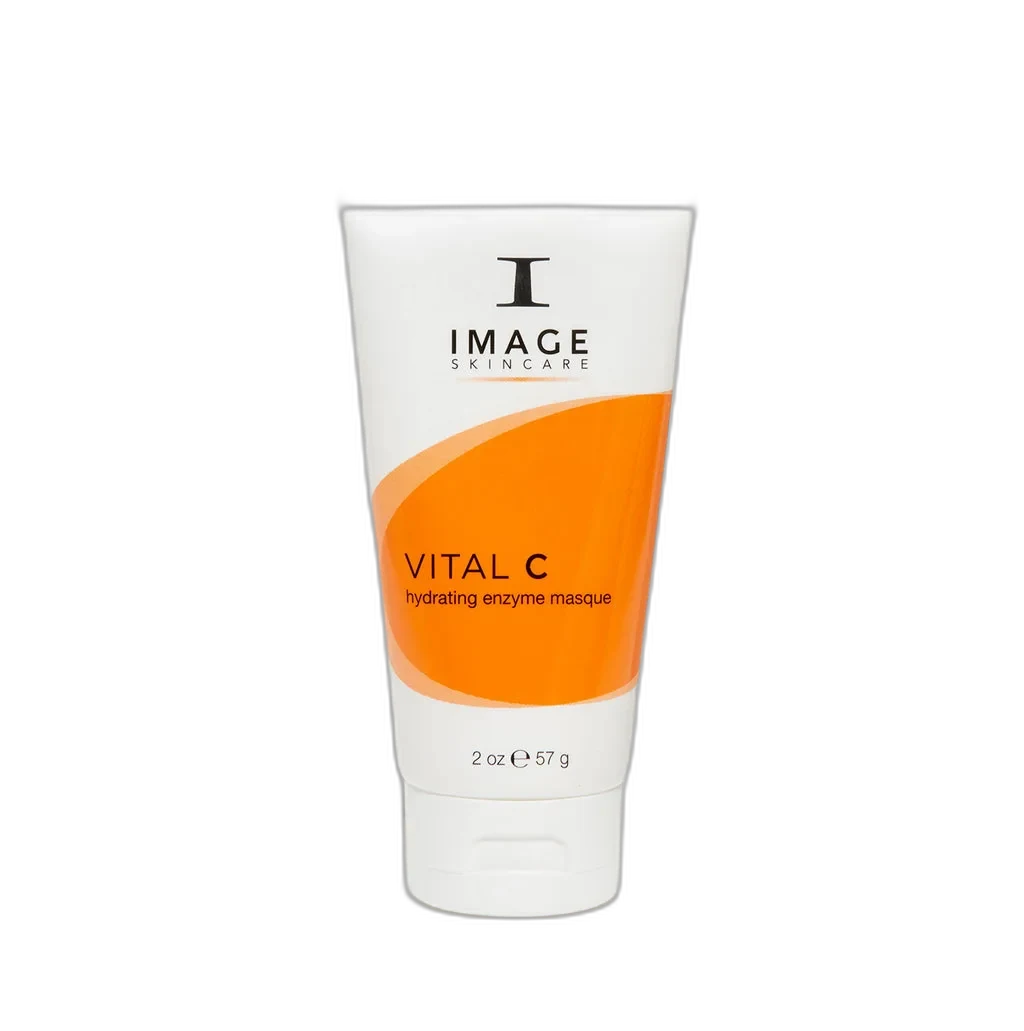
VITAL C Hydrating Enzyme Masque
Gentle Glow Reset
 Verified reviewer
Pros & cons.
- +Immediate visible brightening and smoothness after the very first application
- +Dual enzyme system (papaya and pineapple) provides effective yet gentle surface exfoliation
- +Versatile format works as a short rinse-off mask or thin overnight treatment layer
- +Pure L-ascorbic acid and retinyl palmitate add brightening and cell renewal beyond basic exfoliation
- +Sodium hyaluronate ensures skin stays hydrated rather than stripped after exfoliation
- +Superoxide dismutase provides antioxidant protection during the vulnerable post-exfoliation window
- +Reasonable per-treatment cost with once-weekly use stretching the tube 3-4 months
- −Enzyme exfoliation is gentler than acid peels — not suitable for deep resurfacing needs
- −Orange blossom scent is noticeable and may bother fragrance-sensitive individuals
- −2 oz tube feels small for the price though usage frequency makes it last
- −Does not address acne specifically — lacks salicylic acid or benzoyl peroxide
- −Slightly tacky texture during wear can feel uncomfortable for some users
The full review.
Every spa facial has a moment when the aesthetician applies an enzyme mask and your skin tingles—a pleasant buzz of activity. Image Skincare nearly captures that professional experience with the Vital C Hydrating Enzyme Masque.
The concept is simple: papaya and pineapple enzymes dissolve dead skin while vitamin C brightens the surface. The formulation reflects its origins with a working aesthetician. Papain from papaya and bromelain from pineapple are the first two actives after water, making this an enzyme-forward product rather than a moisturizer with trace exfoliating ingredients.
The texture is a thick, creamy spread that stays on the skin without dripping or sliding. It has the density of a proper treatment mask.
The orange blossom scent provides a spa-like freshness that most users find pleasant, though it is notable for those who prefer unscented skincare.
The supporting ingredients set this mask apart from other enzyme masks. L-ascorbic acid—pure vitamin C—provides a brightening treatment that works with the enzymatic exfoliation. As enzymes clear dead cells, they create a surface that allows better vitamin C penetration. Retinyl palmitate adds cell turnover from below while enzymes work from above. Superoxide dismutase, an antioxidant enzyme the body produces naturally, protects against free radicals when freshly exfoliated skin is vulnerable to oxidative stress.
Sodium hyaluronate prevents the mask from stripping the skin. This detail distinguishes a mask that leaves skin tight from one that leaves it plump and luminous. The hyaluronic acid draws moisture into the polished surface, creating the dewy, glass-skin effect many users report after rinsing.
This product is versatile. The standard protocol is a 5-to-30-minute rinse-off treatment, but the cream-based formula also works as a thin overnight mask. The overnight method delivers a subtler, cumulative effect; you wake up to skin that feels soft. For sensitive skin types, a thin overnight layer lets you test tolerance before using the full treatment intensity.
Results from the first use are noticeable. Skin looks brighter, feels smoother, and has a soft luminosity that lasts through the next day. Consistent use over weeks improves texture, evens tone, and increases absorption of subsequent products. Fine lines appear less pronounced due to hydration and surface-smoothing, not deep wrinkle correction.
The limitations are clear. Enzyme exfoliation will not provide dramatic resurfacing, such as visible peeling or transforming severely sun-damaged skin. This is a gentle, maintenance-level treatment. Fruit enzymes work on the surface and do not reach the deeper layers that acid exfoliants like glycolic acid reach. For the target audience, this provides effective exfoliation without risk, but you must manage expectations regarding depth.
At $46 for 2 ounces, the price is reasonable for professional skincare, especially if used once or twice a week. A tube should last three to four months, making the per-treatment cost roughly three to four dollars—much less than an in-office enzyme peel. A 6-ounce professional size offers better value.
The Vital C Hydrating Enzyme Masque acts as a gentle weekly reset in the Vital C lineup to keep skin smooth and bright between intensive treatments. For those whose skin reacts poorly to acid exfoliants, this enzyme masque is a functional alternative.
Formula
Texture
The texture is a thick, creamy spread that stays on the skin without dripping or sliding. It has the density of a proper treatment mask.
Scent
The orange blossom scent provides a spa-like freshness that most users find pleasant, though it is notable for those who prefer unscented skincare.
Best for
Results from the first use are noticeable. Skin looks brighter, feels smoother, and has a soft luminosity that lasts through the next day. Consistent use over weeks improves texture, evens tone, and increases absorption of subsequent products. Fine lines appear less pronounced due to hydration and surface-smoothing, not deep wrinkle correction.
Not ideal for
Enzyme exfoliation will not provide dramatic resurfacing, such as visible peeling or transforming severely sun-damaged skin. This is a gentle, maintenance-level treatment. Fruit enzymes work on the surface and do not reach the deeper layers that acid exfoliants like glycolic acid reach. For the target audience, this provides effective exfoliation without risk, but you must manage expectations regarding depth.
Ingredient analysis.
Full INCI list
Aqua, Carica Papaya (Papaya) Fruit Extract, Ananas Sativus (Pineapple) Fruit Extract, Glyceryl Stearate & PEG 100 Stearate, L-Ascorbic Acid, Sodium Hyaluronate, Phytic Acid, Retinyl Palmitate (Vitamin A), Superoxide Dismutase, Algae Extract, Macrocystis Pyrifera Extract, Sodium Ascorbyl Phosphate, Phenoxyethanol & Caprylyl Glycol & Ethylhexylglycerin & Hexylene Glycol, Vitis Vinifera (Grape) Seed Extract, Yeast Polysaccharide, Tocopheryl Acetate, Sodium RNA, Potassium Sorbate, Citrus Aurantium Dulcis Orange Blossom Extract (Organic), Silk Amino Acid, Sodium DNA, Disodium EDTA
Skin match.
The science.
The Science
Enzymatic exfoliation uses proteolytic enzymes — papain from Carica papaya and bromelain from Ananas sativus — to selectively break down keratin proteins that bind dead corneocytes to the skin surface. Chemical exfoliants lower pH to dissolve intercellular bonds, but these enzymes use targeted protein cleavage at the skin's natural pH, causing less irritation. A 2007 study in the Archives of Dermatological Research shows bromelain has anti-inflammatory, anti-edematous, and fibrinolytic properties beyond exfoliation, which helps the mask calm skin.
L-ascorbic acid is the most studied topical vitamin C. Research in Dermatologic Surgery (2005) confirms it stimulates collagen synthesis, provides photoprotection, and inhibits melanin synthesis. Because this is a rinse-off mask, short contact time limits penetration compared to a leave-on serum, but the enzymes create a freshly exfoliated surface that may increase absorption during the treatment window.
Superoxide dismutase (SOD) is a natural metalloenzyme that converts superoxide radicals into hydrogen peroxide and oxygen. The Journal of Investigative Dermatology identifies SOD as a primary endogenous antioxidant defense in the skin. Topical cosmetic formulations supplement this defense, which is useful after exfoliation when the skin's barrier function is temporarily compromised.
Phytic acid works in two ways: it acts as a mild AHA-adjacent exfoliant and a potent chelating agent. It binds iron and copper ions to prevent Fenton reactions that generate damaging hydroxyl radicals. This antioxidant chelation complements the direct radical scavenging of vitamin C, vitamin E, and SOD.
Dermatologist Perspective
Dermatologists often recommend enzyme-based exfoliation for patients who cannot tolerate glycolic acid, salicylic acid, or physical scrubs — such as those with rosacea, eczema-prone skin, or post-procedure sensitivity. Board-certified dermatologists say fruit enzymes offer a gentler way to improve cellular turnover and product penetration. Using L-ascorbic acid and retinyl palmitate in a weekly mask is a reasonable way to supplement daily antioxidant protection. Dermatologists usually advise starting with short application times and increasing them gradually to test tolerance, especially for patients new to exfoliation.
Where it fits in your routine.
Apply a thick, even layer to clean, dry skin, avoiding the eye area. Leave on for 5-30 minutes based on skin tolerance — use 5-10 minutes for first-time use or sensitive skin. Mild tingling is normal; rinse immediately if it burns. Remove with lukewarm water, then splash with cold water to close pores. Follow with serum and moisturizer. Or, apply a very thin layer as an overnight treatment and rinse in the morning. Use 1-2 times per week. Do not use on the same day as strong chemical exfoliants or retinoids.
At $46 for 2 oz, this mask costs a mid-range professional price. The per-use economics work well — one weekly application makes a tube last three to four months, costing roughly $3-4 per treatment. This undercuts in-office enzyme peels that cost $75-150 per session. A 6 oz professional size offers better per-ounce value. The multi-functional formula combines exfoliation, vitamin C brightening, retinoid cell renewal, and antioxidant protection in one step, providing more value than single-purpose enzyme masks at similar price points.
This mask works for sensitive, dry, or normal skin. It provides the brightening and smoothing benefits of exfoliation without the irritation risk of acid peels. It suits rosacea-prone individuals, those new to exfoliation, and anyone wanting a spa-quality enzyme treatment at home.
People seeking intense resurfacing for deep acne scars, severe sun damage, or significant hyperpigmentation need stronger acid-based treatments. Oily skin types that respond well to glycolic or salicylic acid may find this mask too gentle for their exfoliation needs. Avoid this product if you have known allergies to papaya, pineapple, or citrus.
Product details.
The thick, creamy mask spreads easily and stays in place without dripping. It feels slightly tacky during wear but rinses clean with water.
Fresh, natural orange blossom scent — noticeable and pleasant while the scent masks.
Image Skincare's teal Vital C branding uses tube packaging. A 6 oz professional size also exists for frequent users.
The fruit enzymes cause a mild warming or tingling sensation, especially on sensitive skin. This is normal and ends quickly. Skin feels softer and looks brighter immediately after rinsing. It causes no peeling or flaking. First-time users should use a 5-10 minute application.
3-4 months with once-weekly full-face application
12 months
All Year
The backstory.
Enzyme masks have long been a staple in professional spa treatments for clients who cannot tolerate acid peels. Image Skincare developed this masque as a take-home version of their in-spa enzyme treatment, giving clients the ability to maintain their brightening and exfoliation results between professional appointments. The Vital C formulation specifically targets the sensitive skin demographic that needs exfoliation but cannot risk the irritation of glycolic or salicylic acid peels.
About Image Skincare
Established Brand (5–20 years)Image Skincare was founded in 2003 by aesthetician Janna Ronert and has grown into one of the largest professional skincare brands globally, sold through spas and physician offices. The brand partners with chemists and dermatologists but its clinical validation comes primarily from in-house studies rather than peer-reviewed independent research.
Common myths.
Enzyme masks lack the strength to exfoliate effectively.
Papain and bromelain enzymes break down keratin proteins in dead skin cells but leave living tissue alone. This mechanism is gentler than acid exfoliation. Weekly use improves skin texture, brightness, and product absorption. This method has zero downtime and works for sensitive skin.
A mask does not require a strong burning sensation to work.
This mask uses enzymatic action instead of chemical acid dissolution. Mild tingling is normal; intense burning shows overuse or sensitivity. The fruit enzymes work at the skin's natural pH range, which makes the process gentler without losing efficacy.
FAQ.
How often should I use the Image Skincare Vital C Enzyme Masque?
Most skin types work best with one or two applications per week. Apply to clean skin for 5-30 minutes; adjust this time based on skin tolerance. Sensitive skin types should start with 5-10 minutes once a week and increase slowly. You can also apply the mask as a thin overnight treatment for a more intensive glow.
Can I use the Vital C Enzyme Masque with retinol?
Yes, but not on the same night. This mask contains retinyl palmitate and provides enzymatic exfoliation, so using it with a strong retinoid in one session can cause irritation. Alternate nights—use the enzyme mask one evening and your retinol on a different evening—to get the benefits of both without overwhelming the skin.
Is the Image Skincare Vital C Enzyme Masque good for acne-prone skin?
Enzymatic exfoliation helps acne by removing dead skin buildup that clogs pores. The formula focuses on brightening and hydration instead of acne treatment. It lacks salicylic acid or benzoyl peroxide, so it works best as a complementary treatment alongside dedicated acne products rather than a standalone acne solution.
Can I leave the Vital C Enzyme Masque on overnight?
Yes — applying a thin layer overnight is a popular alternative to the standard rinse-off method. Many users report waking up to softer, brighter skin. Start with a very thin layer to test tolerance, then use your regular moisturizer to lock in hydration.
What does the Vital C Enzyme Masque smell like?
The mask has a fresh, natural orange blossom scent from the organic citrus extract. The scent is pleasant and spa-like, but users with fragrance sensitivities will notice it during the masking period.
What the community says.
"Skin feels incredibly soft and smooth after use"
"Pleasant fresh orange scent"
"Versatile — works as a rinse-off mask or thin overnight treatment"
"Visibly brighter skin after just one use"
"Gentle enough for sensitive skin"
"Small size for the price"
"Scent may be too strong for fragrance-sensitive users"
"Some users wish the exfoliation were more intense"
"Can feel slightly tacky during application"
People also looked at.