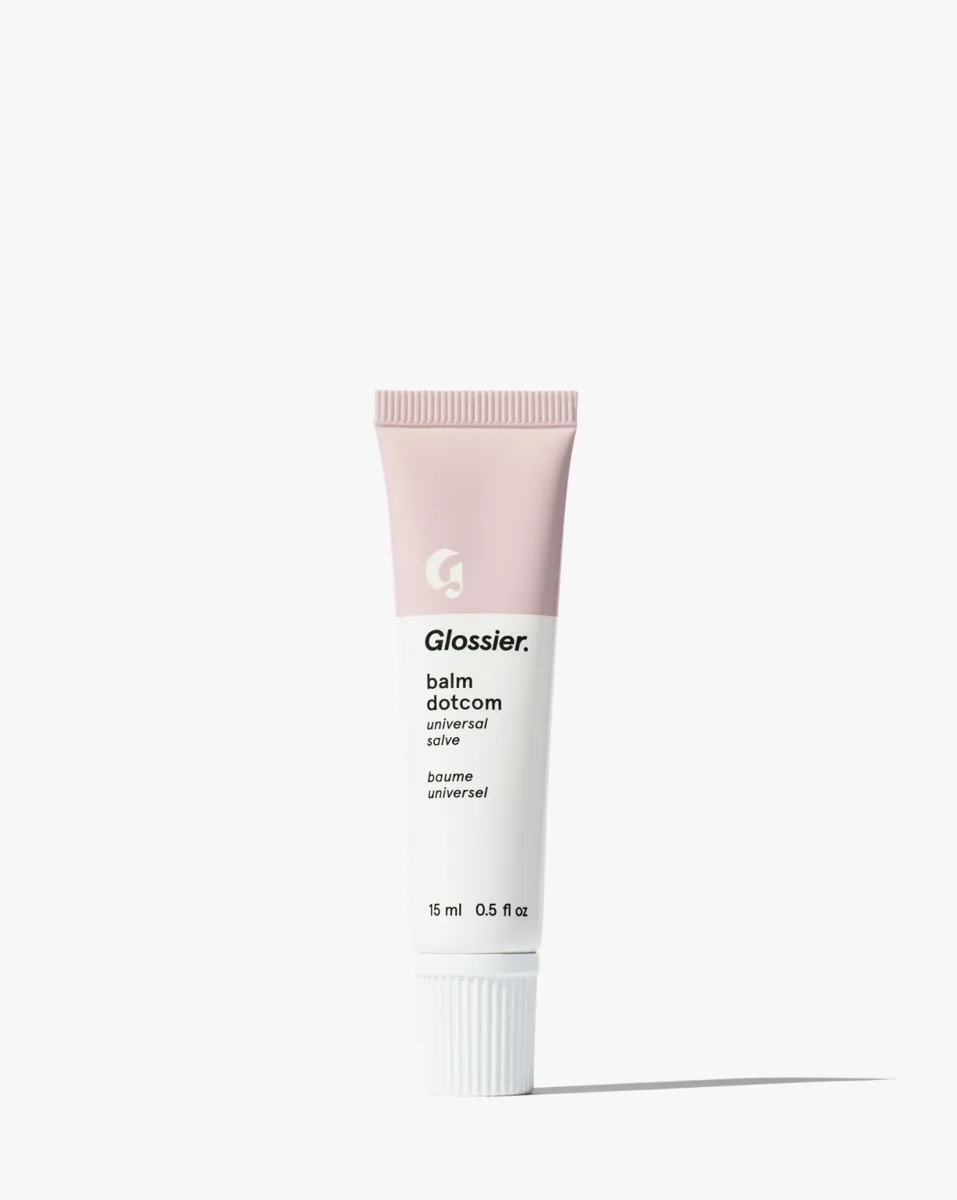
Balm Dotcom
Cult Classic Multi-Balm
 Verified reviewer
Pros & cons.
- +Genuinely long-lasting occlusive barrier that outlasts most wax-based lip balms
- +Petrolatum-lanolin combination provides both sealing and conditioning in one step
- +Multi-purpose — works on cuticles, dry patches, elbows, and minor scrapes
- +Original variant is fragrance-free, flavor-free, and free of common lip irritants
- +Thick but non-sticky texture that glides smoothly even over severely chapped skin
- +Simple, short ingredient list with well-established, dermatologically proven components
- +Over a decade of real-world use and 9,000+ reviews confirming consistent performance
- −Sixteen dollars for a petrolatum-based balm is a significant markup over functionally similar products
- −Contains lanolin, which is a recognized allergen for approximately 1-2% of the population
- −Not vegan — contains both lanolin and beeswax, ruling it out for strict vegan consumers
- −BHT preservative is a concern for some ingredient-conscious users
- −Squeeze tube can dispense more product than needed, leading to waste
- −Not suitable for those prone to fungal acne due to petrolatum and castor oil content
The full review.
Few products have had their ingredient list validated like Balm Dotcom. When Glossier swapped lanolin and beeswax for vegan alternatives in 2023, the internet reacted. Reddit threads grew. Review scores fell. Users frequently used words like ‘oily,’ ‘thin,’ and ‘not the same.’ By May 2024, Glossier did what brands rarely do: they brought the original formula back, lanolin and all. This move conceded that the new version could not replicate the original’s performance. That reversal is the strongest endorsement this product has received.
The formula is simple. Petrolatum leads the ingredient list, forming a thick occlusive barrier that prevents transepidermal water loss more effectively than most emollient-only balms. A 2016 study in the Journal of Allergy and Clinical Immunology shows petrolatum does more than sit on the skin surface—it permeates the stratum corneum, upregulating antimicrobial peptides and inducing expression of barrier differentiation markers like filaggrin and loricrin. This petroleum byproduct actively supports skin repair instead of just covering the problem.
Lanolin sits beneath the petrolatum—the ingredient at the center of the reformulation controversy. Derived from sheep’s wool, lanolin is a mixture of esters, fatty acids, and alcohols that mimics the skin’s lipid profile. It gives Balm Dotcom its distinctive cushiony, pillowy feel, a quality synthetic alternatives could not reproduce. Beeswax provides structural scaffolding, giving the balm enough body to hold its shape in the squeeze tube without feeling waxy or draggy. Cupuaçu seed butter, a Brazilian rainforest emollient with phytosterols, adds conditioning for a smooth, nourishing finish.
The texture is pleasant. Squeeze a small amount from the tube and it arrives as a thick, glossy slug that melts on contact with warm skin. It glides over lips without tugging, even on chapped patches where other balms catch and pull. There is no stickiness, no gritty wax, and no medicinal tang. The Original variant is unflavored and unscented, making it the most versatile option for lips, cuticles, dry elbows, or minor scrapes requiring an occlusive barrier.
Balm Dotcom delivers on its core promise. Lips feel coated and protected immediately. The occlusive layer lasts several hours before reapplication—longer than most wax-based stick balms that wear off within the hour. For people with chronically dry lips in winter or dry climates, the petrolatum-lanolin combination provides sustained protection that lighter formulas cannot match. This is a thick, protective coat, not a subtle lip treatment.
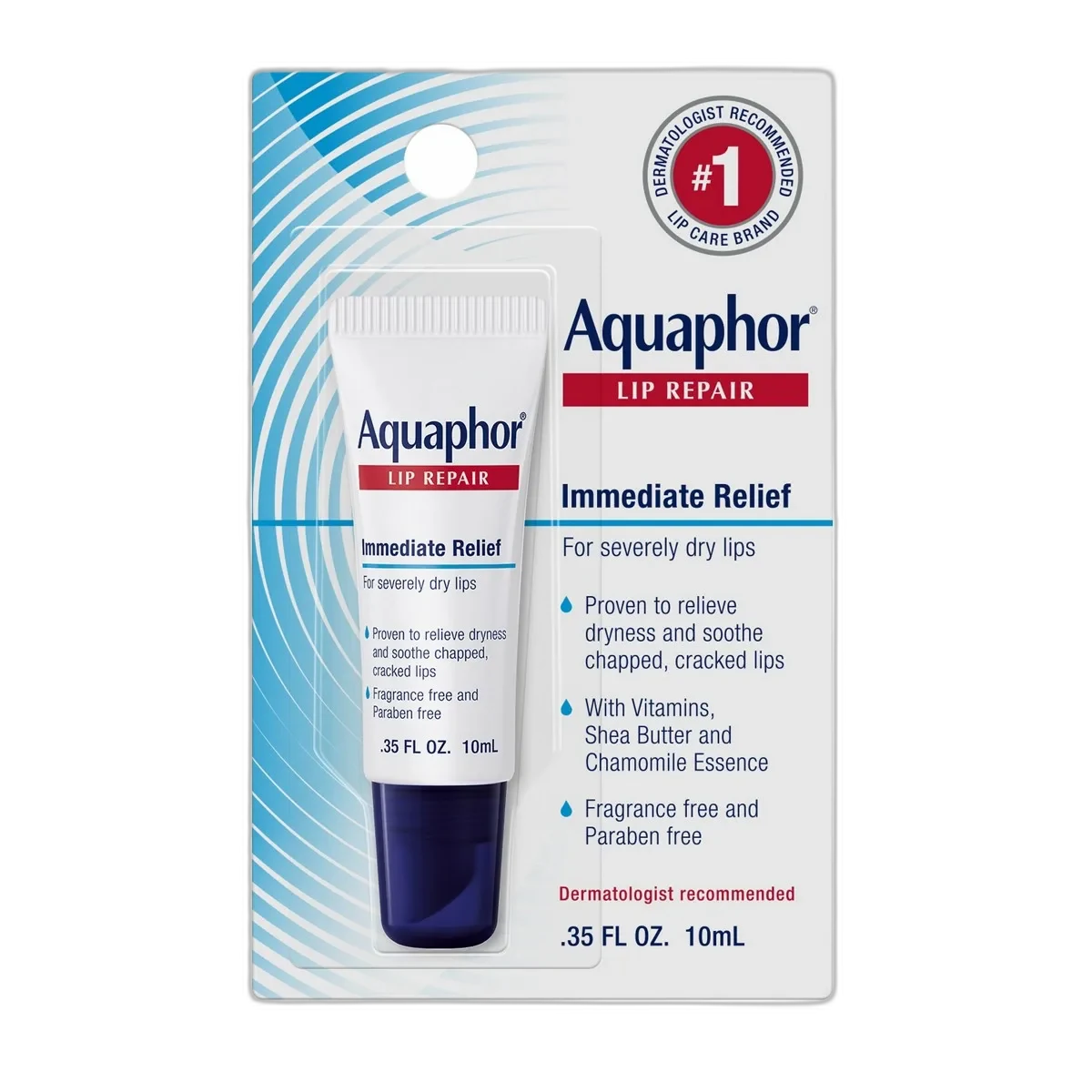
The limitation is the price. At sixteen dollars for half an ounce, you pay more than for products with similar ingredient lists. Aquaphor Healing Ointment shares the petrolatum-lanolin framework at a fraction of the cost. The Glossier tax buys the squeeze tube packaging, the cupuaçu seed butter, the vitamin E, and the brand. Whether that premium is worth it depends on how much you value the specific texture, the tube format, and the Glossier brand aesthetic.
Two ingredients are worth noting. BHT, a synthetic antioxidant preservative, is at the end of the list. It is present at very low concentrations and is generally recognized as safe by the FDA, though some consumers avoid it. Lanolin is an excellent emollient but is a recognized allergen in roughly one to two percent of the population. If you react to wool-based products, patch test first.
Balm Dotcom holds an interesting position in the lip care market. It is not a sophisticated formula—it lacks peptides, ceramides, and multi-molecular weight hyaluronic acid complexes. But sophistication is not the goal. This balm relies on time-tested occlusive ingredients in a specific ratio that users prefer over alternatives, as shown by the failed reformulation. The formula works because it seals moisture in and keeps irritants out.
For those who loved this balm, the original formula’s 2024 return was vindication. For new users, treat it as a premium version of a simple product: the ingredients are proven and the execution is polished. The question is whether that execution justifies the premium over cheaper versions.
Ingredient analysis.
Full INCI list
Petrolatum, Ricinus Communis (Castor) Seed Oil, Beeswax/Cera Alba/Cire d'Abeille, Lanolin, Theobroma Grandiflorum Seed Butter, Oryza Sativa (Rice) Bran Extract, Helianthus Annuus (Sunflower) Extract, Rosmarinus Officinalis (Rosemary) Leaf Extract, Tocopheryl Acetate, Tocopherol, BHT
Skin match.
The science.
The Science
The backbone of Balm Dotcom is petrolatum, the most studied occlusive in dermatology. A landmark 2016 study by Czarnowicki et al., published in the Journal of Allergy and Clinical Immunology, challenged the long-held assumption that petrolatum is merely an inert barrier. The researchers found that petrolatum application upregulated antimicrobial peptides (including S100A7 and S100A8/9) and genes involved in innate immunity, while simultaneously increasing expression of terminal differentiation proteins filaggrin and loricrin. In atopic dermatitis skin, petrolatum significantly reduced T-cell infiltrates, suggesting an active anti-inflammatory effect beyond simple occlusion. This study fundamentally reframed petrolatum from a passive 'sealer' to an active participant in barrier repair.
Lanolin complements petrolatum's occlusive action with genuine emollient properties. Its lipid composition — a complex mixture of cholesterol esters, fatty acid esters, and free alcohols — closely parallels the stratum corneum's own intercellular lipids. This structural similarity allows lanolin to integrate into the skin's lipid matrix rather than merely sitting atop it, which explains why the vegan reformulation's synthetic alternatives failed to replicate the same feel and performance. The incidence of true lanolin allergy is lower than commonly feared — a 2017 review in the British Journal of Dermatology estimated the prevalence at approximately 1.7% among patch-tested dermatology patients, with higher rates in individuals with pre-existing atopic conditions.
The vitamin E duo (tocopherol and tocopheryl acetate) provides antioxidant protection against UV-induced lipid peroxidation on the lip surface, which is particularly relevant given that lips lack melanocytes and are inherently more vulnerable to photodamage.
References
- Petrolatum: Barrier repair and antimicrobial responses underlying this 'inert' moisturizer — Journal of Allergy and Clinical Immunology (2016)
Dermatologist Perspective
Dermatologists have long considered petrolatum-based products to be the gold standard for occlusive lip care, and Balm Dotcom's formula aligns closely with what board-certified dermatologists typically recommend for chronically dry or chapped lips. The petrolatum-lanolin-beeswax combination provides a triple-layer approach to moisture retention that is simple but highly effective. Dermatologists frequently advise patients with eczema-prone or atopic skin to use petrolatum-based balms as an overnight lip treatment, and this product fits that recommendation well. The one caveat that clinicians consistently note is lanolin sensitivity — while rare, it can cause contact dermatitis, and patients with a history of wool intolerance should patch test before incorporating lanolin-containing lip products into their routine.
Where it fits in your routine.
Apply a small amount to lips as needed throughout the day. For maximum benefit, apply over slightly damp lips (after drinking water or applying a hydrating lip treatment) to trap moisture beneath the occlusive layer. Can be used as an overnight lip mask by applying a thicker layer before bed. For multi-purpose use, dab onto cuticles, dry knuckles, or minor skin irritations. The Original unflavored variant is best for non-lip use. Store at room temperature — the balm can become too fluid in heat or too stiff in cold.
At sixteen dollars for 0.5 fl oz, Balm Dotcom commands a meaningful premium over its ingredient peers. The formula's core — petrolatum, lanolin, beeswax — is shared by products at a third of the price. What Glossier adds beyond the basics (cupuaçu butter, dual vitamin E, the squeeze tube format) is genuinely nice but arguably not sixteen-dollars-nice. The product lasts 3-4 months with daily use, which softens the per-day cost. As an established brand with over a decade of track record and Leaping Bunny certification, the pricing reflects brand equity more than formulation complexity. For devotees who love the specific texture and multi-use versatility, the premium feels justified by experience — but budget-conscious shoppers can find comparable occlusion for less.
Use this if you have chronically dry, chapped, or wind-burned lips and want a proven, no-nonsense occlusive balm. It works well for people who want multi-purpose products for cuticles and dry patches beyond just lips.
Strict vegan consumers (contains lanolin and beeswax), people with lanolin or wool allergies, and budget-minded shoppers seeking comparable occlusion from cheaper petrolatum-based alternatives.
Product details.
Thick, cushiony balm feels slick and emollient. It is heavier than a standard lip balm but lacks wax or grit. The balm melts slightly on contact with warm skin.
Unscented (Original variant). No added fragrance or flavor.
Squeezable aluminum tube with a screw cap. It is compact and fits in a pocket, but the wide opening dispenses more product than intended.
The thick texture feels heavier than stick balms on first application. Lips feel coated and protected immediately. There is no tingling, stinging, or adjustment period. The balm sits on the surface as an occlusive layer instead of absorbing.
Apply daily to lips for 3-4 months; use as a multi-purpose salve on cuticles and dry patches for faster results.
12 months
All Year
The backstory.
Balm Dotcom was one of Glossier's four original products at launch in 2014, conceived as a 'skin salve' rather than just a lip balm. It became the brand's first cult product, partly because it arrived at a moment when the beauty industry was pivoting toward minimalist, multi-use products. The brief vegan reformulation in 2023 and rapid reversal in 2024 became one of the most discussed product reformulation stories in recent beauty history.
About Glossier
Established Brand (5–20 years)Emily Weiss founded Glossier in 2014, stemming from the beauty blog Into The Gloss. The brand is Leaping Bunny certified cruelty-free. Glossier uses direct-to-consumer sales and community-driven product development to build a devoted following, but lacks clinical or dermatologist-developed origins.
Common myths.
Petrolatum-based lip balms cause lip dependency and increase dryness over time.
No evidence shows petrolatum causes lip dependency. It works as an occlusive that seals in existing moisture without suppressing natural skin hydration. The "addiction" feeling is just the contrast between protected and unprotected lips.
The vegan reformulation of Balm Dotcom works as well as the original.
Glossier reverted to the original lanolin-containing formula in 2024. This move suggests vegan alternatives lacked the same performance. Consumer feedback shows the reformulated version moisturizes less and lasts for shorter periods.
FAQ.
Is Glossier Balm Dotcom just fancy Vaseline?
Petrolatum is the primary ingredient, but Balm Dotcom adds lanolin, beeswax, and cupuaçu seed butter to provide more emollient and conditioning benefits than plain petroleum jelly. The formula also has vitamin E for antioxidant protection. Whether the texture and ingredient upgrades justify the price over Vaseline depends on your budget and how much you value the feel and packaging.
Can you use Glossier Balm Dotcom on skin besides lips?
Yes — Glossier markets the Original (unflavored) variant as a universal skin salve. The petrolatum-lanolin base works as an occlusive on cuticles, dry elbows, minor scrapes, and small dry skin patches. Do not use the flavored or tinted variants on broken skin because they contain added colorants and flavor compounds.
Why did Glossier change Balm Dotcom's formula and then change it back?
In 2023, Glossier reformulated Balm Dotcom to be vegan, replacing lanolin with bis-diglyceryl polyacyladipate-2 and swapping beeswax for a synthetic alternative. Consumers reported the new formula was less moisturizing and shorter-lasting. By May 2024, Glossier reverted to the original lanolin and beeswax formula in response to widespread customer feedback.
Is Glossier Balm Dotcom safe for sensitive skin?
The Original variant is fragrance-free and lacks common irritants like menthol or camphor. But lanolin is a known allergen for about 1-2% of the population. Avoid this product if you have a known lanolin sensitivity. It is generally well-tolerated for everyone else.
Is Glossier Balm Dotcom vegan?
No. The current formula (reverted in May 2024) uses both lanolin (derived from sheep's wool) and beeswax. Glossier briefly sold a vegan version in 2023-2024 but returned to the original animal-derived ingredients after consumers gave negative feedback about the reformulation's performance.
What the community says.
"Long-lasting moisture"
"Non-sticky texture"
"Multi-purpose use beyond lips"
"Satisfying thick consistency"
"Effective for severely chapped lips"
"Expensive for a petrolatum-based balm"
"Squeeze tube can dispense too much product"
"Lanolin may cause reactions in sensitive individuals"
"BHT inclusion concerns some ingredient-conscious consumers"