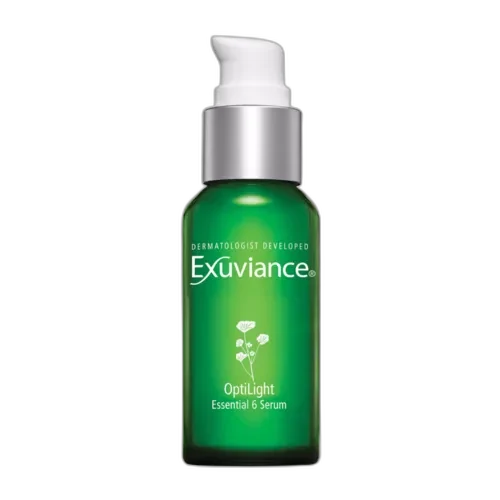
OptiLight Essential 6 Serum Concentrate
Multi-Pathway Brightener
 Verified reviewer
Pros & cons.
- +Six-pathway approach targets melanin production through genuinely distinct mechanisms
- +NeoGlucosamine (acetyl glucosamine) is a unique brightening active with a novel mechanism of action
- +Oligopeptide-34 adds MITF pathway suppression not found in most brightening serums
- +Lipid-soluble vitamin C ester penetrates more effectively than water-soluble forms
- +Licorice root extract provides both brightening and anti-inflammatory benefits
- +Hydroquinone-free formula avoids the safety concerns of long-term hydroquinone use
- +Developed by the dermatologists who pioneered AHAs and PHAs in skincare
- −Denatured alcohol as the second ingredient can disrupt the skin barrier and cause irritation
- −Strong botanical fragrance from numerous flower and plant extracts
- −High allergen potential from lavender, clove, jasmine, and peppermint extracts
- −Not suitable for dry, sensitive, or barrier-compromised skin types
- −Product appears to be discontinued or unavailable at several major retailers
The full review.
The science behind the Exuviance OptiLight Essential 6 Serum reads like a graduate lecture on melanogenesis. It uses six distinct pigment-control pathways and eleven brightening agents. It contains a proprietary ingredient from the dermatologists who introduced alpha hydroxy acids. On paper, this is one of the most thoughtfully constructed brightening serums on the market. But the second ingredient on the INCI list is denatured alcohol, which complicates the formula.
The primary active is impressive. NeoGlucosamine — Exuviance’s trademarked name for acetyl glucosamine — sits third in the formula, suggesting a high concentration. Acetyl glucosamine works differently than most brightening ingredients. Instead of directly blocking tyrosinase, it interferes with the glycosylation of tyrosinase — a step upstream. It stops the factory from being built rather than shutting it down while it runs. This distinction matters; acetyl glucosamine works alongside traditional tyrosinase inhibitors without redundancy.
Oligopeptide-34 targets the MITF signaling cascade that tells melanocytes to increase pigment production. Tetrahexyldecyl ascorbate, a lipid-soluble vitamin C ester, provides direct tyrosinase inhibition. Licorice root extract adds glabridin, a tyrosinase inhibitor that also offers anti-inflammatory properties to calm the post-inflammatory pigmentation cycle. The Alpine plant complex — yarrow, lady’s mantle, mallow, lemon balm, peppermint, primrose, and veronica — adds a botanical antioxidant layer to support the actives.
The formula attacks melanin production from different angles. This is not ingredient stacking where five forms of vitamin C inflate a label; these are mechanistically distinct pathways working in parallel. It is clever, evidence-informed formulation from a company with the research background to execute it.
Now, the alcohol. Denatured alcohol is at position two in the INCI list, meaning it likely makes up 15-25% of the formula. Alcohol denat serves several purposes in serums: it acts as a solvent for ingredients that do not dissolve in water, it helps actives penetrate the stratum corneum, and it creates a lightweight, fast-drying texture. These are functional formulation benefits.
The costs are also real. Denatured alcohol disrupts the skin barrier by dissolving lipids in the stratum corneum. It triggers free radical generation in skin cells. It causes dryness, irritation, and inflammation — the same conditions that drive post-inflammatory hyperpigmentation, which this serum claims to treat. Using a formula that can trigger PIH to treat PIH is a paradox.
Oily and normal skin types with resilient barriers may tolerate the alcohol, especially if they use a good moisturizer. The quick dry-down and matte finish feel pleasant, and fast absorption delivers actives efficiently. But for dry, sensitive, or barrier-compromised skin — the types most susceptible to post-inflammatory hyperpigmentation — this formula likely causes more problems than it solves.
The botanical fragrance is another factor. With lavender, jasmine, clove, gardenia, and other flower extracts, the scent is floral and herbal. This is not added fragrance in the traditional sense, as these extracts have functional roles, but the cumulative effect means the product is not fragrance-free. For those sensitive to botanicals, the allergen potential is significant.
Results are good for those who tolerate the formula. Dark spots from sun damage and post-acne marks fade noticeably within four to six weeks. The gentle exfoliation from acetyl glucosamine produces visible brightening within the first two weeks. Users who use daily SPF report improvements in skin tone evenness.
The price — seventy-two dollars for one ounce — is reasonable for clinical brightening serums. However, the alcohol-heavy base makes the cost less justified compared to alcohol-free competitors with similar active ingredients at comparable or lower prices.
This product also appears to be discontinued or phased out at several retailers. This is a practical concern for anyone wanting a long-term brightening routine.
The OptiLight Essential 6 Serum is a smart formulation in a questionable vehicle. The active ingredients deserve a base that supports the skin barrier rather than challenging it. For those with resilient, non-sensitive skin and stubborn hyperpigmentation, the multi-pathway approach delivers results. For everyone else, the alcohol content makes this a difficult recommendation when alcohol-free brightening alternatives exist.
Ingredient analysis.
Full INCI list
Aqua (Water), Alcohol Denat., Butylene Glycol, Acetyl Glucosamine, Polysorbate 80, Dimethicone PEG-7 Phosphate, Glycerin, Oligopeptide-34, Glycyrrhiza Glabra (Licorice) Root Extract, Tetrahexyldecyl Ascorbate, Achillea Millefolium (Yarrow) Extract, Alchemilla Vulgaris (Lady's Mantle) Extract, Malva Sylvestris (Mallow) Extract, Melissa Officinalis (Lemon Balm) Leaf Extract, Mentha Piperita (Peppermint) Leaf Extract, Primula Veris Extract, Veronica Officinalis Extract, Citrus Aurantium Dulcis (Orange) Fruit Extract, Eucommia Ulmoides Leaf Extract, Citrus Aurantium Dulcis (Orange) Peel Extract, Elettaria Cardamomum Seed Extract, Hydrogenated Lecithin, Lavandula Angustifolia (Lavender) Flower/Leaf/Stem Extract, Eugenia Caryophyllus (Clove) Flower Extract, Gardenia Tahitensis Flower Extract, Hedychium Spicatum Extract, Hibiscus Abelmoschus Extract, Jasminum Officinale (Jasmine) Flower/Leaf Extract, Plumeria Rubra Flower Extract, Caprylic/Capric Triglyceride, Polianthes Tuberosa Extract, Prunus Armeniaca (Apricot) Fruit Extract, Pyrus Malus (Apple) Fruit Extract, Vanilla Planifolia Fruit Extract, Hydroxyethylcellulose, Ammonium Hydroxide, Sodium Bisulfite, Disodium EDTA, Sodium Oleate, Chlorphenesin, Caprylyl Glycol, Phenoxyethanol
Skin match.
The science.
The Science
This serum uses a multi-pathway brightening strategy based on different melanin regulation mechanisms. Acetyl glucosamine (N-acetyl glucosamine) works via a mechanism first described in the Journal of Cosmetic Dermatology—it inhibits tyrosinase glycosylation, a post-translational modification needed for enzyme activation and transport to melanosomes. This mechanism differs from direct tyrosinase inhibitors like hydroquinone, vitamin C, or arbutin, so acetyl glucosamine adds brightening when used with those ingredients.
Oligopeptide-34 is a synthetic peptide that targets the melanocyte-specific transcription factor MITF (microphthalmia-associated transcription factor). MITF regulates the expression of tyrosinase, TRP-1, and TRP-2—the main enzymes in the melanin synthesis pathway. By downregulating MITF, oligopeptide-34 reduces the melanocyte's total melanogenic capacity instead of just inhibiting individual enzymes.
Tetrahexyldecyl ascorbate is a lipid-soluble ascorbic acid ester that penetrates the stratum corneum better than water-soluble vitamin C forms. Once in the skin, it converts to L-ascorbic acid. L-ascorbic acid directly chelates the copper ion at the tyrosinase active site, stopping the enzyme from oxidizing tyrosine to DOPA and dopaquinone.
Glycyrrhiza glabra (licorice) root extract contains glabridin. Research in Pigment Cell Research shows glabridin inhibits tyrosinase in a dose-dependent manner and suppresses UVB-induced melanogenesis, addressing both constitutive and UV-stimulated pigmentation. The anti-inflammatory properties of glycyrrhizin, another licorice derivative, help break the inflammation-melanogenesis cycle that drives post-inflammatory hyperpigmentation.
The main caveat is the high concentration of denatured alcohol. Research in the Journal of Hospital Infection and elsewhere shows alcohol disrupts the stratum corneum lipid barrier, increases transepidermal water loss, and can trigger inflammation—which may counterwork a formula designed to combat inflammation-driven pigmentation.
Dermatologist Perspective
Dermatologists value this multi-pathway brightening approach, noting that targeting melanin through several distinct mechanisms can produce better results than single-ingredient treatments. Board-certified dermatologists see acetyl glucosamine and oligopeptide-34 as less common but scientifically interesting brightening agents that complement established ingredients like vitamin C and licorice. However, clinicians worry about the high denatured alcohol content, which can compromise the skin barrier and trigger inflammatory responses that worsen post-inflammatory hyperpigmentation. Dermatologists typically recommend that patients with sensitive skin or active barrier compromise use alcohol-free brightening alternatives, and that all brightening serum users use daily SPF 30+ to prevent UV-induced re-pigmentation.
Where it fits in your routine.
Apply a thin layer to clean, dry skin in the evening after cleansing and toning. Use a hydrating moisturizer immediately to counteract the alcohol base's drying effects. Avoid the eye area. For morning use, apply before moisturizer and follow with broad-spectrum SPF 30+ sunscreen — brightening actives require this. Start with every-other-day application to assess tolerance before moving to daily use.
At $72 for 1 fl oz, this serum costs what clinical brightening serums typically cost. The multi-pathway active ingredient strategy uses acetyl glucosamine, oligopeptide-34, vitamin C ester, and licorice root. This complexity justifies a premium over simpler vitamin C serums. However, high denatured alcohol content and the product's apparent discontinuation status lower the value. Consumers buying a brightening serum for long-term hyperpigmentation management require product continuity and a formula that supports the skin barrier instead of challenging it.
People with resilient, normal to oily skin facing stubborn hyperpigmentation, sun-induced dark spots, or post-acne marks who saw no results from simpler vitamin C or niacinamide serums use this. It works best for those who tolerate alcohol in skincare and use daily SPF.
Avoid this formula if you have dry, sensitive, or barrier-compromised skin because it has high denatured alcohol content. Skip this if you have contact allergies to botanical ingredients; the long plant extract list includes several common allergens. Since the product is discontinued, those starting a new long-term brightening routine should choose an actively produced alternative.
Product details.
The extensive plant extract complex has a noticeable botanical fragrance. Lavender, jasmine, clove, and gardenia provide floral and herbal notes. It is not subtle.
A glass bottle uses a pump dispenser. The opaque packaging protects the light-sensitive vitamin C ester from degradation. ***
The serum applies like water and absorbs in seconds. The alcohol and peppermint extract cause a slight tingling or cooling sensation. The botanical scent is immediate. Within the first 1-2 weeks, some users see mild brightening as acetyl glucosamine promotes gentle exfoliation of surface pigmentation.
2-3 months with once-daily evening application ***
12 months ***
All Year ***
The backstory.
The NeoStrata Company spent decades researching acid-based exfoliation, and NeoGlucosamine (acetyl glucosamine) emerged as their proprietary alternative to traditional AHAs for pigment correction. The OptiLight Essential 6 Serum was developed to showcase this technology alongside complementary brightening actives, creating what Exuviance markets as a six-system approach to pigmentation control. The formula reflects the brand's research-driven philosophy but makes a questionable trade-off by using denatured alcohol as the delivery vehicle.
About Exuviance
Legacy Brand (20+ years)Exuviance is a brand under NeoStrata Company Inc., founded in 1988 by dermatologists Dr. Eugene Van Scott and Dr. Ruey Yu in Princeton, New Jersey. The founders pioneered the discovery and clinical application of alpha hydroxy acids (AHAs) and polyhydroxy acids (PHAs) in skincare, and their research is published in peer-reviewed dermatological literature.
Common myths.
Hydroquinone treats hyperpigmentation effectively.
Hydroquinone is the most clinically validated topical brightener, but prolonged use carries risks like ochronosis and several countries restrict or ban it. Multi-ingredient brightening approaches like this serum — combining acetyl glucosamine, peptides, vitamin C, and licorice — produce meaningful results on mild to moderate hyperpigmentation without the safety concerns of hydroquinone.
Brightening serums can permanently remove dark spots.
No topical product permanently eliminates hyperpigmentation. This serum suppresses melanin production and increases pigmented cell turnover. Without ongoing use and rigorous daily SPF, melanocytes resume normal pigment production and spots return—especially with UV exposure.
FAQ.
How does Exuviance OptiLight Essential 6 Serum work on dark spots?
This serum targets hyperpigmentation using six simultaneous mechanisms: acetyl glucosamine blocks tyrosinase glycosylation, oligopeptide-34 suppresses the MITF signaling pathway, tetrahexyldecyl ascorbate inhibits tyrosinase directly, licorice root extract uses glabridin for enzyme inhibition, and the Alpine plant complex provides antioxidant support against UV-triggered melanogenesis. This multi-pathway approach attacks pigment production from several angles.
***
Is Exuviance OptiLight Essential 6 Serum safe for sensitive skin?
This serum is not ideal for sensitive skin. Denatured alcohol is the second ingredient and causes irritation, dryness, and barrier disruption. The formula also contains peppermint extract, clove extract, and numerous botanical allergens. Sensitive skin types should use alcohol-free brightening alternatives.
***
Can I use Exuviance OptiLight with retinol?
Using this serum with retinol increases irritation risk because of the high alcohol content and acetyl glucosamine's exfoliating effect. If you use both, alternate them—use retinol on some evenings and this serum on others—instead of layering them in the same routine.
***
Why does this serum contain so much alcohol?
Denatured alcohol (alcohol denat.) acts as a solvent and penetration enhancer to help active ingredients absorb quickly into the skin. It also creates the lightweight, fast-drying texture. The trade-off is that it can dry and irritate sensitive or dry skin types, and long-term daily use may compromise the skin barrier.
Is Exuviance OptiLight Essential 6 Serum discontinued?
This product is discontinued or unavailable at several major retailers. Exuviance updated their product line; look for similar brightening formulations in their current range. Check the official Exuviance website for current product availability.
***
Do I need to wear sunscreen with this serum?
Daily broad-spectrum SPF 30+ is essential when you use any brightening serum. The actives in this formula suppress melanin production and make skin more vulnerable to UV-induced pigmentation. Without consistent sun protection, dark spots return and worsen, negating the serum's effects.
What the community says.
"Visible brightening and fading of dark spots within weeks"
"Fast-absorbing lightweight texture that layers well under moisturizer"
"Effective at reducing post-acne hyperpigmentation marks"
"Hydroquinone-free formula offers a gentler brightening approach"
"NeoGlucosamine technology provides gentle exfoliation without harsh acids"
"High alcohol content is drying and irritating for sensitive or dry skin"
"Strong botanical scent from the many flower and plant extracts"
"Product appears to be discontinued at several retailers"
"Dark spots return if SPF is not used consistently"
"Multiple botanical extracts increase allergen risk"
Featured in.
People also looked at.