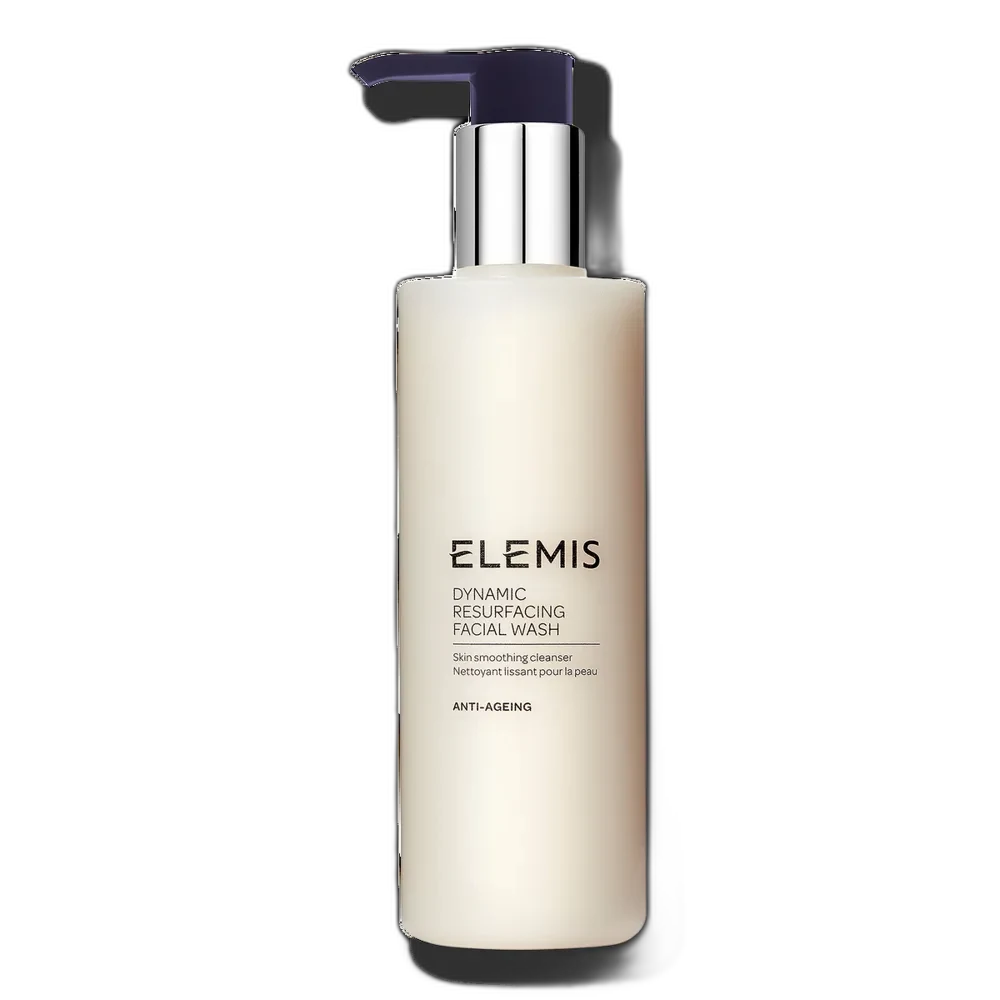
Dynamic Resurfacing Facial Wash
Spa-Grade Daily Resurfacer
 Verified reviewer
Pros & cons.
- +Patented tri-enzyme technology offers genuinely gentle, pH-independent daily exfoliation
- +No stinging, photosensitivity, or barrier disruption associated with acid exfoliants
- +Gentle surfactant system that cleanses without stripping the skin barrier
- +Conditioning oils (babassu, shea) prevent post-wash tightness and dryness
- +Nearly two decades of market validation and professional spa use
- +White truffle extract supports skin microflora during exfoliation
- +Suitable for a wide range of skin types including most sensitive skin
- −At $55 for a wash-off product, enzyme contact time is inherently limited
- −Contains fragrance (parfum) — inconsistent with sensitive skin marketing
- −Enzyme effects are subtler than acid exfoliants and may not satisfy those wanting dramatic results
- −Not vegan (contains enzymes from animal/bacterial sources)
- −The pearlescent texture may feel too thick for those preferring lightweight gel cleansers
The full review.
In 2006, while the skincare industry debated glycolic versus salicylic acid, Elemis patented a new method. Their Tri-Enzyme Technology uses three proteolytic enzymes — papain from papaya, protease, and subtilisin from Bacillus bacteria — to digest proteins and break down dead skin cells instead of using acid dissolution. Nearly two decades later, the Dynamic Resurfacing Facial Wash is the easiest way to access this technology, and its long-term market success is notable.
The concept is simple. Acid exfoliants lower pH to dissolve the desmosomes—the intercellular cement—that hold dead corneocytes to the skin. This works, but causes stinging, potential barrier disruption, increased photosensitivity, and requires strict pH management. Enzymes avoid these issues. Papain and subtilisin are proteases that cleave keratin protein in dead cells directly without a low pH. This allows the cleanser to work at a skin-friendly pH with no stinging, no increased sun sensitivity, and a lower risk of over-exfoliation.
The surfactant system supports the enzymes well. Sodium lauroyl sarcosinate, an amino acid-derived cleanser, leads the formula alongside cocamidopropyl betaine and coco-glucoside. This sulfate-free trio cleanses effectively without the stripping effects of SLS-based formulas. Glycerin is a primary humectant high on the ingredient list, while babassu seed oil and shea butter provide emollient conditioning to prevent post-wash tightness.
The experience is subtle. Glycol distearate gives the gel a pearlescent quality, and it lathers into a creamy foam. There is no tingling, scrubbing, or obvious sensation of exfoliation. After rinsing, skin feels smoother and shows a subtle brightness. The effect is strongest during the first few uses before becoming a baseline with daily use.
The botanical ingredients are notable. Moringa seed extract provides anti-pollution benefits by binding and removing environmental particulates. White truffle (Poria cocos) extract provides antioxidant support and protects the skin’s microflora, which is important since aggressive exfoliation can disrupt microbial balance. Tocopherol adds vitamin E antioxidant protection. These choices move the formula beyond a simple enzyme-plus-surfactant mix.
The cost is the difficult part. This cleanser costs $55 for 6.7 fl oz. For a wash-off product, the enzymes — the reason for the product — only touch your skin for 30 to 60 seconds before rinsing. While enzyme activity is not zero during contact, efficacy is limited by contact time. Leave-on enzyme treatments and enzyme masks provide 10-20 minutes of contact and deliver more pronounced results than a rinse-off format.
The cleanser works; thousands of users report smoother, brighter skin. However, you pay a premium for a delivery format that limits the technology justifying the price. If budget matters, consider this.
The formula also contains fragrance (parfum), the main compromise in this well-constructed product. The scent fits the brand’s spa heritage, but fragrance is a common cause of contact dermatitis. Including it in a product marketed for sensitive skin is a disconnect.
As a daily cleanser, the Dynamic Resurfacing Facial Wash fits most routines. Use it in the morning before vitamin C and sunscreen, in the evening before retinol and moisturizer, or as a second cleanse after an oil balm. The enzymatic exfoliation complements most other actives.
Elemis brings professional-grade formulations to home consumers, and this cleanser follows that philosophy. It is an innovative approach to daily exfoliation with nearly two decades of refinement. Whether the innovation justifies washing $55 down the drain depends on if you value the elegant approach or your skincare budget.
Ingredient analysis.
Full INCI list
Aqua/Water/Eau, Sodium Lauroyl Sarcosinate, Glycerin, Cocamidopropyl Betaine, Acrylates Copolymer, Polysorbate 20, Coco-Glucoside, Glycol Distearate, Glyceryl Oleate, Sodium Lactate, Dicaprylyl Ether, Phenoxyethanol, Lauryl Alcohol, Fragrance (Parfum), Sodium Chloride, Orbignya Oleifera (Babassu) Seed Oil, Xanthan Gum, Caprylyl Glycol, Propylene Glycol, Sodium Hydroxide, Chlorphenesin, Citric Acid, Glyceryl Stearate, Papain, Disodium EDTA, Galactoarabinan, Behenyl Alcohol, Butyrospermum Parkii (Shea) Butter, Benzoic Acid, Moringa Pterygosperma Seed Extract, Hydrogenated Castor Oil, Disodium Phosphate, Stearyl Alcohol, Protease, Subtilisin, Tocopherol, Hydrogenated Palm Glycerides Citrate, Poria Cocos (White Truffle) Extract
Skin match.
The science.
The Science
The Tri-Enzyme Technology in this cleanser uses three proteolytic enzymes with distinct, complementary mechanisms. Papain, from Carica papaya, is a cysteine protease that cleaves peptide bonds in keratin—the structural protein in dead surface corneocytes. A 2002 study in the Archives of Dermatological Research shows papain-based enzyme peels improve skin texture and reduce photodamage signs with fewer adverse effects than glycolic acid peels at similar clinical outcomes. Subtilisin, a serine protease from Bacillus bacteria, has extensive biotechnology research on its protein-degrading capabilities and cleaves keratin with different specificity than papain alone. This combination targets multiple peptide bond types at once, increasing exfoliation efficiency. Enzyme activity is not pH-dependent, unlike acid exfoliants—papain works best between pH 5-7, matching the skin's natural pH. This removes the need for the low-pH environment (pH 3-4) AHAs require, lowering the risk of barrier disruption. Galactoarabinan, a polysaccharide from larch trees, acts as a humectant and film-forming agent that helps extend the enzymatic system's contact time during cleansing.
Dermatologist Perspective
Dermatologists often recommend enzyme-based exfoliation for patients who cannot tolerate acid exfoliants, such as those with rosacea, post-procedure sensitivity, or compromised skin barriers. Board-certified dermatologists note the enzymatic approach offers resurfacing benefits with a lower risk profile than AHA or BHA products. The wash-off format limits enzyme contact time, which dermatologists see as both a safety feature (less over-exfoliation risk) and an efficacy limitation. For patients seeking stronger results, dermatologists may recommend using this daily cleanser with periodic enzyme masks or professional treatments for enhanced resurfacing.
Where it fits in your routine.
Wet your face with lukewarm water. Put a small amount of gel in your hands and massage it onto your face for 30-60 seconds. This contact time lets the enzymes work on dead surface cells. Avoid the eye area. Rinse with lukewarm water and pat dry. Use this as your daily cleanser every morning and evening. For evening routines, use it as a second cleanse after an oil or balm cleanser to remove sunscreen and makeup.
At $55 for 6.7 fl oz, this cleanser is expensive. The 200 mL tube lasts about 3-4 months with twice-daily use, costing roughly $0.45-0.60 per use. The patented tri-enzyme technology is unique and the formulation is sophisticated, but the wash-off format limits contact time with the enzymes, making the value debatable. A travel size is available for testing. For a legacy brand with decades of spa expertise and a patented technology, the premium reflects innovation. Budget-conscious consumers should weigh if subtle daily benefits justify the cost compared to an affordable cleanser and a periodic leave-on enzyme treatment.
Use this for gentle daily exfoliation without the stinging, photosensitivity, or barrier disruption caused by acid exfoliants. It works for dull, textured skin needing a resurfacing approach safe for daily use. It suits mature skin, post-procedure skin, and those who want a spa-like cleansing experience.
Consumers on a budget will find $55 too high for a wash-off product. The formula contains parfum, so those with fragrance sensitivities should be aware. The enzymatic approach is more subtle than strong AHA or BHA treatments and may not provide the dramatic, visible exfoliation some expect.
Product details.
This pearlescent gel turns into a creamy, gentle lather when mixed with water. The thick consistency feels smooth during cleansing.
The fragrance is noticeable but refined, with spa-like and herbaceous notes. Most users find it pleasant, but fragrance-sensitive individuals will notice it.
White squeeze tube with minimalist branding. Travel size options exist for sampling. The 6.7 fl oz tube is large for a luxury cleanser.
The pearlescent gel feels thick and smooth as it lathers. It has no tingling, burning, or physical scrubbing sensation — the enzymatic exfoliation is invisible during use. Skin feels smoother and looks subtly brighter immediately after rinsing. It does not cause tightness or stripping, even on drier skin types. The difference shows most during the first few uses.
3-4 months with twice-daily use
12 months
All Year
The backstory.
Elemis patented its Tri-Enzyme Technology in 2006, and the Dynamic Resurfacing Facial Wash became the gateway product for this innovation. Born from the brand's professional spa heritage, the concept was to deliver the resurfacing results of a professional enzyme treatment in a daily-use home format. Nearly two decades later, it remains one of Elemis's best-selling products and a staple in their luxury spa treatments worldwide.
About Elemis
Legacy Brand (20+ years)Linda Steiner founded Elemis in London in 1989 with co-founders Noella Gabriel, Sean Harrington, and Oriele Frank. The brand has a strong professional spa skincare reputation for over three decades. It uses patented technologies like Tri-Enzyme and operates in luxury spas and cruise ship treatments worldwide.
Common myths.
Enzyme cleansers are weaker than acid exfoliants and lack efficacy.
Enzyme exfoliation uses a different mechanism. Proteolytic enzymes like papain and subtilisin break down keratin protein in dead skin cells, whereas acids dissolve bonds between cells. Both methods resurface skin, but enzymes avoid the pH sensitivity, stinging, or photosensitivity risk of AHAs and BHAs.
You shouldn't exfoliate every day.
Daily aggressive acid exfoliation can compromise the skin barrier, but the enzyme-based exfoliation in this cleanser works for most skin types daily. The enzymes selectively target dead surface cells and leave living layers beneath alone, while the wash-off format limits contact time.
FAQ.
How does the Elemis Tri-Enzyme Technology work?
The patented Tri-Enzyme complex uses three enzymes — papain (from papaya), protease, and subtilisin — to break down surface keratin protein in dead skin cells. This differs from acid exfoliation, which dissolves cell bonds. The result is gentle resurfacing safe for daily use without pH-dependent activity or photosensitivity.
Can you use Elemis Dynamic Resurfacing Facial Wash with retinol?
Yes — enzyme exfoliation does not increase photosensitivity or compromise the skin barrier like strong acid exfoliants. This cleanser works well with an evening retinol routine. If your skin shows retinol irritation (peeling, redness), switch to a non-exfoliating cleanser temporarily.
Is the Elemis Dynamic Resurfacing Facial Wash worth the price?
At $55 for 6.7 fl oz, this wash-off product costs a lot. The patented tri-enzyme technology is unique and the formulation is sophisticated, but the core enzyme actives rinse off in under a minute. Whether that premium is worth it depends on your budget and how much you value daily enzymatic resurfacing.
How often should you use Elemis Dynamic Resurfacing Facial Wash?
Use this cleanser every morning and evening. The enzymatic exfoliation works for most skin types twice daily. For optimal enzyme activity, leave the lather on your face for 30-60 seconds before rinsing so the enzymes work on dead skin cells.
What the community says.
"Noticeably smoother skin after first use"
"Gentle enough for daily use — does not irritate"
"Luxurious texture and pleasant scent"
"Effective at brightening dull complexions"
"Does not strip or leave skin feeling tight"
"Expensive for a wash-off cleanser at $55"
"Contains fragrance which may irritate sensitive noses"
"Enzyme benefits may be subtle compared to acid exfoliants"
"Some users find the texture too thick or pearlescent"
People also looked at.