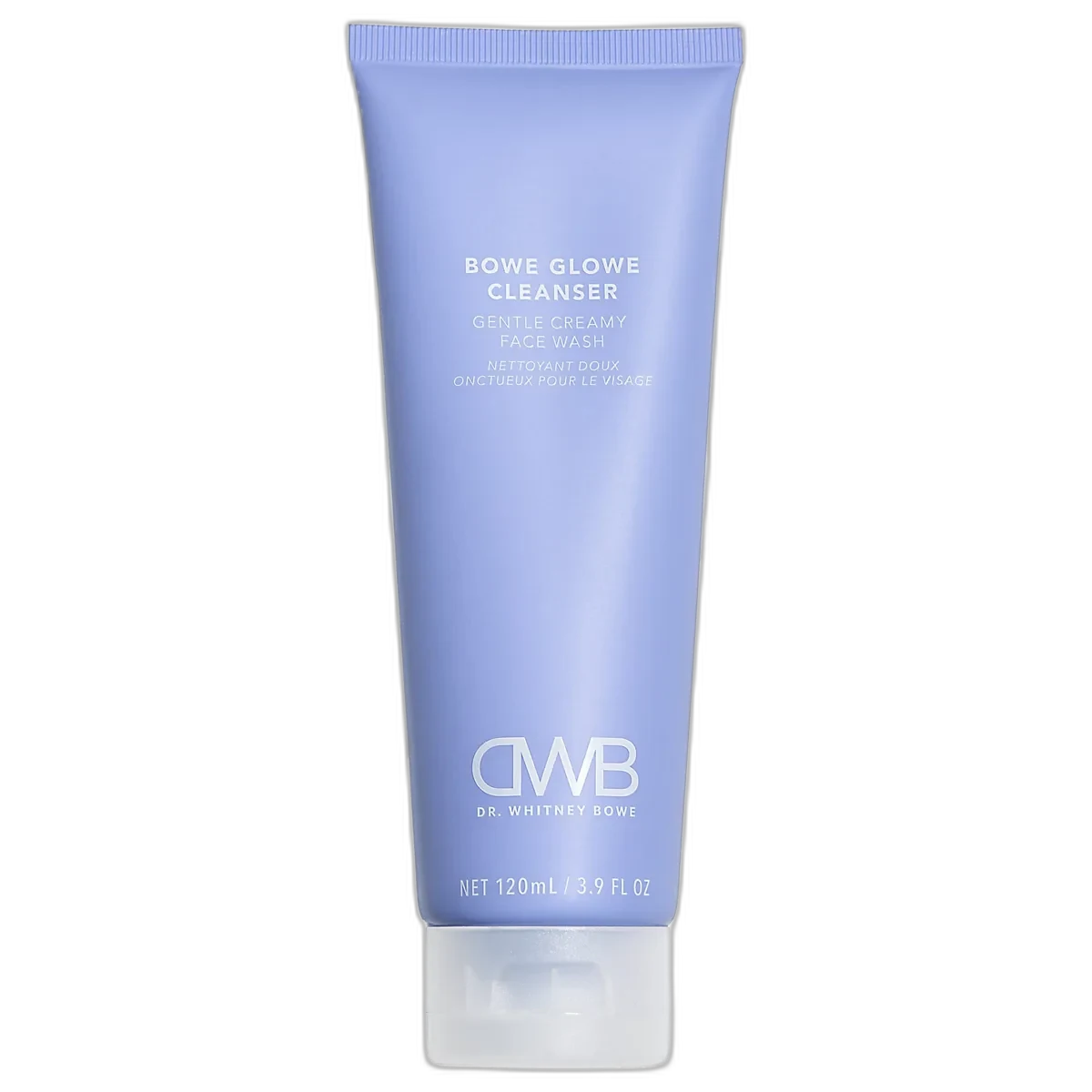
Microbiome Reset Purifying Gel Cleanser
Microbiome-Friendly Daily Gel Cleanser
 Verified reviewer
Pros & cons.
- +Sulfate-free surfactant system that doesn't strip the barrier or disrupt the microbiome
- +Pro-pre-postbiotic complex reinforces the brand's microbiome-friendly philosophy
- +pH-balanced at around 5.5 for compatibility with the skin's acid mantle
- +Fragrance-free, essential-oil-free, alcohol-free formulation
- +Gentle enough for twice-daily use on sensitive, reactive, or compromised skin
- +Added niacinamide and panthenol for small functional bonuses beyond cleansing
- +Dermatologist-founder credibility and thoughtful formulation architecture
- −Premium price compared to drugstore gentle cleansers with similar surfactant systems
- −Brand launched in 2023 — limited long-term user track record
- −Mild foam may feel less satisfying for oily users accustomed to heavier lather
- −Product naming and availability has shifted across the brand's catalog since launch
- −Won't remove heavy makeup without a pre-cleansing step
The full review.
Many skincare products have used the word ‘microbiome’ over the last five years, but not all are meaningful. A leave-on moisturizer with a postbiotic ferment and a prebiotic oligosaccharide interacts with the skin’s bacterial community for hours. A rinse-off cleanser on the face for 45 seconds has limited direct postbiotic delivery. This creates a formulation challenge: making a cleanser that supports the microbiome instead of just using ‘microbiome reset’ on the label.
The answer depends more on what you avoid than what you add. Aggressive sulfate-based surfactants at alkaline pH disrupt commensal bacterial populations, and recovery can take hours or days. A microbiome-friendly cleanser doesn’t just add lactobacillus ferment; it uses a gentler surfactant system that preserves existing microbes. Dr. Whitney Bowe’s formulation team understands this. The Microbiome Reset Purifying Gel Cleanser uses cocamidopropyl betaine, coco-glucoside, and sodium cocoyl isethionate—amphoteric or non-ionic surfactants with documented barrier-friendly profiles—instead of sulfates. The pro-pre-postbiotic ingredients are present, but they function as a philosophical expression of the brand’s microbiome thesis rather than the main mechanism of benefit.
The gel performs like a well-formulated gentle cleanser. A dime-sized dollop creates a soft, mildly bubbly lather on damp skin with water. It cleans effectively—removing sunscreen residue in the evening after a first cleanse, and removing overnight oil and sweat in the morning—without the tight, squeaky feeling of harsh gel cleansers. Sensitive skin types often see an immediate comfort upgrade: less redness, less post-cleanse tightness, and better moisturizer absorption. Acne-prone users may find that switching from an aggressive salicylic acid cleanser to this gentler option improves skin condition, as the original cleanser likely stripped skin and triggered compensatory oil production.
The pH is around 5, close to the skin’s natural acid mantle, which supports barrier integrity and microbiome balance. The niacinamide adds a small functional bonus; there is not enough leave-on time for meaningful brightening or pore-refining, but it reinforces the gentleness philosophy. Panthenol, allantoin, bisabolol, and aloe provide soothing effects. It is fragrance-free, essential-oil-free, and alcohol-free. This is cleaner formulation than most gel cleansers at any price point.
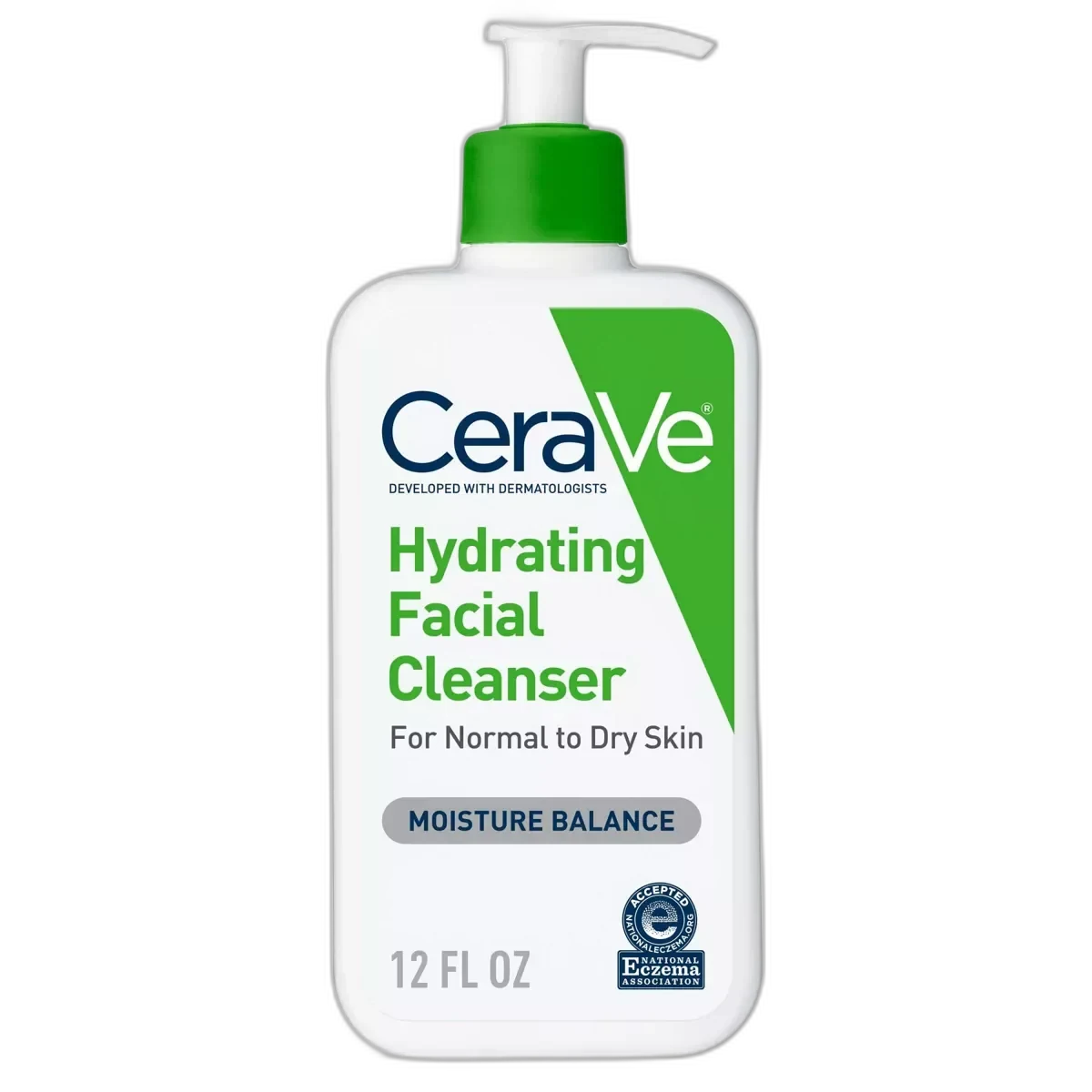
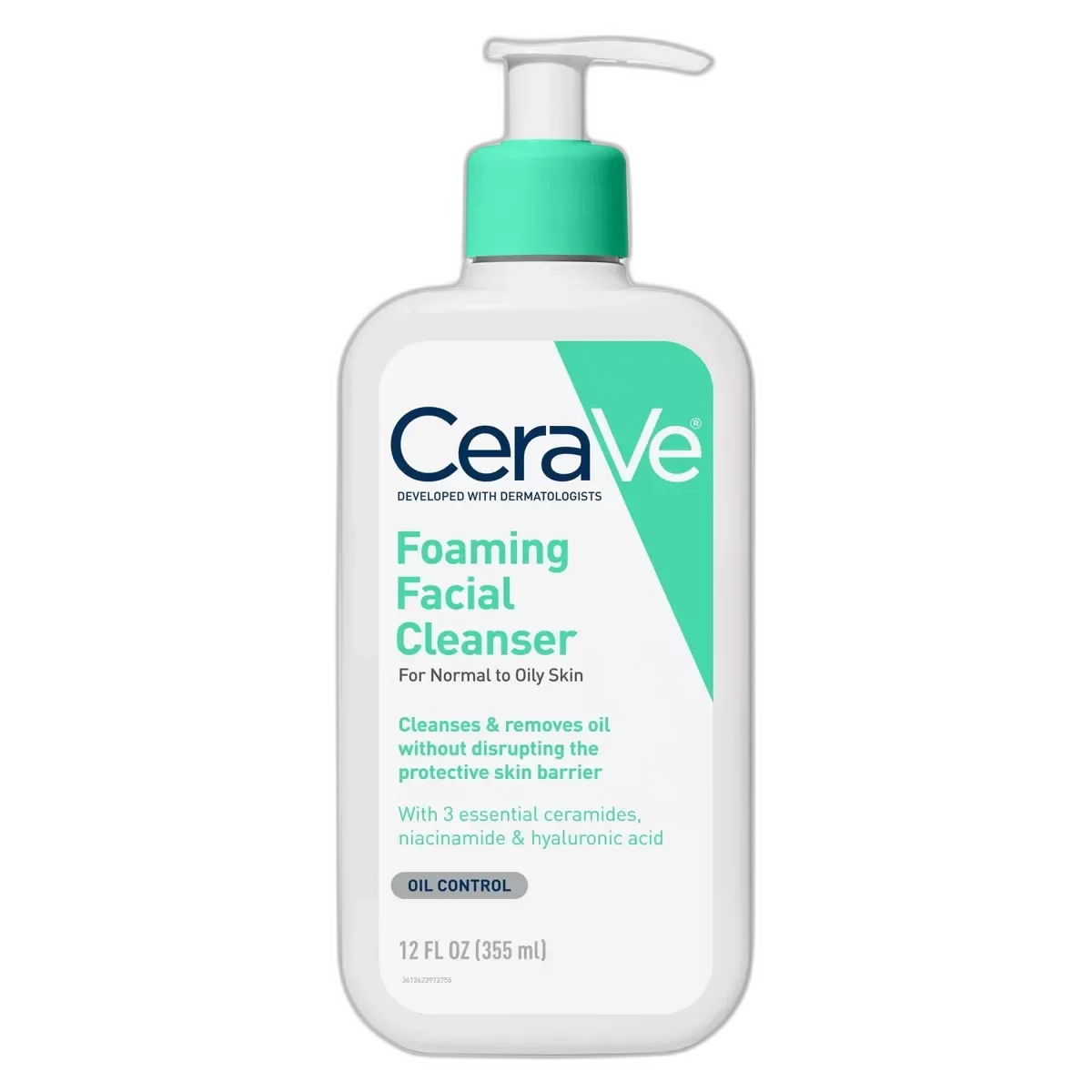
The main limitation is value. At a premium price, this cleanser costs more than equally gentle formulations from CeraVe, La Roche-Posay, Vanicream, or Avene—all of which offer sulfate-free gentle cleansers with similar surfactant systems for less money. At those lower prices, you lose the specific pro-pre-postbiotic complex and the Dr. Whitney Bowe Beauty brand positioning, but the real-world difference in outcomes for most users will be marginal. If you want to commit to the full microbiome philosophy across your routine, the premium makes sense. If you just want a gentle, effective daily cleanser, you can get 90% of the benefit at half the price.
The brand-newness caveat applies to every Dr. Whitney Bowe Beauty product. The 2023 launch means the finished product lacks the decade of real-world validation that legacy derm brands have. Dr. Bowe’s credentials are strong, but the brand experience—how products perform over years of daily use by thousands of users—is still being built. This is less of a concern for a simple cleanser than for an active treatment, but it is worth noting.
One small note: this cleanser may appear under different packaging or names in the current retail catalog. Dr. Whitney Bowe Beauty has evolved its lineup since launch; some 2023 products have been reformulated, renamed, or moved into bundles. Similar Dr. Whitney Bowe Beauty gel cleansers with different names are likely iterations of the same core formulation philosophy.
Who’s this for?
Anyone wanting a gentle, non-stripping daily gel cleanser from a dermatologist-developed brand with microbiome-conscious formulation. Sensitive skin types who struggle with foaming cleansers and want a thoughtful alternative. Users committed to the Dr. Whitney Bowe Beauty line who want a cleanser that matches their routine philosophy.
Who should skip?
Budget shoppers who can get equivalent gentle cleansing from drugstore alternatives for a fraction of the price. Users who specifically need a medicated acne cleanser with salicylic acid or benzoyl peroxide. Anyone happy with their current cleanser that causes no irritation or barrier issues.
Ingredient analysis.
Full INCI list · pH 5.5
Water/Aqua/Eau, Propanediol, Cocamidopropyl Betaine, Coco-Glucoside, Sodium Cocoyl Isethionate, Glycerin, Sodium Lauroyl Methyl Isethionate, Lactobacillus Ferment, Inulin, Alpha-Glucan Oligosaccharide, Panthenol, Allantoin, Bisabolol, Aloe Barbadensis Leaf Juice, Niacinamide, Sodium PCA, Tocopherol, Citric Acid, Sodium Chloride, Sodium Phytate, Phenoxyethanol, Ethylhexylglycerin, Xanthan Gum
Skin match.
The science.
The Science
This cleanser follows current dermatological best practices. Research in journals like the International Journal of Cosmetic Science, Contact Dermatitis, and the Journal of the American Academy of Dermatology shows that sulfate-based surfactants (sodium lauryl sulfate, sodium laureth sulfate) cause stratum corneum disruption, increased transepidermal water loss, and microbiome shifts compared to gentler amphoteric and non-ionic alternatives. Cocamidopropyl betaine and glucose-derived surfactants like coco-glucoside irritate skin significantly less than sulfates while still cleansing well for daily use. Sodium cocoyl isethionate is a mild anionic surfactant with a good tolerance profile, common in cleansers for sensitive skin. The pH stays close to the skin's natural range; research links this to better barrier recovery and less microbiome disruption than alkaline cleansers. The pro-pre-postbiotic complex — lactobacillus ferment, inulin, alpha-glucan oligosaccharide — has emerging evidence in topical skincare regarding microbiome composition and inflammatory markers. In a rinse-off format, contact time limits direct benefits, but the formulation reflects current microbiome research. Niacinamide is a well-studied topical active with robust evidence for barrier support, sebum regulation, and mild brightening — though these benefits are modest in a short-contact cleanser.
Dermatologist Perspective
Dermatologists recommend gentle, sulfate-free cleansers formulated at or near skin pH for patients with sensitive, reactive, rosacea-prone, or barrier-compromised skin. The surfactant system in this cleanser — cocamidopropyl betaine, coco-glucoside, sodium cocoyl isethionate — matches the formulations clinical guidance suggests instead of harsher foaming cleansers. For acne-prone patients, dermatologists note that gentle non-stripping cleansers often work better than aggressive salicylic or benzoyl peroxide cleansers, as the latter can trigger inflammation and compensatory oil production. Dermatological thinking increasingly recognizes the microbiome-friendly angle as research on skin commensal bacteria evolves, though dermatologists emphasize that choosing gentle pH-balanced cleansers is the most important variable. For patients interested in Dr. Whitney Bowe Beauty or the microbiome philosophy, this cleanser is a reasonable choice, though dermatologists note many drugstore alternatives provide equivalent clinical benefits at lower costs.
Where it fits in your routine.
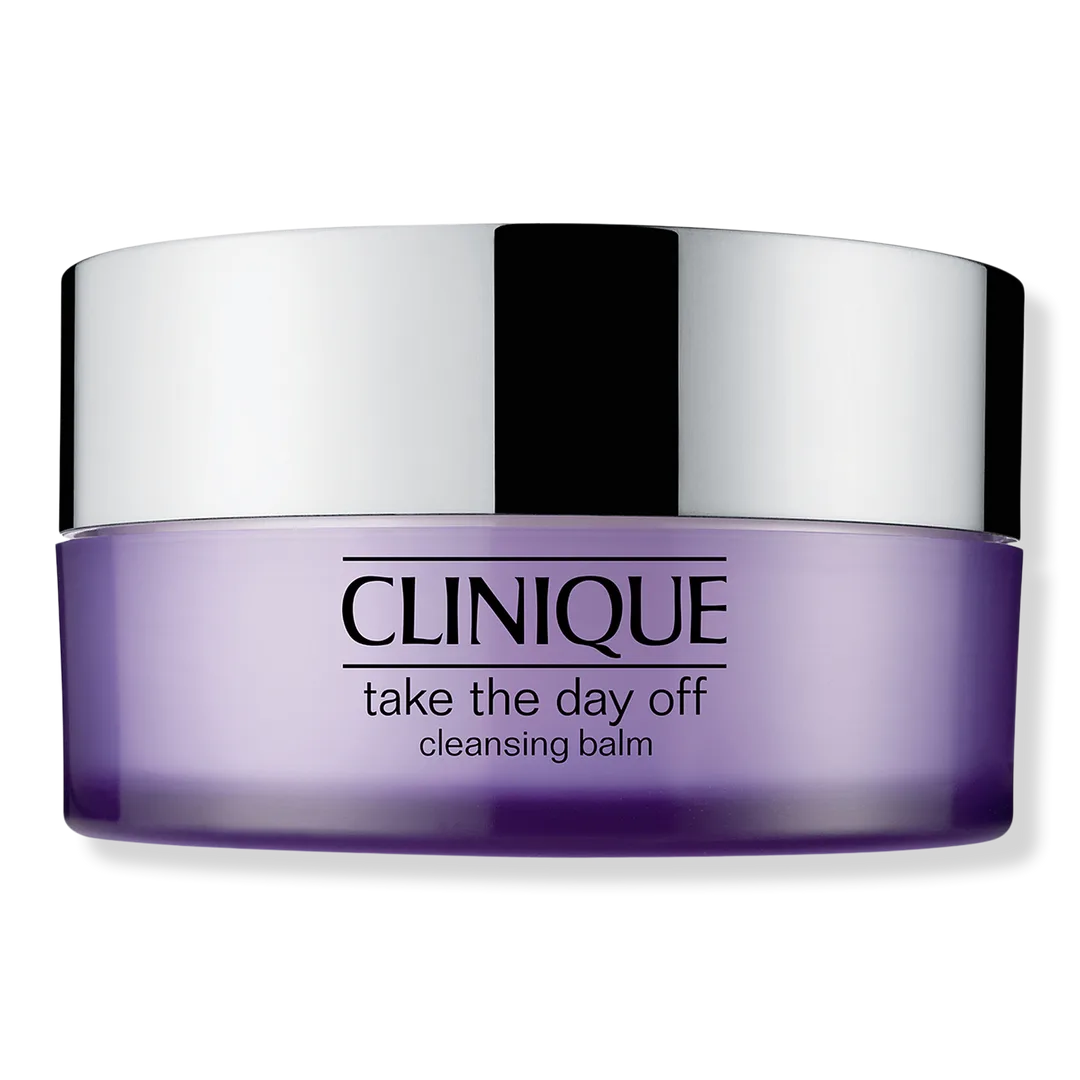
Massage a dime-sized amount into damp skin for 30-60 seconds, avoiding the eye area. Rinse with lukewarm water and pat dry. Use morning and evening. If you wear sunscreen, makeup, or live in a high-pollution environment, use it in the evening after an oil-based or balm pre-cleanser. Follow with toner, serums, and moisturizer. One 4oz bottle lasts 2-3 months with consistent twice-daily use.
At its premium price for 120ml, this cleanser costs more than comparable gentle sulfate-free cleansers from CeraVe, La Roche-Posay, Vanicream, and other drugstore brands. Those brands offer similar or better per-ounce value and comparable formulation gentleness. You pay for the specific pro-pre-postbiotic complex, the dermatologist-founder credibility, and consistency with the rest of the Dr. Whitney Bowe Beauty line. The pricing works for users committed to the brand's approach across their routine. For users who just want a gentle effective cleanser, cheaper alternatives deliver equivalent core benefits. The cleanser is the entry-price product in the Dr. Whitney Bowe Beauty line and acts as a reasonable gateway for those curious about the brand.
People seeking a gentle, sulfate-free, microbiome-conscious daily cleanser from a dermatologist-developed brand. Sensitive, reactive, rosacea-prone, or barrier-compromised skin types needing a non-stripping option. Users following Dr. Whitney Bowe Beauty's full routine approach.
Budget shoppers can find equivalent gentle cleansing in cheaper drugstore alternatives. Users who need a medicated cleanser with salicylic acid or benzoyl peroxide for acne treatment. Anyone satisfied with their current cleanser that causes no irritation or barrier problems.
Product details.
Clear lightweight gel that produces a soft, non-foamy lather with water
Fragrance-free
Tube or pump bottle — functional and travel-friendly
The first use creates a soft, mildly bubbly lather that rinses clean and leaves skin soft, not tight. Sensitive users who struggle with foaming cleansers notice immediate comfort. It causes no stinging or redness, even on compromised skin. Within the first week, most users find their moisturizer absorbs better and their skin feels more balanced all day.
2-3 months of twice-daily use
12 months
All Year
The backstory.
This cleanser launched alongside the rest of Dr. Whitney Bowe Beauty's original collection in 2023, built as the foundational step in the brand's microbiome-conscious routine philosophy. As the entry-price product in a line where moisturizers and serums push past $80, it's often the first product new customers try when they're curious about the brand — and it's designed to be the one that builds trust for the rest of the line.
About Dr. Whitney Bowe Beauty
New Brand (<2 years)Dr. Whitney Bowe Beauty launched in 2023 with this cleansing cornerstone. Board-certified dermatologist Dr. Whitney Bowe founded the brand. Her published research and clinical practice focus on the skin microbiome. The brand is new, but its formulation philosophy has established clinical backing.
Common myths.
Gel cleansers are always drying
Harsh sulfate-based gel cleansers dry the skin. Well-formulated sulfate-free gels like this one use gentler surfactants to clean effectively without disrupting the barrier. Texture isn't destiny — formulation is.
A cleanser needs to foam a lot to be effective
Foam depends on surfactant choice, not cleaning power. Non-sulfate cleansers foam less but clean just as well and are gentler. Heavy lather provides psychological satisfaction, but it is a habit, not a requirement.
FAQ.
Can I use this cleanser daily?
Yes — it works for daily use, morning and evening. The sulfate-free surfactant system is gentle; twice-daily use does not cause dryness or barrier disruption for most skin types. In the evening, use it as the second step of a double cleanse after an oil or balm.
Is this good for acne-prone skin?
Yes — the gentle surfactants do not strip the skin like many acne cleansers, which can trigger more oil production and inflammation. The niacinamide content provides mild pore-refining support. For active acne treatment, use this with a targeted serum (salicylic acid, benzoyl peroxide, or a retinoid) instead of expecting the cleanser alone to clear breakouts.
Does it remove makeup?
Use this for light makeup. For heavier makeup or daily sunscreen, use this as the second step after an oil cleanser or cleansing balm. Gel cleansers remove water-soluble dirt and light residue better than long-wear foundation or waterproof mascara.
How is this different from a drugstore gentle cleanser?
The core cleansing action matches well-formulated drugstore options like CeraVe Hydrating or La Roche-Posay Toleriane. It differs through the pro-pre-postbiotic complex (inulin, alpha-glucan oligosaccharide, lactobacillus ferment) and the dermatologist-founder formulation philosophy. Whether those differences justify the price depends on your value of the microbiome angle.
Is it pregnancy safe?
Yes — the formula lacks retinoids, salicylic acid, hydroquinone, or essential oils. It is a fully pregnancy-compatible cleanser.
Will it clear my acne?
No cleanser treats acne — even medicated ones work mostly as short-contact delivery vehicles. This cleanser won't cause acne (it's oil-free and fungal-acne-safe) and won't worsen existing acne, but it won't treat active breakouts. Targeted leave-on treatments do that.
Community
What the community says.
"Gentle but effective cleansing without stripping"
"Doesn't leave skin feeling tight"
"Fragrance-free and safe for sensitive skin"
"Dermatologist-founder credibility"
"$36 is expensive compared to drugstore gentle cleansers"
"Mild foam may feel less 'cleansing' for oily skin types used to heavier lather"
"New brand with less long-term track record"
People also looked at.