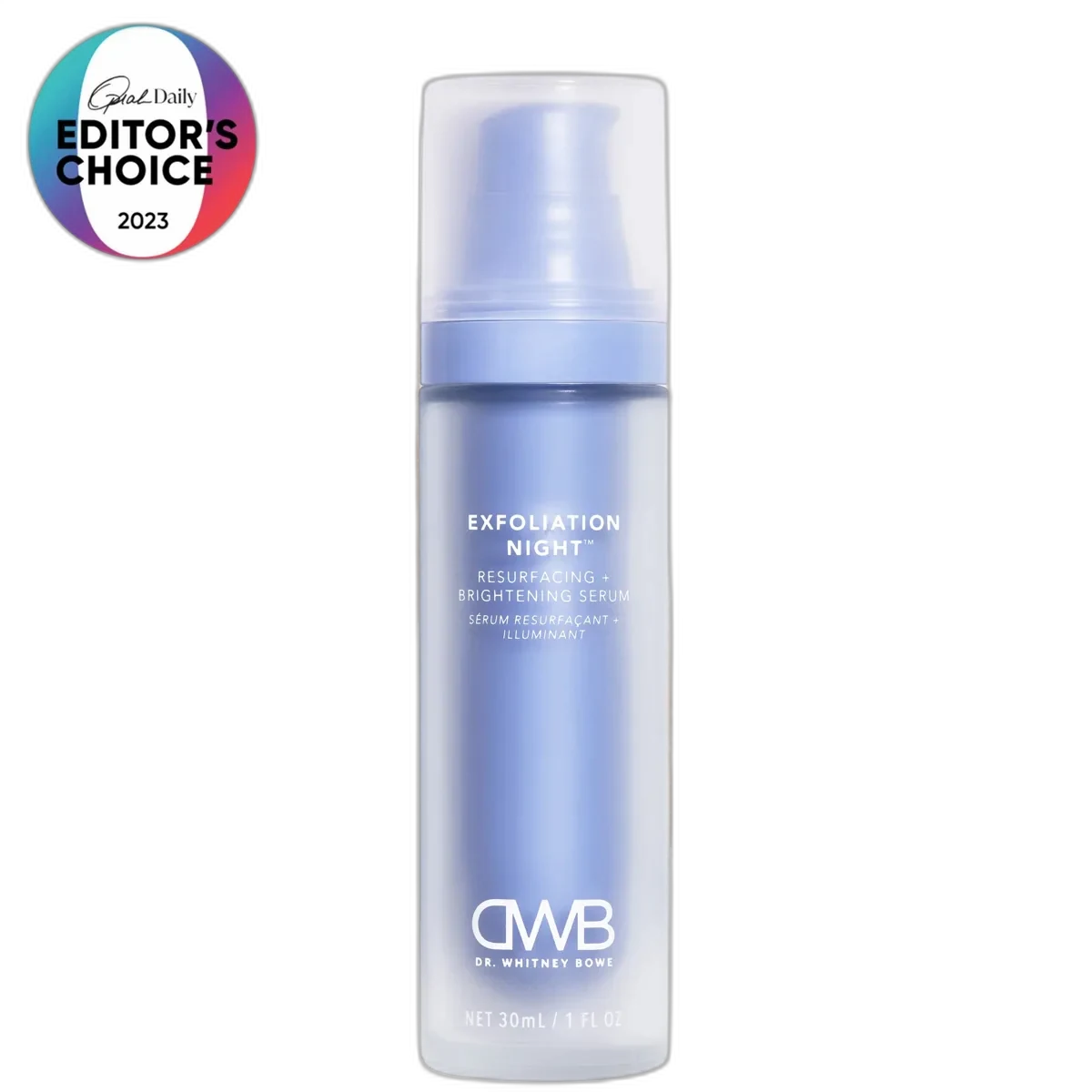
Acid Peel + Probiotic Brightening Gel Peel
Microbiome-Smart Resurfacing
 Verified reviewer
Pros & cons.
- +Sophisticated multi-acid formulation with AHA, PHA, and BHA layered for tiered exfoliation
- +Noticeably less irritating than comparable single-acid 10% glycolic peels
- +Lactobacillus ferment and antioxidants support barrier recovery after exfoliation
- +Fragrance-free, silicone-free, alcohol-free — clean formulation
- +Visible brightening and texture improvement within 2-3 weeks of consistent use
- +Dermatologist-founder with genuine clinical credentials and published microbiome focus
- +Airless pump packaging protects the actives from oxidation
- −Premium price at $88 for only 30ml
- −Brand launched in 2023 — limited long-term real-world track record
- −Not safe for pregnancy or breastfeeding due to salicylic acid content
- −Still requires caution with sensitive, rosacea-prone, or barrier-compromised skin
- −Cannot be layered with retinol, vitamin C, or benzoyl peroxide in the same routine
The full review.
Most chemical peels follow one rule: use the highest acid concentration the user can handle, keep the pH low for efficacy, and accept side effects—like temporary irritation, microbiome disruption, or pinkness—as the cost of results. This approach creates effective at-home products, but it also causes over-exfoliation, barrier damage, and a growing realization among dermatologists that the skin microbiome requires protection. Dr. Whitney Bowe has advocated for this topic for years, and in 2023 she launched a brand that uses microbiome-awareness in its formulations. This peel is the flagship product of that approach.
The ingredient architecture drives the difference. Instead of maximizing one acid, the formula layers 10% glycolic acid with gluconolactone and lactobionic acid—two polyhydroxy acids that exfoliate more slowly and gently—plus salicylic acid for pore penetration. This tiered exfoliation system uses different molecules at different depths and speeds to avoid the irritation spike of a straight 10% glycolic peel. The formula also includes lactobacillus ferment for postbiotic activity, resveratrol and seabuckthorn oil for antioxidant and barrier support, and aloe for immediate calming. It considers skin needs after the acid works, not just during.
The product feel reflects this design. The first few uses cause moderate tingling for three or four minutes and sometimes a mild pink flush, but it is less intense than a comparable 10% glycolic single-acid product. By the second week, most users find the tingling fades as skin adapts and brightening effects appear. Texture improvement on combination and oily skin usually shows within two weeks; hyperpigmentation and dark spot improvement takes longer, typically eight to twelve weeks of consistent twice-weekly use. These timelines match what you expect from a well-formulated glycolic peel at this strength, but it delivers them with less irritation than most competitors.
The microbiome claim requires honest discussion because the science is still developing. Research on the skin microbiome and skin health has grown over the last decade; evidence shows harsh surfactants and aggressive acid exfoliation disrupt the commensal bacterial populations that support barrier function. Clinical work shows postbiotic ingredients—bacterial ferments and their metabolites—affect barrier function and inflammation markers. However, proving that adding lactobacillus ferment to a glycolic peel prevents microbiome disruption is harder; the claim is currently more plausible than proven. This formulation is clearly more considered than most peels in its price range and follows a thoughtful hypothesis from a dermatologist.
There are limitations. At $88 for a one-ounce bottle, the price is premium, and the 2023 launch lacks the long-term user validation of legacy derm lines. Dr. Whitney Bowe has strong clinical credibility, but the product lacks the decade of market exposure and deep reviewer base seen with brands like La Roche-Posay or SkinCeuticals. The peel is not safe during pregnancy or breastfeeding due to the salicylic acid and glycolic acid concentrations. It remains a meaningful exfoliant: use it twice a week to start, never layer it with retinol in the same routine, and always use SPF the next morning. People with rosacea, active eczema, or compromised skin barriers should use it cautiously or skip it.
The value case is complex. At $88, you pay for formulation complexity and dermatologist-founder positioning, but neither is unique. Effective glycolic peels exist at half the price. You do not get a microbiome-thoughtful formulation or postbiotic ferment at half the price, and whether that matters depends on your history with acid exfoliants. If you tolerate simple glycolic products well, the microbiome-friendly premium is hard to justify. If you experience barrier flares, rebound acne, or redness from other peels, this multi-acid architecture might be worth it.
Who is this for? Normal, combination, or oily skin types with dullness, uneven tone, hyperpigmentation, texture, or mild-to-moderate aging who want a dermatologist-developed, microbiome-conscious peel. It is also for people who find simpler glycolic products irritating and want a gentler, effective alternative. Who should skip? Sensitive skin, rosacea, active eczema, or compromised barriers—consult your derm first. Pregnant or breastfeeding users. Budget-conscious users who want a basic glycolic peel. Anyone already using a simpler acid peel without problems has no clear reason to upgrade.
Who’s this for?
Normal, combination, or oily skin types dealing with dullness, uneven tone, hyperpigmentation, texture, or mild-to-moderate aging who want a dermatologist-developed peel with a microbiome-conscious formulation. People who have struggled with irritation from simpler glycolic products and want a gentler but still effective alternative.
Who should skip?
Sensitive skin, rosacea, active eczema, or compromised barriers — talk to your derm first. Pregnant or breastfeeding users. Anyone on a budget who just needs a basic, effective glycolic peel without the premium positioning. And anyone who’s already happily using a simpler acid peel without problems — there’s no clear reason to upgrade.
Formula
Ingredient analysis.
Full INCI list · pH 3.8
Water/Aqua/Eau, Glycolic Acid, Propanediol, Sodium Hydroxide, Gluconolactone, C13-15 Alkane, Hydroxyethyl Acrylate/Sodium Acryloyldimethyl Taurate Copolymer, Squalane, Lactobionic Acid, Phenoxyethanol, Caprylic/Capric/Myristic/Stearic Triglyceride, Isostearic Acid, Salicylic Acid, Ethylhexylglycerin, Xanthan Gum, Mica, Sorbitan Isostearate, Titanium Dioxide (CI 77891), Aloe Barbadensis Leaf Juice, Sodium Phytate, Maltodextrin, Hippophae Rhamnoides (Seabuckthorn) Oil, Lactobacillus Ferment, Silica, Resveratrol, Iron Oxides (CI 77491), Citric Acid, Potassium Sorbate, Sodium Benzoate
Skin match.
The science.
The Science
The acid blend in this peel is the most clinically supported part of the formulation. Glycolic acid at around 10% is one of the best-studied chemical exfoliants in cosmetic dermatology, with decades of research showing effects on corneocyte cohesion, photoaging, pigmentation, and collagen synthesis. A widely cited 1996 Dermatologic Surgery study by Ditre et al. demonstrated that daily application of 25% glycolic acid increased epidermal thickness and dermal collagen content — and while this peel is lower concentration, the mechanistic evidence for glycolic's benefits is robust. Salicylic acid is similarly well-established as a lipid-soluble BHA that penetrates pore lining, supported by extensive acne and texture research. The polyhydroxy acids — gluconolactone and lactobionic acid — have a smaller but growing evidence base; research published in journals like Cutis and the Journal of Cosmetic Dermatology has shown that PHAs produce similar exfoliation outcomes to AHAs with meaningfully reduced irritation, making them valuable for sensitive or barrier-compromised users. The lactobacillus ferment is the most novel and least validated piece. Research into the skin microbiome has expanded rapidly — a growing body of dermatological work has characterized how harsh exfoliants and surfactants alter the commensal bacterial populations of healthy skin, and postbiotic ingredients have shown effects on inflammation markers and barrier function in in vitro and early clinical work. The specific claim that pairing a ferment with a glycolic peel preserves microbiome health is currently more hypothesis than proven outcome, but it's a plausible one supported by Dr. Bowe's own published clinical perspective on microbiome-friendly dermatology. Resveratrol and seabuckthorn oil contribute antioxidant and mild anti-inflammatory support that's well-documented in the ingredient literature.
References
- Effects of alpha-hydroxy acids on photoaged skin: a pilot clinical, histologic, and ultrastructural study — Journal of the American Academy of Dermatology (1996)
Dermatologist Perspective
Dermatologists generally recommend well-formulated chemical peels as an at-home adjunct for patients seeking brightening, texture improvement, and mild photoaging correction, particularly when in-office peels aren't feasible. Multi-acid formulations that combine AHAs, PHAs, and BHAs are commonly cited as a more tolerable approach than single-acid high-concentration products, especially for patients with combination skin or early irritation history. The microbiome-conscious formulation angle is something dermatologists have increasingly paid attention to over the past several years, with a growing awareness that aggressive surfactants and exfoliants can disrupt commensal bacterial populations that contribute to healthy skin function. For patients whose skin has struggled with simpler acid products, this kind of tiered formulation is commonly considered a reasonable step up. Dermatologists generally remind patients that any leave-on chemical exfoliant requires strict sunscreen use the morning after, should not be layered with retinol or vitamin C in the same routine, and should be used at a frequency that matches the skin's tolerance, not the instructions on the bottle.
Where it fits in your routine.
Apply 2-3 times per week at night after cleansing and toning. Start with once-weekly application for the first two weeks to test tolerance. Spread a thin, even layer on dry skin. Avoid the eye area, nostrils, and broken skin. Leave it on; do not rinse. Wait 30-60 seconds for absorption, then use a supportive moisturizer (ceramide-rich is ideal). Do not use with retinoids, vitamin C, or benzoyl peroxide in the same routine. Always apply broad-spectrum SPF 30 or higher the next morning. One bottle lasts 2-3 months with twice-weekly full-face use.
At $88 for a 30ml bottle, this peel is a premium dermatologist-developed product. Only one size exists. It costs two to three times more than entry-level glycolic peels, but stays in the normal range compared to high-end department-store exfoliants. The formulation complexity justifies the premium over simple options; this isn't a marketing-driven product. However, you pay for the brand's newness, DTC positioning, and dermatologist-founder credibility, which add cost without adding clinical value over a well-formulated legacy product. The value is defensible for users who want microbiome-friendly architecture after struggling with irritation from simpler peels. For users happy with a cheaper effective peel, the premium is harder to justify.
Normal, combination, or oily skin types with dullness, uneven tone, hyperpigmentation, texture irregularities, or mild-to-moderate photoaging want a dermatologist-developed multi-acid peel with microbiome-conscious formulation. This works for users who experienced irritation from simpler single-acid products and want a gentler but effective alternative.
Consult a dermatologist first if you have sensitive skin, rosacea, eczema, or compromised skin barriers. Pregnant or breastfeeding users should avoid this due to salicylic acid content. This suits budget-conscious shoppers who need effective exfoliation at the lowest cost. It works for users satisfied with a simpler acid peel who do not experience irritation issues.
Product details.
Clear lightweight gel spreads smoothly and absorbs with a slight sticky phase before drying.
Fragrance-free with a faint acidic note
Airless tube pump with measured dosing — suits photosensitive acid formulations
The first few applications often cause a mild-to-moderate tingling sensation for 3-5 minutes as the acids work on the skin. Some users see slight pinkness; most find it tolerable. Within the first two weeks, the tingling stops as skin adapts, and visible brightening and smoother texture show. No true purging occurs, but users prone to congestion may see existing clogs surface during the first week.
2-3 months with twice-weekly nighttime use on face and neck
12 months
fall winter
The backstory.
Dr. Whitney Bowe is a board-certified dermatologist, author of 'The Beauty of Dirty Skin,' and one of the more recognizable American dermatologists in consumer skincare media. After years of discussing the skin microbiome in her clinical practice and press, she launched her eponymous beauty line in 2023, with each product formulated around the concept of supporting — rather than disrupting — the skin's commensal bacterial balance. This gel peel is one of the line's flagship treatments.
About Dr. Whitney Bowe Beauty
New Brand (<2 years)Dr. Whitney Bowe Beauty launched in 2023. The brand comes from Dr. Whitney Bowe, a board-certified dermatologist, author of 'The Beauty of Dirty Skin,' and a known expert in skin-microbiome dermatology. The brand is new, but Dr. Whitney Bowe's clinical credentials and microbiome research give the line more scientific grounding than most new launches.
Common myths.
A 10% glycolic peel will always irritate sensitive skin
The PHAs and ferments in this formula temper the glycolic bite. Most users with typical-to-combination skin tolerate it with minimal reaction, but sensitive or rosacea-prone skin should use it with caution.
Probiotics in skincare don't do anything
Live probiotic skincare is marketing hype, but bacterial ferments like lactobacillus ferment contain postbiotic metabolites. These metabolites show documented effects on skin barrier and microbiome modulation. The evidence is emerging, but it exists.
FAQ.
How often should I use this peel?
Use this once a week for the first two weeks to test tolerance, then increase to 2-3 times per week if your skin reacts well. Do not use daily. Even with the microbiome-friendly formulation, the glycolic acid content is strong enough to over-exfoliate most skin types. Always use at night and always follow with SPF the next morning.
Is this safe to use with retinol?
Do not use these in the same routine. Layering a glycolic peel with retinol increases irritation risk. Alternate them on different nights—use the peel on Monday and Thursday, retinol on Tuesday and Friday, and include recovery nights. Let skin tolerance guide your cadence.
Can I use this if I have sensitive skin?
Use caution. The PHA and ferment content make this gentler than a 10% glycolic peel, but it is still a strong chemical exfoliant. Use it once weekly for 2-3 weeks and watch for persistent redness or stinging. If you have rosacea or a history of active eczema, consult a dermatologist before adding this to your routine.
Does the probiotic ferment really do anything?
Evidence for lactobacillus ferment in topical skincare is still emerging. Research shows bacterial ferments contain postbiotic metabolites that affect barrier function and microbiome composition. This peel uses the ferment to offset microbiome disruption from acid exfoliation — a thoughtful formulation choice while long-term data is still being built.
Why is the peel $88 for just 30ml?
You pay for the multi-acid formulation complexity, postbiotic ferment content, dermatologist-founder credibility, and premium DTC brand positioning. The price is worth it if the microbiome-friendly angle matters to you or if simpler, cheaper peels cause irritation.
Can I use this while pregnant?
No. Most people avoid Salicylic acid in leave-on treatments during pregnancy, and glycolic acid at this concentration is also usually restricted. Use a gentler PHA-only exfoliant during pregnancy and resume the full peel after breastfeeding if desired — and check with your OB about any leave-on exfoliants.
What the community says.
"Visible brightening after a few uses"
"Less irritating than comparable glycolic peels"
"Fragrance-free and thoughtfully formulated"
"Founder's clinical credibility"
"Expensive at $88 for 30ml"
"Can cause tingling on first uses"
"Small bottle for the price"
"New brand with limited long-term reviews"
People also looked at.