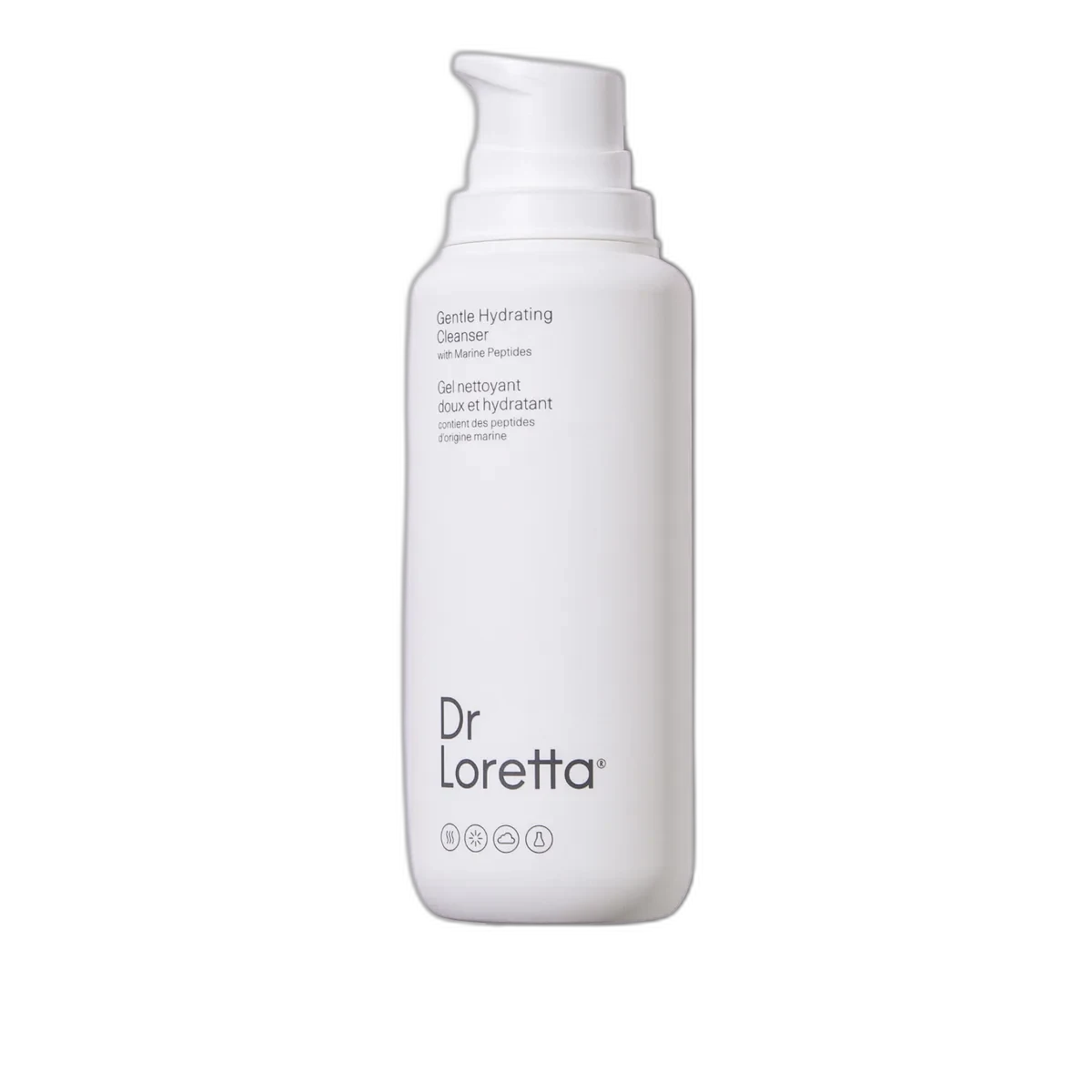
Gentle Hydrating Cleanser
Sensitive Skin Staple
 Verified reviewer
Pros & cons.
- +Gentle wheat amino acid surfactant base that cleans without stripping
- +Meaningful glycerin and algae polysaccharide humectant load
- +Sulfate-free, fragrance-free beyond faint essential oils
- +Safe for sensitive, dry, and fungal-acne-prone skin types
- +Balanced slightly acidic pH compatible with downstream actives
- +Multiple size options including a subscription discount
- +Nearly a decade of market history with a clinical brand behind it
- −Not a heavy-duty makeup remover — needs a first-cleanse for full-coverage looks
- −Trace chamomile and ginger oils may bother the most reactive users
- −More expensive than pharmacy gel cleansers with similar mechanism
- −Lather is modest and can feel underwhelming if you expect foam
The full review.
Ask a dermatologist with forty years of practice about the most common skincare mistake, and many will point to the cleanser. People overspend on serums and underspend on the product that determines if those serums work. Dr. Loretta Ciraldo has argued this to her Miami patients for most of her career; she hands them the Gentle Hydrating Cleanser as the first step in most of her designed routines. It has been the anchor cleanser for her brand since its 2016 launch.
The ingredient list shows the clinical logic. The primary surfactant is sodium cocoyl wheat amino acids, a mild, anionic cleanser from coconut fatty acids and wheat protein. This family of amino acid surfactants is the standard for gentle gel cleansers because they work within the pH range of healthy skin, lift oil and makeup, and do not damage the stratum corneum’s lipid matrix like sulfates do. Cocamidopropyl betaine is the second surfactant, an amphoteric secondary cleanser that boosts lather so the formula foams enough to feel like a wash. These two match well: the amino acid surfactant cleanses, and the betaine handles the sensory experience.
Most cheap gel cleansers skip this detail: glycerin sits unusually high on the INCI list for a rinse-off product. This humectant supports the barrier during the wash and keeps skin soft rather than tight after rinsing. Red algae extract adds a second layer of water-binding polysaccharides. Chamomile and ginger essential oils are at the bottom of the list, providing a faint natural scent and minor soothing without enough concentration to trigger most sensitive users. The slightly acidic pH is the correct range for a cleanser followed by actives. The formula follows a dermatologist’s checklist for what patients actually need.
Performance matches the formula. It lathers lightly without the heavy foam of a sulfate cleanser. If you equate foam with efficacy, the first use may feel low-effort. That is a perception issue, not a cleansing issue; the formula removes oil and sunscreen thoroughly. Skin looks clean after rinsing without the tight feeling of surfactant overload. Over several weeks, users switching from harsher cleansers report less post-cleanse redness and less afternoon dehydration. It pairs with any downstream routine, including the brand’s own vitamin C serum and retinol products, as a cleanser in this tier should.
The limitations are narrow. It is not a heavy-duty makeup remover. If you use full-coverage foundation or waterproof long-wear products, use an oil or balm first to handle them before this step. The natural chamomile and ginger oils are still essential oils, so an extreme-sensitivity subset should patch test. At thirty-six dollars for 200 ml, it costs more than pharmacy cleansers with similar functions, but the increase in surfactant quality and glycerin content is real. A smaller travel size exists to lower the commitment, and a subscription option saves regular users a few dollars.
The larger context matters. The Dr. Loretta line uses a cohesive, sensitive-skin-friendly philosophy from this cleanser through the serums, moisturizers, and retinol products. If you use the system, this step keeps everything working together. If you want a standalone gel cleanser, this one works on its own merits—a well-built, fragrance-light, sulfate-free formula from a brand with clinical backing, priced fairly for the category. It is not the cheapest gentle cleanser, but it is one of the most complete.
Ingredient analysis.
Full INCI list · pH 5.5
Aqua (Water/Eau), Sodium Cocoyl Wheat Amino Acids, Glycerin, Cocamidopropyl Betaine, Hydroxypropyl Guar, Phenoxyethanol, Sodium Chloride, Citric Acid, Sodium Hydroxide, Hydrolyzed Algin, Sodium Benzoate, Ahnfeltiopsis Concinna (Algae) Extract, Caprylyl Glycol, Hexylene Glycol, Anthemis Nobilis (Chamomile) Flower Oil, Zingiber Officinale (Ginger) Root Oil
Skin match.
The science.
The Science
The core scientific case here is built on amino acid surfactants versus sulfates. Sodium cocoyl wheat amino acids belong to a family of gentle anionic surfactants that have been extensively studied for their reduced disruption of the stratum corneum compared to sodium lauryl sulfate and sodium laureth sulfate. Research has shown that cleansers formulated with amino acid surfactants cause significantly less protein denaturation in the outermost skin layers, less measurable post-wash transepidermal water loss, and a more stable post-cleanse skin pH than standard sulfate cleansers. That's the mechanism behind the 'doesn't strip' user experience. Cocamidopropyl betaine, the secondary surfactant, is an amphoteric cleanser that is both a foam booster and a mildness enhancer — when paired with a primary anionic surfactant, it reduces the aggressive micellar activity against skin proteins while maintaining effective cleansing. The high glycerin placement is also functionally important. Studies on humectant-enriched cleansers have demonstrated that even during brief contact times, meaningful glycerin deposition occurs and contributes to immediate post-wash hydration. The algae polysaccharide contribution from Ahnfeltiopsis concinna extract is weaker on the evidence side — red algae polysaccharides have documented water-binding capacity in vitro, but the concentrations typical in a rinse-off cleanser limit the magnitude of effect. Chamomile and ginger essential oils contribute trace levels of bisabolol and gingerol respectively, both of which have documented mild anti-inflammatory activity but are present at fragrance-level concentrations rather than therapeutic ones. The overall formulation logic is unambiguously gentle-cleanser-first, with small supporting ingredients that don't try to punch above their weight.
Dermatologist Perspective
Dermatologists consistently recommend sulfate-free, amino-acid-based gel cleansers for patients with sensitive skin, rosacea, eczema, or compromised barrier function, because these surfactant systems reliably reduce post-wash irritation compared to traditional foaming cleansers. Board-certified dermatologists often emphasize that cleanser selection is the most underrated variable in a routine built around actives — an overly aggressive cleanser can easily undo the barrier support that retinoids, vitamin C, and acids are trying to build downstream. This particular formulation aligns well with what is commonly prescribed for maintenance of sensitized or reactive skin, and the inclusion of meaningful humectant support during the wash is consistent with dermatology-guided cleanser design. Dermatologists also note that drugstore alternatives at lower price points offer similar fundamentals, so the choice often comes down to ecosystem preference.
Where it fits in your routine.
Apply a dime-sized amount to damp skin every morning and evening. Massage gently for 30-45 seconds, then rinse with lukewarm water until fully removed. Skin should not feel squeaky; tightness means you used too much or rinsed too hard. Use an oil cleanser first if wearing heavy makeup or full-coverage SPF, then use this as the second cleanse. Follow with toner, serums, and moisturizer. This is safe for twice-daily use and does not require alternating with a milder option.
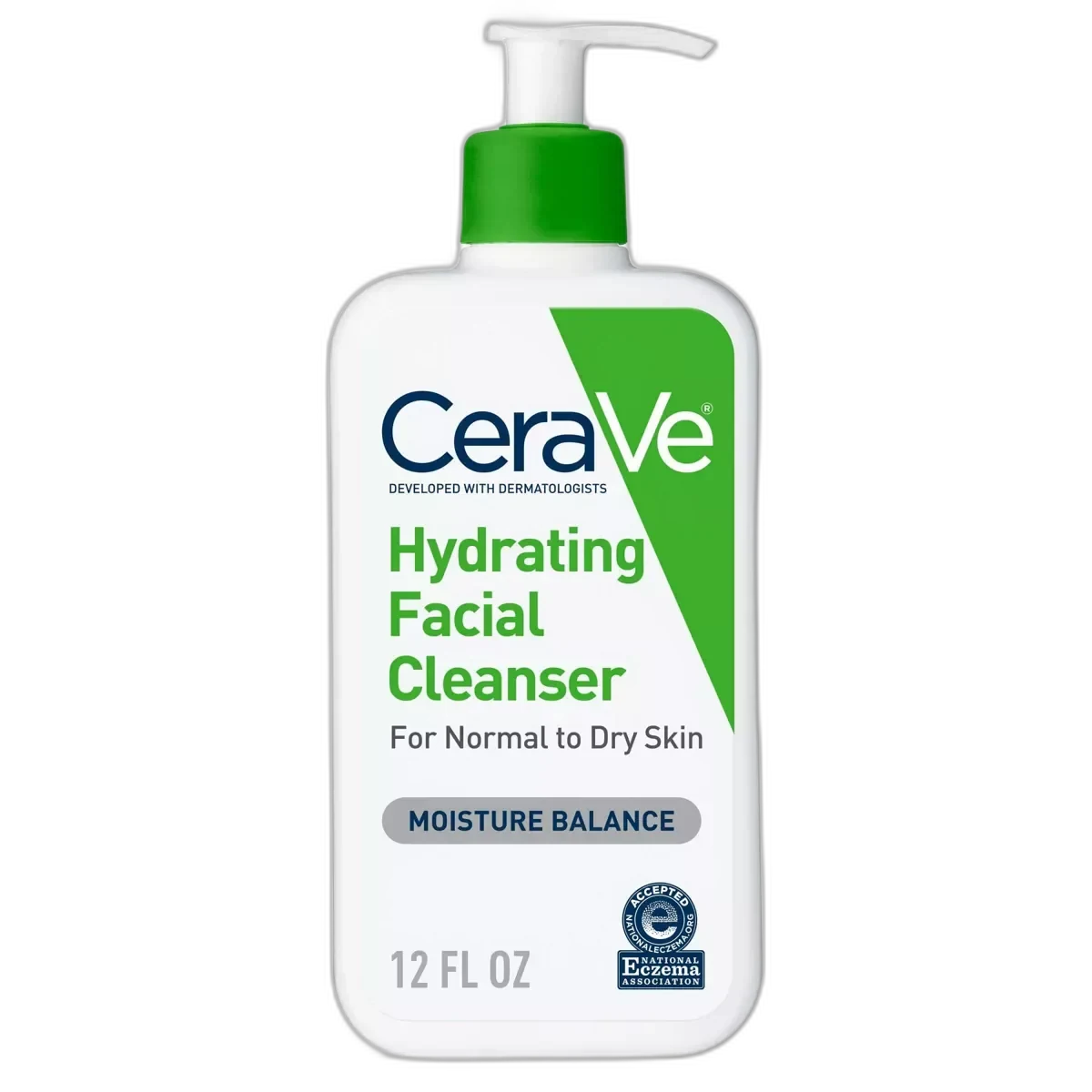
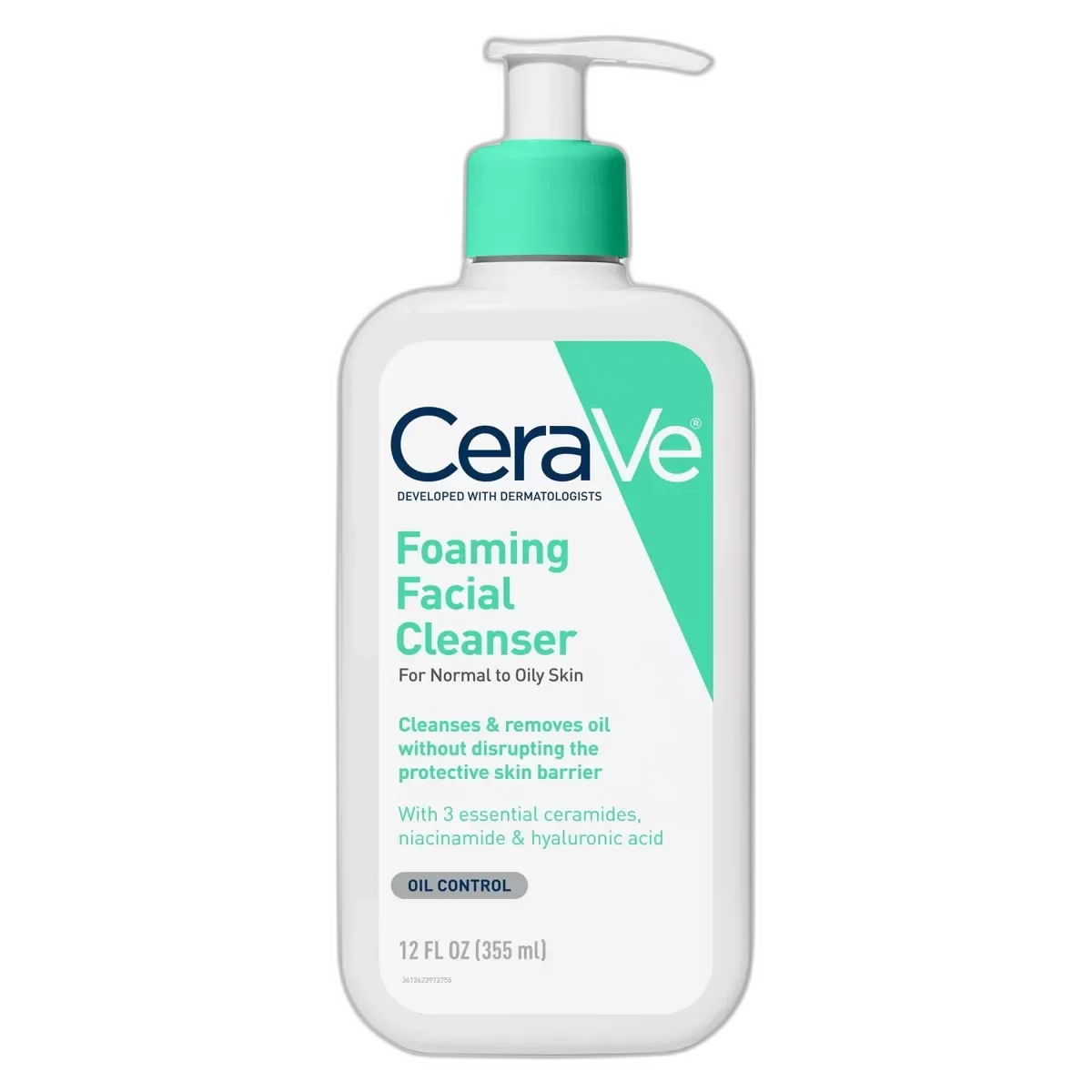
At $36 for 200 ml, this cleanser is mid-premium. Pharmacy gel cleansers from La Roche-Posay and CeraVe cost roughly half as much and use similar sulfate-free surfactant fundamentals, but usually lack the glycerin-forward base or amino acid primary surfactant. The 100 ml travel size and subscription option offer flexibility for testing the product or getting repeat purchase discounts. The price is fair for existing Dr. Loretta customers or users wanting an all-in-one gentle cleanser with a clear clinical philosophy. Drugstore competition wins for pure budget optimization.
Sensitive, dry, or sensitized skin types seeking a reliable daily gel cleanser, Dr. Loretta product line users wanting ecosystem cohesion, and anyone using strong actives who needs a cleanser that won't add irritation.
Heavy-makeup-wearers wanting a one-step cleanse, budget shoppers finding pharmacy gentle cleansers at half the price, and essential-oil-reactive users who must patch test first despite the low concentrations here.
Product details.
Clear pale gel that lathers lightly
Faint natural chamomile and ginger
Clear plastic squeeze tube
Skin feels soft and not tight after rinsing. It causes no stinging or purging. Most sensitive-skin users report less post-cleanse redness within the first week.
About 3-4 months with twice-daily use of the 200 ml size
12 months
All Year
The backstory.
Developed by Dr. Loretta Ciraldo as the first-step cleanser in her dermatology practice's own skincare routine, designed to partner with her vitamin C and retinol products without stripping the skin that would then receive them.
About Dr. Loretta
Established Brand (5–20 years)Dr. Loretta launched in 2016, founded by Dr. Loretta Ciraldo, a Miami-based board-certified dermatologist with 40 years of clinical practice. The cleanser is a signature product of the brand and a staple in her dermatology practice.
Common myths.
If a cleanser doesn't foam a lot, it's not cleaning
Foam signals surfactant presence, not cleansing efficacy. This cleanser uses a wheat amino acid surfactant that lifts oil well, despite having less lather than sulfate-based gels.
Essential oils in a cleanser always irritate sensitive skin
Chamomile and ginger oils exist at low concentrations for sensory and mild soothing effects, not as headline actives. Most sensitive users tolerate them well, but extreme-sensitivity types should patch test.
FAQ.
Is this cleanser sulfate-free?
Yes — sodium cocoyl wheat amino acids is the primary surfactant, and cocamidopropyl betaine is the secondary cleanser. The INCI list contains no sulfates.
Will it remove makeup?
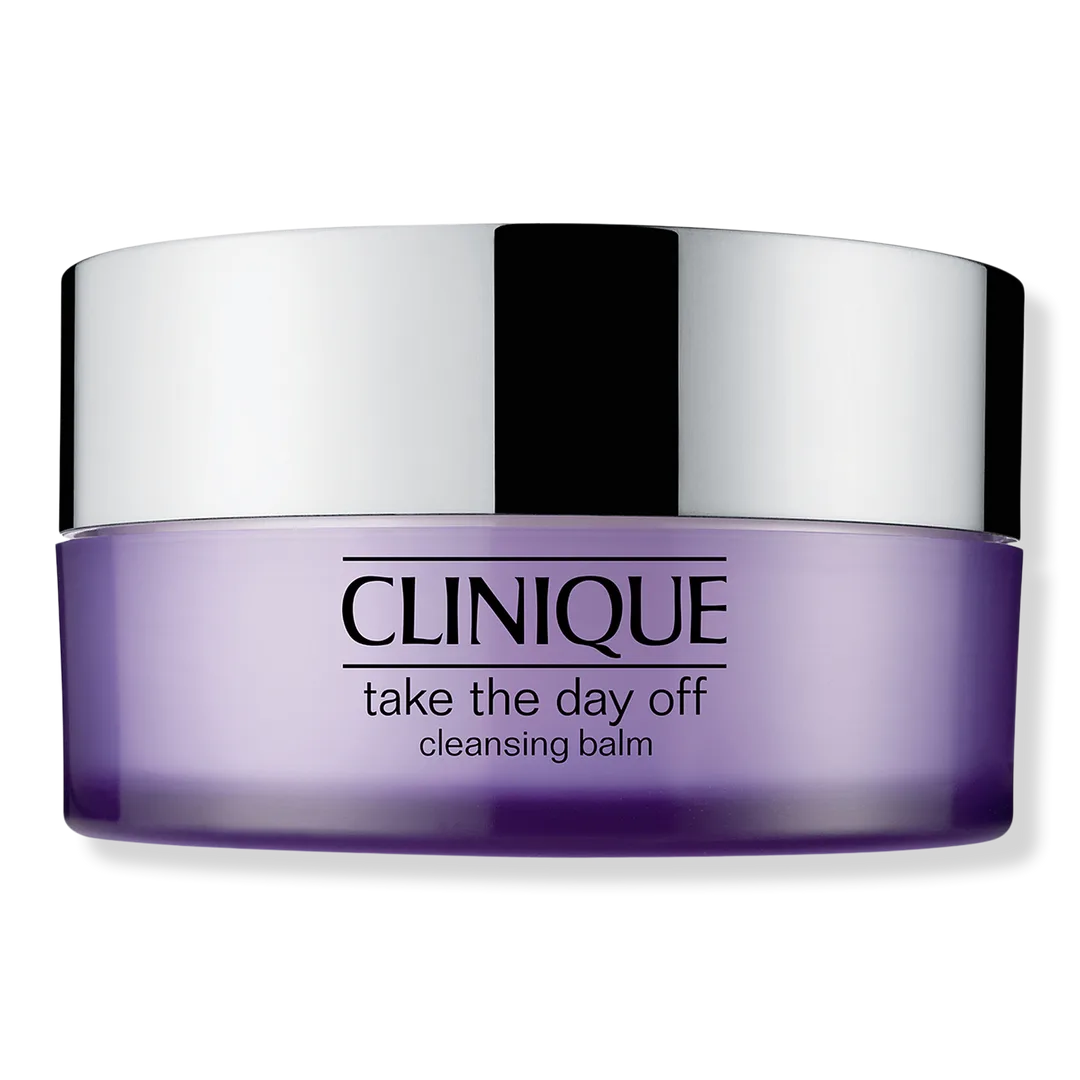
This cleans daily sunscreen, tinted moisturizer, and light makeup thoroughly. Use an oil cleanser or balm first for heavy or waterproof makeup, then use this as a second cleanse.
Is it safe for sensitive skin and rosacea?
Yes. The gentle surfactant base, glycerin content, and chamomile inclusion make this one of the more tolerable gel cleansers for reactive types. Trace essential oils require a patch test for extreme cases.
Is it fungal acne safe?
Yes — it has no fatty alcohols, esters, or oils in rinse-off-problematic concentrations. It is one of the safer cleansers for Malassezia-prone skin.
Can I use it twice a day?
Yes. The gentle surfactant profile and humectant-forward base make it safe for morning and evening use, even for dry skin types. Some users rinse with water only in the morning to extend the bottle.
How does it compare to drugstore gentle cleansers like Cetaphil?
Cetaphil's classic cleanser uses a lotion format, but this is a foaming gel. This version cleanses SPF and light makeup more thoroughly. It contains amino acid surfactants and algae extracts that Cetaphil's simpler formula lacks. Cetaphil costs less; this formula is more sophisticated.
What the community says.
"Doesn't strip the skin"
"Pleasant light scent"
"Rinses cleanly"
"Good for morning use"
"Safe for sensitive skin"
"Not a heavy-duty makeup remover"
"Slightly pricey for a cleanser"
"Small bottle for daily use"
People also looked at.