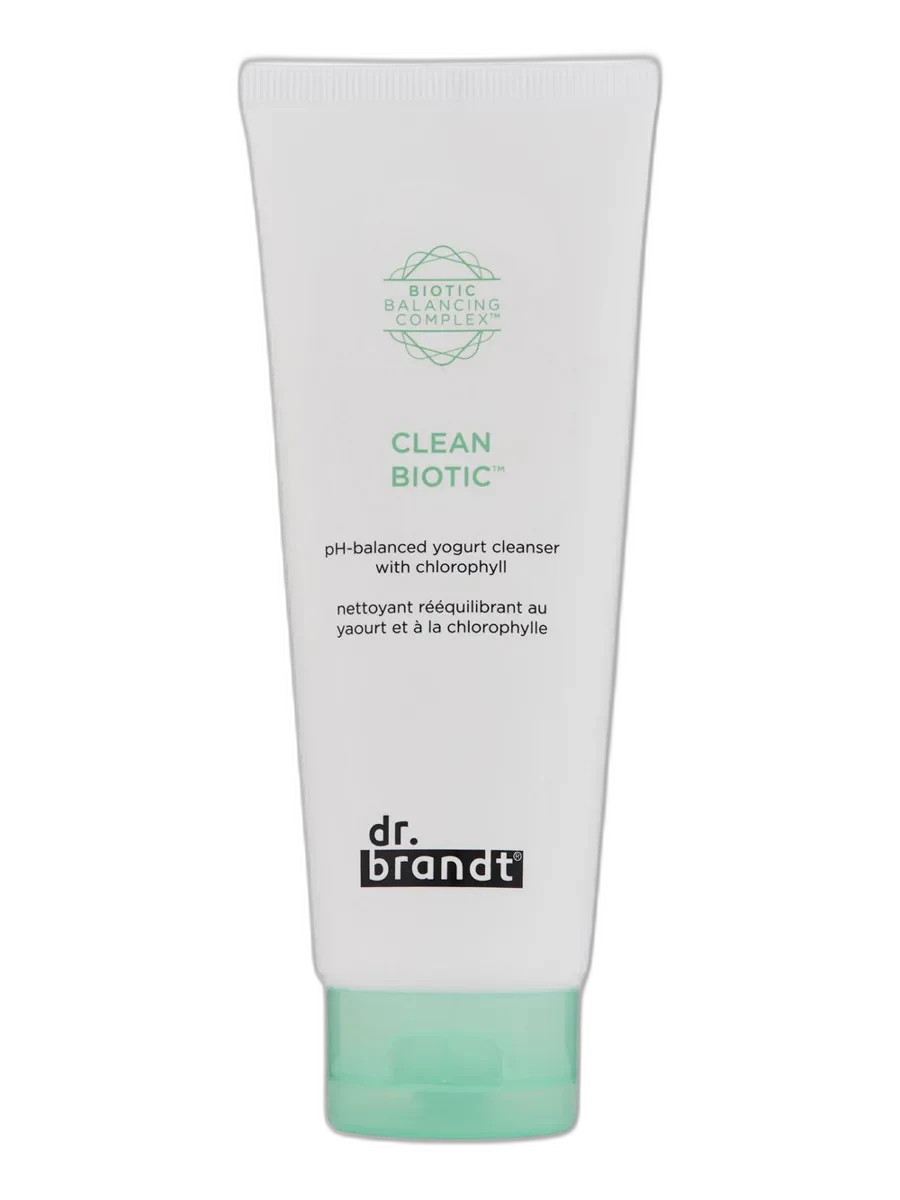
Clean Biotic pH-Balanced Yogurt Cleanser
Microbiome-Friendly Daily Wash
 Verified reviewer
Pros & cons.
- +Gentle, pH-balanced surfactant blend suitable for daily use
- +Doesn't strip or leave skin tight after rinsing
- +Clean, fresh scent and a pleasantly unusual green color
- +Contains both pre- and postbiotics supporting the microbiome concept
- +Rinses cleanly with no residue or film
- +Works for normal, combination, and most oily skin types
- −Contains methylisothiazolinone, a known contact allergen
- −Struggles with heavy makeup or long-wear SPF
- −Price is high for a mid-tier gel cleanser formulation
- −Small 105ml size runs out quickly with twice-daily use
- −Microbiome marketing overstates what a rinse-off can do
The full review.
About Dr. Brandt Clean Biotic
In 2019, skincare brands rushed to sell ‘biotic’ products after a collective focus on the skin microbiome—the trillions of bacteria, fungi, and microorganisms on our faces. Dr. Brandt responded with Clean Biotic, a green-tinted yogurt cleanser that leans into this trend visually. It looks like a café menu item, squeezes like fresh aloe, and smells faintly of cultured dairy. It succeeded on Instagram, but the bathroom experience is more measured. The formula uses a gentle surfactant blend: sodium cocoyl isethionate leads, supported by amphoteric and glucoside co-surfactants to keep the lather creamy and low-stripping. High levels of glycerin leave skin soft after rinsing, and the pH sits in the mildly acidic range preferred by a healthy acid mantle. Sodium hyaluronate and propanediol provide additional humectant support. This execution works well—nothing stings, nothing feels tight, and the rinse is clean. The ‘biotic’ claims reside further down the INCI: lactococcus ferment lysate, a postbiotic meant to leave tolerance-promoting metabolites; inulin, a prebiotic that feeds beneficial flora; and small amounts of yogurt powder and lactic acid, which likely serve the branding narrative rather than providing measurable skin effects in a rinse-off product. The chlorophyllin-copper complex provides the color and slight antioxidant activity, though most of this is visual in a ninety-second wash. The issue with calling this a microbiome cleanser in 2026 is the preservative. Methylisothiazolinone is on the INCI, and it is a well-documented contact allergen—the North American Contact Dermatitis Group named it Allergen of the Year in 2013. While rinse-off products have lower reaction rates than leave-ons, most microbiome-focused brands avoid MI entirely. Its presence contradicts the positioning, especially for sensitive-skin customers interested in microbiome-friendly skincare. Still, the cleanser performs as a gentle daily wash. It removes sunscreen and light makeup without leaving skin tight, and it feels nice to use. The slippery gel texture, faint yogurt scent, and green color make the ritual pleasant, and pleasure matters in daily skincare. However, at $36 for 105ml, you pay Parisian-derm prices for a cleanser that La Roche-Posay Toleriane could replicate. It fits routines where you value the brand aesthetic, love the color, and want a cleanser positioned around the microbiome. It is a good daily gel wash in a charming package that does its job if you enjoy that combination. If you expect a revelation or a clinically superior formulation, you will wonder what the premium buys—likely the yogurt powder, the Instagram identity, and the dermatology pedigree of the late Fredric Brandt. These are real factors, but none change how clean your face gets.
Formula
Ingredient analysis.
Full INCI list · pH 5.5
Water, Sodium Cocoyl Isethionate, C12-15 Alkyl Benzoate, Sodium Lauroamphoacetate, Sodium Methyl Cocoyl Taurate, Coco-Glucoside, Decyl Glucoside, Glycerin, Glycol Distearate, Acrylates/Beheneth-25 Methacrylate Copolymer, Methyl Glucose Caprate/Caprylate/Oleate, Benzyl Alcohol, Sodium Hydroxide, Propanediol, Sodium Hyaluronate, Camellia Sinensis Leaf Extract, Methylisothiazolinone, Dehydroacetic Acid, Citric Acid, Lactococcus Ferment Lysate, Vitis Vinifera (Grape) Seed Extract, Inulin, Yogurt Powder, Lactic Acid, Sodium Chloride, Sodium Benzoate, Chlorophyllin-Copper Complex
Skin match.
The science.
The Science
The microbiome angle is the most scientifically interesting — and most overstated — part of this cleanser. The skin microbiome is a real research field; published work links dysbiosis to atopic dermatitis, acne, and rosacea. Postbiotics — metabolites from bacterial fermentation — show promise for skin tolerance and barrier function in leave-on products, specifically lactococcus ferment lysates, which studies show affect claudin expression and epidermal renewal. Inulin is a documented prebiotic in gut research, and new data supports its role in shifting skin flora balance when applied topically. The main issue is exposure time: a cleanser stays on the skin for roughly ninety seconds before rinsing, so most of the postbiotic and prebiotic load washes away. Any microbiome benefit in a rinse-off is modest compared to a serum or moisturizer with the same actives. The surfactant chemistry is more certain — sodium cocoyl isethionate is a well-studied mild surfactant with lower irritation potential than sulfate-based systems, and pH-balanced acidic cleansers help maintain the acid mantle and commensal flora. The chlorophyllin-copper complex has in vitro antioxidant data, but clinical evidence for topical benefit is limited.
Dermatologist Perspective
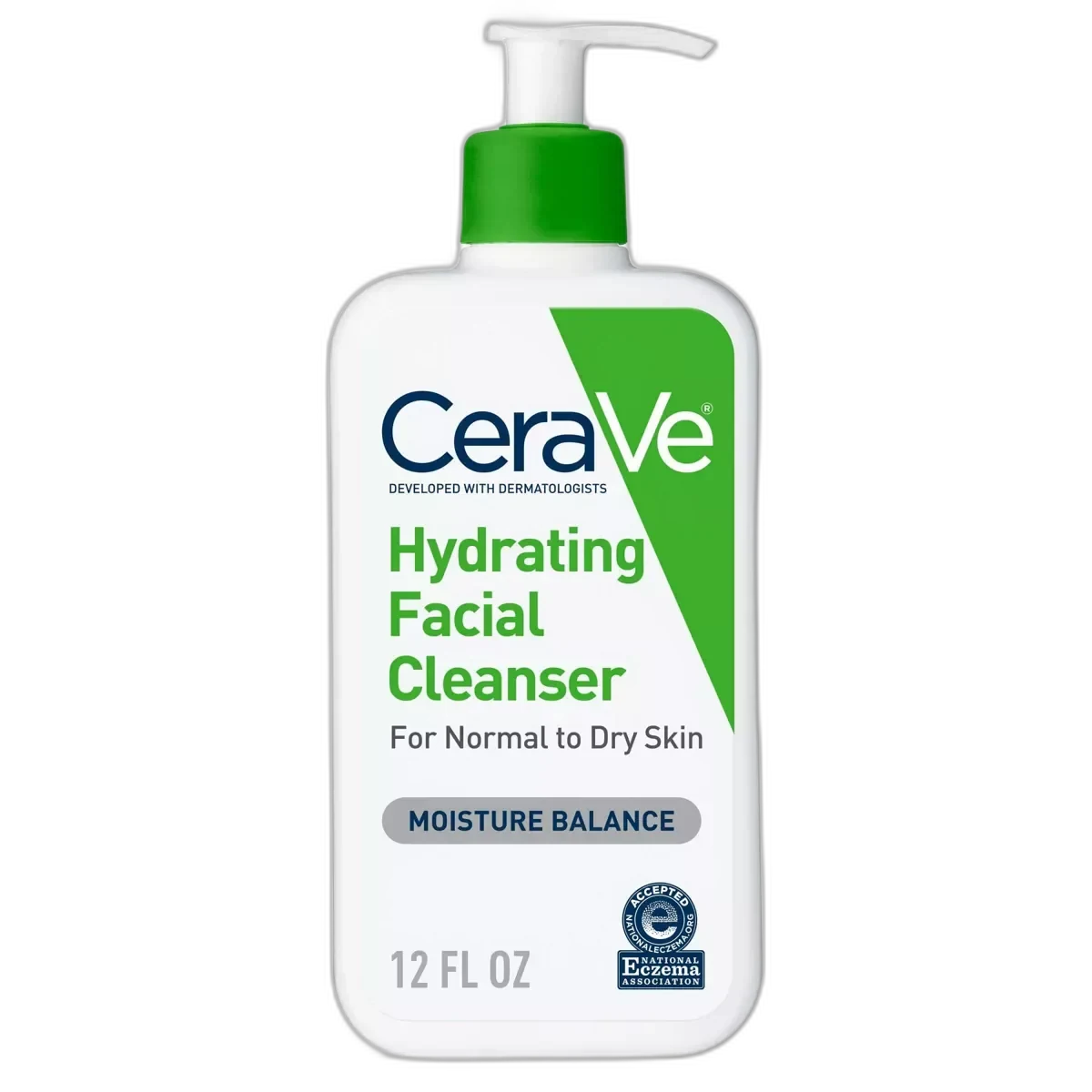
Dermatologists usually recommend gentle, pH-balanced, surfactant-light cleansers for most skin types; Clean Biotic fits this via its surfactant chemistry alone. The microbiome positioning is scientifically interesting but remains a secondary consideration in a rinse-off product — the formula's gentleness and pH matter more than the pre- and postbiotic content. Board-certified dermatologists specializing in sensitive skin often flag methylisothiazolinone as a preservative to avoid in patients with contact allergy histories, usually recommending MI-free alternatives like La Roche-Posay Toleriane Hydrating Gentle Cleanser or CeraVe Hydrating Cleanser for those patients. For patients without MI sensitivity, this cleanser is a reasonable, though premium-priced, daily option.
Where it fits in your routine.
Wet your face with lukewarm water. Put a dime-sized amount into damp palms and massage into the skin for thirty to sixty seconds, focusing on the T-zone. Rinse well and pat dry. Use morning and night. If using heavy makeup or long-wear sunscreen, use an oil cleanser or micellar water first — Clean Biotic cleanses gently for daily use, not as a heavy-duty first wash. Follow with your usual toner, serum, and moisturizer. If you have had preservative reactions before, patch-test on the inner forearm for a few days before daily use.
At $36 for 105ml, Clean Biotic costs roughly triple the per-ounce price of similar gentle drugstore cleansers. You pay for the postbiotic ferment (a real differentiator), the brand identity, and the experience of using a green yogurt gel every morning. The formulation — a sulfate-free, pH-balanced, glycerin-supported gentle wash — is available from La Roche-Posay, CeraVe, Bioderma, and Vanicream for much less. No larger size exists to lower the per-milliliter cost. Clean Biotic works for shoppers who want a microbiome-marketed cleanser and accept this price tier. For those comparing it only as a gentle daily cleanser, cheaper alternatives are better.
This works for normal, combination, or oily skin types seeking a gentle, pH-balanced daily cleanser. It suits users who value the brand, the microbiome positioning, or the sensory experience. It also matches anyone already using other Dr. Brandt products who wants a matching daily wash.
People with contact dermatitis or preservative allergies, those seeking a budget-friendly gentle cleanser, and anyone needing a cleanser that removes long-wear makeup in one pass will find this useful. Sensitive-skin shoppers use MI-free alternatives.
Product details.
Clear-to-green gel that foams into a light, creamy lather
Fresh, slightly dairy-like with a faint herbal note
Opaque squeeze tube with a flip cap — practical, travel-friendly, not luxe
The first use is uneventful. The gel lathers gently, rinses clean, and leaves skin soft instead of squeaky. It causes no stinging, no tight feeling, and no purge. The chlorophyll tint shows in your palm but disappears when it touches water.
2-3 months with twice-daily use
12 months
All Year
The backstory.
Launched in 2019 as part of Dr. Brandt's 'House of Brandt Pro Beauty Café' line, the cleanser was positioned as an on-trend answer to the microbiome conversation that dominated skincare press that year. The yogurt-and-chlorophyll framing made it stand out on retailer shelves and on Instagram.
About Dr. Brandt
Legacy Brand (20+ years)The late Miami dermatologist Fredric Brandt, a top cosmetic dermatologist of his era, founded Dr. Brandt Skincare in 1995. The brand uses his established formulation philosophies and sells at major beauty retailers.
Common myths.
A microbiome cleanser means you can skip moisturizer.
No. Even the gentlest surfactants wash off sebum and surface lipids. You must rehydrate and moisturize after cleansing.
The chlorophyll does real skincare work.
Chlorophyllin-copper complex has mild antioxidant activity, but rinse-off products limit contact time too much for skin benefit. It is primarily a visual signature.
FAQ.
Is Clean Biotic good for sensitive skin?
This formula is gentler than most gel cleansers, but it contains methylisothiazolinone, a known contact allergen. If you have highly reactive skin or past preservative reactions, other sensitive-skin options work better.
Does it remove makeup?
It removes light foundation and sunscreen, but it is not a makeup-removing cleanser. Use an oil cleanse or micellar wipe first for mascara, long-wear foundation, or SPF 50.
What does 'biotic' mean in this cleanser?
The formula uses postbiotic (lactococcus ferment lysate) and prebiotic (inulin) ingredients to support the skin's natural microbiome instead of stripping it.
Will it help with acne?
Indirectly. A gentle, barrier-respecting wash works better for acne-prone skin than a harsh one, but this cleanser lacks actives like salicylic acid. Use it with dedicated acne treatments in your routine.
Why is it green?
Chlorophyllin-copper complex, a chlorophyll derivative, provides the color. This choice mostly supports the 'fresh yogurt' branding, though chlorophyll has mild antioxidant properties.
Is it worth $36?
Buy this only if microbiome positioning matters to you. La Roche-Posay, CeraVe, and Bioderma offer similar gentle gel cleansers at half the price, but those lack the specific postbiotic ferment in this one.
What the community says.
"Doesn't dry out the skin"
"Pleasant green color and texture"
"Gentle enough for daily use"
"Subtle yogurt-like freshness"
"Good for normal to combination skin"
"Doesn't fully remove heavy makeup"
"Expensive for a cleanser"
"Contains methylisothiazolinone preservative"
"Small bottle for the price"
Featured in.
People also looked at.