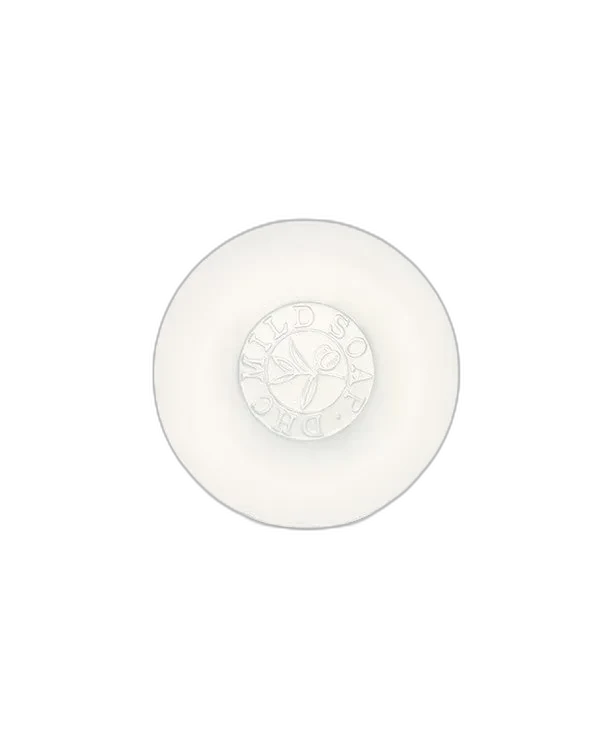
Mild Soap Bar
J-Beauty Double-Cleanse Classic
 Verified reviewer
Pros & cons.
- +Olive-oil-derived sodium oleate base is milder than most saponified bars
- +Unusually high humectant content with sucrose and glycerin near the top of the INCI
- +Superfatted with free olive oil for a softer post-wash feel
- +Creamy, rich lather despite small bar size
- +Virtually fragrance-free with only a faint honey note
- +Long-lasting — a single bar typically provides 2-3 months of daily use
- +Classic second step in the authentic j-beauty double cleanse
- +Pregnancy-safe with no retinoids or salicylic acid
- −Alkaline pH (9-10) is higher than ideal for sensitive or compromised skin
- −Not effective as a standalone cleanser — doesn't remove makeup
- −Contains honey — not vegan
- −No built-in soap dish; requires a well-draining rest for proper storage
- −Modern syndet cleansers outperform it on pH balance and gentleness
- −Not cruelty-free certified in all markets
The full review.
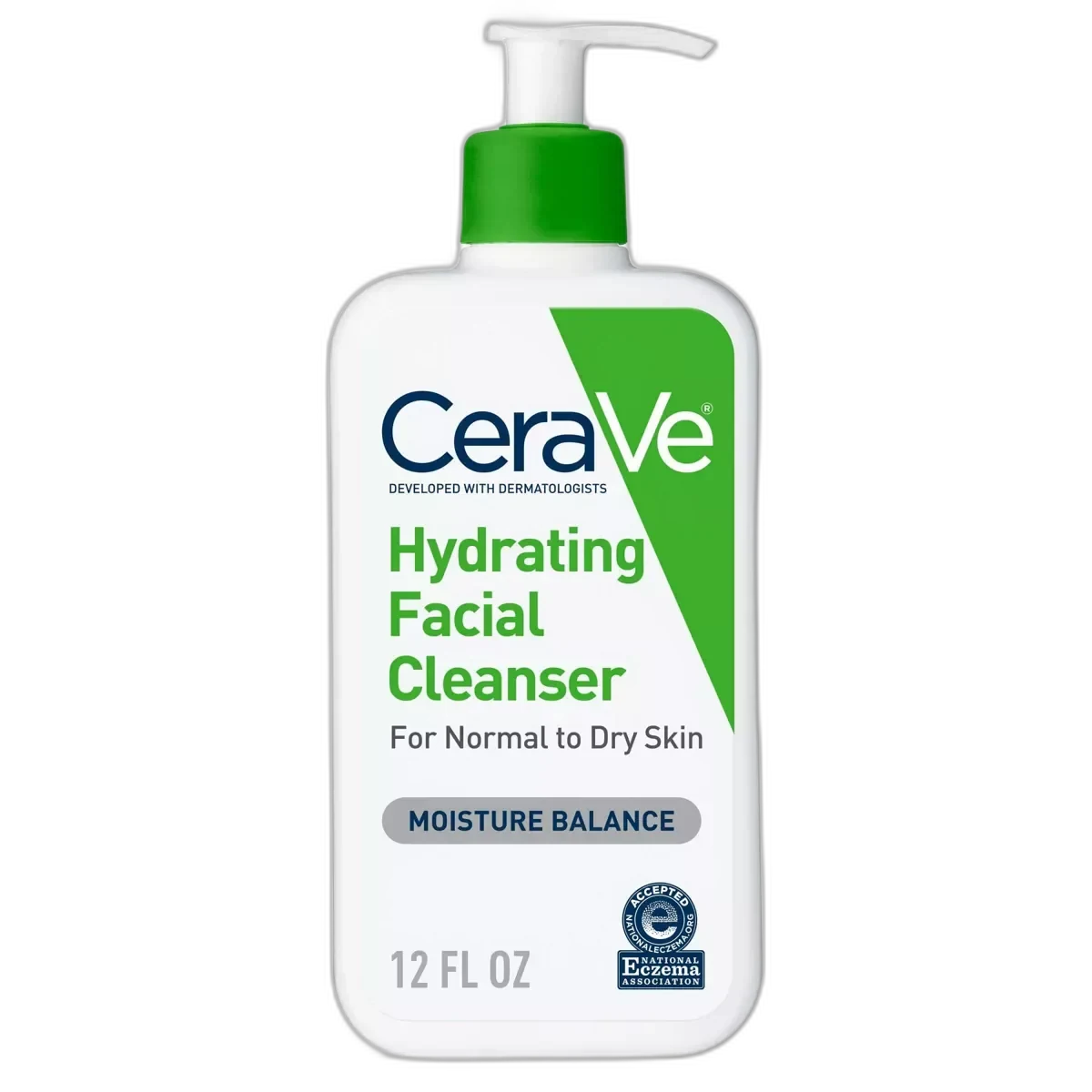
Understand DHC’s Mild Soap before evaluating it. This bar is not a standalone face wash. It is the second step in the Japanese double cleanse—the water-phase counterpart to DHC’s iconic 1995 Deep Cleansing Oil. You massage the oil cleanser over dry skin to dissolve makeup, sunscreen, and oil-soluble debris, rinse, then use a water-based cleanser (here, Mild Soap) to remove the emulsified oil and water-soluble residue. Using Mild Soap in this routine differs from using it alone. This context matters because most modern dermatologists do not recommend traditional saponified soap bars as solo face cleansers. True soap bars have an alkaline pH—usually between 9 and 10—which is much higher than the skin’s natural acid mantle at around 5.5. In a double-cleanse, the bar performs a brief secondary wash after the oil cleanser does the heavy lifting, so the alkaline sting is less of an issue. In solo cleansing, the effect is more noticeable, and sensitive users may feel tightness. DHC made specific formulation choices to soften this bar’s impact. Sodium oleate—the saponified form of olive oil’s main fatty acid—is the first ingredient, rather than the coconut-derived sodium laurate or tallow-based sodium stearate found in most drugstore soap bars. Oleate-led bars produce a softer, creamier lather without a squeaky-clean post-wash feel. Notably, sucrose is third on the INCI. This is unusually high for a cleansing bar; sucrose is a humectant that helps offset the soap base’s drying tendency by keeping water in the stratum corneum during and after washing. Glycerin follows shortly after. These two humectants form a buffer layer that softens an otherwise ordinary bar. The formula also uses sodium laurate, myristate, stearate, and behenate to vary fatty acid chain lengths, creating a creamier, more stable lather than single-fatty-acid soaps. Olive fruit oil is added at the end as a superfatting agent, meaning some olive oil remains unsaponified as free oil to leave a thin emollient residue after rinsing. Honey at the very end adds a trace humectant and antimicrobial effect alongside a faint natural scent. The experience is pleasant and traditional. The translucent amber bar is about the size of a large hotel soap cake and produces a thick creamy lather when used with a lathering net or washcloth. Skin feels clean but not stripped—at least for users with normal, combination, or mildly dry skin. The scent is a faint, warm honey-and-soap note that feels closer to fragrance-free than most cleansing bars. The bar holds together well, does not melt quickly in a well-draining dish, and a single 3.1 oz cake typically lasts 2-3 months with daily face use. This is a satisfying purchase for users committed to a j-beauty double-cleanse routine who want the authentic DHC experience and have normal or combination skin. There are limitations. Modern syndet cleansers (cleansing bars built on synthetic detergents rather than saponified fats) can match or exceed the softness of a well-made soap bar while maintaining a skin-friendlier pH. If you need gentle cleansing for sensitive or barrier-compromised skin, a CeraVe Hydrating Cleanser or Vanicream Gentle Facial Cleanser is likely better. The bar is not vegan because the trace honey is animal-derived, and DHC’s cruelty-free status varies by market. The $18 price for a 3.1 oz bar is reasonable but not cheap. Without a built-in storage dish, the bar can soften and waste more quickly without a good draining soap rest. These are not dealbreakers for the right buyer, but they add up for the wrong one. The best way to frame this product: if you use DHC’s Deep Cleansing Oil and want the intended second step, this is the authentic choice. If you want just another face soap, other options likely suit your skin type and routine better.
Ingredient analysis.
Full INCI list
Sodium Oleate, Sodium Palmitate, Sucrose, Sodium Laurate, Water/Aqua/Eau, Glycerin, Sodium Myristate, Sorbitol, Sodium Stearate, Sodium Behenate, Tetrasodium Etidronate, Olea Europaea (Olive) Fruit Oil, Alcohol Denat., Honey/Mel/Miel
Skin match.
The science.
The Science
Traditional saponified soap bars like DHC Mild Soap work by combining fatty acids with a strong alkaline base (typically sodium hydroxide) to produce the sodium salts of those fatty acids — the actual 'soaps' that do the cleansing. Sodium oleate, the first ingredient here, is the sodium salt of oleic acid and represents the saponified form of olive oil. Compared to shorter-chain fatty acid soaps like sodium laurate (from coconut oil) or sodium cocoate, oleate-based soaps produce a softer lather with less defatting action on the stratum corneum. The published literature on cleansing bars consistently notes that true saponified soaps have an alkaline pH in the 9-10 range due to the chemistry of the saponification reaction — this is significantly higher than the skin's natural acid mantle at approximately pH 5.5. Research has documented that repeatedly disrupting the skin's pH with alkaline cleansers can temporarily compromise barrier function and increase the activity of certain resident microorganisms, though the degree of disruption depends heavily on contact time, the individual user's skin, and the rest of the cleansing routine. Modern syndet cleansers built on ingredients like sodium cocoyl isethionate or sodium lauroyl sarcosinate can achieve skin-friendly pH values closer to 5.5, which is why they're generally recommended over traditional soaps for patients with sensitive or barrier-compromised skin. Where DHC's formulation distinguishes itself within the saponified category is in its humectant content. Sucrose at the third position on the INCI and glycerin at the sixth provide meaningful water-binding support during and after the wash, which published studies on cleanser formulation have shown can reduce post-wash transepidermal water loss compared to soap bars without added humectants. The superfatting with unsaponified olive oil at the end of the INCI also leaves a thin emollient layer on skin after rinsing, which further reduces the perception of tightness. Honey contributes a trace humectant and antimicrobial effect through its high osmotic concentration and hydrogen peroxide content, though at the levels used in a cleansing bar, its functional contribution is minor.
Dermatologist Perspective
Dermatologists generally recommend pH-balanced syndet cleansers over traditional saponified soap bars for patients with sensitive, dry, rosacea-prone, or barrier-compromised skin, because the alkaline pH of true soaps can disrupt the acid mantle and temporarily impair barrier function. However, board-certified dermatologists note that well-formulated soap bars with meaningful humectant content and superfatting can be acceptable for normal, combination, and mildly oily skin, particularly when used in a double-cleanse context where the bar serves as a brief second wash after an oil cleanser. This bar is commonly suggested for patients committed to the authentic j-beauty double-cleanse method, and who have skin that tolerates traditional soap chemistry. Dermatologists typically advise against using any saponified bar as a solo cleanser on sensitive or compromised skin, and emphasize that following with a hydrating toner, serum, and moisturizer is important for rebalancing the acid mantle after an alkaline wash.
Where it fits in your routine.
Use this as the second step in a PM double cleanse after an oil cleanser like DHC Deep Cleansing Oil. Wet the bar and rub between your palms or a lathering net to create a thick foam. Massage the lather onto damp skin for 30-60 seconds, focusing on the T-zone and hairline. Rinse with lukewarm water and pat dry. Use a hydrating toner, serum, and moisturizer to rebalance the acid mantle after this alkaline wash. Keep the bar on a well-draining soap dish to make it last; do not leave it in water. For morning use, water-only cleansing or a gentler rinse-off cleanser works better than using this bar twice daily.
At $18 for a 3.1 oz bar, this sits in the middle of the j-beauty category — more expensive than drugstore soap bars but cheaper than prestige Japanese cleansers. Longevity and the double-cleanse context drive the value: one bar lasts 2-3 months with once-daily use. This makes the per-use cost about 20-30 cents, matching most daily cleansers. The price is fair for users following DHC's double-cleanse system who want the authentic second step. Users seeking the gentlest cleanser regardless of tradition will find that a pH-balanced syndet cleanser at a similar price point (CeraVe, Cetaphil, Vanicream) works better for their skin.
Users with normal, combination, or mildly dry skin who are committed to a j-beauty double-cleanse routine and want the authentic DHC second-step experience. Also a reasonable choice for anyone wanting a long-lasting olive-oil-based cleansing bar with meaningful humectant content.
People with sensitive, rosacea-prone, eczema-prone, or barrier-compromised skin should choose a pH-balanced syndet cleanser. Vegan users and those avoiding honey should look elsewhere. The bar does not remove makeup; it is not designed for that.
Product details.
Translucent amber bar that softens when wet and makes a thick, creamy lather using a wash cloth or lathering net.
Has a faint natural honey-and-soap scent — more like fragrance-free than most cleansing bars.
A simple rectangular bar comes wrapped in paper inside a small cardboard box. It lacks a built-in dish, making bar-soap storage difficult.
Using a lathering net produces a thick, creamy lather. This small bar creates more foam than expected. Skin feels clean but not tight, which is the bar's main selling point. It causes no tingling or stinging. Dry or sensitive users may still find it slightly tightening compared to a pH-balanced syndet cleanser.
Use once daily on the face for 2-3 months. Use longer if it is only the second cleanse in a PM routine.
12 months
All Year
The backstory.
Mild Soap was developed as the second step in DHC's iconic double-cleanse routine — paired with the brand's 1995 Deep Cleansing Oil, it represents the half of the method that removes water-based residue after the oil cleanse has lifted makeup and sunscreen. The bar has been a staple in DHC's Japanese line for over two decades and has a quiet but loyal following among j-beauty enthusiasts in Western markets.
About DHC
Legacy Brand (20+ years)DHC's cleansing bars have been a Japanese beauty staple for over two decades. Mild Soap is the second step in the brand's signature double-cleanse routine — used after the iconic Deep Cleansing Oil — and uses DHC's olive-oil-centric formulation philosophy. DHC did not develop this product with dermatologists, but it has a long track record and sells globally through Ulta, Dermstore, and Amazon.
Common myths.
All soap bars are bad for your face
Traditional saponified bars have a higher pH than most modern syndet cleansers. However, a well-formulated bar with meaningful humectant content and superfatting works for normal and combination skin. pH-balanced syndet cleansers usually work better for very sensitive or barrier-compromised skin.
Mild Soap can replace the oil cleanse in a double cleanse
No. Mild Soap is the second step. It removes sebum and water-based residue after an oil cleanser dissolves makeup and sunscreen. It does not effectively remove oil-based products alone.
FAQ.
Is DHC Mild Soap gentle enough for daily use?
For most normal, combination, and mildly dry skin, yes. The high humectant content and olive oil superfatting make it gentler than most traditional soap bars, though users with very sensitive or rosacea-prone skin may prefer a pH-balanced syndet cleanser.
What's the pH of this bar?
DHC Mild Soap has an alkaline pH between 9-10, like all traditional saponified soap bars. This pH is higher than the skin's natural acid mantle (around 5.5). Users with compromised or very sensitive skin may find DHC Mild Soap slightly drying.
How does it fit into the double cleanse?
It's designed as the second step after an oil cleanser like DHC's Deep Cleansing Oil. The oil cleanse removes makeup and sunscreen; Mild Soap removes water-based residue, sweat, and any remaining oil from the first step.
Is it vegan?
No. The formula contains honey, an animal-derived ingredient. Vegans can use DHC's olive soap bars instead, as they don't contain honey, or choose a different cleanser.
Does the bar really last a long time?
Yes — one 3.1 oz bar lasts 2-3 months using it once daily on the face. It lasts longer if used only as the second cleanse in a PM routine. A well-draining soap dish extends its life.
Is it safe during pregnancy?
Yes. The formula has no retinoids, salicylic acid, or hormone-active botanicals and is safe for pregnant users.
Does it remove makeup?
Not effectively. Mild Soap does not remove makeup. It works as the second step of a double cleanse, after an oil or balm cleanser removes makeup.
What the community says.
"creamy non-stripping lather"
"doesn't leave skin tight"
"lasts a long time"
"pleasant honey scent"
"great second cleanse"
"higher pH than modern cleansers"
"small size for the price"
"bars can be hard to store properly"
"not ideal for very reactive skin"
People also looked at.