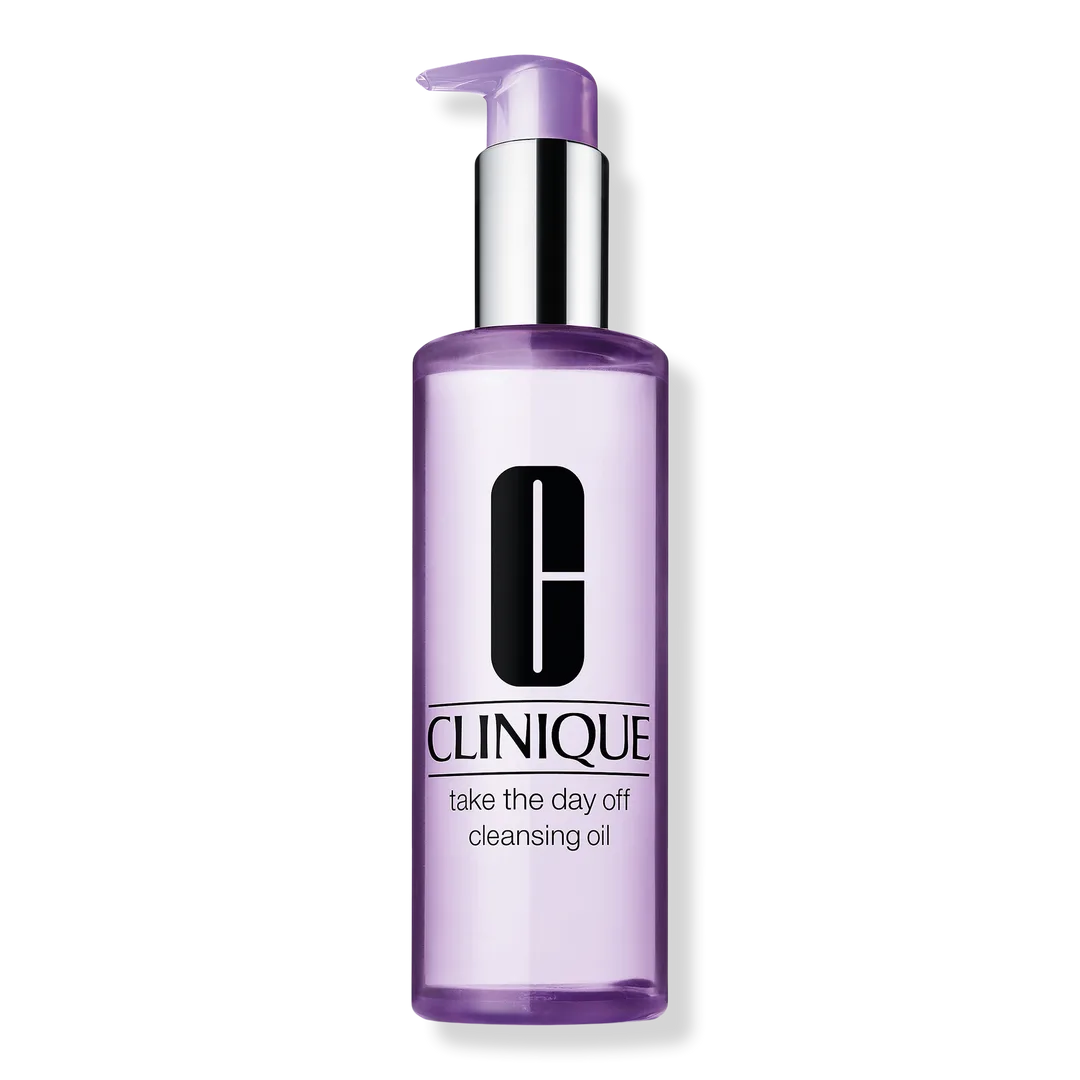
Take The Day Off Cleansing Oil
Value-Packed Gentle Oil Cleanser
 Verified reviewer
Pros & cons.
- +Exceptional value at $5.52 per ounce — nearly half the per-ounce cost of the Cleansing Balm
- +Synthetic ester base contains no traditional oils — lighter and less comedogenic than plant oil-based alternatives
- +Hygienic pump bottle prevents contamination risk inherent in jar packaging
- +Polyethylene-free — avoids the microplastic ingredient present in the Cleansing Balm
- +Glycerin addition provides a hydrating touch during cleansing that the Balm lacks
- +Allergy tested, ophthalmologist tested, and non-acnegenic — safe for virtually all skin types
- −Significantly less famous than the Cleansing Balm — harder to find at some retailers
- −Utilitarian experience lacks the sensory satisfaction of premium cleansing oils
- −Contains BHT (synthetic antioxidant) which some consumers prefer to avoid
- −Slightly less effective than the thicker Balm at dissolving very heavy waterproof makeup
- −Contains PEG-based emulsifiers that some consumers with strict ingredient preferences avoid
The full review.
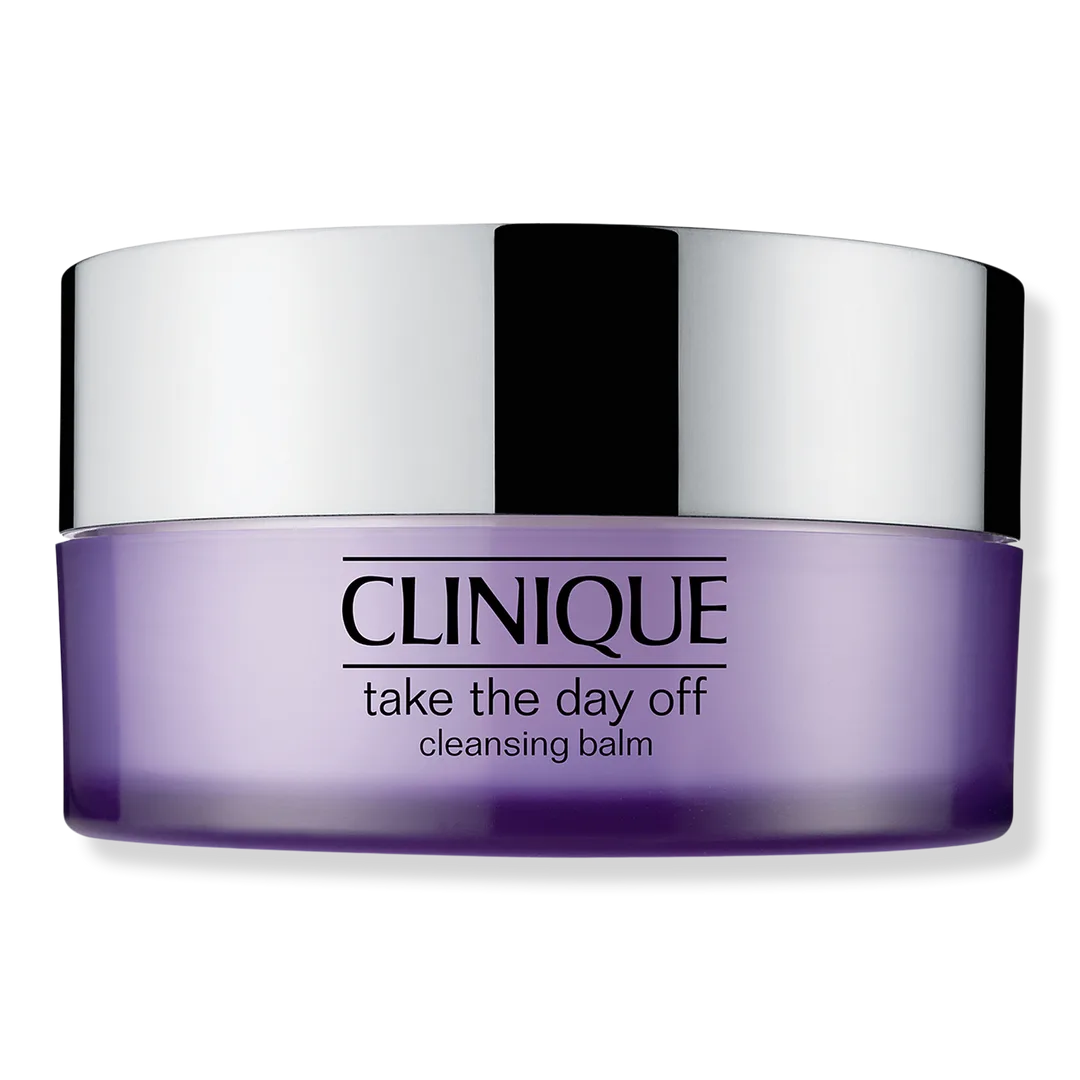
Every family has a favorite child. In the Clinique Take the Day Off family, the Cleansing Balm gets the magazine features, best-of lists, cult status, and social media reverence. The Cleansing Oil sits beside it on the shelf, doing the same job at nearly half the per-ounce price, in more hygienic packaging, without the microplastic ingredient that causes consumer concern. It is the overlooked sibling that wins on the spreadsheet even if it loses on Instagram.
The formula philosophy matches the Balm’s: dissolve oil-based impurities through chemical compatibility, emulsify with water, and rinse clean. But the execution differs. Where the Balm uses safflower seed oil as its plant-oil base, the Oil uses synthetic esters — cetyl ethylhexanoate and triethylhexanoin — that mimic oil’s dissolving behavior without being oils. This distinction matters for two reasons: synthetic esters are lighter and less likely to cause comedone formation than plant oils, and their composition is more predictable, reducing batch-to-batch variation for sensitive skin.
Thirteen ingredients fill the formula — four more than the Balm’s nine ingredients, but still restrained for the category. The additional ingredients include glycerin, which provides a hydrating touch during cleansing that the Balm lacks, and tocopheryl acetate (a more stable vitamin E derivative than the pure tocopherol in the Balm). BHT serves as the antioxidant stabilizer — a synthetic alternative to the Balm’s natural tocopherol approach. None of these additions introduce common irritants or allergens.
Notably absent: polyethylene. The Cleansing Balm’s inclusion of polyethylene — classified as a microplastic — is a talking point for environmentally conscious consumers. The Cleansing Oil avoids this controversy. For consumers who want the Take the Day Off cleansing experience without the microplastic question, the Oil is the clear choice.
In use, the experience is straightforward. Two to three pumps of the clear liquid oil spread easily across a dry face. The texture is thinner and lighter than most cleansing oils — it feels less like oil and more like a lightweight serum with slip. Makeup dissolves on contact, including foundation, concealer, and lipstick. Waterproof mascara requires more patience — holding the oil on closed eyelids for ten to fifteen seconds before massaging allows the esters to break down the waterproof polymers.
The emulsification step is satisfying. A splash of water transforms the clear oil into an opaque milky liquid within seconds. Massage for another fifteen to twenty seconds and the emulsion rinses away completely, leaving skin clean, soft, and subtly hydrated rather than stripped. The glycerin’s contribution is noticeable — there is a slight moisture retention that the Balm’s simpler formula does not provide.
The pump bottle format works well. Where the Balm requires scooping from a jar with potentially contaminated fingers, the Oil dispenses through a hygienic pump that never exposes the product to bacteria or air. For a product used nightly for months, this packaging adds to product integrity and shelf life.
The value proposition is clear. At thirty-seven dollars for 6.7 ounces, the cost per ounce is approximately $5.52. The Cleansing Balm, at forty-four dollars for 3.8 ounces, costs approximately $11.58 per ounce — more than twice as much. With nightly use, the Oil lasts five to seven months, making the per-use cost roughly 17-25 cents. For a product that performs the same cleansing task, the economic argument for the Oil is straightforward.
Why does the Oil receive less attention? Partly because the Balm arrived first and established the line’s reputation. Partly because the balm-to-oil texture transformation is more Instagrammable than a pump. And partly because the Oil’s virtues — value, hygiene, simplicity — are practical rather than exciting. The skincare market rewards novelty and sensory experience, and the Oil offers neither. It offers reliability, which is less photogenic but more valuable.
The limitations mirror the Balm’s: there is no sensory luxury here. No fragrance, no sumptuous texture, no self-care indulgence. The Oil is a tool that removes makeup. It does this job well, at an excellent price, with minimal risk to any skin type. For some users, that is enough. For others who want an evening cleanse that feels like a ritual, the utilitarian experience will feel lacking.
The BHT inclusion warrants a note for transparency. BHT is a synthetic antioxidant that attracts consumer skepticism, primarily based on older research at high oral doses in animal studies. In a rinse-off product at minimal concentrations, exposure is negligible. However, consumers with strong preferences against synthetic preservatives should be aware of its presence.
As a first cleanser in a double-cleansing routine, the Take the Day Off Cleansing Oil may be the best value in Clinique’s entire portfolio. It delivers the brand’s allergy-tested, dermatologist-tested, fragrance-free promise at a price point that makes nightly use affordable. That its more famous sibling gets all the attention is one of skincare’s quieter injustices.
Formula
Ingredient analysis.
Full INCI list
Cetyl Ethylhexanoate, Triethylhexanoin, PEG-20 Glyceryl Triisostearate, Polybutene, PEG-8 Diisostearate, PEG-12 Diisostearate, PPG-15 Stearyl Ether, Water/Aqua/Eau, Tocopheryl Acetate, Glycerin, Caprylyl Glycol, Glyceryl Laurate, BHT
Skin match.
The science.
The Science
This formula uses a synthetic ester approach to prioritize consistency and lower comedogenic risk. Cetyl ethylhexanoate and triethylhexanoin are branched-chain esters with controlled molecular properties. Their branching reduces skin penetration compared to straight-chain oils but maintains high dissolving capacity for oil-based impurities.
Glycerin distinguishes this from most oil-based cleansers. Glycerin is a humectant that draws water into the stratum corneum. Its presence in a cleansing product helps prevent the transient barrier disruption that occurs during cleansing. Research in the British Journal of Dermatology shows that glycerin-containing cleansers produce less transepidermal water loss (TEWL) post-cleansing than glycerin-free alternatives.
The emulsification system uses PEG-20 glyceryl triisostearate and related PEG esters to create self-emulsifying behavior when water is added. These molecules have both lipophilic (oil-attracting) and hydrophilic (water-attracting) regions. This allows them to bridge the oil-water interface and rinse away completely. This removes the residual oil film that non-emulsifying cleansing oils leave behind.
The oil-free claim is technically accurate despite the product name. Synthetic esters are not oils in cosmetic chemistry, though they mimic oil's dissolving behavior through similar intermolecular forces. This distinction matters for consumers whose skin reacts differently to natural oils versus synthetic emollients.
Dermatologist Perspective
Dermatologists view this as a safe, effective first-step cleanser for almost all skin types and conditions. The non-acnegenic, allergy-tested, and ophthalmologist-tested credentials make it a reliable recommendation for patients with sensitive, reactive, or acne-prone skin. Board-certified dermatologists note that the ester-based approach removes the variable of natural oil quality and composition that affects patient outcomes with plant oil-based cleansers. The glycerin content helps patients with dry or compromised skin barriers remove makeup without additional moisture stripping.
Where it fits in your routine.
Dispense two to three pumps onto dry palms. Spread the oil over your dry face in gentle, circular motions. Massage for 60 seconds, focusing on areas with heavy makeup or sunscreen. For waterproof eye makeup, hold the oil on closed eyelids for 10-15 seconds before massaging. Add a splash of lukewarm water and massage until the oil emulsifies into a milky consistency. Rinse thoroughly with lukewarm water. Use a water-based second cleanser to finish your double cleanse.
At $37 for 6.7 ounces, this is one of Clinique's best value cleansers. The $5.52 per-ounce cost is competitive for a prestige, allergy-tested, dermatologist-developed product—less than half the $11.58/oz cost of the Cleansing Balm. Nightly use makes the bottle last five to seven months, costing roughly $5-7 per month. This makes a prestige cleansing experience affordable, a feat for a product with these clinical testing credentials.
Value-conscious consumers want the Take the Day Off cleansing experience without the Balm's premium per-ounce cost. Users who prefer pump packaging for hygiene also benefit. This option avoids polyethylene/microplastics. It works for anyone with sensitive, acne-prone, or reactive skin needing a gentle, minimalist first cleanser.
People who want a thick cleansing balm texture and can pay the per-ounce premium. Anyone with strict PEG-free or BHT-free ingredient preferences. Users seeking skincare benefits beyond cleansing — this is purely functional.
Product details.
This lightweight, silky liquid oil is thinner than typical cleansing oils. It feels smooth and non-greasy during application. The oil emulsifies into a milky consistency when water is added, then rinses completely clean.
Fragrance-free. Completely unscented during use.
Clinique's clean white design uses a plastic pump bottle. This pump format is more hygienic than the Cleansing Balm's jar and dispenses precisely without a mess. It is sturdy and travel-friendly.
Press two to three pumps into dry palms. The clear, lightweight oil spreads easily with a silky slip. Makeup dissolves on contact without rubbing. Adding water turns the oil into a milky white liquid that rinses away completely. Skin feels clean, soft, and slightly hydrated from the glycerin — unlike the tight feel some foaming cleansers leave.
5-7 months with nightly use
18 months
All Year
The backstory.
The Take The Day Off Cleansing Oil was designed as the liquid counterpart to the cult-favorite Cleansing Balm, offering the same dissolution chemistry in a format preferred by those who find balm textures too waxy or jar packaging unhygienic. While it lives in the shadow of its more famous sibling, the oil quietly offers a compelling argument: same gentle cleansing philosophy, better per-ounce value, and more hygienic packaging.
About Clinique
Legacy Brand (20+ years)Clinique launched in 1968 as the first prestige skincare brand developed with dermatologists. The Take the Day Off line is one of Clinique's most trusted ranges; its allergy-tested, fragrance-free formulations target sensitive skin.
Common myths.
This product is an oil, so it will clog pores
This formula contains no traditional oils. Instead, it uses synthetic esters that mimic oil behavior. These esters are lighter and less likely to clog pores than plant oils. Non-acnegenic testing confirms it is safe for breakout-prone skin.
The Cleansing Balm is always better than the Cleansing Oil
Both products dissolve oil-based impurities with minimal irritation. The Oil has better per-ounce value ($5.52/oz vs $11.58/oz for the Balm), uses more hygienic pump packaging, and lacks the polyethylene (microplastic) found in the Balm. The Balm has a thicker feel and dissolves heavy waterproof formulas better.
FAQ.
How is the Clinique Cleansing Oil different from the Cleansing Balm?
Both reach the same cleansing goal but differ in format, ingredients, and value. The Oil is a liquid in a pump bottle, contains no polyethylene microplastics, and costs about $5.52 per ounce compared to the Balm's $11.58 per ounce. The Balm is a solid that melts into oil, has a thick texture for heavy makeup, and uses safflower seed oil instead of the Oil's synthetic esters. Choose the Oil for value and hygiene; choose the Balm for texture and heavy-duty dissolution.
Does this cleansing oil really contain no oils?
Correct — despite the name, this formula uses only synthetic esters (cetyl ethylhexanoate and triethylhexanoin) instead of traditional plant or mineral oils. These esters dissolve like oils but are lighter, more predictable, and generally less comedogenic. This distinction matters for users who react to specific plant oils.
Will this cleansing oil remove waterproof mascara?
Yes — the ester-based formula dissolves waterproof formulas well, but the Cleansing Balm's thick consistency allows more dwell time on stubborn eye makeup. For the Oil, hold a few drops on closed eyelids for 10-15 seconds before massaging to let the esters break down waterproof polymers.
Can I use this cleansing oil on acne-prone skin?
Yes — non-acnegenic testing confirms its safety. The synthetic ester base avoids the comedogenic concerns of some plant oils, and the emulsification system rinses clean without pore-clogging residue. Use a water-based second cleanser to complete a thorough double-cleanse.
Why does this product contain BHT?
BHT (butylated hydroxytoluene) is a synthetic antioxidant that stops the ester-based formula from oxidizing or going rancid. It extends shelf life and keeps the product stable. BHT is a topic of consumer debate, but this formula uses minimal concentrations and you wash it off during cleansing.
What the community says.
"Extremely gentle — never irritates even very sensitive skin"
"Removes all makeup and sunscreen effectively"
"Emulsifies and rinses completely clean with no residue"
"Bottle lasts a very long time — excellent economy"
"No essential oils or mineral oils — suitable for the most reactive skin"
"Convenient pump bottle format is more hygienic than a jar"
"Less exciting or luxurious than other oil cleansers — very utilitarian"
"Lower market awareness compared to the Cleansing Balm sibling"
"Contains PEG-based emulsifiers which some consumers prefer to avoid"
"Contains BHT — a synthetic antioxidant some consumers are cautious about"
"Not as widely stocked at all retailers as the Balm"
Featured in.
People also looked at.