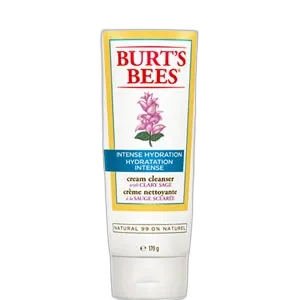
Intense Hydration Cream Cleanser
Dry Skin Winter Cleanser
 Verified reviewer
Pros & cons.
- +Amino acid surfactant cleanses gently without disrupting the skin barrier
- +Cupuaçu butter provides superior water-absorption compared to typical emollients in cleansers
- +Probiotic-prebiotic system supports skin microbiome health during cleansing
- +Excellent value at roughly $11 for a 6 oz tube lasting 3-4 months
- +Leaves skin feeling soft and hydrated rather than tight and stripped
- +Sulfate-free and silicone-free formula with natural-origin ingredients
- +Works beautifully as a morning cleanser or gentle second cleanse at night
- −Six identified fragrance allergens significantly limit suitability for sensitive skin
- −Leaves a soft film that some users find uncomfortable or insufficiently clean
- −Does not effectively remove heavy makeup or waterproof products
- −Minimal foam may feel inadequate for users accustomed to traditional cleansers
- −Contains coconut oil which is comedogenic for some acne-prone individuals
The full review.
People with dry skin know the despair of a tight, shrinking sensation immediately after washing. Burt’s Bees built this cleanser for those users, creating a formula that protects the moisture barrier.
The Intense Hydration Cream Cleanser launched in 2012 as part of a hydration-focused line from a brand making nature-based personal care since Ronald Reagan’s second term. The goal is simple: cleansing should not undo the work of your moisturizer. The formula achieves this through specific ingredient choices.
The surfactant system is critical because most cleansers fail dry skin. Instead of sulfates or cocamidopropyl betaine, this formula uses sodium lauroyl glutamate—an amino acid-derived surfactant that cleanses effectively while remaining gentle on the skin barrier. It produces minimal foam. While some equate bubbles with cleanliness, less foam typically means less barrier disruption.
The formula acts as a hydration delivery system. Glycerin, a standard dermatological humectant, is high in the formula. Cupuaçu butter—from the Theobroma grandiflorum tree—provides an emollient with high water-absorption capacity. While shea butter forms an occlusive layer on the surface, cupuaçu draws water into its structure, making it effective in a rinse-off product with brief contact time.
Burt’s Bees positions clary sage extract as a moisture-trapping botanical, but the evidence is limited. Clary sage has traditional use in herbal medicine and some anti-inflammatory and antioxidant properties, but fewer studies support its role as a skincare humectant compared to hyaluronic acid or glycerin. The formula works regardless: glycerin, cupuaçu butter, coconut oil, olive oil, and jojoba esters provide ample hydration.
The probiotic-prebiotic system is a forward-thinking feature. Lactobacillus paired with alpha-glucan oligosaccharide uses a synbiotic approach to support the skin microbiome during cleansing. Research suggests preserving microbial diversity during cleansing helps skin health. Including both a probiotic and its food source is more sophisticated than the token probiotic extracts many brands use for label appeal.
Texture
The texture is a thick cream squeezed from the tube and massaged onto damp skin. It does not foam or lather. It feels like applying a light moisturizer. This feels strange if you use gel or foam cleansers, but it works for dry skin. After rinsing, skin feels clean and soft. Some users notice a faint dewy quality, while others describe it as a film. This sensation depends on your skin type and preferences.
Scent
The scent reveals the formula’s compromises. The fragrance blend includes citrus oils—orange, lemon, and bitter orange—plus six fragrance allergens: amyl cinnamal, citral, eugenol, hydroxycitronellal, limonene, and linalool. For a product for dry, delicate skin, this is a drawback. The herbal-citrus scent is pleasant, but sensitive skin users should weigh this cost.
Works for
Daily performance is solid. As a morning cleanser, it refreshes without stripping moisture. As an evening cleanser, it removes light daily wear and sunscreen, though heavy makeup requires a dedicated first cleanse. The cream formula does not dissolve waterproof mascara or long-wear foundation.
Best for
At roughly eleven dollars for six ounces, this is an excellent value. The tube lasts three to four months with twice-daily use. The formulation—amino acid surfactant, cupuaçu butter, and a probiotic-prebiotic system—is higher quality than most drugstore options at this price. Burt’s Bees has refined this formula over more than a decade of feedback.
Not ideal for
The cleanser has a conflict between its nourishing, microbiome-conscious formula and its extensive fragrance allergen list. The formula suits sensitive skin, but the allergens do not. A fragrance-free version would be excellent. As it stands, it is an effective option for dry to normal skin without fragrance sensitivities.
Ingredient analysis.
Full INCI list
Aqua (Water), Stearic Acid, Glycerin, Sodium Lauroyl Glutamate, Zea Mays (Corn) Starch, Ricinus Communis (Castor) Seed Oil, Parfum (Fragrance), Citrus Aurantium Dulcis (Orange) Oil, Salvia Sclarea (Clary) Extract, Lactobacillus, Theobroma Grandiflorum Seed Butter, Cera Alba (Beeswax, Cire D'Abeille), Cocos Nucifera (Coconut) Oil, Olea Europaea (Olive) Fruit Oil, Jojoba Esters, Hydrolyzed Jojoba Esters, Citrus Medica Limonum (Lemon) Peel Oil, Citrus Aurantium Amara (Bitter Orange) Peel, Polymnia Sonchifolia Root Juice, Zinc Oxide, Alpha-Glucan Oligosaccharide, Propanediol, Maltodextrin, Tocopherol, Xanthan Gum, Glycine Soja (Soybean) Oil, Arginine, Sodium Lauroyl Lactylate, Potassium Sorbate, Sodium Benzoate, Phenoxyethanol, Amyl Cinnamal, Citral, Eugenol, Hydroxycitronellal, Limonene, Linalool
Skin match.
The science.
The Science
The amino acid surfactant sodium lauroyl glutamate comes from glutamic acid and lauric acid. This creates a cleansing agent with a pH closer to the skin's natural acid mantle than traditional sulfate surfactants. Research in the International Journal of Cosmetic Science shows amino acid-based surfactants cause less irritation and transepidermal water loss than sodium lauryl sulfate. This makes them suitable for compromised or dry skin barriers.
The probiotic-prebiotic combination in this cleanser uses the skin microbiome to support barrier function. Lactobacillus species produce lactic acid and bacteriocins to keep the skin acidic and hostile to pathogenic bacteria. The alpha-glucan oligosaccharide acts as a prebiotic substrate that feeds beneficial bacteria. A 2019 review in the journal Microorganisms shows topical Lactobacillus-derived ingredients can modulate skin immune responses and strengthen barrier function, though most research focuses on leave-on products rather than rinse-off formulations.
Cupuaçu butter (Theobroma grandiflorum seed butter) absorbs up to 240% of its weight in water, while lanolin absorbs approximately 120%. This hygroscopic property, noted in cosmetic chemistry literature, works well in brief-contact products like cleansers where moisture delivery lasts only the 30-60 seconds of application before rinsing.
Dermatologist Perspective
Dermatologists usually recommend cream cleansers for patients with dry skin or compromised barriers because they preserve natural lipids better than foaming alternatives. Board-certified dermatologists note the amino acid surfactant base in this formula meets clinical recommendations for gentle cleansing. However, dermatologists specializing in contact dermatitis would flag the extensive fragrance allergen profile — amyl cinnamal, citral, eugenol, hydroxycitronellal, limonene, and linalool — as a concern for patients with atopic tendencies. They typically recommend a patch-test before daily use, especially for patients with facial eczema or rosacea.
Where it fits in your routine.
Wet your face with lukewarm water. Squeeze a nickel-sized amount onto your fingertips. Massage it into your face and neck in gentle circular motions for 30-60 seconds. Rinse well with lukewarm water; a second rinse or a damp washcloth removes any residual film. Pat dry gently. Use morning and evening. On heavy makeup days, use an oil cleanser or micellar water first, then use this cleanser as your second step.
At about $11 for six ounces, this cleanser offers great value. The amino acid surfactant, cupuaçu butter, and probiotic system usually appear in cleansers costing two to three times more. One tube lasts three to four months with twice-daily use, so the cost-per-wash is low. Burt's Bees' legacy and dermatologist-recommended status show this is a proven formula refined for over a decade, not a trend-chasing newcomer. The only value trade-off is that fragrance-sensitive users may buy a separate, more expensive fragrance-free cleanser — raising the effective cost for that group.
Dry to normal skin types find most cleansers stripping or uncomfortable, especially in colder months. This works for users wanting a nature-based formula with genuine hydrating ingredients who lack fragrance sensitivities.
People with known fragrance allergies or contact dermatitis should avoid this cleanser because it has six identified allergens. The thick, non-foaming texture feels too heavy for oily and acne-prone skin, and the coconut oil content causes breakouts. Those needing effective makeup removal should look elsewhere.
Product details.
Thick cream that lathers minimally and feels like a moisturizer rather than a traditional cleanser during application
Herbal-citrus scent with strong clary sage and orange notes — pleasant but noticeable
Standard 6 oz squeeze tube, easy to control product dispensing
The thick cream texture may surprise users accustomed to foaming or gel cleansers. It lathers minimally, which feels less effective, but this is by design. Skin feels softer and more comfortable immediately compared to traditional cleansers. No adjustment period is needed.
3-4 months with twice-daily use
12 months
fall winter
The backstory.
Launched in 2012 as part of Burt's Bees' Intense Hydration line, this cream cleanser was designed for people who found even gentle cleansers too drying. It's built on the concept that cleansing shouldn't strip what moisturizers spend all day putting back, using clary sage — a Mediterranean herb traditionally associated with skin healing — as its moisture-locking centerpiece.
About Burt's Bees
Legacy Brand (20+ years)Burt's Bees started in Maine in 1984 and is now one of America's most recognized natural personal care brands. Clorox acquired the brand in 2007. It is the number-one dermatologist-recommended natural skincare line, using dermatologist-tested products formulated with natural-origin ingredients.
Common myths.
Cream cleansers do not clean your skin because they do not foam.
This formula uses sodium lauroyl glutamate, a gentle amino acid-based surfactant. It removes dirt and excess oil without the heavy foam of sulfate-based cleansers. This low foam level is a feature, not a flaw; it causes less barrier disruption.
Cleansers that leave skin feeling soft leave residue behind.
Glycerin, cupuaçu butter, and jojoba esters create a thin moisture layer to soften the skin. Some users call this residue, but this intentional hydration prevents the tight, dry feeling after cleansing.
FAQ.
Does Burt's Bees Intense Hydration Cream Cleanser remove makeup?
It removes light to moderate makeup well but fails on heavy foundation, waterproof mascara, and long-wear products. For full makeup removal, use an oil cleanser or micellar water first, then use this cream cleanser as your second step. The cream formula works best as a daily face wash, not a makeup remover.
Is this cleanser good for sensitive skin?
The gentle amino acid surfactant base and hydrating ingredients work well for sensitive skin, but the formula contains multiple fragrance allergens: limonene, linalool, eugenol, and citral. If you have fragrance sensitivities or contact dermatitis, patch-test on your inner forearm for 48 hours before face use.
Can I use this cleanser with retinol?
Yes — this cream cleanser pairs well with retinol products. Its non-stripping, moisture-preserving formula protects the skin barrier that retinol can compromise. Glycerin and cupuaçu butter provide a hydrated foundation that buffers retinol irritation when applied to slightly damp skin after cleansing.
Why does this cleanser leave a film on my face?
The soft, slightly dewy feeling after rinsing is intentional. jojoba esters, cupuaçu butter, and glycerin deposit a thin moisture layer. If this feels uncomfortable, rinse more thoroughly with lukewarm water or use a damp washcloth for a second rinse. Some oily skin types may prefer a lighter cleanser.
Is Burt's Bees Intense Hydration Cream Cleanser sulfate-free?
Yes, it uses sodium lauroyl glutamate, an amino acid-derived surfactant, instead of sulfates like SLS or SLES. This is gentler on the skin barrier and avoids the tight, stripped feeling sulfate-based cleansers cause, especially on dry and sensitive skin types.
Community
What the community says.
"Leaves skin feeling clean without stripping moisture"
"Pleasant natural herbal scent"
"Affordable price point for a cream cleanser"
"Good for dry winter skin"
"Leaves a noticeable film or residue on some skin types"
"Struggles to remove heavy makeup or foundation"
"Fragrance may irritate very sensitive skin"
"Thick texture can feel heavy for oily or combination skin"
People also looked at.