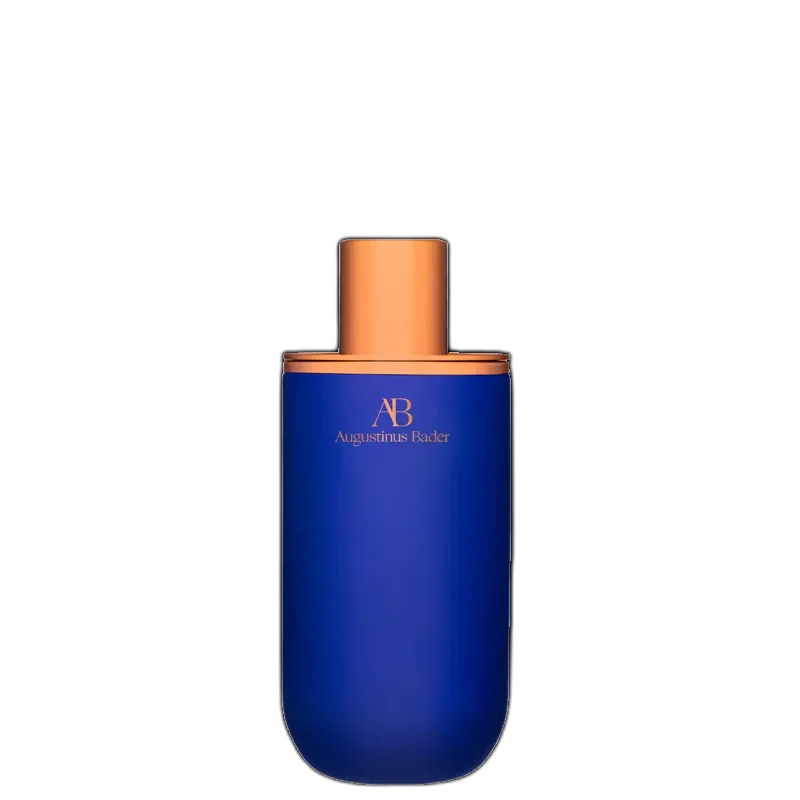
The Eye Cream
Prestige Price, Polite Performance
 Verified reviewer
Pros & cons.
- +Fragrance-free and essential-oil-free — safe for reactive eye area
- +Thoughtful ceramide and cholesterol barrier system
- +Light, cushiony texture that smooths makeup application
- +Niacinamide and adenosine provide evidence-backed support
- +Vegan formulation
- +Non-migrating — stays where you apply it
- −$220 for 15ml is difficult to justify on efficacy grounds
- −TFC8 claims exceed the published independent evidence
- −Jar packaging is less hygienic than airless at this price
- −Results are modest and gradual, not dramatic
- −No travel or sample size for testing before committing
The full review.
$220 for 15 milliliters. That is about $15 per milliliter. Every rice-grain dose under each eye costs roughly the price of a decent coffee. This context matters before evaluating the formulation, because the texture, science, and experience of The Eye Cream must justify that cost. A product at this price must be better than the pharmacy versions that cost three to five times less.
The brand’s formulation is thoughtful. The base uses a ceramide-cholesterol-squalane barrier system. This matters because the skin around the eyes is the thinnest on the face and loses water faster than other areas. Niacinamide is high on the list; it is the most well-studied cosmetic active here. Consistent use can address barrier function and modestly improve hyperpigmentation and fine lines. Adenosine is also present, which is an evidence-backed anti-aging cosmetic ingredient at low concentrations. Argan oil adds emollient cushion. The formula is fragrance-free and essential-oil-free. This differs from The Cleansing Balm in the same line and suits the reactive eye area.
Then there is TFC8. This trademarked complex drives the price, the brand’s central selling point, and most marketing. Professor Augustinus Bader’s academic work on hydrogel-based wound healing is legitimate research published in biomaterials and tissue engineering literature. The question for every honest review is how that wound healing research translates to a leave-on topical cosmetic. Independent clinical studies of the finished Augustinus Bader products, conducted by researchers without commercial ties to the brand, are not abundant. The existing evidence is suggestive, but it does not justify a price premium over a formulation with the same supporting actives without the trademark.
The cream feels good on the skin. It is light, cushiony, and absorbs without leaving residue or migrating into the eyes. Concealer applies more smoothly over it, which is the most noticeable effect in the first week. Crepiness looks softer due to better hydration. Dark circles improve modestly if they are pigmentation-based rather than structural. Fine lines look temporarily plumped. With several months of consistent use, they may show genuine improvement. However, any good eye cream with niacinamide and hydration does this, and you would struggle to distinguish this from a pharmacy alternative in a blinded comparison.
The jar packaging is a disappointing technical choice for this price. Luxury skincare at or above this tier usually uses airless pump packaging to protect actives from light and oxidation and to prevent finger contamination. The weighted opaque jar is beautiful and traditional, but the price tag should not require this compromise.
Who is this cream for? A small, specific audience. People deep in the Augustinus Bader ecosystem who want a complete, coherent routine. People for whom $220 is not a meaningful amount and who enjoy luxury rituals. People with reactive eyes who want a fragrance-free prestige option, which are rare. For these buyers, the cream performs as advertised.
For everyone else, you can get 85% of the experience and 95% of the results from a forty dollar eye cream. The gap between this cream and a thoughtful mid-range alternative is real but small. Whether the extra $170 is worth it depends on what skincare means to you. If you want a functional routine, this is not the pick. If skincare is a ritual, a pleasure, or an identity, the math changes.
Ingredient analysis.
Full INCI list
Water, Caprylic/Capric Triglyceride, Glycerin, Squalane, Cetearyl Olivate, Pentylene Glycol, Sorbitan Olivate, Butyrospermum Parkii (Shea) Butter, Argania Spinosa Kernel Oil, Glyceryl Stearate Citrate, Cetearyl Alcohol, Cetyl Alcohol, Hydrogenated Lecithin, Tocopherol, Evodia Rutaecarpa Fruit Extract, Sodium Hyaluronate, Hydroxyphenyl Propamidobenzoic Acid, Arginine, Glycine, Alanine, Glutamic Acid, Serine, Valine, Proline, Threonine, Isoleucine, Histidine, Phenylalanine, Aspartic Acid, Adenosine, Niacinamide, Panthenol, Cholesterol, Ceramide NP, Xanthan Gum, Sodium Stearoyl Glutamate, Tromethamine, Carbomer, Citric Acid, Sodium Benzoate, Potassium Sorbate, Phenoxyethanol, Ethylhexylglycerin
Skin match.
The science.
The Science
Niacinamide, ceramides, and adenosine provide the strongest evidence in this formula. Niacinamide has extensive studies on skin barrier, pigmentation, and fine lines; clinical trials in the Journal of Cosmetic Dermatology and the British Journal of Dermatology support its efficacy at concentrations starting around 2%. Research shows Ceramide NP combined with cholesterol improves barrier function when physiological lipids use compatible ratios for stratum corneum repair. Adenosine has a small, positive body of evidence for reducing fine lines and is an approved active in some regulatory frameworks for this purpose.
TFC8 (Trigger Factor Complex 8) has a more complex evidence profile. Professor Augustinus Bader's foundational academic research at the University of Leipzig focused on hydrogel-based wound healing scaffolds and appeared in journals like Biomaterials, Molecular Medicine, and Cell Transplantation. That work is well-regarded in its original context. However, the brand's proprietary innovation is the translation from clinical wound healing to topical cosmetic application. Independent clinical trials specifically on the finished Augustinus Bader products — The Eye Cream included — are not abundant in peer-reviewed literature. The brand has sponsored studies, but independent replication is limited.
The scientific position on this cream is that the supporting actives are well-supported, while the TFC8 story is plausible but undercredentialed relative to the brand's pricing. Claiming certainty that TFC8 does nothing or is revolutionary overstates what the current evidence base supports.
Dermatologist Perspective
Dermatologists asked about Augustinus Bader products typically acknowledge the founder's respected academic background but note that independent clinical validation of the specific commercial formulations is limited. Board-certified dermatologists generally recommend patients evaluate eye creams by their supporting cast — niacinamide, ceramides, hyaluronic acid, adenosine, retinoids where tolerated — rather than proprietary trademarked complexes. By that metric, The Eye Cream is well-formulated. The fragrance-free profile helps patients with rosacea, blepharitis, or sensitive eye skin, and dermatologists often steer reactive patients away from fragranced luxury alternatives for this reason. The most common clinical note is that patients should calibrate expectations: no eye cream, regardless of price, delivers dramatic structural change to the orbital area, and the $220 price point is difficult to justify clinically when comparable formulations exist at much lower cost.
Where it fits in your routine.
Pat a rice-grain-sized amount onto the orbital bone with your ring finger; do not drag. Apply in the morning after serum and before face moisturizer and SPF. Apply at night after treatment products and before face moisturizer. Avoid the immediate lash line. Use sparingly for maximum value; the concentrated cream spreads across both eyes with a small amount. Store in a cool, shaded location to protect the actives from light exposure through the jar.
This product has a weak value proposition for the prestige skincare category. Fifteen milliliters costs two hundred and twenty dollars, or about fifteen dollars per milliliter, making it one of the most expensive eye creams on the market. The formulation works well, but it is not better than a forty-dollar pharmacy or indie alternative with niacinamide, ceramides, and adenosine in a fragrance-free base. As an emerging brand, it lacks the decades of independent clinical validation that justifies a luxury-tier premium; the price reflects editorial coverage and brand positioning instead of clinical differentiation. The price only makes sense for complete Augustinus Bader brand loyalty or a desire for the ritual and sensorial experience.
Augustinus Bader brand ecosystem enthusiasts seeking a coherent routine. Luxury skincare buyers who want fragrance-free prestige options and pay for ritual and experience. Reactive eye skin types who had bad experiences with fragranced luxury eye creams.
Value-conscious buyers — a forty-dollar pharmacy alternative works nearly as well. Anyone expecting visible results proportional to the price. Skeptics of proprietary trademarked complexes who prefer paying for evidence-backed actives directly.
Product details.
Light, cushiony cream that melts into skin without feeling heavy on the orbital bone
Fragrance-free
Weighted opaque jar with inner lid — protects actives from light but is less hygienic than airless packaging at this price point
It absorbs quickly. You notice the cushion almost immediately—concealer sits smoother, crepiness looks softer, and there is no tingling or stinging. This cream does not provide dramatic overnight transformation; you must be patient.
4-6 months with twice-daily application to both eye areas
12 months
All Year
The backstory.
The Eye Cream launched in 2020 as Augustinus Bader's targeted expansion beyond The Cream and The Rich Cream. The brand's positioning was built on Professor Bader's academic work on wound healing and the translation of hydrogel research into topical cosmetics, and The Eye Cream was marketed as bringing that same approach to the thinner, more reactive skin around the eye.
About Augustinus Bader
Emerging Brand (2–5 years)Augustinus Bader launched in 2018 using Professor Bader's TFC8 complex, derived from his wound healing research at the University of Leipzig. The brand has editorial and celebrity traction, but independent clinical validation of its finished cosmetic products — including The Eye Cream — is limited for its price tier.
Common myths.
TFC8 regenerates under-eye skin like it supports wound healing in hydrogel dressings.
Researchers studied TFC8 in hydrogel wound-dressing contexts, not leave-on cosmetic formats. This translation to topical skincare is plausible but lacks the same evidence. Expectations should match what any good eye cream with niacinamide and ceramides achieves.
FAQ.
Is The Eye Cream worth $220?
No — not based on efficacy alone. The formulation works, but eye creams from CeraVe, La Roche-Posay, or Naturium cost much less and use many of the same barrier-supporting ingredients. The price only makes sense if you want the Augustinus Bader ritual and brand ecosystem.
Will it help with dark circles?
Moderately. The niacinamide treats pigmentation-based dark circles over several weeks, while hydration softens shadowed hollows. If dark circles are structural (vascular or caused by under-eye volume loss), no eye cream, including this one, fixes them.
How does TFC8 differ from the ingredients in other luxury eye creams?
TFC8 is a trademarked blend of amino acids and small molecules unique to Augustinus Bader, based on Professor Bader's wound healing research. This blend defines the brand's concept, but independent clinical comparisons to other luxury eye creams are limited. The other ingredients (niacinamide, ceramides, adenosine) are standard in well-formulated eye creams.
Is it safe around sensitive or reactive eyes?
Yes — unlike The Cleansing Balm from the same brand, The Eye Cream is fragrance-free and essential-oil-free. The formula is designed for the delicate orbital skin and most users with sensitive eyes tolerate it well.
Can I use it with retinol eye treatments?
Yes. Apply your retinol-based product first, wait a few minutes, then layer this cream on top. The ceramide-cholesterol base buffers retinol-related dryness in the under-eye area.
How long until I see results?
Immediate results only provide hydration and a cushion effect. Fine lines or pigmentation require 8-12 weeks of consistent twice-daily use. Keep expectations modest; eye creams add incrementally to broader routines.
Is it pregnancy-safe?
Yes. The formula lacks retinoids, salicylic acid, and other pregnancy-caution actives. Its primary actives are amino acids, niacinamide, ceramides, and adenosine.
What the community says.
"Hydrates without migrating into eyes"
"Cushiony texture that smooths makeup application"
"Fragrance-free and non-stinging on delicate skin"
"Pleasant, non-greasy finish"
"Extraordinarily expensive for 15ml"
"Results are modest relative to the price"
"TFC8 claims feel oversold compared to independent evidence"
People also looked at.