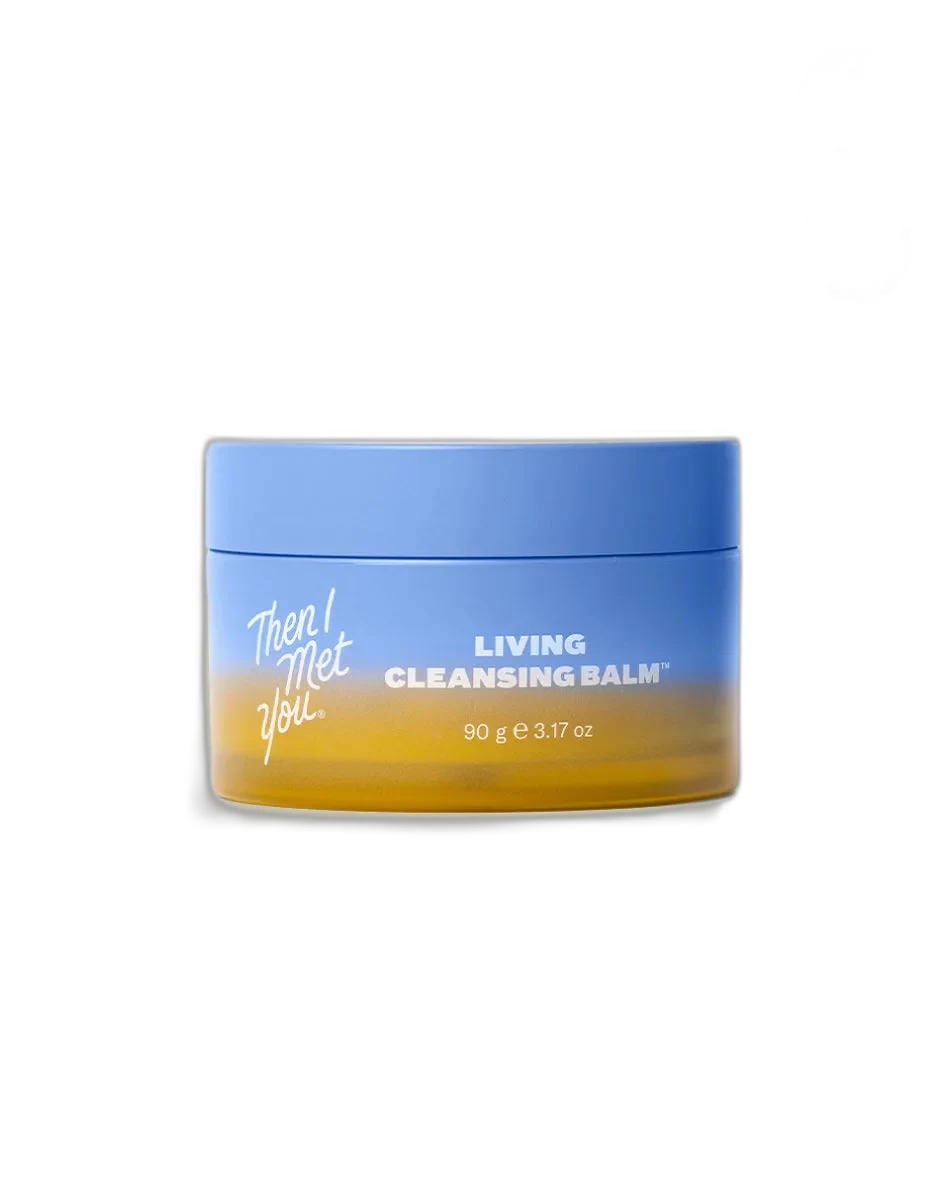
Living Cleansing Balm
Editor-Approved K-Beauty Cleanse
 Verified reviewer
Pros & cons.
- +Genuinely fragrance-free — rare in the K-beauty cleansing balm category
- +Five-oil plant blend reads like a face oil, not a budget cleanser
- +Sea buckthorn and pomegranate add documented antioxidant value
- +Cushioned massage texture is one of the most pleasant in the category
- +Removes waterproof makeup and sunscreen cleanly with proper emulsification
- +Leaves skin soft and glowy without any tight or stripped feel
- +Suitable for sensitive skin and those who avoid all fragrance
- +Founder's deep K-beauty editorial credibility backs the formulation
- −Olive oil high in the ingredient list may not suit all acne-prone users
- −Plant oil content makes it unsuitable for fungal acne sufferers
- −Jar packaging requires spatula use and can look messy with sloppy scooping
- −Significantly more expensive than competent drugstore K-beauty balms
- −Only one size available — no smaller option for first-time buyers
The full review.
About Then I Met You
Charlotte Cho spent more than a decade building Soko Glam into the most influential English-language K-beauty platform on the internet before she ever launched her own brand. By the time Then I Met You debuted in 2018, she had read more cleansing balm ingredient lists than almost anyone in the industry, and she knew exactly what frustrated her about the category. K-beauty cleansing balms were almost universally fragranced. The fragrance was usually pleasant — light florals, soft citrus, the kind of soft-focus aromas that defined Korean beauty in the 2010s — but it was also a quiet exclusion of every customer with sensitive skin, fragrance allergies, or rosacea. Cho wanted to make a cleansing balm that didn’t ask anyone to make that compromise. The Living Cleansing Balm is what she came up with, and the formulation choice that defined it isn’t an exotic ingredient or a proprietary delivery system. It’s the absence of fragrance.
Reality
What she put in instead is the second thing that makes this balm interesting. The lipid base is built around five plant oils — olive, avocado, grape seed, sea buckthorn, and pomegranate seed — alongside the standard caprylic/capric triglyceride and ethylhexyl palmitate that give cleansing balms their melt-on-skin texture. That’s a deliberate ingredient choice. Most cleansing balms in this price range use one or two plant oils for marketing copy and rely mostly on synthetic esters for the heavy lifting. This balm uses the plant oils as substantial structural ingredients, and the choice of oils tells you the formulator was thinking about more than just dissolving makeup. Sea buckthorn brings carotenoids and omega-7 fatty acids and is responsible for the balm’s golden-orange color. Pomegranate seed oil contributes punicic acid, a rare omega-5 fatty acid with documented antioxidant properties. Avocado and grape seed bring linoleic acid to balance the heavier oleic content of the olive oil base. The result is a cleansing balm that feels like it’s actually doing something for your skin during the brief contact window, not just lifting makeup.
How to Use
In use, the balm has a thick, almost waxy texture in the jar that melts into a silky oil within seconds of contact with warm skin. You scoop a half-teaspoon with the included metal spatula, warm it between your palms, and massage it into dry skin for at least sixty seconds — the longer the better, within reason. Sunscreen, foundation, and waterproof mascara dissolve as you go. The cushioning feel of the massage is one of the underrated pleasures of cleansing balms generally and this one specifically, and it’s part of why people who try this balm tend to become evangelists for the format. After enough massage, you wet your hands and continue working the balm until it emulsifies into a milky liquid, then rinse thoroughly with lukewarm water. Skin is left soft, slightly glowy, and never tight. Following up with a water-based cleanser produces a complete double cleanse, but the after-feel from the balm alone is good enough that some users skip the second step on no-makeup days.
Common Complaints
The complications are minor and mostly come down to category limits. Olive oil sits relatively high in the ingredient list, and while olive oil’s reputation as comedogenic is overstated for brief-contact cleansers, some acne-prone users do find that this balm doesn’t agree with them. The plant oil content also makes it unsuitable for fungal acne sufferers, who should choose synthetic ester-based cleansers instead. The jar packaging means you have to use the spatula to keep the formula hygienic, and the wide mouth of the jar means the balm can look messy after a few uses if you’re not careful with the spatula technique. None of these are dealbreakers, but they’re worth knowing.
Price
The price is the most subjective thing about this product. Thirty-eight dollars is meaningfully more than a Banila Co or Heimish cleansing balm, both of which are perfectly competent at their cheaper price points. What you’re paying for here is the depth of the plant oil profile, the absence of fragrance, the founder’s personal track record in K-beauty curation, and the quality-control reputation of a brand that has stayed deliberately small and focused. For people with sensitive skin or fragrance reactivity, the price is justified by the simple fact that most competitors aren’t options. For people with normal, resilient skin who could use any cleansing balm without trouble, the value math is closer — but the formulation is good enough that the upgrade still feels reasonable to most people who try it.
Best for
This balm belongs in the routine of anyone who wears daily sunscreen or makeup, has normal-to-dry or combination skin, prefers fragrance-free formulations, and appreciates a slow, ritualistic evening cleanse. It’s particularly well-suited to people who’ve tried fragranced K-beauty balms and reacted to them, or who want to invest in one really good cleanser instead of cycling through cheaper options. The 95ml jar lasts four to six months with nightly use, which softens the per-use cost considerably. Within its category and price tier, it’s one of the easier recommendations to make.
Ingredient analysis.
Full INCI list
Caprylic/Capric Triglyceride, Ethylhexyl Palmitate, Olea Europaea (Olive) Fruit Oil, PEG-20 Glyceryl Triisostearate, Polyethylene, Sorbitan Sesquioleate, Persea Gratissima (Avocado) Oil, Vitis Vinifera (Grape) Seed Oil, Hippophae Rhamnoides (Sea Buckthorn) Fruit Oil, Tocopheryl Acetate, Punica Granatum (Pomegranate) Seed Oil, Beta-Carotene, Glycine Soja (Soybean) Oil
Skin match.
The science.
The Science
Cleansing balms use the same lipid-dissolves-lipid principle as cleansing oils. Their solid-to-liquid texture changes the application feel and often allows for a more concentrated lipid base. The plant oils here provide both cleansing efficacy and skin-conditioning properties. Olive oil has high levels of oleic acid and natural squalene; both dissolve sebum and makeup well but can disrupt the barrier if left on the skin long-term. This makes olive oil better for brief-contact cleansing than for facial moisturizers. Avocado oil and grape seed oil have higher proportions of linoleic acid, an omega-6 fatty acid that supports barrier function and is often low in the sebum of acne-prone skin. Sea buckthorn fruit oil contains significant palmitoleic acid (omega-7), which has skin-conditioning properties, and beta-carotene, which provides antioxidant activity and the oil's orange color. Pomegranate seed oil contains punicic acid, a conjugated linolenic acid isomer studied in labs for antioxidant and anti-inflammatory properties. The emulsification system uses PEG-20 glyceryl triisostearate and sorbitan sesquioleate, two non-ionic surfactants that mix oil and water under mild agitation. The polyethylene component gives the balm its solid texture in the jar; it is an inert structural ingredient that creates the melt-on-skin feel without changing cleansing performance.
Dermatologist Perspective
Dermatologists often recommend cleansing balms to patients who wear daily sunscreen or makeup and need an effective first-step cleanser that protects the skin barrier. This fragrance-free formulation is good for patients with rosacea, eczema, or contact dermatitis. The plant oil profile works for most skin types, but board-certified dermatologists note that patients with active acne or fungal folliculitis may need to avoid olive-oil-based formulations and use synthetic ester alternatives instead. The dermatologic literature supports the double-cleanse approach this balm is designed for when wearing makeup and sunscreen, though single cleansing with a well-formulated water-based cleanser suffices for those who do not wear daily SPF or makeup.
Where it fits in your routine.
Use the included spatula to scoop a half-teaspoon of balm. Warm it between your palms until it melts into an oil. Apply to dry skin and massage the face, eyes, and lips for at least sixty seconds — longer if you wear heavy makeup or layered sunscreen. Wet your fingertips and massage until the balm emulsifies into a milky liquid, then rinse with lukewarm water. Use a water-based cleanser to finish the double cleanse. Use nightly. PM only — your morning routine does not need a cleansing balm.
At $38 for 95ml, this balm sits in the prestige cleanser tier. It costs more than Banila Co or Heimish, but roughly half of luxury options like Eve Lom or Tatcha. Value depends on your priorities. The price is fair for a fragrance-free formulation, a deep plant oil profile, and the founder's editorial credibility. If you only want basic makeup and sunscreen removal at the lowest cost, other options cost half as much. A 4-6 month longevity per jar lowers the per-use cost to about $0.25 per night.
This fragrance-free, plant-oil-rich cleansing balm works for normal-to-dry or combination skin users who wear daily SPF or makeup and want editorial credibility. It suits sensitive skin users who react to fragranced cleansing balms and anyone who prefers a slow, ritualistic evening cleanse.
People with active acne or fungal acne use synthetic ester-based cleansers instead. Cheaper K-beauty balms work for those on a tight budget. People who skip daily sunscreen or makeup do not need a dedicated first cleanser.
Product details.
Thick golden-orange balm that melts into a silky oil on contact with warm skin.
No added fragrance — sea buckthorn and pomegranate plant oils create a faint natural smell.
Wide-mouth glass jar with a metal spatula for hygienic scooping.
The balm dissolves makeup and sunscreen on the first pass with a thick, cushioned feel. Skin stays soft, glowy, and never tight after the second cleanse. It causes no purging or adjustment.
About 4-6 months with nightly use.
12 months
All Year
The backstory.
Charlotte Cho founded Then I Met You in 2018 after years running Soko Glam, the K-beauty editorial and retail platform that helped introduce American consumers to Korean skincare. The Living Cleansing Balm was the brand's debut product, designed as Cho's personal answer to the question of what a perfect cleansing balm should look like — fragrance-free, plant-oil rich, and unapologetically slow in its application ritual.
About Then I Met You
Established Brand (5–20 years)Soko Glam co-founder Charlotte Cho launched Then I Met You in 2018. The brand brings a curated K-beauty sensibility to the U.S. market. It earns credibility from Cho's K-beauty editorial reputation and a small, well-formulated lineup.
Common myths.
Cleansing balms are too heavy for warm climates.
A cleansing balm rinses off instead of staying on the skin. Lipid content affects cleansing efficacy, not residue. This balm rinses cleanly in any climate if you emulsify properly.
Olive oil is bad for skin.
Olive oil is not as comedogenic as people claim when used for cleansing, because contact time is short. The concern that olive oil's oleic acid disrupts the barrier applies to leave-on products, not to balms massaged on and rinsed off within a minute or two.
FAQ.
Is the Then I Met You Living Cleansing Balm worth the price?
Yes, because of the formulation quality. The five-oil blend is generous for a cleansing balm, and the fragrance-free formula beats most prestige competitors for sensitive skin. At $38, it is not the cheapest, but it costs less than most luxury cleansing balms with similar ingredient lists.
Does it really remove waterproof makeup?
Yes — the lipid content dissolves waterproof mascara, long-wear foundation, and chemical sunscreens within sixty seconds of massage. Always emulsify with water before rinsing to ensure clean removal.
Is it good for acne-prone skin?
Proceed with caution. The plant oil blend is mostly non-comedogenic, but olive oil is high on the ingredient list and some acne-prone users find it causes breakouts. If you get closed comedones, patch test on the jawline first.
Why is it fragrance-free?
Charlotte Cho formulated this balm without added fragrance to suit sensitive skin and people who avoid scented products. The faint natural aroma comes from plant oils, primarily sea buckthorn.
How does it compare to Banila Co Clean It Zero?
Both are popular K-beauty cleansing balms. Then I Met You uses a larger, more thoughtful plant oil blend, has no fragrance, and costs roughly twice as much. Banila Co is cheaper and has a sherbet texture with added fragrance. Choose based on your sensitivity and budget.
How long does one jar last?
A 95ml jar lasts four to six months with nightly use. The included spatula allows for precise amounts and keeps the formula hygienic.
Can I use this around my eyes?
Yes. This fragrance-free, gentle plant oil formulation is safe for the eye area and removes mascara effectively. Massage gently, emulsify, and rinse thoroughly.
Community
What the community says.
"melts away waterproof makeup"
"leaves skin soft and glowy"
"no fragrance"
"feels luxurious"
"small amount goes a long way"
"expensive compared to drugstore balms"
"olive oil base may not suit all acne-prone users"
"container can get messy"
People also looked at.