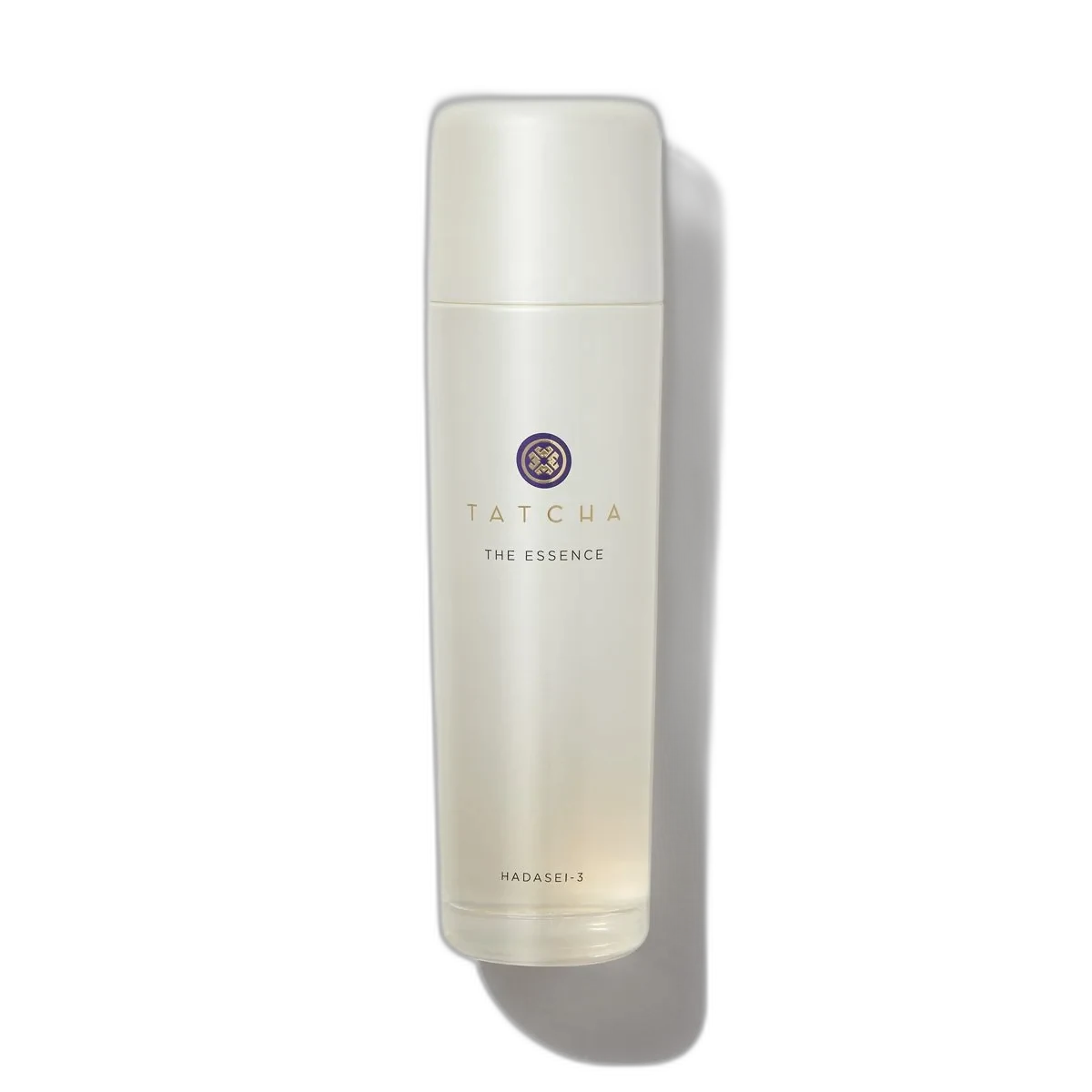
The Essence Plumping Skin Softener
Japanese Ritual Essential
 Verified reviewer
Pros & cons.
- +Radically minimalist 4-ingredient formula with zero irritation potential
- +Universally compatible — works for every skin type including sensitive and acne-prone
- +Fragrance-free, alcohol-free, oil-free, silicone-free, and fungal-acne-safe
- +Users consistently report improved absorption of subsequent skincare products
- +Undiluted Hadasei-3 ferment delivers concentrated botanical ferment compounds
- +Lightweight, fast-absorbing texture layers seamlessly into any routine
- +Allure Best of Beauty award winner with nearly a decade of market validation
- −Extraordinarily expensive at $110 for fermented rice water with minimal ingredients
- −No targeted active ingredients — ferment filtrate alone with no HA, niacinamide, or peptides
- −Effects are subtle and difficult to attribute specifically to this product
- −Comparable fermented essences available from K-beauty brands at 80-90% less cost
- −Bottle design lacks a pump or dropper, leading to frequent over-pouring
- −No published peer-reviewed studies on Hadasei-3 specifically
The full review.
Four ingredients. That is the entire formula for Tatcha’s The Essence Plumping Skin Softener. In an industry where ingredient lists routinely run thirty or forty lines deep, where brands compete to stuff more actives into increasingly complex formulations, Tatcha went the other direction entirely. The Essence is a bottle of Hadasei-3 ferment filtrate, a plant-derived solvent, and two preservatives. That is it. There is something either brilliantly pure or audaciously expensive about that approach, and which side you land on probably determines whether you will love this product or find it infuriating.
The star — indeed, the only performer — is Hadasei-3, Tatcha’s proprietary ferment created by fermenting green tea leaves, rice, and Okinawan mozuku algae together using Saccharomyces yeast. This is not the diluted version that appears partway down the ingredient list of other Tatcha products. Here, the ferment filtrate IS the product. No water to bulk it out, no emulsifiers to blend it with other phases, no oils or silicones competing for skin contact. Just the ferment and the minimum infrastructure needed to keep it stable in a bottle.
What does that ferment actually contain? The fermentation process produces a complex soup of amino acids, peptides, beta-glucans (from the yeast), catechins and EGCG (from the green tea), fucoidan (from the algae), and various organic acids and minerals. These compounds theoretically support hydration, antioxidant defense, and the maintenance of a healthy skin barrier. The key word is theoretically — while each class of compound has documented skincare benefits, Tatcha has not published peer-reviewed studies on Hadasei-3 specifically. The evidence base is an inference: these ingredients are good, fermentation makes them more bioavailable, therefore this ferment should be good for skin.
In practice, the experience is disarmingly simple. The essence pours like slightly thickened water — clear with a barely perceptible golden tint. It absorbs almost instantly, leaving behind a barely-there softness and absolutely no residue. There is no dramatic before-and-after moment. No tingling to suggest actives at work. No visible transformation. What there is, consistently, is a sense that your skin has been subtly primed. Serums applied afterward seem to glide on more evenly. Moisturizers seem to absorb more completely. The effect is cumulative and best appreciated over a week or two rather than a single use.
The universality of this product is its genuine strength. With only four ingredients and zero irritants — no fragrance, no alcohol, no essential oils, no common allergens — it is nearly impossible to react badly to this essence. Oily skin tolerates it. Dry skin appreciates it. Sensitive skin that flinches at everything can relax. It is fungal-acne-safe. It is pregnancy-safe. It is the rare product that you could recommend to literally anyone without caveats, which in a market full of ‘suitable for most skin types (but actually not really)’ is worth noting.
The elephant in the bottle is the price. One hundred and ten dollars for 150 mL of fermented rice water, green tea, and algae. Let that number sit for a moment. The ingredients themselves are not exotic or expensive to produce. Saccharomyces fermentation is a well-established industrial process. The glass bottle and gold cap are lovely but do not account for the premium. What you are paying for is the Tatcha brand, the claim of a proprietary ferment, and the luxury positioning.
For context, Korean beauty — which pioneered the fermented essence category — offers products with comparable ferment filtrate technology at a fraction of the cost. Galactomyces and Saccharomyces ferment essences from established K-beauty brands typically run $15 to $30 for similar volumes. Whether Hadasei-3’s specific combination of substrates (green tea + rice + algae) produces meaningfully different results from other Saccharomyces ferments is an open question that Tatcha’s marketing asserts but independent research has not confirmed.
The minimalism cuts both ways. The purity is admirable — you know exactly what is touching your skin, and nothing in the formula is unnecessary. But it also means there are no targeted actives. No hyaluronic acid for structured hydration. No niacinamide for pore refinement. No peptides for anti-aging. The Essence does one thing: deliver ferment to skin. If that single thing produces results for you, the simplicity is elegant. If you are looking for a product that pulls multiple levers simultaneously, this will feel like an expensive warm-up act for the serums that follow.
The Allure Best of Beauty award and a dedicated following suggest that, for many users, this product earns its place in the routine. The people who love it tend to love it fervently, describing it as the step they noticed most when they skipped it. The people who do not connect with it tend to characterize it as expensive water with good marketing. Both perspectives are defensible, which is what makes The Essence one of the more polarizing products in luxury skincare — not because it is controversial, but because its value proposition depends entirely on what you believe fermented botanical filtrate is worth to your skin.
Ingredient analysis.
Full INCI list
Saccharomyces/Camellia Sinensis Leaf/Cladosiphon Okamuranus/Rice Ferment Filtrate, Propanediol, Phenoxyethanol, Ethylhexylglycerin
Skin match.
The science.
The Science
Saccharomyces fermentation of botanical substrates creates a complex filtrate with amino acids, organic acids, vitamins, beta-glucans, and polyphenol metabolites. The Essence claims fermentation improves the bioavailability and skin-penetration of compounds that raw plant extracts cannot absorb well.
Saccharomyces yeast beta-glucans have documented moisturizing and wound-healing properties. Research in the International Journal of Cosmetic Science shows yeast-derived beta-glucans stimulate collagen synthesis and reduce wrinkles, explaining the "plumping" effect users report.
The green tea component provides catechins, specifically EGCG (epigallocatechin gallate), a widely studied skincare antioxidant. A review in the Journal of the American Academy of Dermatology found that topical green tea polyphenols offer photoprotection and anti-inflammatory benefits. Fermentation may increase free (unconjugated) catechin concentrations, aiding skin absorption.
Fucoidan from Cladosiphon okamuranus (mozuku algae) is a sulfated polysaccharide with anti-inflammatory, antioxidant, and moisturizing properties. Research in Marine Drugs (2011) shows fucoidan inhibits matrix metalloproteinases (MMPs) in a dose-dependent manner. These enzymes degrade collagen, which links to the anti-aging claims for this essence.
The formula contains no water. Most essences use water as the main ingredient and add ferment filtrate at a specific concentration. Here, the ferment filtrate IS the solvent base, so the bioactive compound concentration is theoretically higher than in water-diluted formulas. However, without published concentration data from Tatcha, the exact amount of active compounds per application is unknown.
Dermatologist Perspective
Dermatologists agree that the essence category—applying a lightweight, nutrient-rich liquid after cleansing—aligns with skin physiology. Cleansing slightly disrupts the acid mantle, priming skin to absorb hydrating and conditioning ingredients. The amino acids and organic acids in ferment filtrates help restore pH and provide humectant hydration. Board-certified dermatologists would praise this exceptionally clean formula for eliminating almost all common irritants and sensitizers. However, they would note that evidence for Saccharomyces ferment filtrates is less robust than for hyaluronic acid, niacinamide, or retinoids. The Essence works best as a gentle hydration and conditioning step, not a targeted treatment. Dermatologists would recommend it as a safe routine addition but caution patients not to expect it to replace products with proven active ingredients.
Where it fits in your routine.
Pour a quarter-sized amount into clean palms right after cleansing, while skin is still damp. Press it into the face and neck with patting motions — do not rub or wipe. Wait 15-30 seconds for absorption before applying your next product. Use morning and evening before serums and moisturizers. For extra hydration, apply 2-3 layers, letting each absorb before the next (the '7-skin method'). Tip: tilt the bottle slowly to avoid over-pouring; the lack of a pump makes dispensing imprecise.
At $110 for 150 mL ($0.73/mL), this is among the market's most expensive essences. The 25 mL mini at $25 ($1.00/mL) has worse per-unit value but works as a reasonable trial investment. For comparison, well-regarded Korean Saccharomyces ferment essences — which pioneered this category — typically cost $15-30 for 150 mL, an 80-90% saving. The question is whether Tatcha's specific Hadasei-3 ferment (green tea + rice + algae) produces different results from other Saccharomyces ferments; no independent research answers this. The bottle lasts 2-3 months with twice-daily use, costing roughly $37-55 per month. The value is strongest for users who already use and love Tatcha products and want the purest expression of their signature complex. For everyone else, the price is difficult to justify on ingredients alone.
This essence hydrates without irritation for any routine. It works for sensitive or reactive skin types that need products with no triggers. Tatcha loyalists wanting the purest, most concentrated Hadasei-3 will find this satisfying as a ritual piece.
Budget-conscious shoppers who cannot justify $110 for a hydrating essence when K-beauty alternatives cost 80-90% less. Anyone expecting dramatic, visible results from one product — The Essence is a subtle enhancer, not a transformation agent. Minimalists who want each product to deliver specific, measurable actives instead of general conditioning.
Product details.
No added fragrance. It has a faint, natural fermentation scent that is barely perceptible and vanishes seconds after application.
A frosted glass bottle has a gold-accented cap. It lacks a pump or dropper; you tip the bottle to dispense the product, which can cause over-pouring. The glass is elegant but heavy and difficult for travel. Finish lightweightfast-absorbinginvisible What to Expect on First Use The essence feels like slightly thickened water on first use. It causes no tingling, no warming, and no visible transformation—only immediate softness. The benefit shows in what follows: serums and moisturizers applied after absorb more readily and evenly. The effect is subtle on day one but grows more apparent during the first week of use.
Use a quarter-sized amount twice daily for 2-3 months.
12 months
All Year
The backstory.
The Essence is rooted in the Japanese skincare step of applying a softening liquid (kesho-sui or skin softener) immediately after cleansing — a step that predates Western toners by centuries. Tatcha developed this product as a concentrated vehicle for their Hadasei-3 complex, arguing that the fermented trio of green tea, rice, and algae provides the essential nutrients skin needs to receive everything that follows. The minimalist formula reflects a philosophy that less interference means better delivery.
About Tatcha
Established Brand (5–20 years)Vicky Tsai founded Tatcha in 2009, using traditional Japanese beauty rituals. Unilever acquired the brand in 2019. Tatcha uses Japanese botanical ingredients and fermentation science to build a loyal following, but relies on traditional knowledge rather than peer-reviewed clinical trials for its specific products.
Common myths.
Essences are just overpriced toners
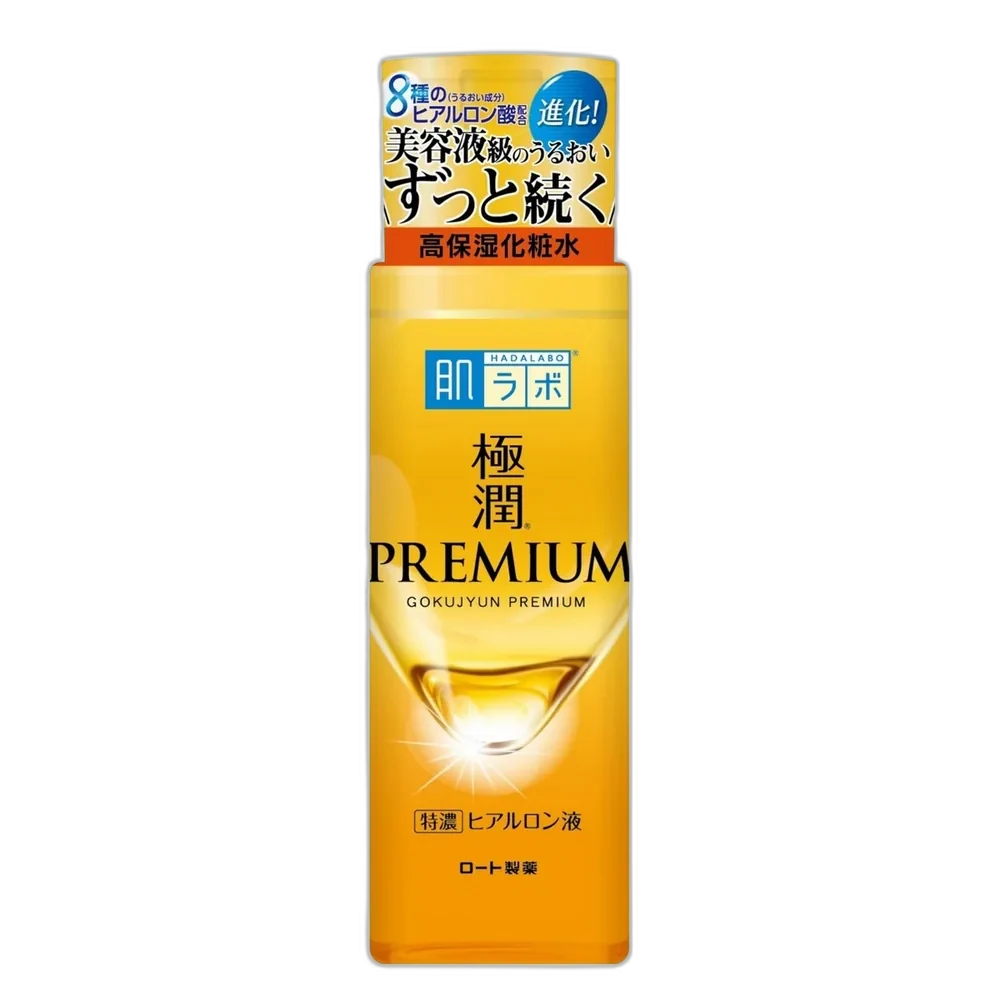
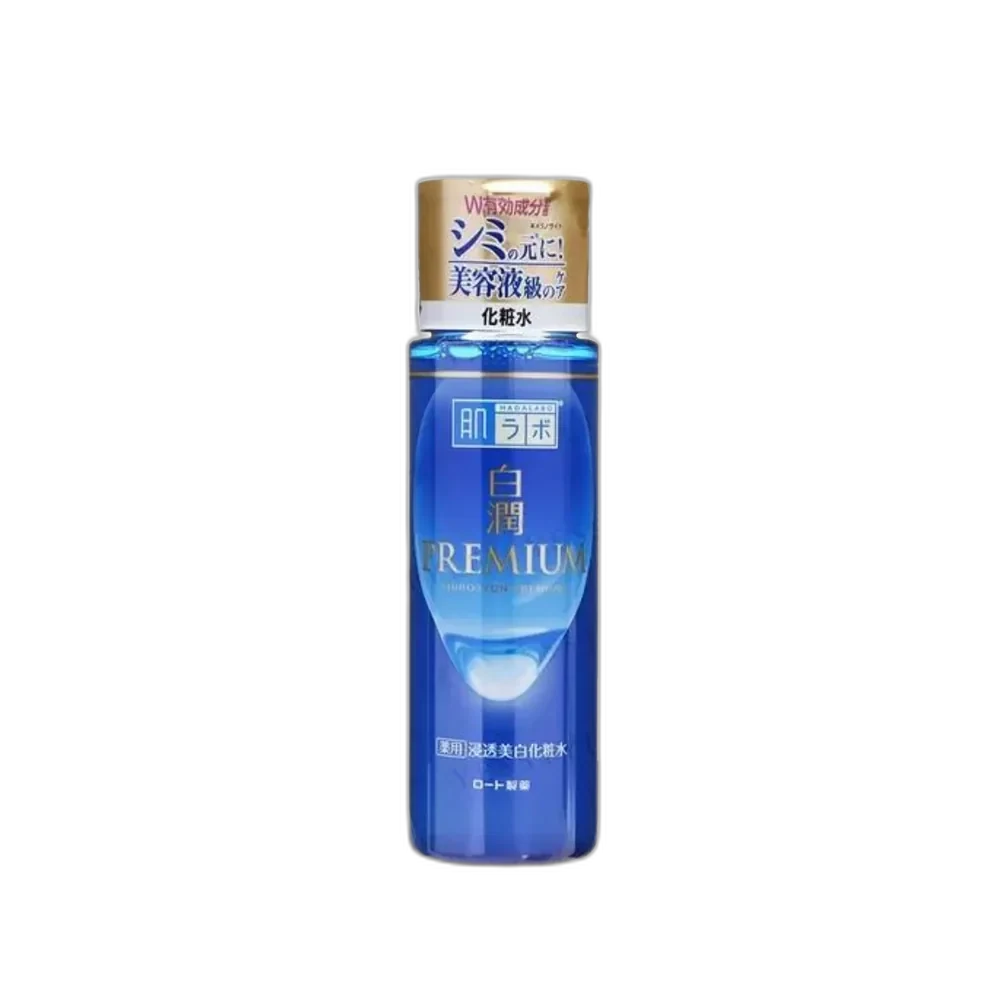
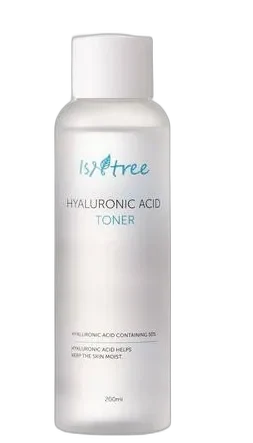
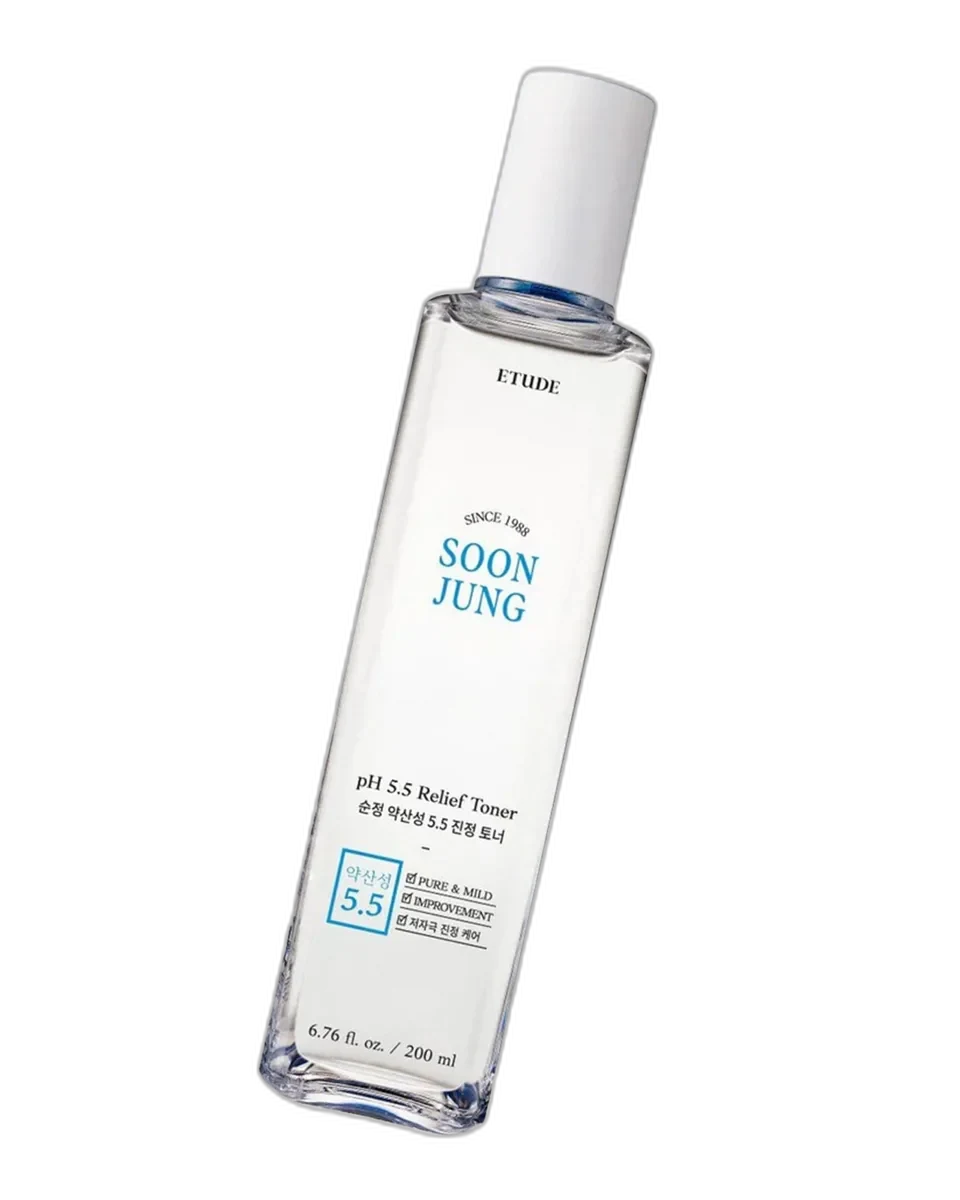
Essences and toners occupy the same routine step but have different purposes. Toners traditionally balance pH or remove residue. This essence delivers fermented botanical compounds to hydrate and prep skin. Whether the distinction justifies the price is a separate question, but the formulation approach is different.
Fermented ingredients can cause breakouts
Fermented filtrates like Hadasei-3 contain fermentation byproducts (amino acids, peptides, organic acids) rather than live cultures. The fermentation organisms are filtered out. This essence is non-comedogenic and fungal-acne-safe, so the ferment itself is unlikely to cause breakouts.
FAQ.
What does Tatcha The Essence actually do?
The Essence delivers Tatcha's Hadasei-3 ferment complex — a blend of green tea, rice, and algae fermented with Saccharomyces yeast — to clean skin. It hydrates, softens, and primes the surface so subsequent serums and moisturizers absorb better. It acts as a nutrient-rich foundation layer for the rest of your routine.
Is Tatcha The Essence worth $110?
This is the core question. The product contains a pure, undiluted ferment filtrate with only four ingredients — no water or fillers. Users report that other products work better after use. However, $110 for fermented rice water with green tea and algae is a high premium. Korean beauty brands sell comparable ferment essences for much less. Value depends on if Tatcha's specific Hadasei-3 formulation yields results that justify the luxury price.
How to Use
Pour a quarter-sized amount into your palms right after cleansing, while skin is still slightly damp. Press into face and neck with gentle patting — do not rub. Apply before serums, treatments, and moisturizers. Use morning and evening. For extra hydration, layer multiple applications using the Korean '7-skin method.'
Works for
Can sensitive skin use Tatcha The Essence?
Yes — this is one of the most sensitive-skin-friendly products available. It has only 4 ingredients (the ferment, a plant-derived solvent, and two gentle preservatives), so it has almost no irritation triggers. It is fragrance-free, alcohol-free, oil-free, and fungal-acne-safe. The minimal formula makes adverse reactions unlikely.
About Hadasei-3
What is Hadasei-3 in Tatcha products?
Hadasei-3 is Tatcha's proprietary ferment complex. It ferments three Japanese ingredients with Saccharomyces yeast: green tea (Camellia sinensis) provides antioxidants, rice provides amino acids and moisturization, and Okinawan mozuku algae (Cladosiphon okamuranus) provides mineral-rich hydration. The Essence is the purest form of this complex — it contains 100% Hadasei-3 plus a solvent and preservatives.
Best for
Is Tatcha The Essence a toner or a serum?
This product is an essence—a category from Japanese and Korean skincare that sits between toner and serum. Use it immediately after cleansing. It is thinner than a serum but more concentrated than a Western toner. It preps skin for subsequent products instead of delivering high concentrations of targeted actives like a serum.
Does Tatcha The Essence contain alcohol or fragrance?
No. This essence uses only 4 ingredients (Hadasei-3 ferment filtrate, propanediol, phenoxyethanol, and ethylhexylglycerin). It contains no fragrance, alcohol, oils, silicones, parabens, or sulfates. It is one of the cleanest luxury skincare formulations.
What the community says.
"Makes subsequent skincare products absorb noticeably better"
"Skin feels immediately softer and plumper after application"
"Ultra-gentle formula works for even the most sensitive skin"
"Clean ingredient list with only 4 ingredients inspires confidence"
"Noticeable improvement in overall skin texture over weeks of use"
"Extremely expensive at $110 for essentially fermented water"
"Effects are subtle and hard to attribute specifically to this product"
"No active ingredients beyond the ferment filtrate"
"The 'plumping' effect is temporary hydration, not structural change"
"Difficult to justify the cost when simpler hydrating toners exist"