Simply Clean
Longtime Derm-Office Cleanser
 Verified reviewer
Pros & cons.
- +Thorough cleansing that removes oil, sunscreen, and debris effectively
- +Mild glycolic and mandelic acid content for gentle ongoing exfoliation
- +Pairs well with SkinCeuticals treatment serums in a coordinated routine
- +Pump packaging is practical and hygienic
- +Longstanding track record in dermatology-office use
- +Non-comedogenic and appropriate for acne-prone skin
- −Sulfate-based surfactant system feels dated vs modern gentle alternatives
- −Contains methylparaben and propylparaben many users prefer to avoid
- −$43 is premium pricing for a traditionally-formulated gel cleanser
- −Not appropriate for sensitive, dry, rosacea-prone, or barrier-compromised skin
- −Formula largely unchanged in two decades and feels increasingly out of step with current cleanser philosophy
The full review.
Reviewing a skincare product that hasn’t changed since the George W. Bush administration presents a specific challenge. Simply Clean has been in the SkinCeuticals lineup since the early 2000s, a time when dermatology-office cleanser standards differed from today. Back then, the consensus held that oily and combination skin needed thorough sulfate-based cleansing with mild exfoliating acids to clear pores and smooth texture. Simply Clean follows that philosophy and executes it well. The formula has changed little since—which is both its selling point and its problem.
The formula is a traditional gel cleanser using sodium laureth sulfate as the primary surfactant, plus amphoteric co-surfactants like cocamidopropyl betaine and sodium lauroamphoacetate. Small amounts of glycolic acid and mandelic acid provide mild AHA activity; this isn’t enough for a dedicated acid treatment, but it offers gentle keratolytic support during daily washing. Orange extract, ginseng, rosemary, and aloe add a botanical layer that fits SkinCeuticals’ antioxidant brand positioning. The preservative system uses methylparaben and propylparaben, which is rare in premium skincare today but reflects the formula’s age and lineage.
In use, it works well for its target audience. The clear gel pumps out in small amounts and foams modestly on wet skin—not a dense lather, but enough to feel active. It removes sebum, sunscreen, and environmental debris thoroughly, leaving skin clean without the squeaky tightness that signals overstripping. Combination and oily skin users typically find it pairs well with subsequent serums and moisturizers, noting that the mild AHA content provides a subtle smoothing effect over weeks of use. For its intended purpose and audience, this is a functional product.
The formula’s age shows when compared to modern alternatives. The last ten years of cosmetic chemistry produced new, gentle surfactant systems—glucosides, sulfosuccinates, and amino-acid-based cleansers—that cleanse thoroughly without the tightness or barrier disruption caused by sulfates. Brands like CeraVe, La Roche-Posay, and iS Clinical offer dermatology-tier gel cleansers with gentler surfactant systems, paraben-free preservation, and often lower prices. The gap is not huge for users with resilient oily skin who tolerate sulfates well, but the calculus has shifted; Simply Clean’s formula is no longer the state of the art in its category.
Its limitations involve positioning rather than performance. Forty-three dollars for eight ounces is fair for dermatology cleansers, and one bottle lasts three to four months with twice-daily use, so the value math is reasonable. However, the competition has moved. Users in this price tier now have many options that feel more modern, support the barrier better, and align with current cleansing philosophy. This cleanser is not for sensitive, dry, eczema-prone, or rosacea-prone skin—the sulfate base and mild AHA content can further compromise already-damaged barriers, and gentler options work better for those users.
Board-certified dermatologists who still recommend Simply Clean usually do so for combination or oily-skin patients already using the SkinCeuticals ecosystem who want a cleanser that pairs with their SkinCeuticals vitamin C and treatment serums. It is also suggested for patients who specifically want a mild AHA cleanser and prefer the dermatology-office provenance of SkinCeuticals over newer niche brands. If you fit that profile, this functional option does what you expect. For most other users—especially those building a new routine or shopping for a dermatology-tier cleanser without brand loyalty—better options exist in the current market.
Ingredient analysis.
Full INCI list · pH 4.5
Water/Aqua, Sodium Laureth Sulfate, Cocamidopropyl Hydroxysultaine, PEG-80 Sorbitan Laurate, Sodium Lauroamphoacetate, Glycolic Acid, Sodium Lauroyl Sarcosinate, Cocamidopropyl Betaine, Mandelic Acid, Sodium Hydroxide, Polysorbate 20, Peg-150 Distearate, Citrus Aurantium Dulcis (Orange) Fruit Extract, Panax Ginseng Root Extract, Rosmarinus Officinalis (Rosemary) Leaf Extract, Aloe Barbadensis Leaf Juice, Disodium EDTA, Phenoxyethanol, Methylparaben, Propylparaben
Skin match.
The science.
The Science
Cleanser chemistry changed a lot in the last two decades. Simply Clean uses early 2000s technology instead of modern, gentle surfactant systems. Sodium laureth sulfate is the main surfactant; it is an ethoxylated version of SLS. It is milder than SLS but more stripping than modern glucoside-based or amino-acid-based surfactants. The co-surfactants — cocamidopropyl betaine, sodium lauroamphoacetate, and cocamidopropyl hydroxysultaine — are amphoteric surfactants that reduce SLES harshness and improve tolerance. Glycolic acid and mandelic acid provide mild keratolytic activity, but the 30-60 second contact time of a rinse-off cleanser limits exfoliation. Research shows cleanser-format acids add benefit but cannot replace leave-on acid treatments for exfoliation. Orange, ginseng, rosemary, and aloe are included at low concentrations. Their skin-level effects are limited by these low levels and short contact time. The evidence for cleanser-format antioxidants is thin because the active ingredients wash down the drain before they interact with the skin. The preservative system — methylparaben and propylparaben — is safe at cosmetic concentrations, though modern formulas often use different preservatives for consumer perception.
Dermatologist Perspective
Dermatologists sometimes recommend Simply Clean to patients with combination or oily skin who use SkinCeuticals treatment products and want a cleanser that fits their routine. Board-certified dermatologists like that it cleans thoroughly and includes a mild exfoliating element for patients wanting more than a purely gentle formula. However, many dermatologists now recommend newer gentle cleansers from CeraVe, La Roche-Posay, and EltaMD because they offer barrier-supportive formulations for more patients. Dermatologists steer patients away from Simply Clean if the skin is sensitive, dry, rosacea-prone, or barrier-compromised, or when a modern sulfate-free alternative fits the clinical picture better.
Where it fits in your routine.
Use this as the first step in your morning and evening routine. Wet your face with lukewarm water, pump a nickel-sized amount into your palms, and lather it between your hands. Apply to the face and massage across your face and neck for 30-60 seconds. Rinse with lukewarm water and pat dry. In the morning, follow with your serums, moisturizer, and sunscreen. In the evening, follow with treatment serums and moisturizer. Avoid hot water to prevent dryness or irritation. If you wear heavy makeup or waterproof sunscreen, use an oil or balm cleanser first.
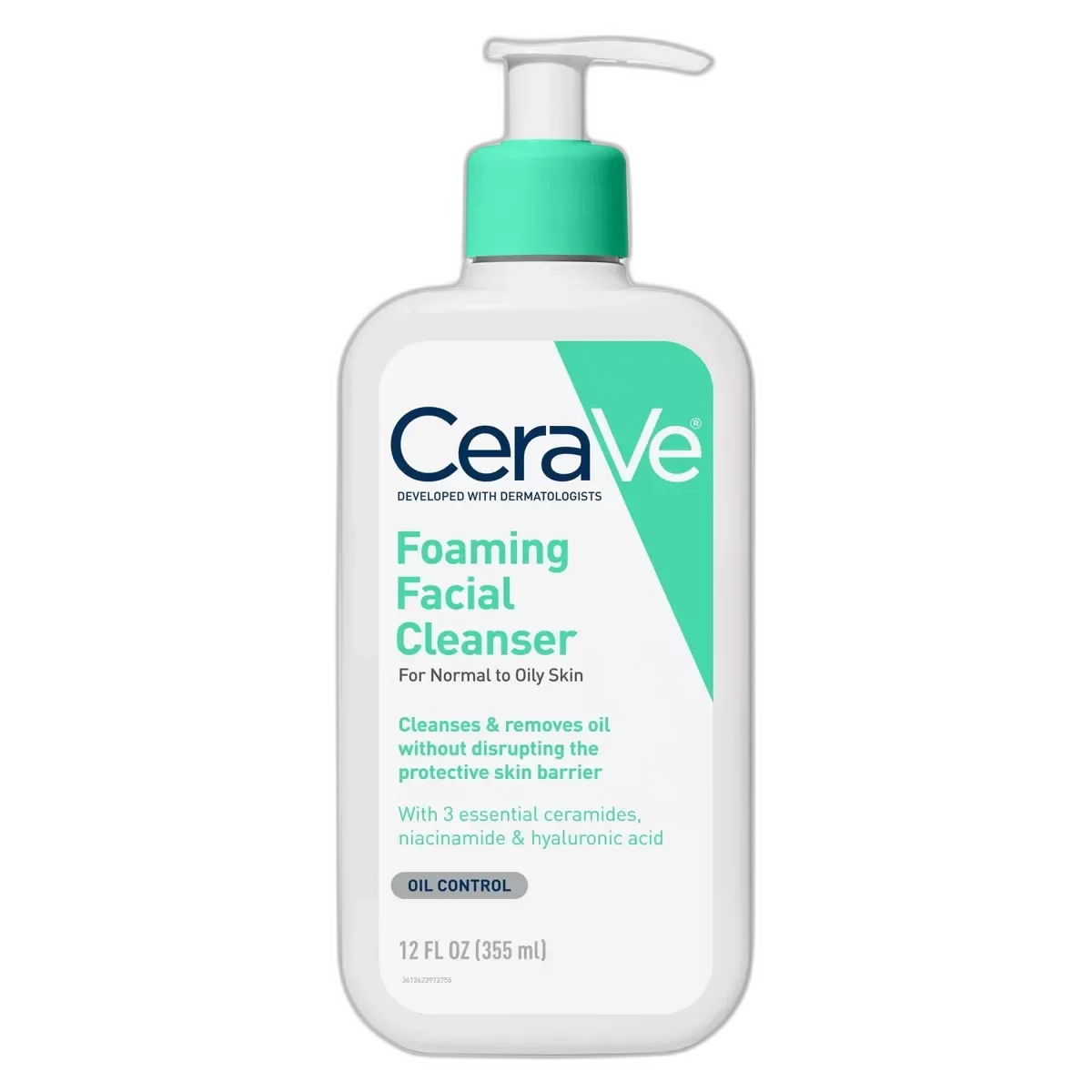
Simply Clean costs forty-three dollars for eight ounces. This price fits the dermatology-tier cleanser category. Using it twice daily makes one bottle last three to four months. Many lower-priced alternatives offer comparable or better cleansing using more modern formulations. CeraVe Foaming Facial Cleanser provides similar benefits for about a quarter of the price and uses a gentler surfactant system. La Roche-Posay Effaclar Medicated Gel Cleanser provides an oily-skin-optimized formula with added salicylic acid. The price makes sense if you want the SkinCeuticals brand ecosystem. If you shop based on cleanser merits alone, other value options exist. Simply Clean only comes in one size, so no larger option improves the per-ounce economics.
Combination and oily skin users already using SkinCeuticals products who want a coordinated morning and evening cleanser. It suits patients who have used this formula for years and know it works, and users who want a gel cleanser with mild AHA activity.
People with sensitive, dry, rosacea-prone, or barrier-compromised skin should use sulfate-free alternatives from CeraVe, La Roche-Posay, or similar brands. Anyone building a new routine and comparison shopping for a dermatology-tier cleanser should check modern alternatives with gentler surfactant systems before buying this formula. Users who avoid parabens on principle can find many paraben-free alternatives at the same price tier.
Product details.
Clear gel that foams lightly when lathered
Light citrus note from the orange extract
Tall clear plastic pump bottle
The pump dispenses a clear gel that foams slightly on wet skin. It feels thorough but lacks the tight, squeaky sensation of harsher cleansers. First-time users with combination or oily skin find it effective and balanced. Those with drier skin may feel slight tightness after rinsing.
About 3-4 months with twice-daily use
12 months
All Year
The backstory.
Simply Clean has been in the SkinCeuticals lineup since the early 2000s and represents the brand's original approach to cleansing: thorough, slightly exfoliating, and designed for the oily-to-combination dermatology patient who would follow it with the brand's vitamin C and treatment serums. The formula has remained largely unchanged even as the broader skincare industry has moved toward gentler, sulfate-free surfactant systems, which is part of why it now reads as a slightly older-generation product despite its continued availability.
About SkinCeuticals
Established Brand (5–20 years)SkinCeuticals was founded in 1997 on the antioxidant research of Dr. Sheldon Pinnell at Duke University. The brand's cleansers support its dermatology-office positioning by providing gentle cleansing vehicles for patients using the brand's more active treatment products.
Common myths.
SLES-based cleansers damage the skin barrier.
Sodium laureth sulfate is milder than sodium lauryl sulfate. Most skin types tolerate it in properly-formulated cleansers. A specific SLES cleanser's suitability depends on its full formulation, not just the surfactant.
A cleanser with AHAs replaces an acid treatment.
Short contact time limits how much a cleanser's acid works on the skin. Cleanser AHAs provide mild supplementary activity but do not replace a dedicated leave-on acid treatment for texture, pigmentation, or exfoliation.
FAQ.
Is this cleanser gentle enough for daily use?
This works for combination and oily skin as a twice-daily cleanser. For dry, sensitive, or rosacea-prone skin, the sulfate base and mild AHA content can strip the skin; a gentler cleanser is better.
Does the glycolic acid in this cleanser exfoliate my skin?
Mildly. Cleansers stay on the skin for only 30-60 seconds before rinsing, which limits glycolic acid penetration. This provides gentle keratolytic support but does not replace a leave-on glycolic treatment for meaningful exfoliation benefits.
Can I use it with my SkinCeuticals vitamin C serum?
Yes — this cleanser pairs with the brand's treatment serums. Wash with Simply Clean, pat skin dry, and apply your vitamin C serum as the first treatment step. The pH and surfactant system work with subsequent L-ascorbic acid applications.
Why does it contain parabens?
Simply Clean uses the original SkinCeuticals preservative system, containing methylparaben and propylparaben. Current research shows these preservatives are safe at cosmetic concentrations, but users avoiding parabens may choose other cleansers in the SkinCeuticals lineup.
Is it safe for use with makeup removal?
It removes light makeup but lacks strength for heavy or waterproof products. For thorough makeup removal, use a dedicated makeup remover or cleansing oil first, then use Simply Clean for the second cleanse. This double-cleanse approach works well for evening routines.
How much should I use per wash?
Use a nickel-sized amount for your face and neck. Rub it into wet skin for 30-60 seconds, then rinse well with lukewarm water. Avoid hot water; it increases dryness and irritation regardless of cleanser choice.
Does it cause breakouts?
This non-comedogenic formula targets oily and combination skin. If breakouts occur after starting use, another product in the routine or existing acne patterns likely cause them, not this cleanser. ---
What the community says.
"Thoroughly removes oil and debris"
"Leaves skin feeling genuinely clean"
"Slight exfoliation contributes to smoother texture"
"Pairs well with SkinCeuticals treatment serums"
"Sulfate base feels stripping to some users"
"Contains parabens and SLES that many modern users prefer to avoid"
"Expensive for a cleanser"
"Not gentle enough for sensitive or dry skin"
People also looked at.