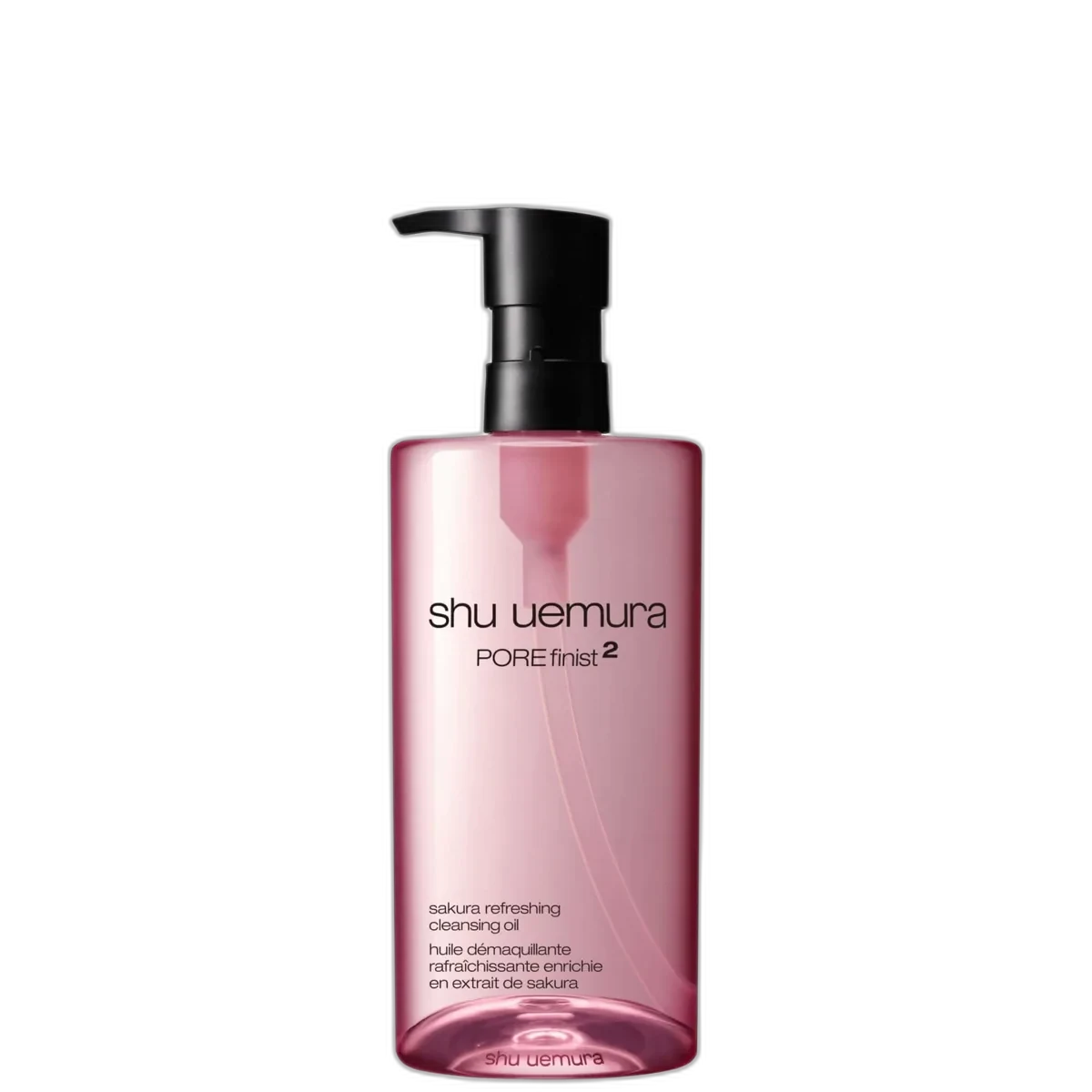
Fresh Pore Clarifying Gentle Cleansing Oil
Pore-Targeted Cleanser
 Verified reviewer
Pros & cons.
- +Oil-soluble salicylic acid delivers BHA exfoliation directly into pores during cleansing
- +Three-polyglyceryl emulsifier cascade ensures clean rinse-off
- +Lightweight ester base feels refreshing rather than heavy
- +Visible pore and blackhead improvement at 3-4 weeks in target users
- +Legacy J-beauty formulation with over a decade of refinement
- −Contains fragrance and menthol cooling agents — not for sensitive skin or rosacea
- −Comedogenic esters may trigger breakouts in some acne-prone users
- −$52 for 150ml is premium versus drugstore cleansing oils
- −Cooling sensation can be polarizing or too intense for some users
The full review.
Most skincare brands ignore a specific formulation puzzle that this cleanser solves. Salicylic acid treats blackheads and pore congestion effectively because it is lipophilic; it penetrates sebum-filled pores better than lactic acid or glycolic acid. However, most salicylic acid sits in water-based toners or leave-on treatments, making contact with pore sebum indirect. Using it in a cleansing oil allows it to ride the oil phase directly into the pore during massage. Shu Uemura did this in 2011 with the original Fresh Pore Clarifying Cleansing Oil by using capryloyl salicylic acid — a lipophilic SA derivative called LHA — which provides noticeable results for oily, congested, or blackhead-prone skin.
The rest of the formula follows the Shu Uemura cleansing oil template. The base blends ethylhexyl palmitate, isopropyl myristate, and caprylic/capric triglyceride. These lighter synthetic esters replace heavier plant oils to create a watery, fast-spreading feel. A three-polyglyceryl emulsifier cascade, used by Shu Uemura in its premium cleansing oils, ensures a clean oil-to-milk transition and a residue-free rinse. Functional and sensory additions include squalane and jojoba for skin conditioning, two cherry extracts for the sakura brand story, and menthoxypropanediol for a cooling sensation that feels ‘fresh’ on contact.
The cooling effect is notable. Menthoxypropanediol is a skin-cooling agent that creates a mild tingle and a sensation of freshness that many users link to a product ‘working.’ It does not tighten pores — the salicylic acid handles all pore-clearing — but the cooling defines the product’s identity. Some users love it; others find it irritating. If you dislike menthol in other products, you will dislike it here.
The cleanser performs well on skin. A few pumps on dry skin dissolve makeup and SPF in about 30 seconds, allowing the LHA time to work on pore congestion during massage. Water turns the oil into a light milk that rinses completely, leaving skin clean and cool. After a few weeks of nightly use, most target users report fewer new blackheads and visibly clearer pores around the nose and chin. The results are consistent rather than dramatic.
Friction points are predictable for a Shu Uemura cleansing oil: it contains fragrance, the cooling effect is polarizing, and the comedogenic ester content may concern acne-prone users. Because the salicylic acid helps acne while the esters might aggravate it, reactions vary — some acne-prone users love this product, while others break out immediately. Patch testing is more useful here than with most cleansers.
The price is around $52 for 150ml, though the 450ml option offers better per-ounce value. For users committed to a double-cleanse routine seeking pore-targeted action, the upgrade from a generic cleansing oil is defensible. Users without pore or blackhead concerns should choose the Anti/Oxi+ version of Shu Uemura’s cleansing oil at the same price for general use.
This is a specialized tool, not a universal cleanser. It earns its place for the right user. For everyone else, it is a clever formula solving a problem they do not have.
Ingredient analysis.
Full INCI list
Ethylhexyl Palmitate, Isopropyl Myristate, Caprylic/Capric Triglyceride, Polyglyceryl-6 Dicaprate, Dicaprylyl Carbonate, Polyglyceryl-10 Dioleate, Phenoxyethanol, Polybutene, Polyglyceryl-2 Oleate, Dicaprylyl Ether, Tocopherol, Squalane, Simmondsia Chinensis (Jojoba) Oil, Menthoxypropanediol, Carthamus Tinctorius (Safflower) Oil, Capryloyl Salicylic Acid, Propylene Glycol, Capryloyl Glycine, Sarcosine, Prunus Cerasus Extract, Cinnamomum Zeylanicum Extract, Prunus Yedoensis (Japanese Cherry) Leaf Extract, Parfum
Skin match.
The science.
The Science
This cleanser pairs an oil-soluble salicylic acid derivative with an oil cleansing vehicle, a method with mechanistic support. Salicylic acid works for comedonal acne and blackheads; research in the Journal of Clinical and Aesthetic Dermatology shows topical salicylic acid at 0.5-2% concentrations improves comedone count and pore visibility over 8-12 week trials. Salicylic acid's lipophilicity drives this efficacy—it dissolves into sebum to reach the pore lining where comedones form.
L'Oréal (Shu Uemura's parent company) developed Capryloyl salicylic acid (LHA), the specific SA derivative used here, as a longer-chain lipophilic variant. It has higher lipophilicity and less stinging than standard salicylic acid. Research in Dermatologic Surgery shows LHA has comparable exfoliating efficacy to conventional SA but with lower reported irritation. Using an oil cleansing vehicle instead of a water-based toner means the LHA is already dissolved in an oil phase when it hits sebum, removing the solubility barrier.
Studies on the polyglyceryl emulsifier system show it is milder than traditional surfactant systems. Work in the International Journal of Cosmetic Science shows polyglyceryl esters cause less stratum corneum disruption than sulfate-based emulsifiers. This explains why users describe Shu Uemura cleansing oils as non-stripping despite their thorough cleansing.
One gap remains: no published head-to-head clinical trial compares this specific LHA-in-cleansing-oil delivery to a standard leave-on BHA toner over equivalent time periods. The delivery is mechanistically novel, but empirical data would quantify the difference.
Dermatologist Perspective
Dermatologists recommend salicylic acid for blackheads, oily skin, and mild comedonal acne. Delivering a BHA in a cleansing vehicle is not new, as drugstore salicylic acid cleansers have existed for years. The oil-based vehicle distinguishes this product, allowing the active to integrate more fully with facial sebum during cleansing. This formulation appears often in J-beauty-influenced skincare routines. It is not typically recommended for patients with rosacea, very sensitive skin, or known menthol intolerance. Dermatologists suggest patch testing for acne-prone users due to the comedogenic ester content.
Where it fits in your routine.
Apply 3-4 pumps to dry skin using dry hands. Massage for 30-60 seconds, targeting visible pore congestion or blackheads on the nose and chin. Wet hands lightly and massage to emulsify, then rinse with warm water. Use a gentle water-based cleanser next to finish the double cleanse. Use only at night. For best pore-clarifying results, use a weekly leave-on BHA treatment on separate days.
At around $52 for 150ml, with a 450ml option available, this cleanser costs more but uses a different formulation. CeraVe and La Roche-Posay sell salicylic acid cleansers at drugstore prices, but they use water-based surfactant systems instead of oil-based delivery. For users wanting an oil-cleanse experience with pore-targeted exfoliation, this is the top option in the category. The per-ounce cost drops if you buy the 450ml size.
Users with oily or combination skin facing blackheads, enlarged pores, and congestion want a cleansing oil with built-in active exfoliation. This works well for those who like the cooling, fragranced sensory experience of a J-beauty product.
Dry, very sensitive, or rosacea-prone skin will find this too stimulating. Acne-prone users must patch test carefully — the combination of SA and comedogenic esters causes unpredictable reactions. Fragrance-sensitive users should look elsewhere.
Product details.
Light watery oil with a faintly pink tint from the cherry extract
Light sakura cherry fragrance
Clear glass bottle with pump dispenser
First use provides an immediate cooling sensation and a visibly clearer surface. Consistent nightly double-cleansing improves blackhead and pore clarity over 2-4 weeks.
About 2 months at nightly use for 150ml
12 months
All Year
The backstory.
Launched in 2011 as the brand's answer to enlarged-pore and blackhead concerns — one of the defining skin complaints in East Asian beauty markets at the time — and later iterated into Porefinist2 with a refined formula. This original Fresh Pore version is still sold in certain markets and retains its cult following among users who prefer its slightly different sensory profile.
About Shu Uemura
Legacy Brand (20+ years)Shu Uemura launched in 1967 and pioneered the modern skincare cleansing oil category. The Fresh Pore / Porefinist family arrived in the early 2010s to target enlarged-pore concerns and has undergone continuous refinement through multiple iterations.
Common myths.
A cleanser can shrink pores permanently
Pore size is mostly genetic. This cleanser doesn't shrink pores. It uses oil-soluble salicylic acid to remove sebum plugs and dead cells from the pore lining. This makes pores look less prominent, even though the underlying structure stays the same.
FAQ.
How is this different from the Anti/Oxi+ cleansing oil?
The Anti/Oxi+ focuses on antioxidants and pollution removal. This Fresh Pore version uses oil-soluble salicylic acid (LHA) to target pores and blackheads. Choose Anti/Oxi+ for dullness and urban grime. Choose this version for blackheads and enlarged pores.
Does this really help with blackheads?
Yes, more than most cleansers. The capryloyl salicylic acid is oil-soluble. It mixes with sebum during the cleansing massage to exfoliate inside pores where water-soluble BHAs cannot reach. Results are gradual; expect meaningful improvement after 3-4 weeks of nightly use.
Is this safe for acne-prone skin?
Mixed. Salicylic acid helps acne, but the formula contains comedogenic isopropyl myristate and ethylhexyl palmitate. Users with acne may see results or break out — patch test and monitor carefully.
Is the menthol cooling effect necessary?
This is sensory, not functional. Menthoxypropanediol creates the fresh cooling sensation that defines the product experience, but it provides no pore-clearing or exfoliating benefit. Users sensitive to menthol or cooling agents should skip this formula.
What the community says.
"Leaves pores visibly clearer"
"Refreshing cooling sensation"
"Removes blackheads over time"
"Expensive for 150ml"
"Menthol tingle too strong for some"
"Fragrance present"
People also looked at.